



Carved Ebonised Frame
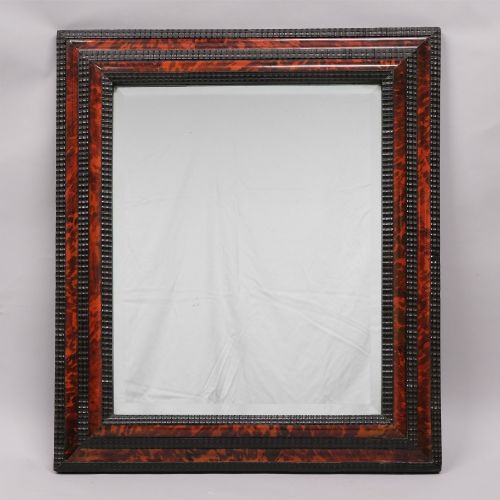
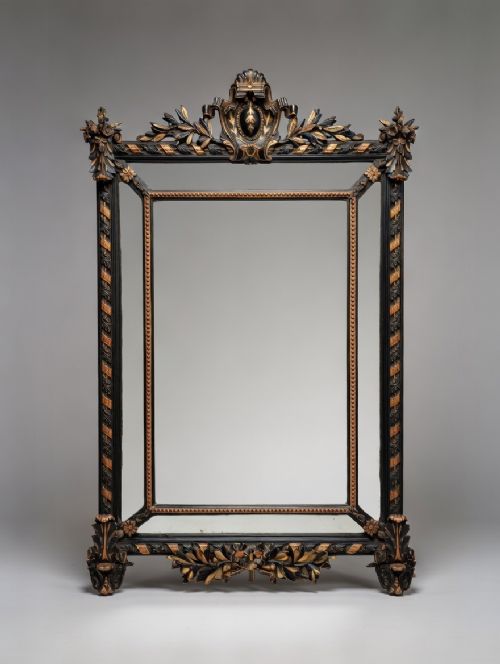
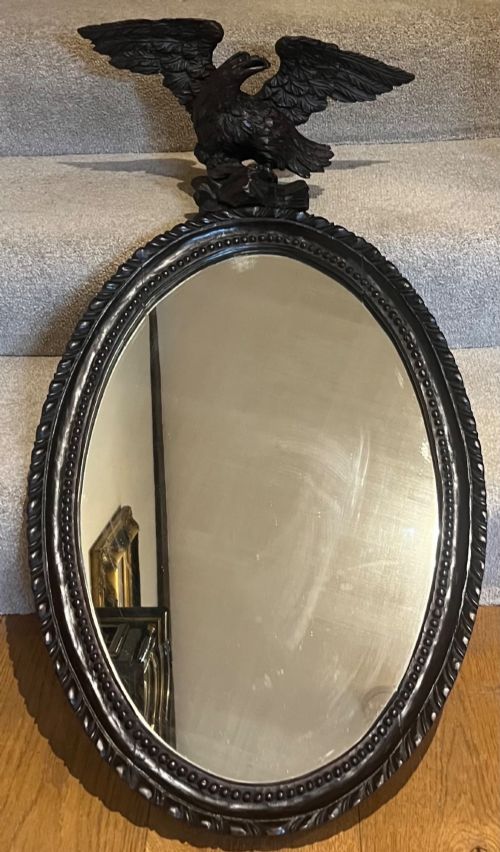
A carved ebonised frame brings dark drama and sharp architectural relief to a room, offering a striking contrast to gilt and paler woods.
Carved Ebonised Frame
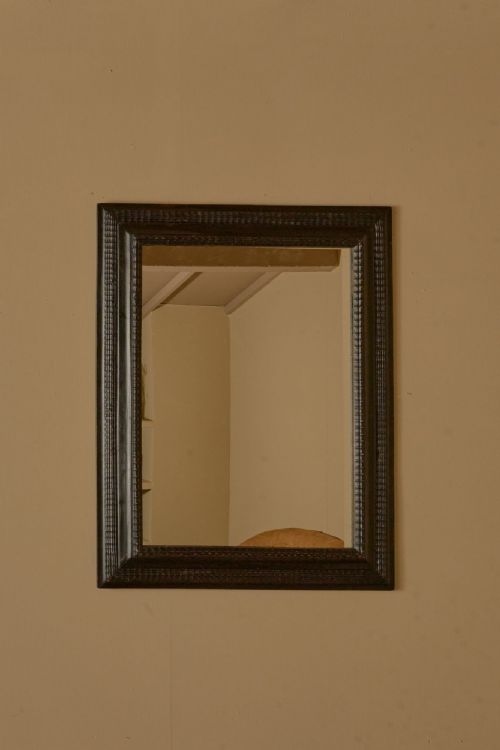
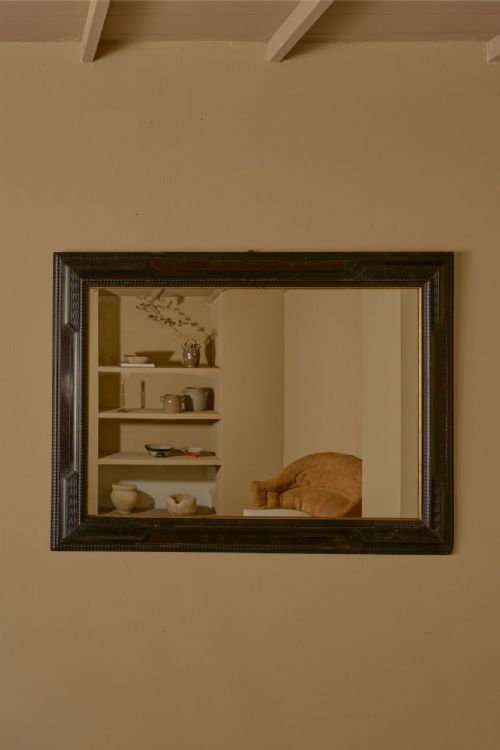
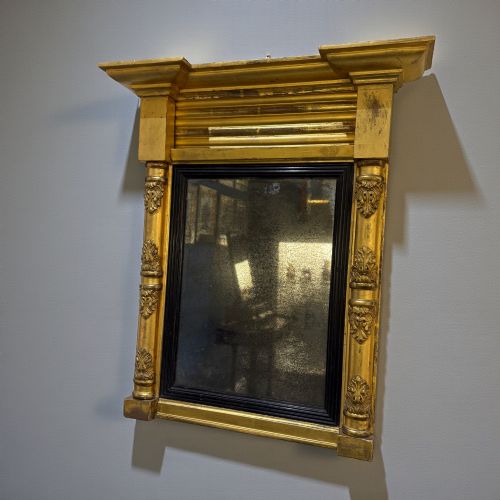
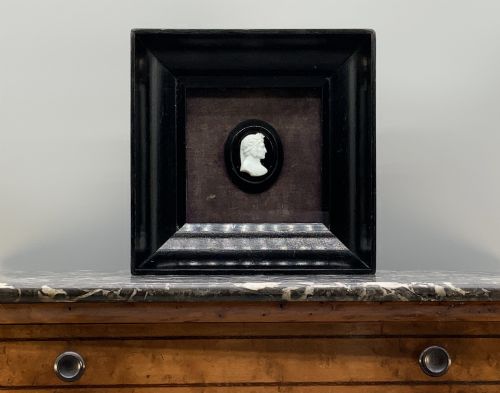
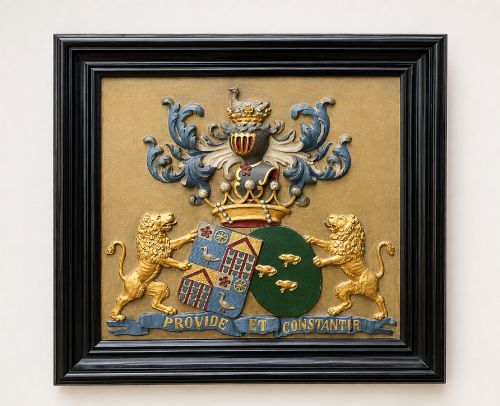
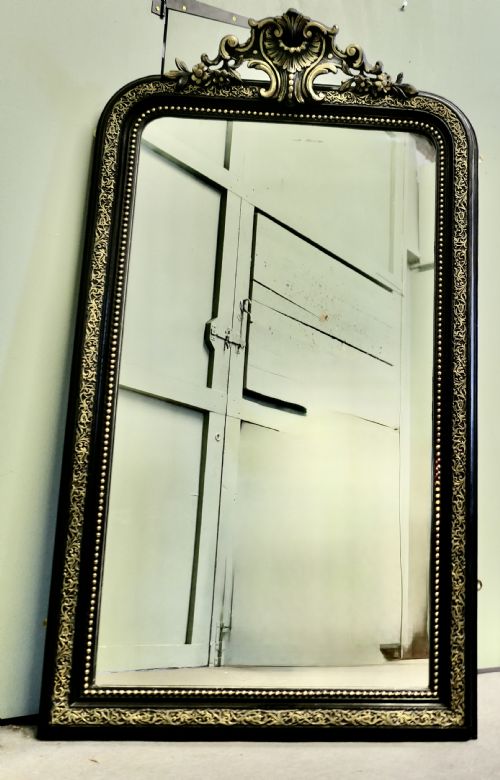
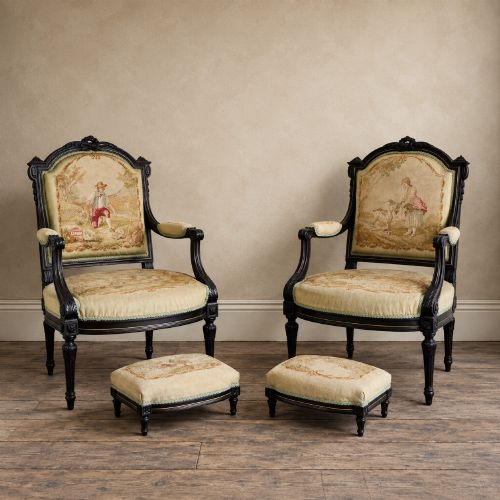
When you search for a carved ebonised frame, you encounter a selection spanning the seventeenth, eighteenth, and nineteenth centuries, alongside pieces from around nineteen hundred. These items encompass wall mirrors, overmantel mirrors, armchairs, stools, settees, and wall plaques created in styles such as Regency, Victorian, Aesthetic Movement, and Napoleon III.
The most frequent examples on this page are mirrors and seating furniture that utilise ebonised wood alongside carved details. You will find items attributed to periods including the William and Mary era through to the late nineteenth-century Victorian and Aesthetic periods.
Materials and Construction
The construction relies on timber such as beech, mahogany, walnut, and general carved wood, which is then ebonised to simulate the appearance of ebony. Many pieces incorporate parcel-gilt highlights, gesso, and gold leaf to accent the carved elements against the dark surface.
Makers utilised glass for mirrors and employed traditional carving techniques to form scroll-ends, classical motifs, and ripple frames. Fabric and upholstery appear on the seating options, complementing the dark wooden structures.
Carved Ebonised Frame Retail Price Guide 2026
Typical asking prices for carved ebonised frame among the pieces listed under this phrase on Sellingantiques today, from the lower quarter to the upper quarter. They describe what is for sale here now, not the wider market.
The listings span periods from the 17th century up to 1920, incorporating styles like Regency, Victorian, and the Aesthetic Movement.
Distinctions in Standard
Quality reveals itself in the crispness and depth of the carved woodwork, where well-defined motifs and smooth ebonising distinguish finer items from simpler production. The integration of parcel-gilt and the condition of the underlying gesso show the level of care taken during manufacture.
The harmony of proportion in larger overmantel mirrors or armchairs and the retention of original glass plates or period upholstery determine the standing of a piece within its respective period.
Van Rijckevorsel and Verheijen·Rowley Gallery
The Carved Ebonised Frame Glossary
- Ebonised
- Wood treated with a stain, dye, or paint finish to imitate expensive ebony. This dark finish gained popularity across multiple revival periods during the nineteenth century.
- Gesso
- A plaster-like material applied to wood surfaces to create a smooth base for gilding or painting. Carved details are often built up in gesso before finishing.
- Parcel-gilt
- Partially gilded, where specific carved elements or raised details are highlighted with gold leaf while the rest of the object remains dark or painted.
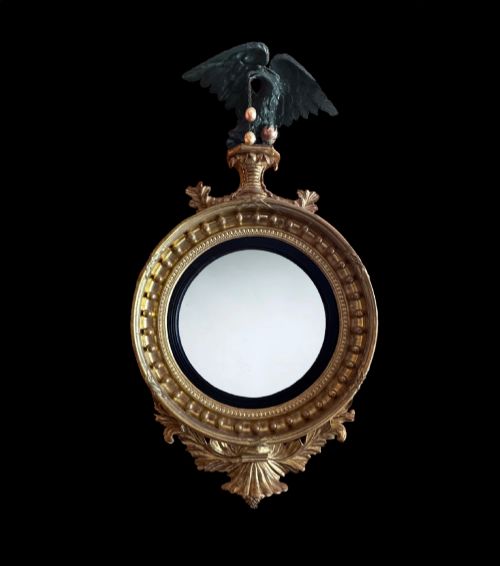
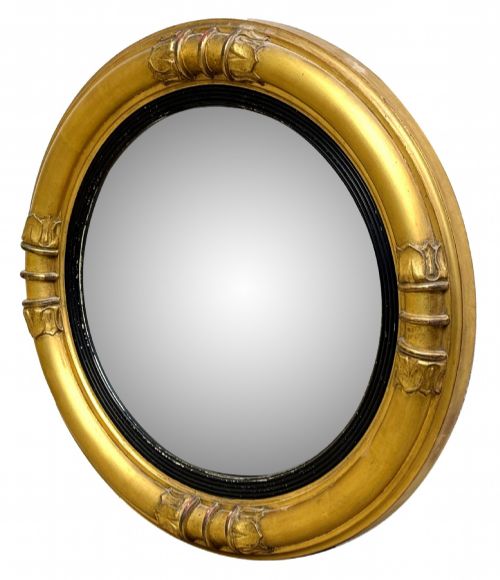
- Convex Mirror
- A circular mirror with a curved glass plate that reflects a wide, distortion-rich view of the room. These frames often feature elaborate carved crests and ball-detailing.
- Overmantel Mirror
- A large mirror designed specifically to hang above a fireplace mantelpiece. They frequently match the horizontal proportions of nineteenth-century chimney breasts.
Carved Ebonised Frame: Frequently Asked Questions
What is a carved ebonised frame?
A carved ebonised frame is a wooden structure treated to resemble ebony, featuring hand-carved ornamentation. These frames appear on mirrors, seating, and decorative plaques across various historical periods.
Such pieces range from seventeenth-century cushion frames to nineteenth-century salon mirrors and armchairs, each utilising dark finishes to create high visual contrast.
How do I date a piece?
Dating relies on stylistic clues, construction methods, and the specific period characteristics seen in the woodwork. Items reflect design movements such as Regency, Victorian, and Aesthetic styles.
Examining the materials, such as early walnut versus later beech or mahogany, along with the style of the carving helps place the object in its correct era.
Where were these items placed?
Mirrors with these frames typically hung above mantelpieces, in hallways, or as large pier mirrors between windows in reception rooms. Seating options served in salons, drawing rooms, and dressing spaces.
Their dark, imposing presence made them central decorative elements designed to catch the eye and reflect light within nineteenth-century interiors.
How do I care for ebonised wood?
Maintaining ebonised surfaces requires keeping them away from direct sunlight and excessive moisture to protect the dark finish and underlying gesso. Gentle dusting with a dry cloth prevents accumulation without harming the delicate parcel-gilt highlights.
Avoid abrasive cleaners or modern polishes that can strip the historic finish or damage exposed gold leaf details.