
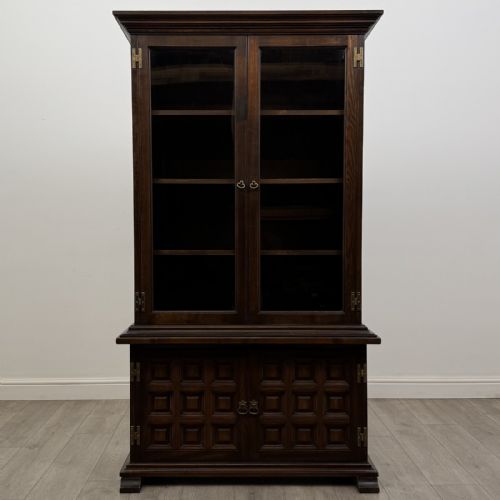
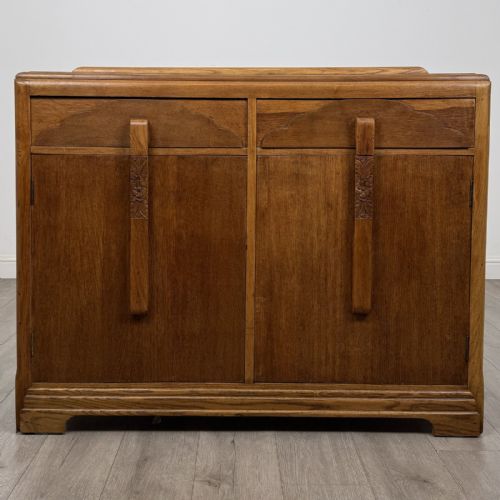
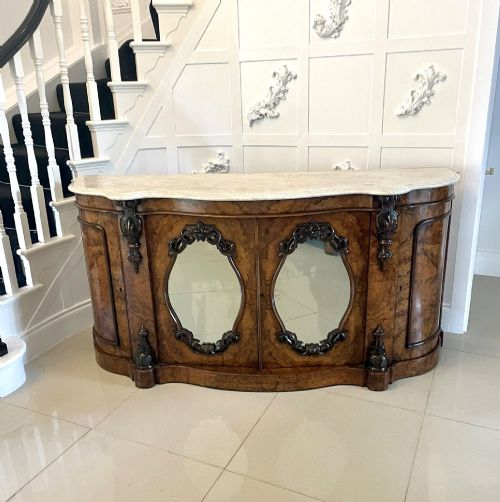
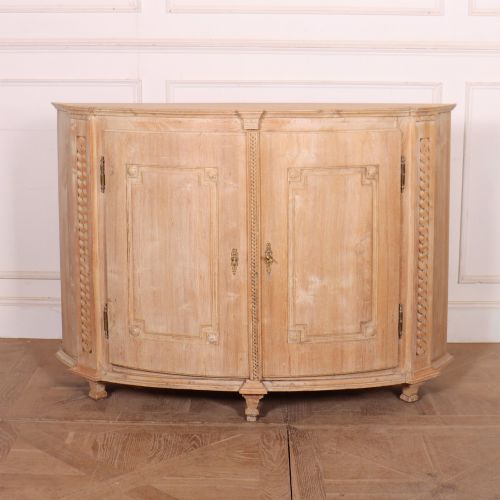
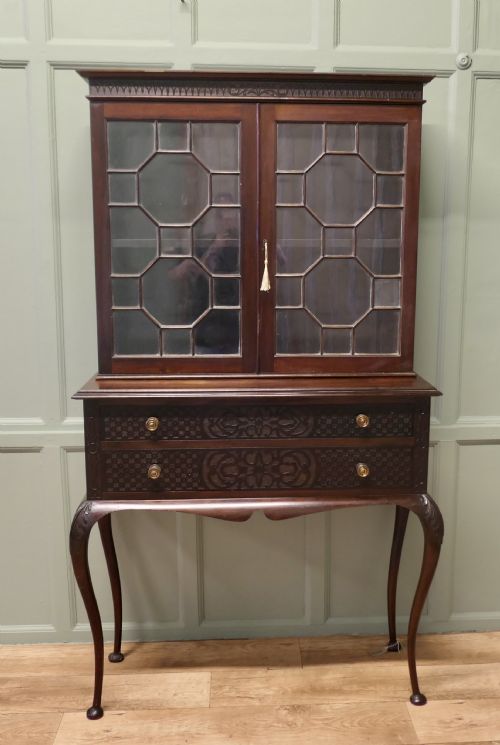
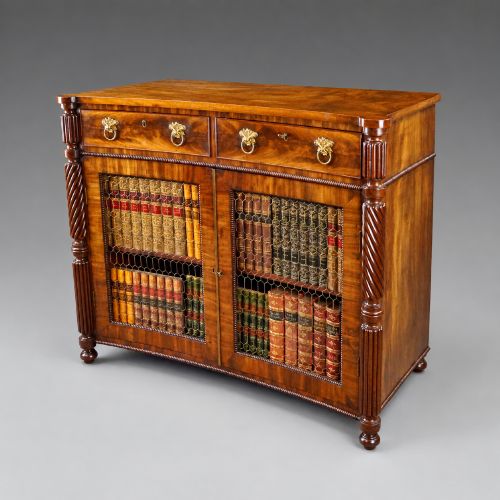
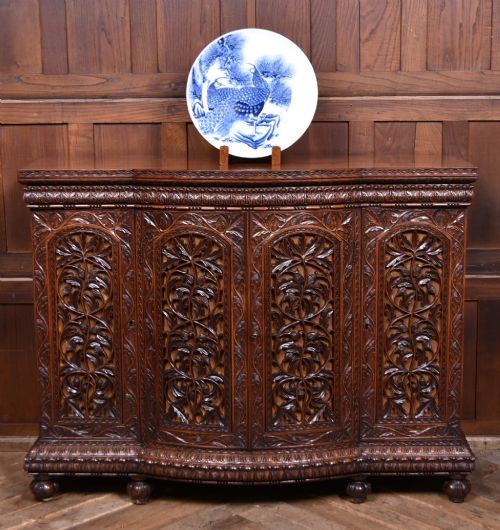
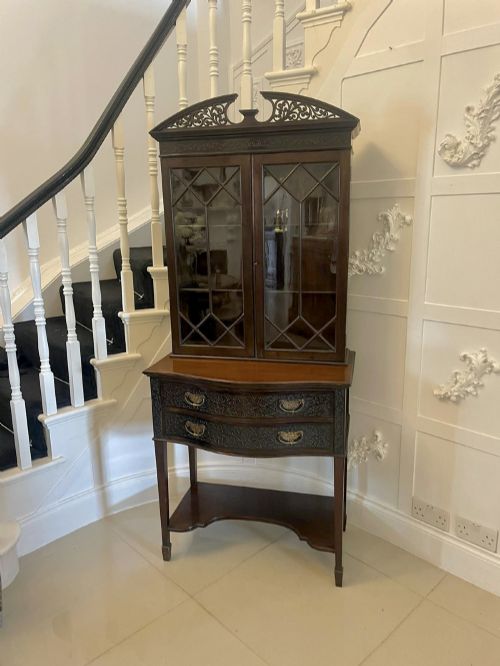
Carved Door Cabinet
A carved door cabinet brings rich texture and practical storage into a room, joining useful timber joinery with deeply worked relief panels.
Carved Door Cabinet
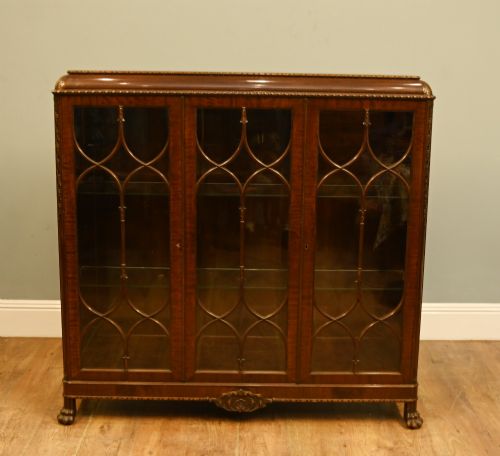
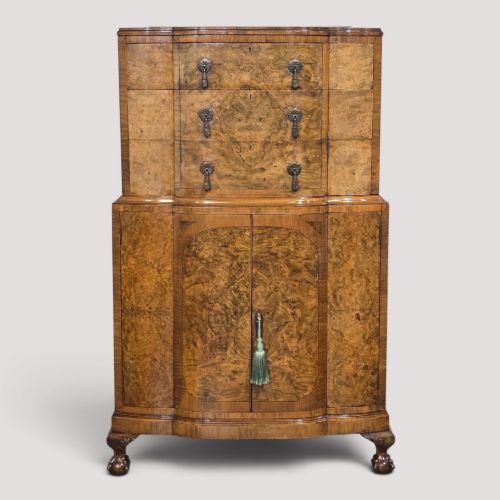
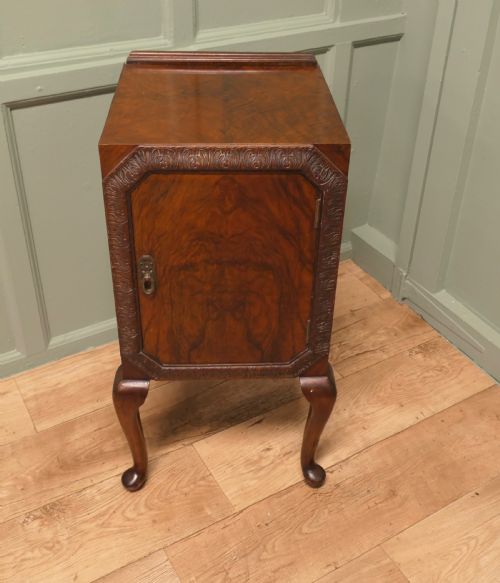
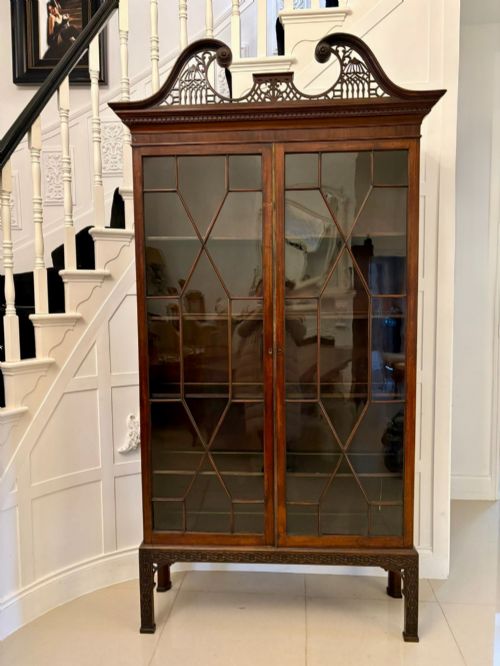
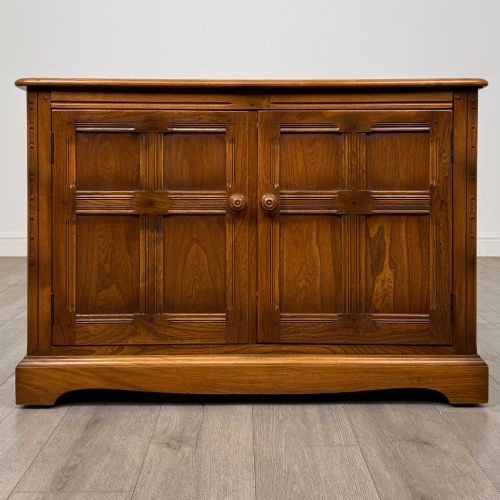
When you search for a carved door cabinet, you encounter pieces that range from compact bedside cupboards and display cabinets to large sideboards and armoires. The selection on this page leans heavily towards oak, mahogany, and walnut iterations from the nineteenth and early twentieth centuries, alongside distinct regional examples.
Buyers look for these items to anchor a room with architectural weight and natural timber grain. The carved panels provide a focal point that plain timber surfaces lack, offering sculptural depth that suits both traditional interiors and more eclectic modern spaces.
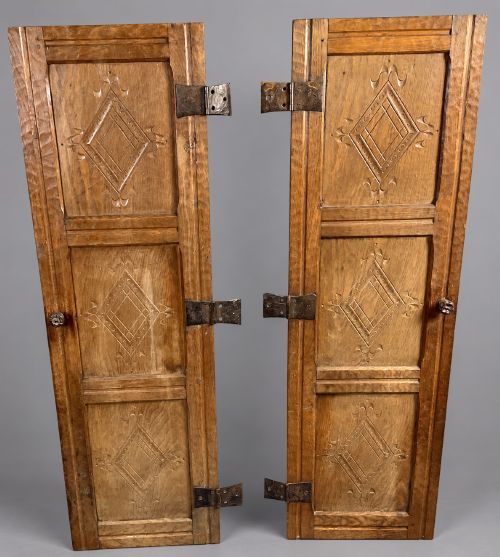
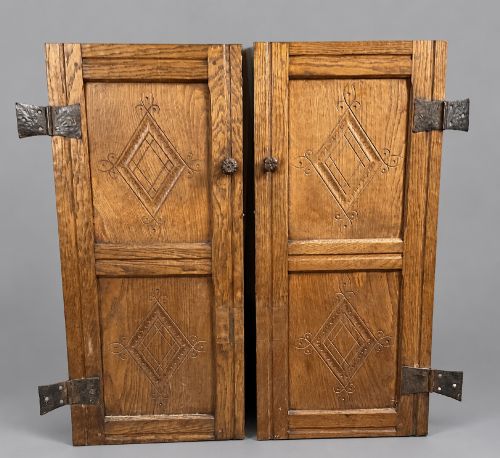
The assortment includes English golden oak pieces from the Edwardian era, heavier Victorian mahogany and walnut designs, and continental fruitwood or pine furniture. Each format uses the carved doors to display either geometric strapwork, floral motifs, or figurative panels.
How they were made
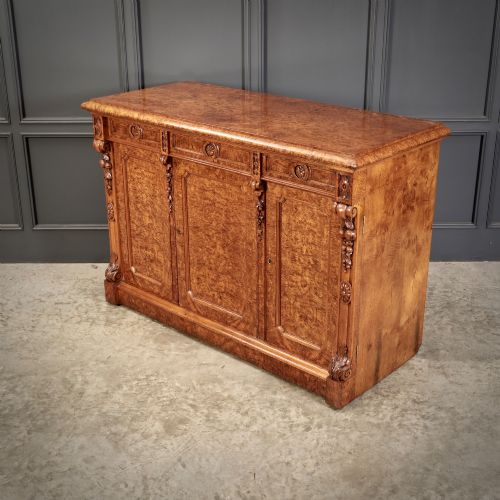
Cabinetmakers constructed these pieces using solid timbers like oak, mahogany, and walnut, often applying decorative veneers such as burr walnut to prominent surfaces. Carved details were executed by hand using gouges and chisels directly onto solid door frames or applied as separate carved panels.
Joinery techniques relied on traditional mortise and tenon joints for the structural carcase and frame, ensuring long-term stability. Drawer linings and interior shelving typically utilised secondary timbers like pine or oak, assembled with dovetail joints.
Several pieces preserve the specific scent of old beeswax and dry oak that has settled inside closed cabinets for over a century.
What varies in quality
Quality rests primarily in the crispness and depth of the carving work, where hand-tooled execution displays sharper undercut details and more fluid lines than mechanical reproduction. The choice of timber grain, particularly matched burr veneers or densely figured oak, elevates the visual weight of the piece.
Structural integrity also separates standard utility furniture from finer workshop output, evident in heavier brass hardware, well-fitted doors that hang true on their original hinges, and neatly dovetailed internal drawers.
The Carved Door Cabinet Glossary
- Chiffonier
- A low sideboard or cabinet, typically fitted with drawers and doors beneath, developed during the nineteenth century. It often includes a raised shelf back.
- Vitrine
- A glass-fronted display cabinet used for porcelain and curiosities. The French term usually implies a lighter framework than a heavy bookcase.
- Frieze
- The decorative horizontal band running along the upper section of a cabinet beneath the cornice. It frequently carries carved running ornamentation.
- Astral glazing
- Cabinet door glass divided into small panes by narrow wooden bars called astragal bars. This technique creates a light, geometric grid across display sections.
- Armoire
- A large freestanding cupboard or wardrobe with doors enclosing shelving or hanging space. Continental examples often feature heavily carved panel doors.
Carved Door Cabinet: Frequently Asked Questions
How do I style a carved door cabinet?
Position the cabinet against a plain wall to let the timber relief work stand out without visual competition from patterned wallpaper. Keep items placed on top restrained in number so the carved doors remain the primary focus of the room.
Allow enough clearance around the doors for them to swing open fully without catching on surrounding furniture. This ensures both practical access to the interior and an unobstructed view of the craftsmanship on the front panels.
What rooms suit a carved door cabinet?
Dining rooms and living spaces provide the most natural home for larger sideboards and display cabinets where tableware or books require storage. Their substantial presence anchors the room and adds warmth through natural wood tones.
Smaller iterations, such as bedside cupboards or pot cabinets, fit easily into hallways or bedrooms. They offer enclosed storage for everyday items while introducing period character into smaller functional spaces.
How do I care for antique timber cabinets?
Maintain a stable room temperature away from direct sunlight and heat sources to prevent the solid timber and veneers from drying out or splitting. Dust the carved recesses regularly with a soft, dry brush to prevent dirt accumulation in the intricate details.
Apply a microcrystalline wax sparingly once or twice a year to nourish the wood and protect the finish. Avoid silicone-based sprays, which can build up over time and dull the natural lustre of the polished surface.
How can I tell Victorian cabinets from Edwardian ones?
Victorian cabinets generally utilise denser, darker timbers like mahogany and walnut, accompanied by heavier, more ornate carving styles such as fruit and leaf motifs. Their overall proportions tend to be robust and imposing, reflecting nineteenth-century interior tastes.
Edwardian pieces often favor lighter golden oak with simpler Jacobean revival carving or Arts and Crafts linear motifs. The construction reflects a shift towards brighter, airier domestic spaces with reduced visual weight.