

Carved Dial Clock
A carved dial clock brings together timberwork and timekeeping, offering a functional centrepiece shaped by centuries of cabinetmaking.
Carved Dial Clock
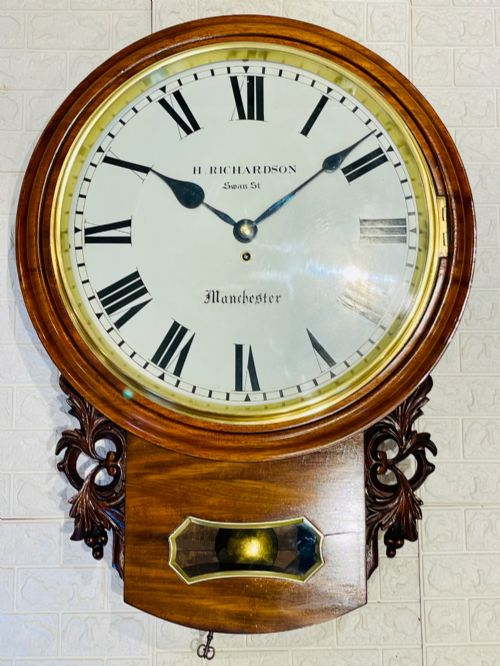
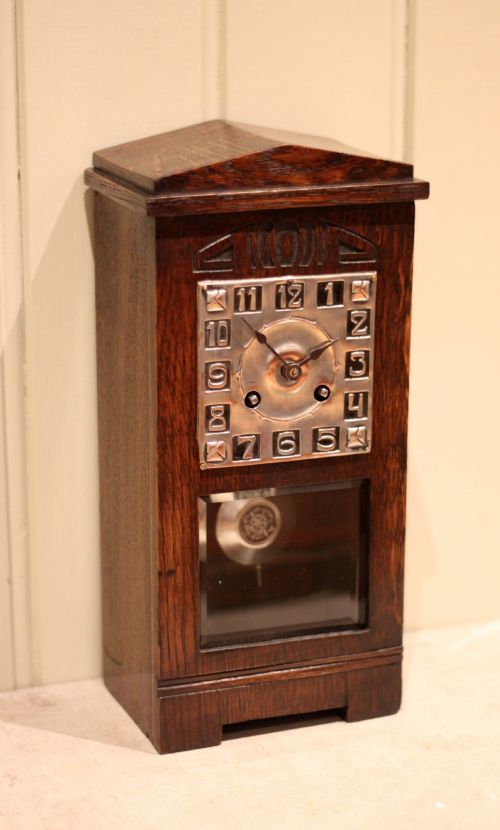
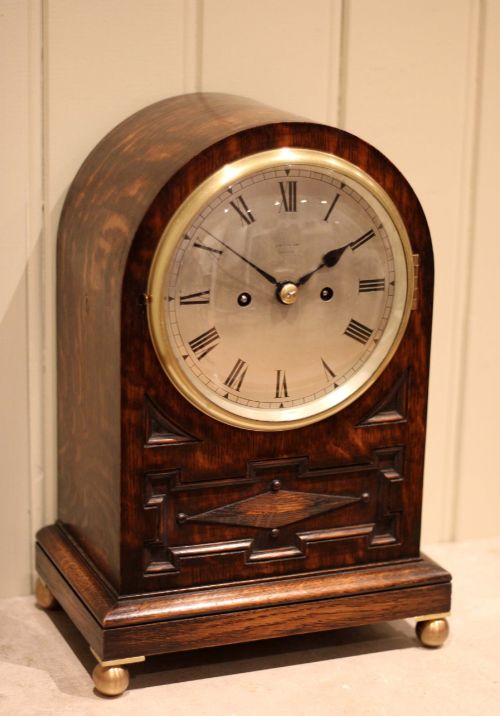
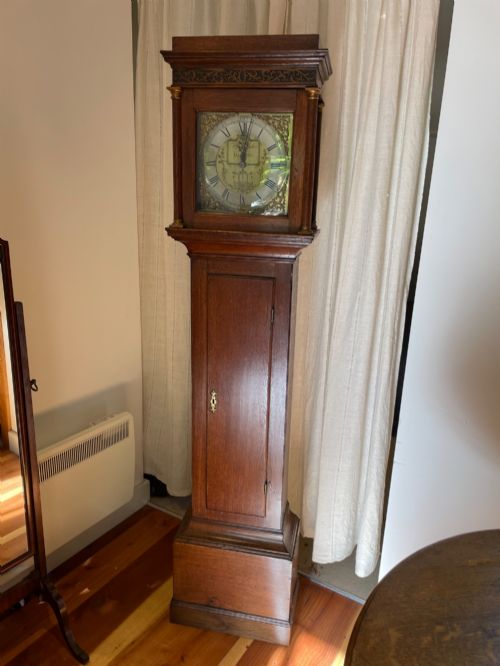
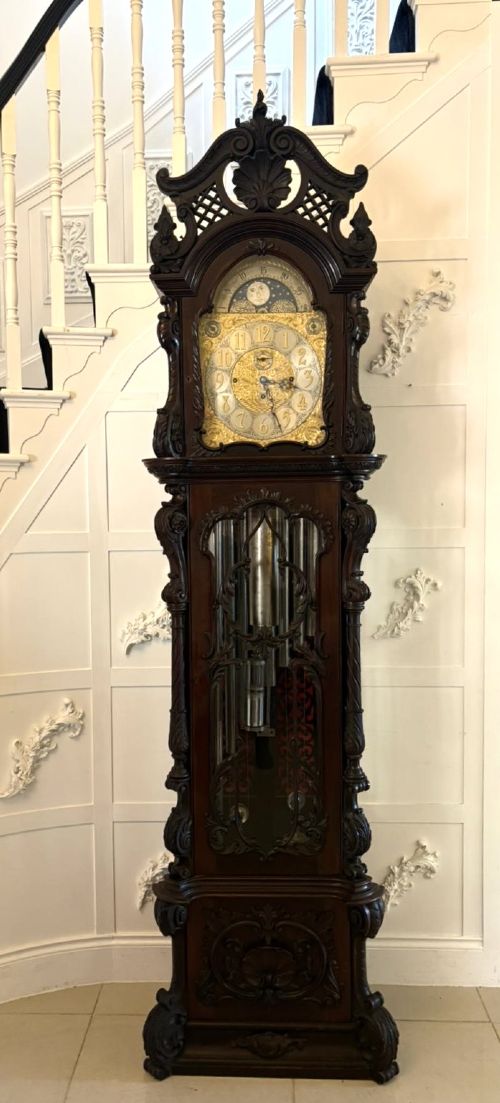
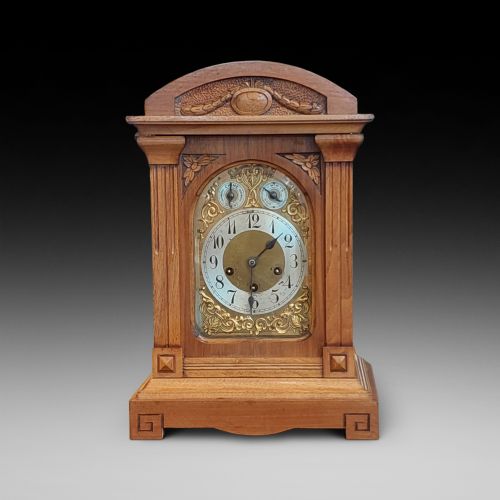
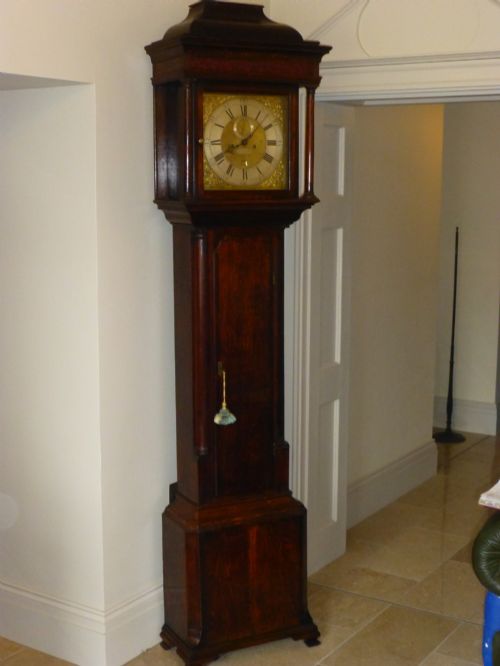
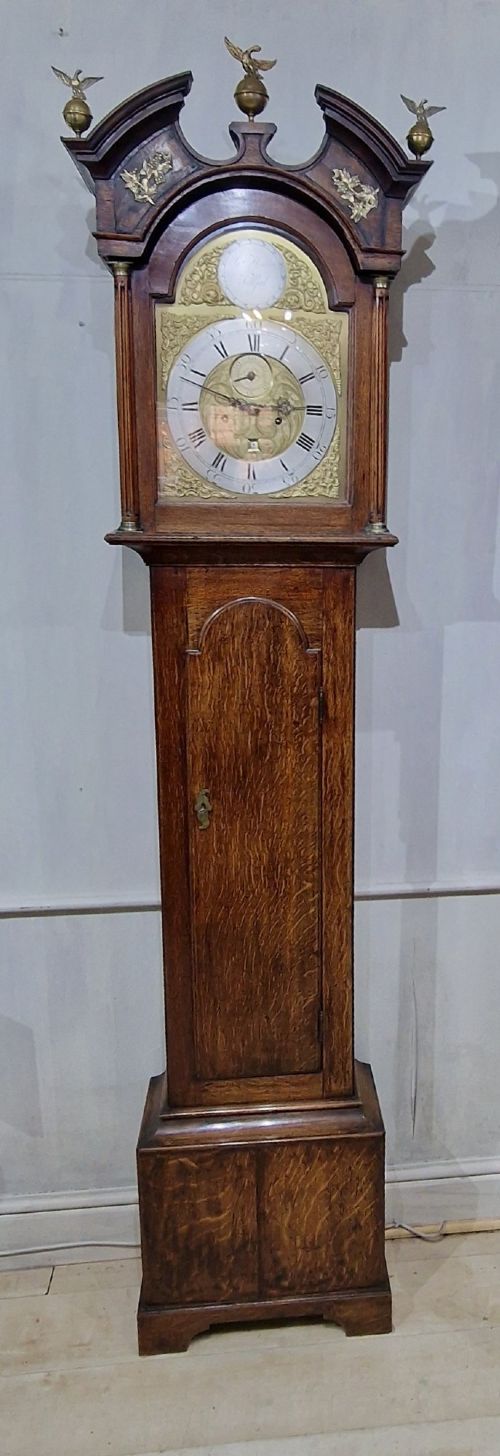
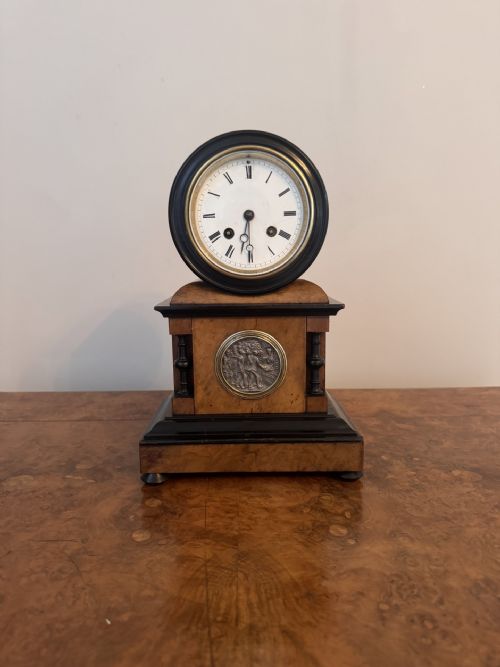
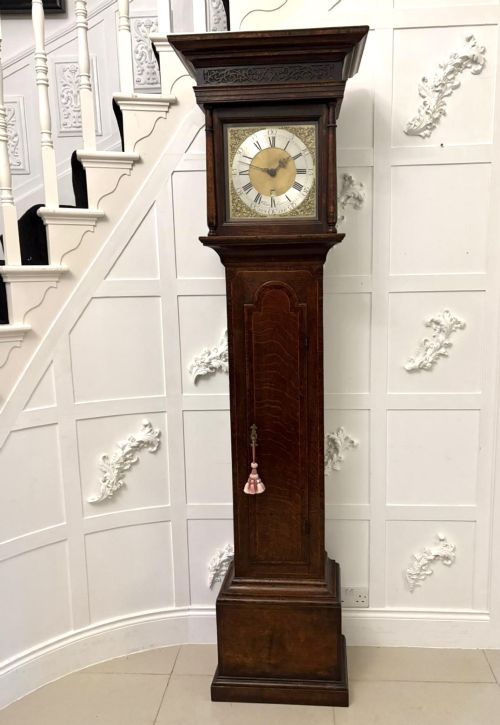
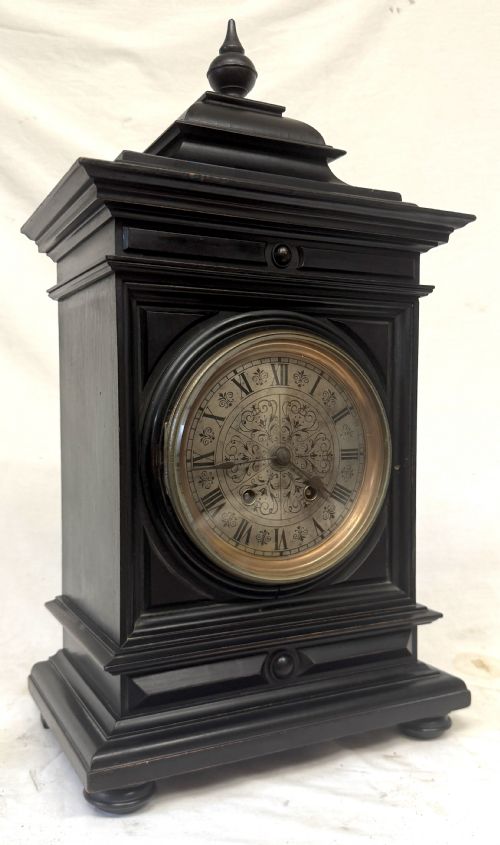
When you search for a carved dial clock, you encounter timepieces spanning the eighteenth, nineteenth and twentieth centuries, originating from British, European and American workshops. The selection ranges from wall-mounted fusee dial clocks to floor-standing longcase clocks and compact mantel pieces.
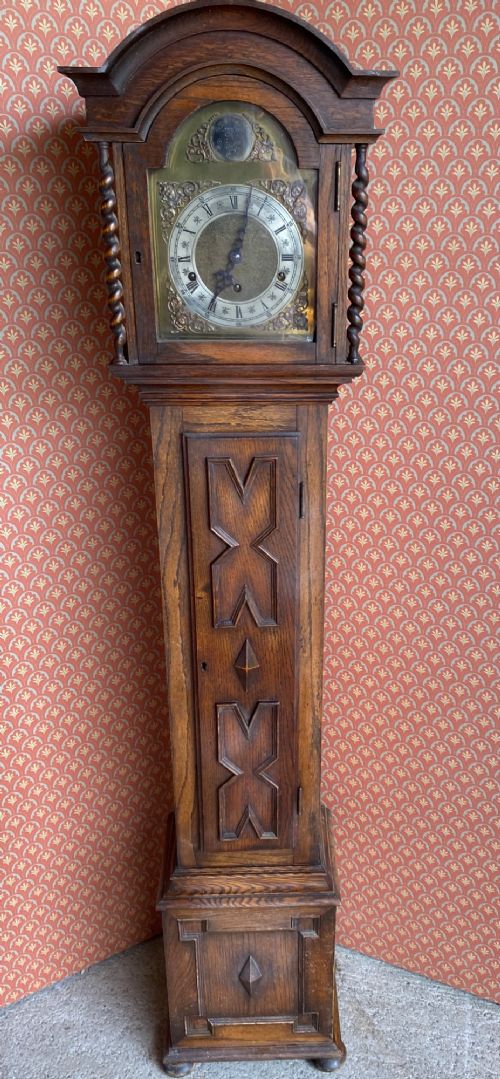
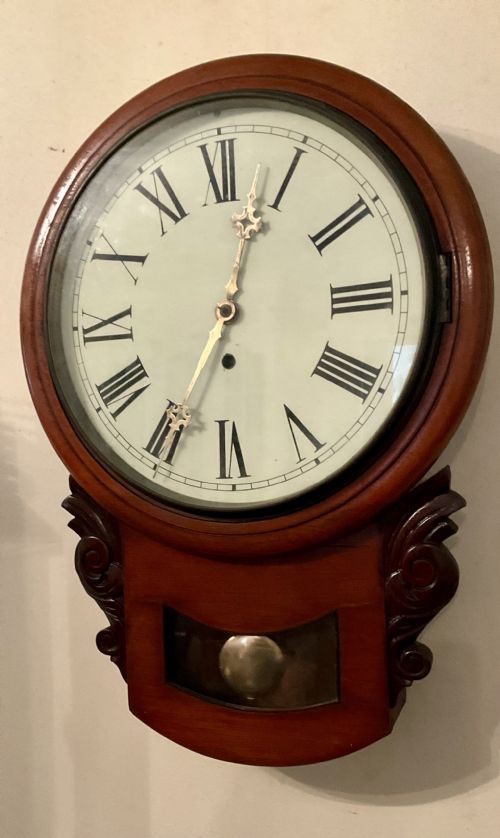
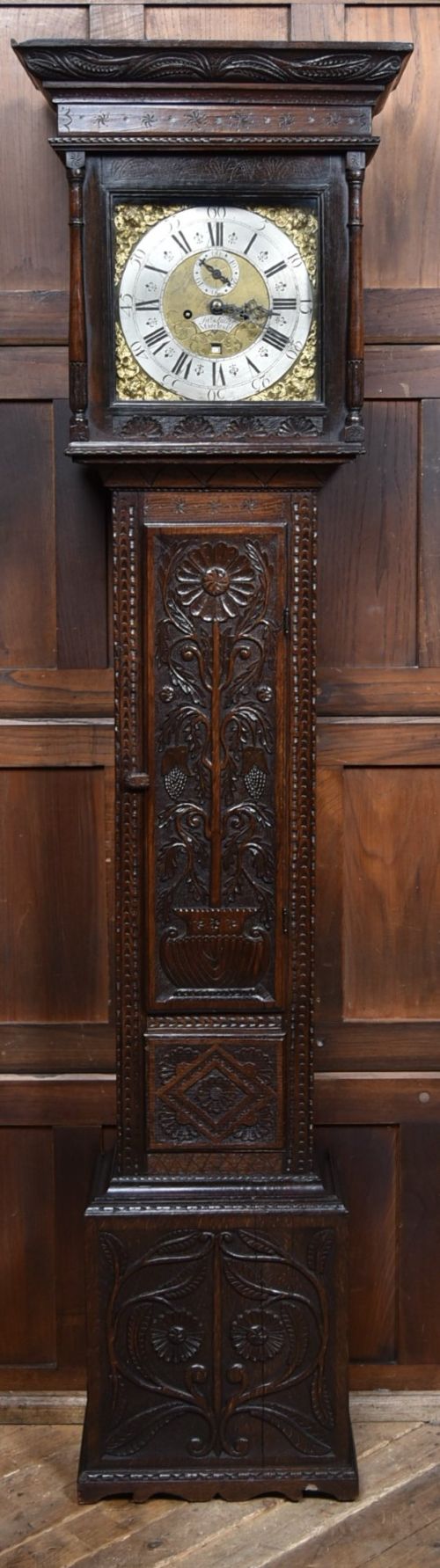
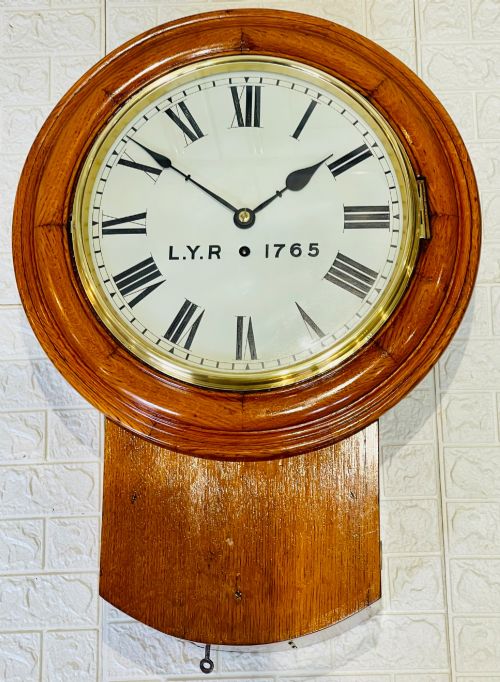
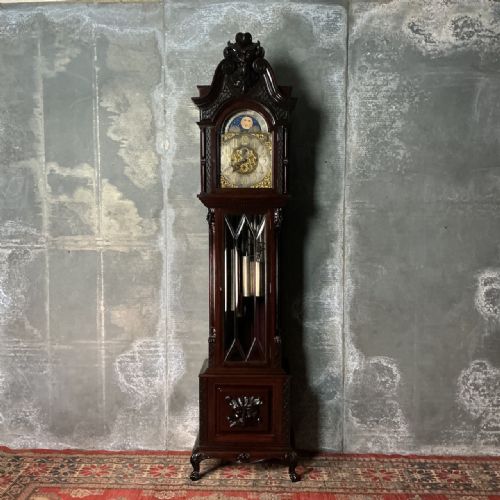
Longcase clocks and drop dial wall clocks form the core of the selection. These pieces utilise timber housings in oak, mahogany and walnut, paired with brass, enamel or wooden dials.
How they were made
Movements rely on weight-driven or spring-driven mechanisms, incorporating fusee setups and chime trains. Dials combine brass, silvered metal, enamel and wood, frequently featuring engraved numerals and signature roundels.
Carved Dial Clock Retail Price Guide 2026
Typical asking prices for carved dial clock among the pieces listed under this phrase on Sellingantiques today, from the lower quarter to the upper quarter. They describe what is for sale here now, not the wider market.
Certain grandmother clocks provide full chiming complexity while occupying half the floor space of their taller grandfather counterparts.
What varies in quality
The standard of a carved dial clock rests upon the crispness of the timber carving and the precision of the internal movement. Finer examples display deeply undercut relief work on the case alongside robust, intricate mechanical movements signed by established makers.
Materials and secondary details differentiate the tiers of production. Solid burr oak, select mahogany and original brass or silvered dials indicate superior craftsmanship compared to simpler regional builds.
Jn° Smith, Macclesfd·Richard Corless of Stockport·James Hendrie, Falkirk·Ellicott & Smith·Winterhalder & Hofmeier·Andrew Thom·Mappin & Webb
The Carved Dial Clock Glossary
- Fusee
- A conical pulley used in mechanical clocks to maintain even tension on the gear train as the mainspring unwinds. This mechanism improves timekeeping accuracy across the power reserve.
- Drop dial
- A wall clock featuring a circular dial mounted above a lower wooden case that houses the pendulum. These units often hang in hallways or public offices.
- Longcase clock
- A tall pendulum clock housed in a wooden case consisting of a hood, trunk and base. They are frequently referred to as grandfather clocks.
- Bracket clock
- A portable spring-driven clock originally designed to sit on a wall bracket or table. Many examples include carrying handles on top.
Carved Dial Clock: Frequently Asked Questions
How do I wind a mechanical dial clock?
Winding requires inserting the appropriate key into the winding holes on the dial face and turning it slowly until resistance indicates full tension.
Care must be taken not to overwind the mainspring, as this can damage the internal gearing.
Where should I place a longcase clock?
These tall floor clocks require a stable, dry interior wall away from direct sunlight and strong temperature fluctuations.
A firm floor surface ensures the pendulum swings evenly and the movement keeps accurate time.
How do I identify a Victorian wall clock?
Victorian wall clocks often feature mahogany or rosewood drop dial cases with fusee movements and painted iron dials.
Stylistic cues draw from nineteenth-century revival periods, frequently incorporating side inspection doors and carved bezels.
What is the difference between a mantel clock and a bracket clock?
Bracket clocks historically denote portable spring-driven timepieces with sturdy carrying handles, designed for furniture placement.
Mantel clocks encompass a broader category of smaller decorative timepieces built to sit upon fireplace mantels.