


Carved Cresting Mirror
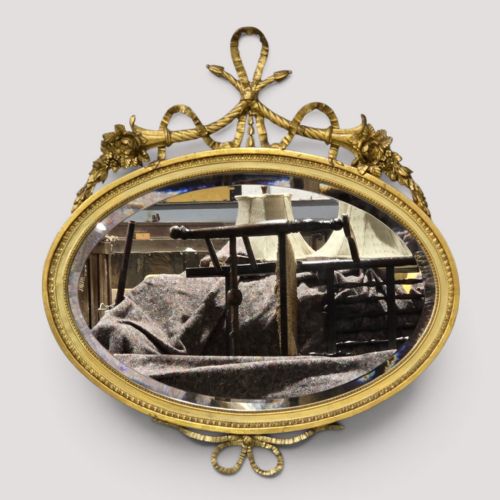
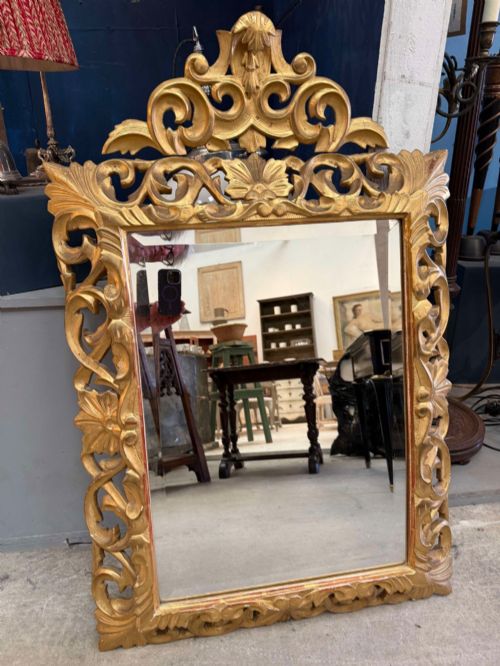
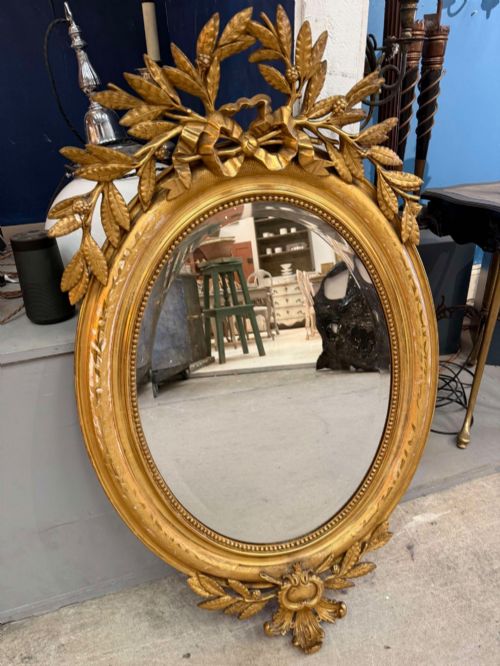
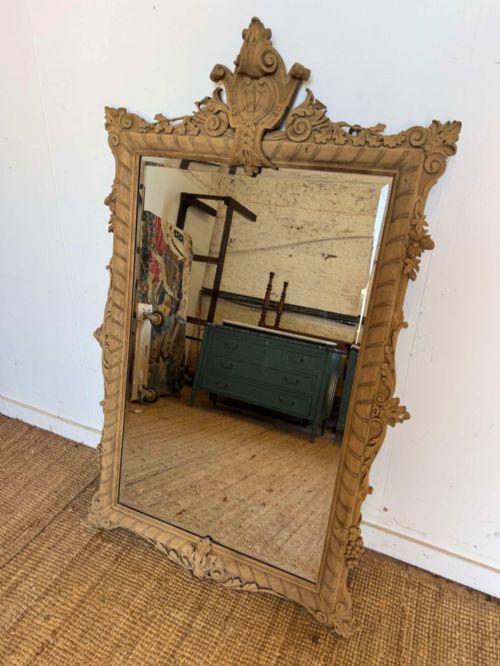
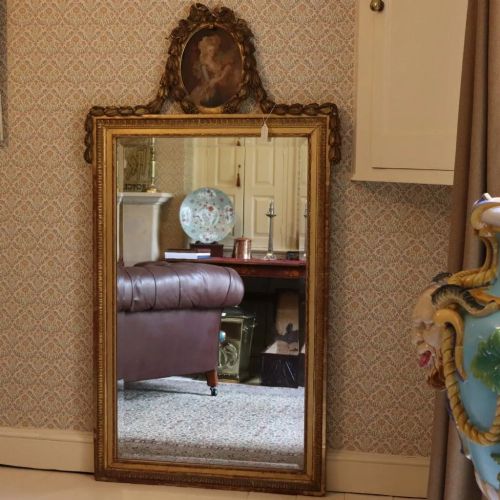
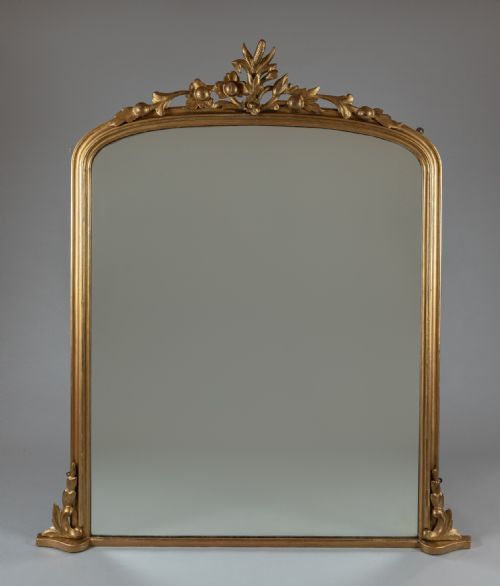
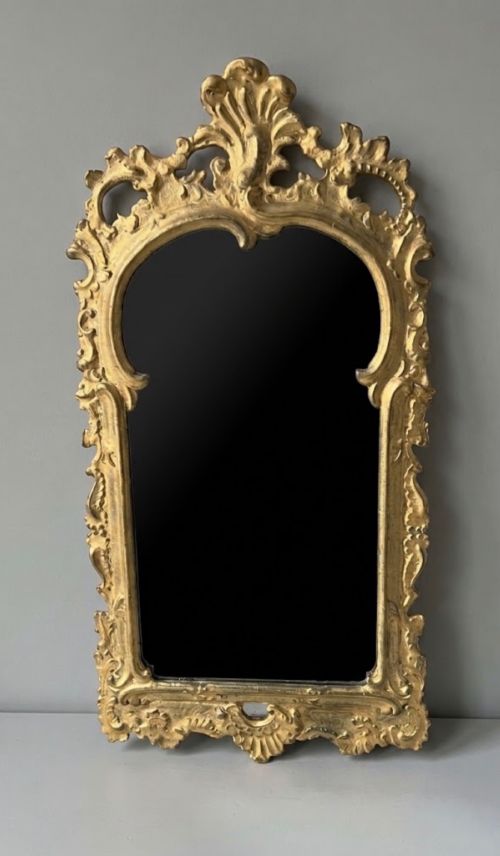
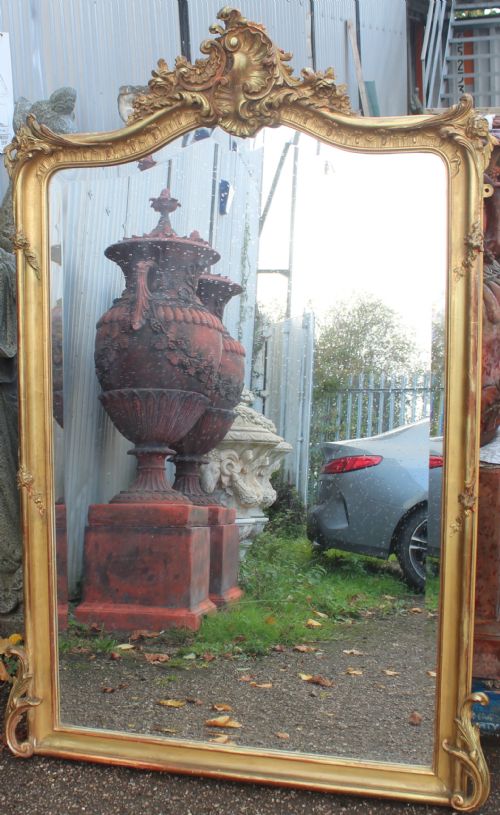
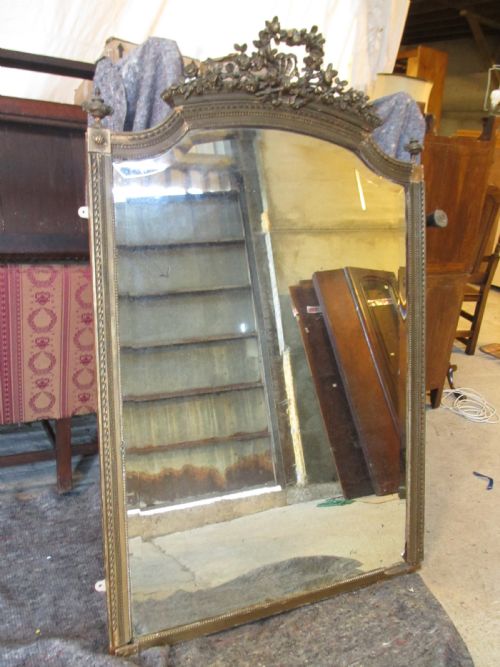
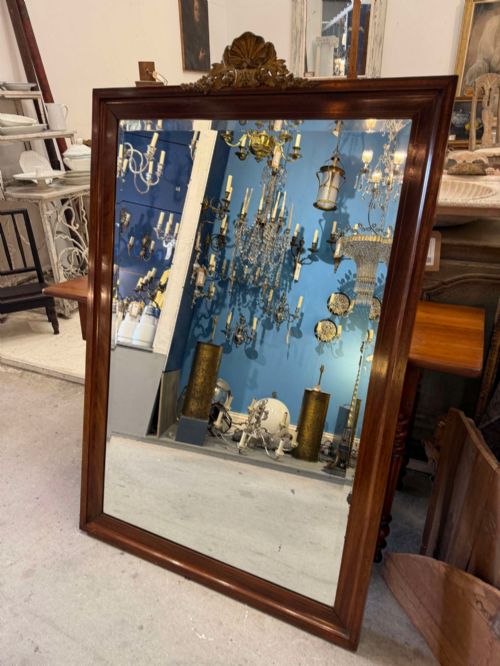
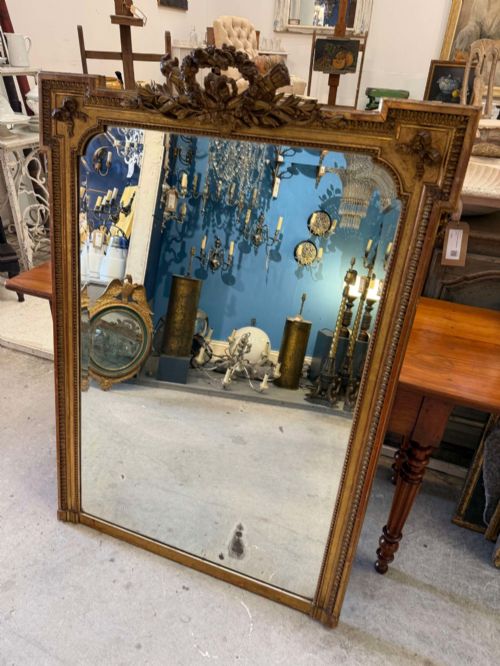
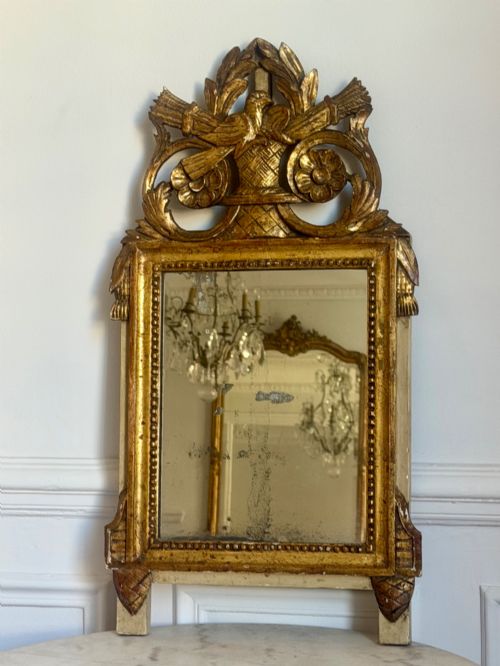
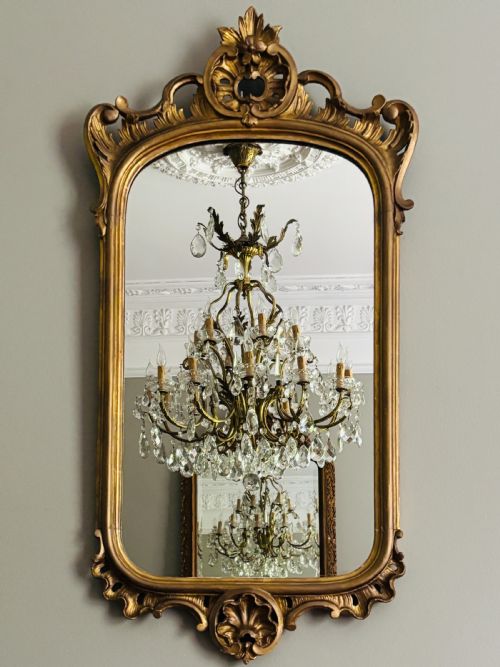
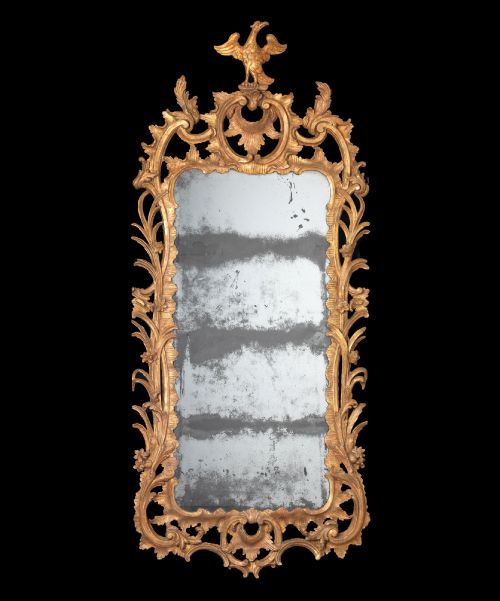
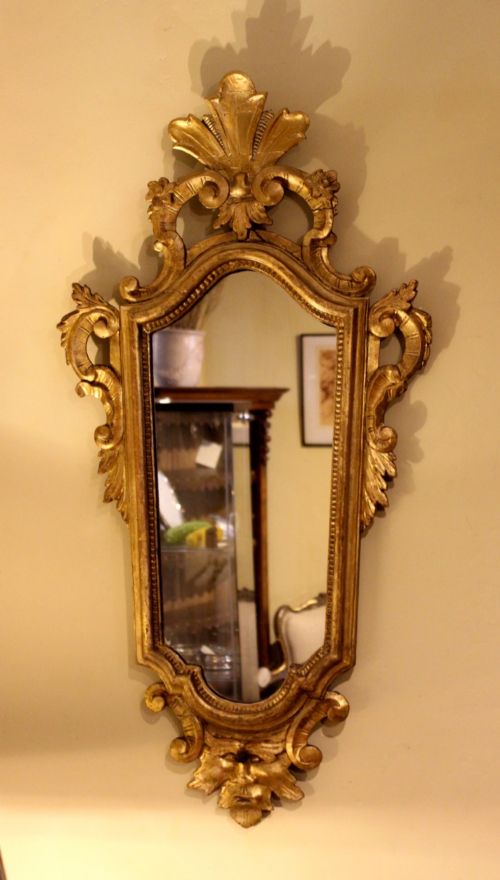
A carved cresting mirror brings a sculptural, decorative wooden crown to the wall, combining ornate woodwork with functional glass.
Carved Cresting Mirror
The styles span Georgian mahogany fretwork, Regency convex forms with eagle surmounts, and heavily gilded French examples from the Louis XVI and Napoleon III periods.
Makers utilised various regional designs, ranging from British Chippendale influenced mahogany frames to elaborate continental giltwood pieces adorned with ribbons, crests, and classical motifs.
Materials and Construction
Makers constructed the structural frames from timbers such as mahogany, oak, and ebonised wood, often applying layers of gesso to build up intricate relief ornaments before gilding them with gold leaf or silver-gilt.
Glass production relied on traditional methods, yielding mercury glass or early bevelled plates that frequently display foxing and age spots after centuries of oxidation.
Carvers shaped the crestings directly from solid wood or moulded them in gesso over a wooden base, securing the top ornaments firmly to the main frame.
Carved Cresting Mirror Retail Price Guide 2026
Typical asking prices for carved cresting mirror among the pieces listed under this phrase on Sellingantiques today, from the lower quarter to the upper quarter. They describe what is for sale here now, not the wider market.
Listings span the 18th century through the 19th century, featuring giltwood, mahogany, and gesso materials across wall, pier, and overmantel forms.
Factors of Quality
The depth, crispness, and undercut detail of the carved wooden or gesso cresting separate standard production from superior craftsmanship, as skilled carvers achieved sharp relief in foliage, birds, and architectural motifs.
The integrity of the original gilding or surface finish dictates much of the visual weight, with layered gold leaf and preserved patination holding greater authority than later repainted surfaces.
The retention of original mirror glass, whether flat or convex, along with traditional backboards and structural joinery, preserves the historical authenticity of the piece.
Gillows Of Lancaster
The Carved Cresting Mirror Glossary
- Cresting
- The decorative upper ornamentation or carved summit of a mirror frame. It often depicts eagles, ribbons, floral swags, or Rococo scrolls.
- Gesso
- A plaster-like mixture applied to wooden frames and carved to create raised decorative details before gilding. It provides a smooth base for gold leaf.
- Convex Mirror
- A circular mirror with a curved, outward-bulging glass plate that offers a wide-angle reflection of the room. They frequently feature eagle surmounts and candle arms.
- Overmantel Mirror
- A wide horizontal mirror designed to hang specifically above a fireplace mantelpiece. They dominate the wall space with elaborate framing.
- Pier Mirror
- A tall, narrow mirror designed to hang on the wall space between windows. They often match console tables and elongate the perceived height of a room.
Carved Cresting Mirror: Frequently Asked Questions
Where should I hang a carved cresting mirror?
These mirrors work best anchored securely above a principal focal point such as a fireplace mantel, a sideboard, or in a hallway where the top cresting has adequate vertical clearance to be fully appreciated.
Because many examples are substantial in weight, they require solid wall fixing into masonry or direct stud placement to support the heavy wooden and gesso frames safely.
How do I distinguish Regency convex mirrors?
Regency convex mirrors are typically circular, framed in gilded wood, and feature a spherical glass plate that reflects a panoramic view of the interior. They often incorporate a carved eagle surmount at the top and black ebonised reeding around the inner bezel.
Earlier 19th-century versions maintain crisp gesso enrichments on the frame and sometimes include integrated candle sconces branching out from the sides for added illumination.
What is foxing on antique mirror glass?
Foxing refers to the small brown spots, clouding, and discoloration that develop behind the glass as the silver or mercury backing oxidises over long periods. This chemical ageing process creates a mottled, atmospheric reflection unique to genuine antique plates.
Many collectors prize original foxed glass because it confirms the antiquity of the mirror and adds a soft, historic quality that modern replacement glass cannot replicate.
How do I care for antique giltwood?
Giltwood frames require gentle dusting with a soft, dry brush to prevent dirt from settling into the intricate crevices of the carved gesso and gold leaf. Avoid using commercial cleaning sprays, wet cloths, or abrasive materials, which can strip away the delicate metallic surface.
Keep the mirror away from direct sunlight and excessive humidity fluctuations to prevent the underlying wood and gesso from expanding, cracking, or losing adherence.