
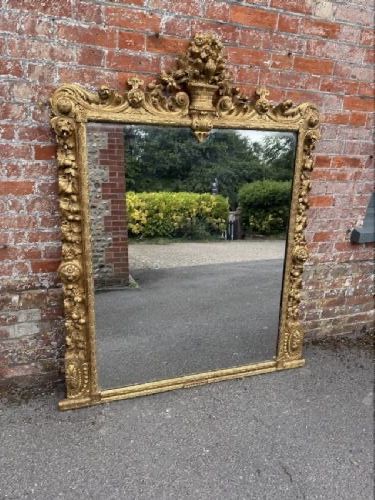
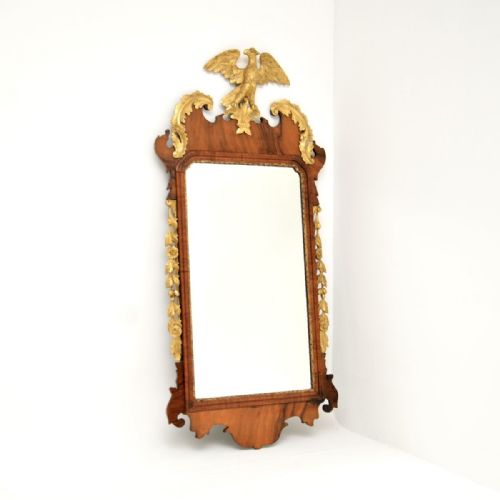
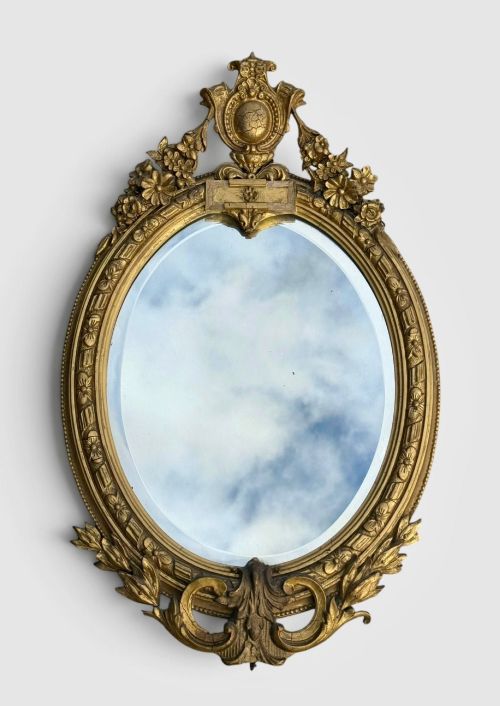
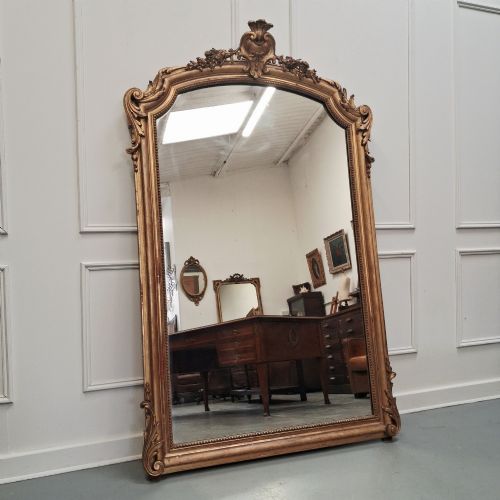
Carved Cresting Gilt Mirror
A carved cresting gilt mirror brings immediate depth and reflected light to a room through traditional craftsmanship.
Carved Cresting Gilt Mirror
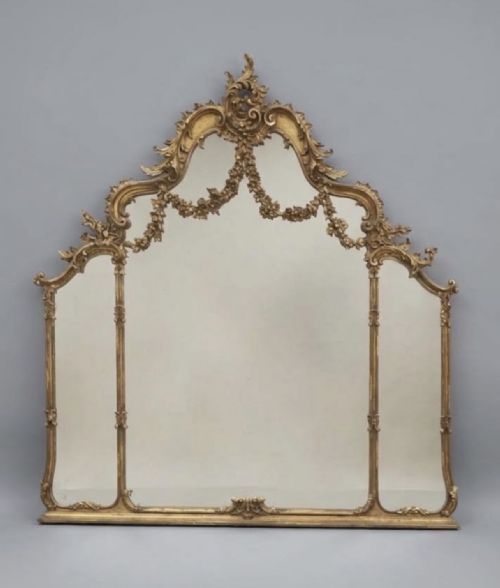
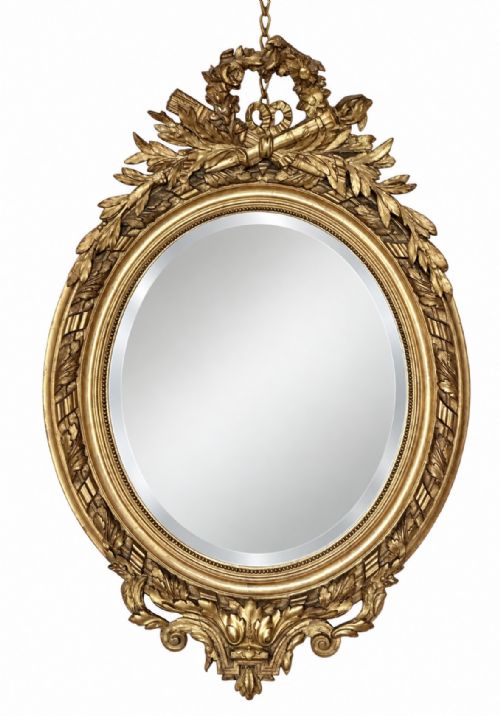
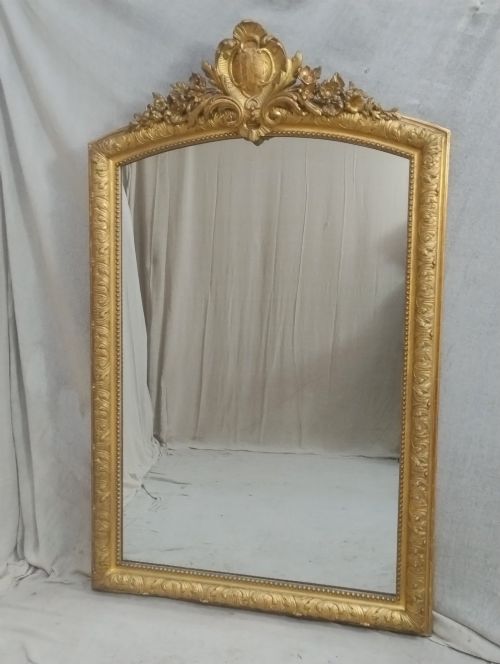
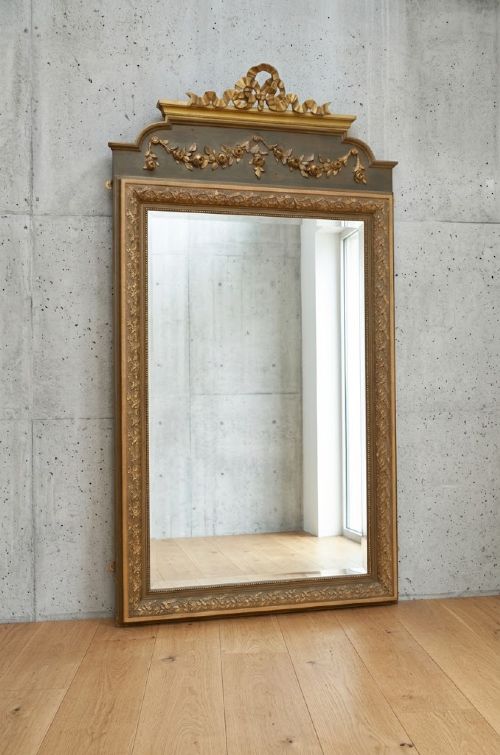
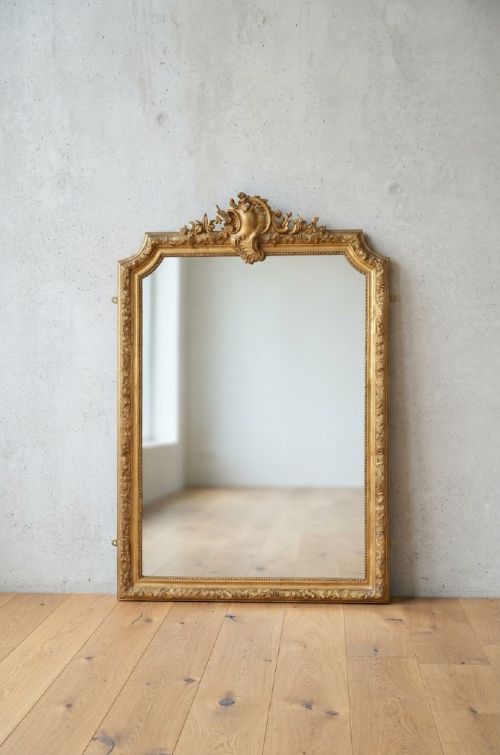
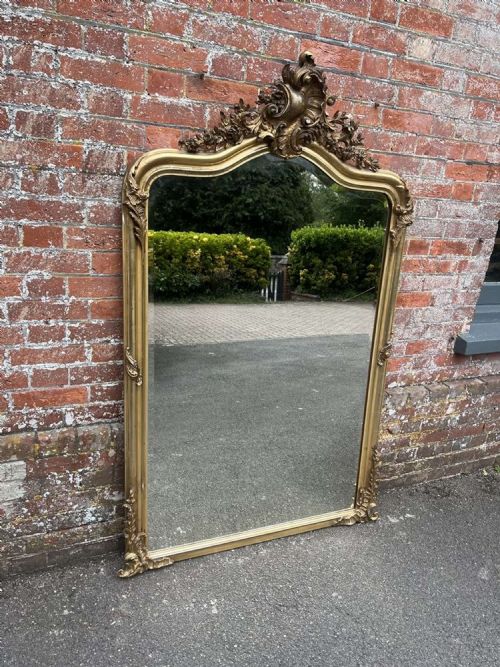
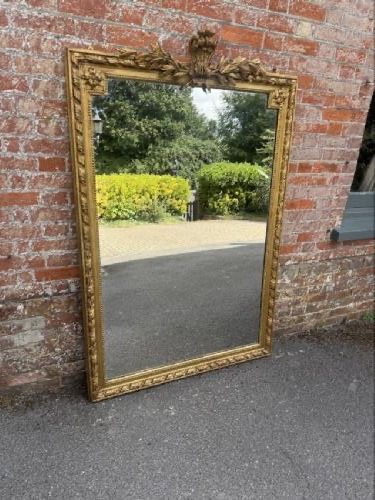
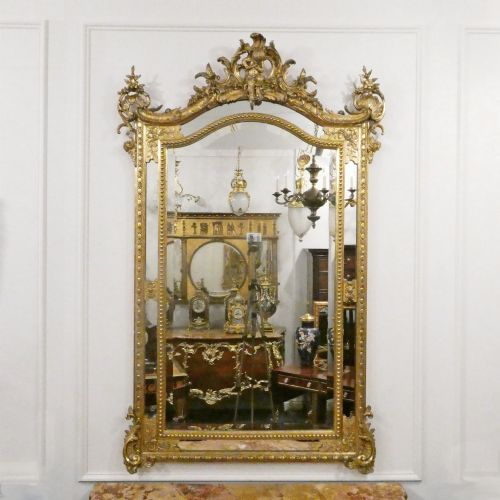
A carved cresting gilt mirror is a decorative looking glass defined by its ornamented top frame, designed to command attention above a mantelpiece or console. These items range from grand overmantel mirrors to compact wall-hanging pieces produced across several centuries.
Buyers examining this selection encounter various historical periods, predominantly from the eighteenth, nineteenth, and early twentieth centuries. French and English aesthetics dominate the available forms, spanning styles from Georgian and Regency to Victorian and Louis XVI.
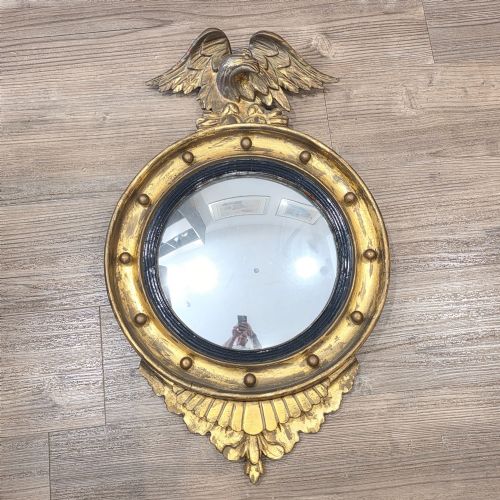
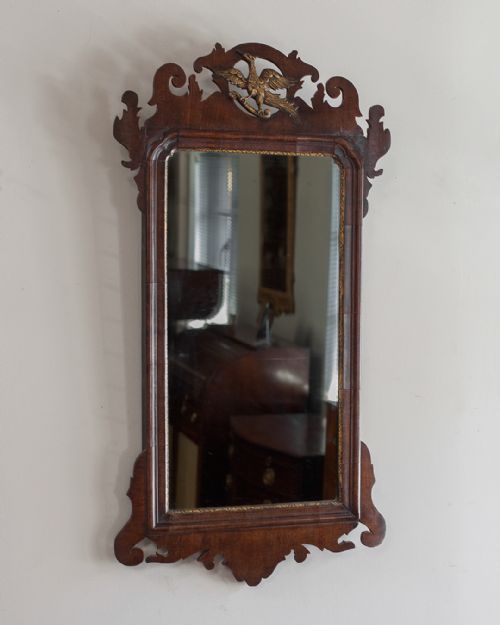
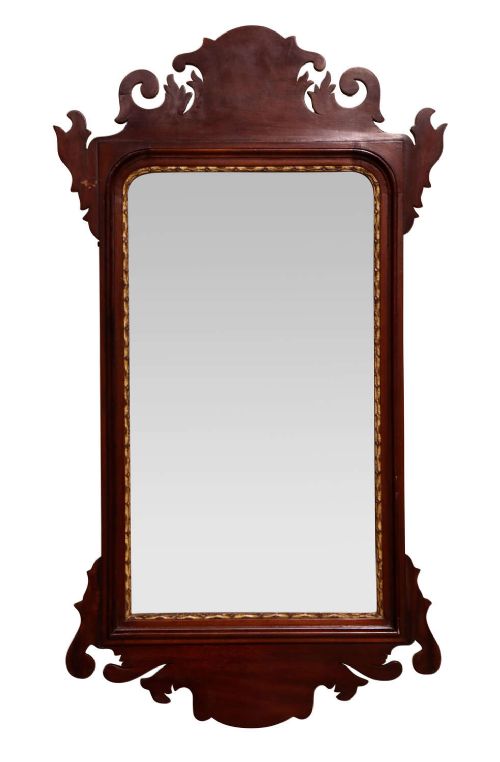
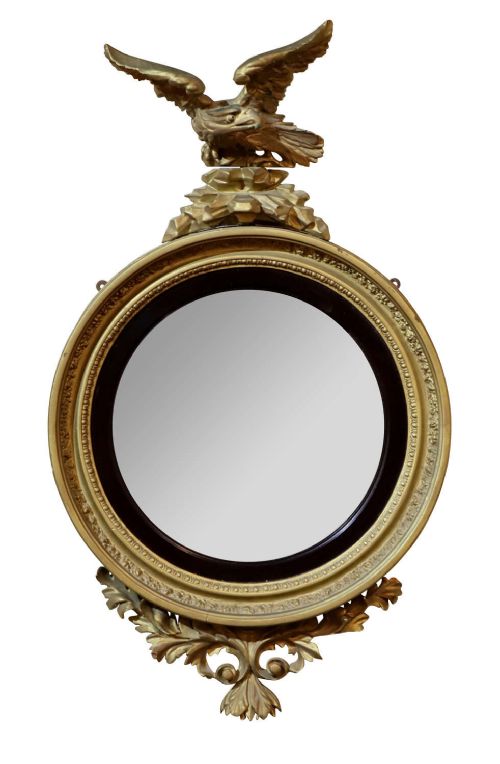
Common formats include convex circular glasses with eagle surmounts, mahogany fretwork pieces, and large architectural overmantels with elaborate gesso ornamentation. Each variation offers a distinct silhouette defined by its carved wooden crest.
How they were made
The primary construction relies on timber frames carved from woods such as mahogany or pine, which provided a stable foundation for decorative embellishments. Artisans applied layers of gesso - a mixture of plaster and glue - onto the wood to build up intricate relief motifs and crests.
Gilding techniques involved applying thin sheets of gold leaf or silver-gilt over the prepared gesso surfaces, often burnished to achieve a brilliant metallic sheen. Ebonised finishes and painted accents also appear, contrasting against the bright gilded details of the carved crests.
Mirror plates were traditionally produced using mercury glass in earlier periods before transitioning to modern silvered plate glass. Original plates frequently display foxing, which manifests as dark spots and minor silver degradation accumulated over centuries of oxidation.
Listings feature items spanning from the eighteenth century through the Victorian era to the early twentieth century, incorporating glass, giltwood, gesso, and mahogany.
What varies in quality
The sophistication and depth of the hand-carved cresting set the finest examples apart from simpler productions, as skilled carvers achieved remarkable crispness in foliage, birds, and architectural motifs. The precision of the gesso application beneath the gilding determines how well the intricate details survived centuries of cleaning and atmospheric changes.
The integrity of the original gilt surface dictates much of the visual character, distinguishing pieces that retain their genuine gold leaf from those with heavy later touch-ups. Original mercury glass plates with natural foxing hold distinct appeal for collectors who value untouched period authenticity.
Proportion and structural joinery define the overarching standard of the frame, ensuring the heavy glass remains securely housed within the timber carcass. Superior examples demonstrate harmonious balance between the upper crest and the main mirror plate.
The Carved Cresting Gilt Mirror Glossary
- Cresting
- The decorative upper ornamentation of a mirror frame, often carved into motifs such as eagles, ribbons, or floral sprays. This focal point sits above the main glass plate.
- Gesso
- A plaster-like material applied to wooden frames as a smooth base for gilding. It allowed artisans to carve and mould intricate relief designs before applying gold leaf.
- Convex mirror
- A round looking glass with a curved surface that provides a wide-angle reflection of the interior space. These are frequently surmounted by carved eagles or creatures.
- Foxing
- The natural ageing process in antique mirror glass where oxidation creates characteristic dark spots and speckles. This chemical reaction develops within the plate over long periods.
- Overmantel mirror
- A large horizontal mirror specifically designed to hang above a fireplace mantel. These pieces often feature elaborate crests to fill the vertical wall space.
Carved Cresting Gilt Mirror: Frequently Asked Questions
How do I hang a heavy antique mirror safely?
Heavy frames require secure wall fixings distributed evenly into structural studs or solid masonry using appropriate brackets. Professional mirror hangers should assess the weight and frame construction before installation.
Ensuring the hanging wire or integrated D-rings are robust enough to support the mass prevents accidental displacement or damage to the historic timber.
What is the difference between an overmantel and a pier mirror?
Overmantel mirrors are traditionally wider than they are tall, built to sit horizontally above a fireplace mantelpiece. They anchor the room by reflecting the hearth area and surrounding furnishings.
Pier mirrors are typically tall and narrow, designed to hang vertically on the narrow wall space between two windows. Their slender proportions maximise reflected light in darker architectural settings.
Why do some mirror plates look cloudy or spotted?
Cloudiness and dark spots indicate foxing, a natural chemical reaction that occurs as the backing of the mirror oxidises over decades. This ageing process confirms the historic nature of the glass plate.
Many collectors prize genuine foxed glass for the atmospheric character and authentic period appearance it imparts to the antique.