


Carved Crest Armchair
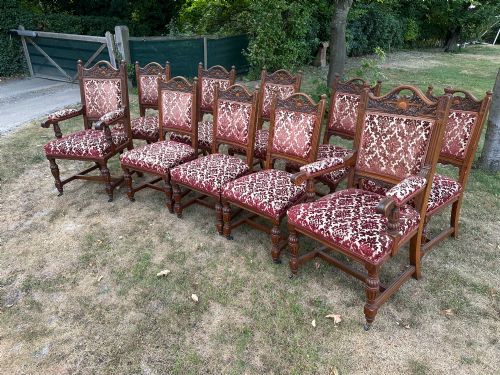
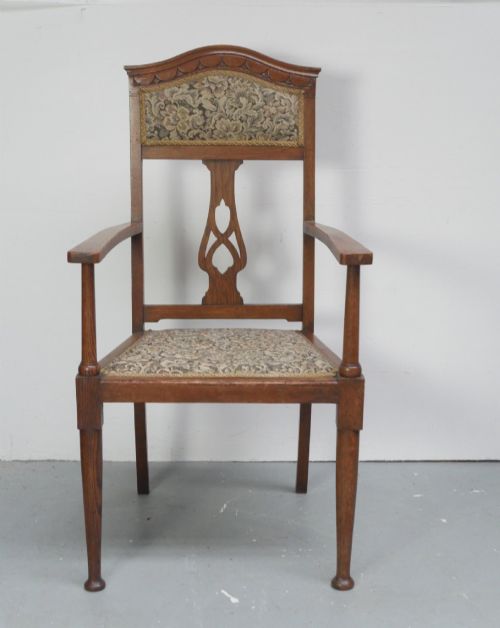
A carved crest armchair brings sculptural woodwork and solid seating into a room, spanning periods from the seventeenth century through to the Edwardian era.
Carved Crest Armchair
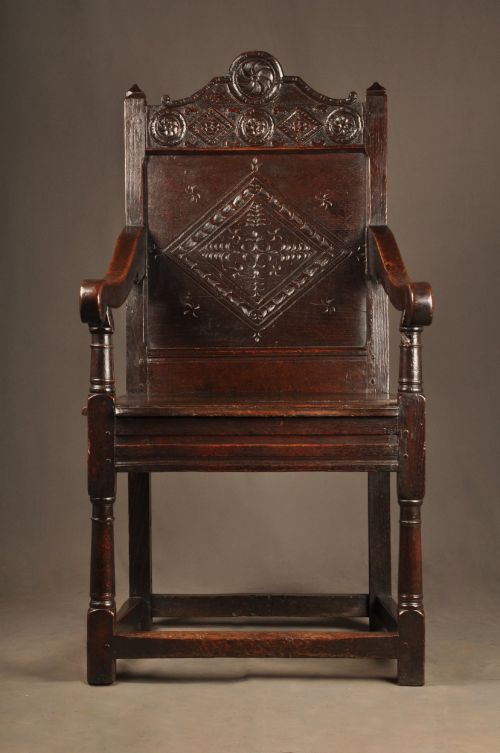
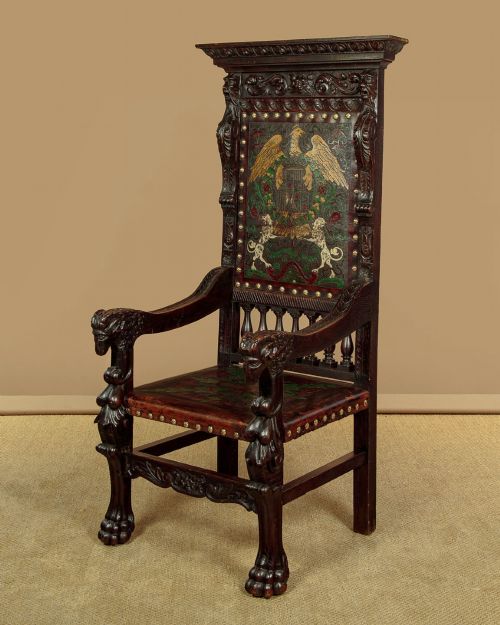
A carved crest armchair is a seating form defined by ornament at the top rail of the backrest, appearing in forms from wainscot and dining chairs to library armchairs and salon seats.
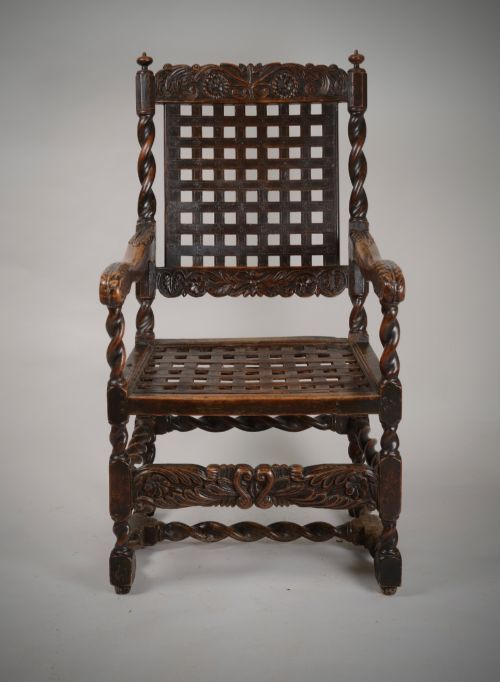
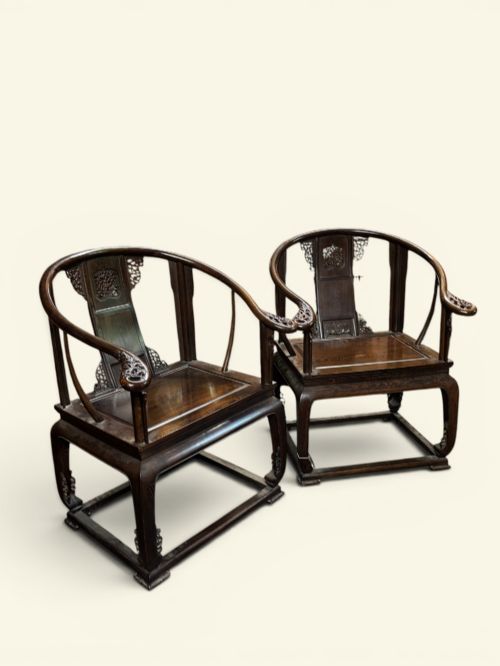
The pieces on this page originate across several centuries, including seventeenth-century wainscot examples, Georgian and Regency mahogany carvers, and later Victorian and Edwardian interpretations.
Buyers encounter substantial timber frames alongside lighter upholstered occasional chairs, each utilising carved crest rails to provide decorative focus to the top of the chair back.
How they were made
Construction relies heavily on timbers such as oak, walnut, mahogany, and rosewood, shaped using traditional joinery and turned elements like barley twists.
Carving is applied directly to the solid wood crest rails and splats, whilst upholstered variants incorporate leather, fabric, and velvet secured over padding.
Carved Crest Armchair Retail Price Guide 2026
Typical asking prices for carved crest armchair among the pieces listed under this phrase on Sellingantiques today, from the lower quarter to the upper quarter. They describe what is for sale here now, not the wider market.
Listings feature oak, mahogany, walnut, and rosewood alongside periods ranging from the seventeenth century to the Edwardian era.
What varies in quality
The depth, crispness, and complexity of the hand-carving on the crest rail separate standard production from finer craftsmanship.
The choice of primary timber and the integrity of the original framing, whether heavy oak or figured walnut and mahogany, determine the distinction between ordinary and superior pieces.
Henry Thomas Peters of Genoa
The Carved Crest Armchair Glossary
- Crest rail
- The top horizontal member of a chair back, often the primary location for decorative carving in these pieces.
- Wainscot chair
- An early wooden armchair, predominantly constructed of oak with panelled backs, originating in the seventeenth century.
- Carver armchair
- A term used to describe an armchair, often designed <i>carver</i> style to match a set of dining chairs.
- Turned
- Wood shaped on a lathe, producing decorative columns, spindles, or structural stretchers found on many oak and beech frames.
Carved Crest Armchair: Frequently Asked Questions
What defines a carved crest armchair?
A carved crest armchair is characterised by ornamental woodwork applied to the topmost horizontal rail of the chair back. This sculptural detail distinguishes standard seating from more elaborate decorative chairs.
These pieces span multiple centuries and styles, ranging from early oak wainscot chairs to later mahogany and rosewood library models.
How do I identify a seventeenth-century wainscot chair?
Seventeenth-century wainscot chairs are constructed primarily from solid oak with heavy panelled backs and substantial wooden arms. They often feature deep hand-carved crest rails and sturdy turned legs.
These early forms reflect regional English cabinet-making traditions, such as Lancashire or Yorkshire origins, prior to the introduction of extensive upholstery.
Where should I place a carved crest armchair?
These armchairs function well as accent pieces in hallways, studies, or living rooms where their carved woodwork remains visible. They also serve as desk chairs or end seats at a dining table.
Pairing them with appropriate room lighting highlights the depth and detail of the timber carving on the crest rail.
Are these chairs suitable for daily use?
Many solid timber and upholstered variants remain sturdy enough for regular seating, though older frames benefit from careful weight distribution. Upholstered library and salon chairs offer softer seating whilst retaining rigid structural frames.
Maintenance involves regular dusting of the carved wooden crests and appropriate conditioning for leather or fabric surfaces.