

Carved Cabriole Bench
A carved cabriole bench brings nineteenth-century seating form into domestic rooms through shaped timber frames and upholstered surfaces.

Carved Cabriole Bench
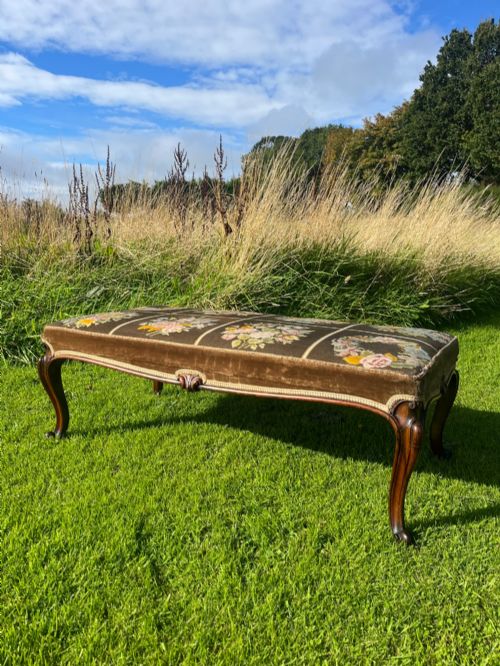
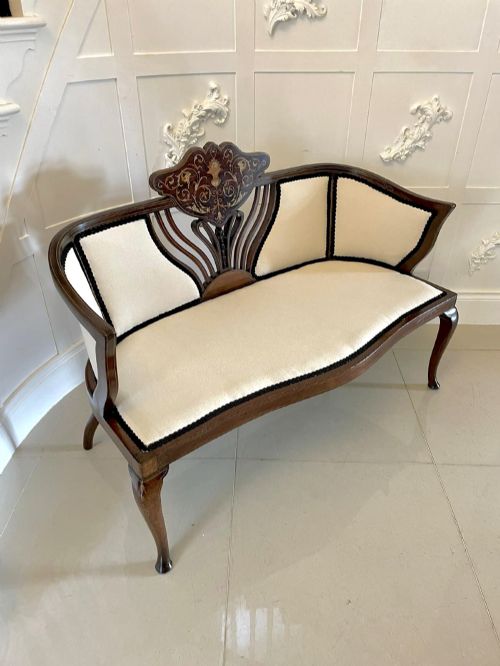
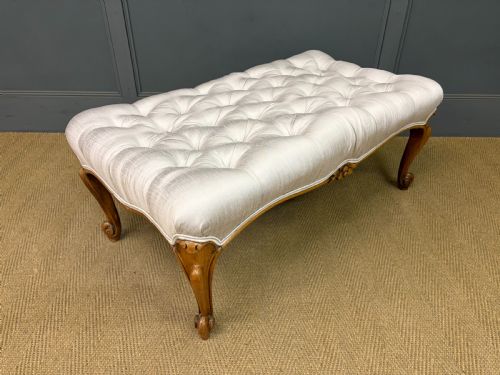
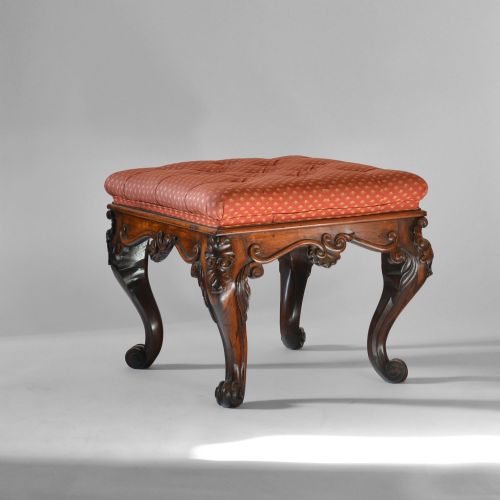
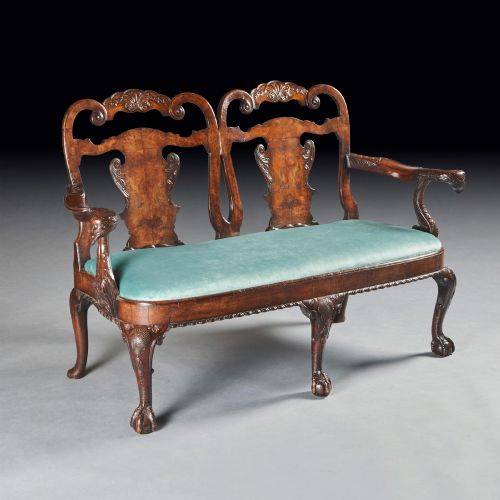
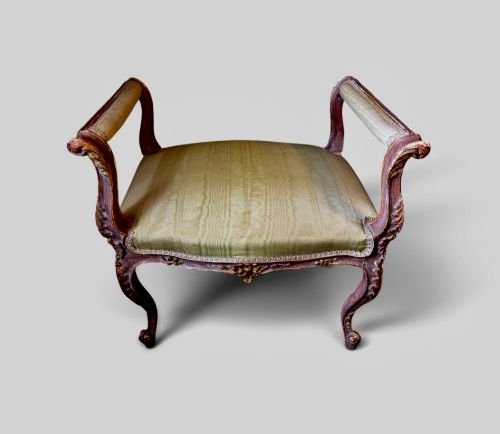
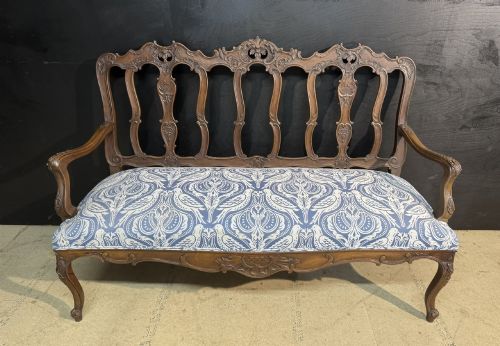
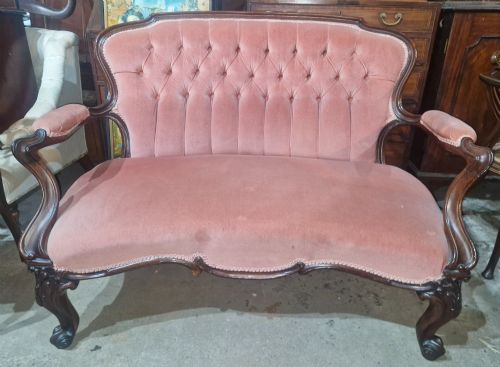
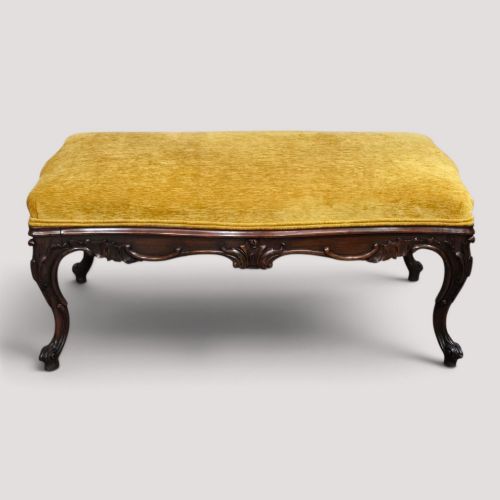
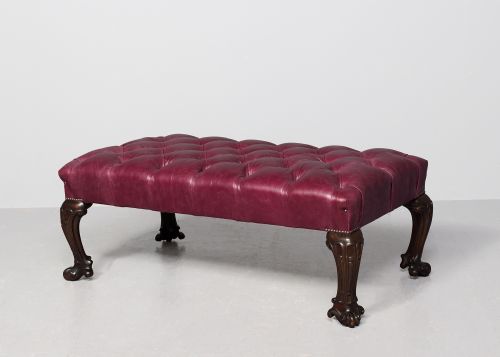
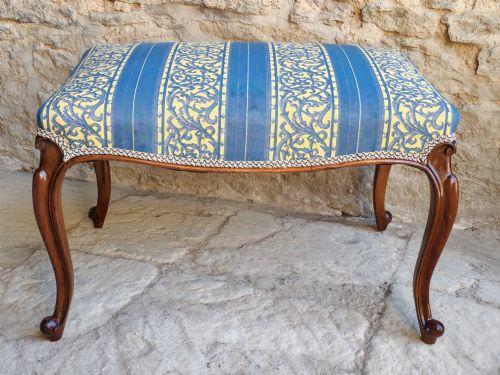
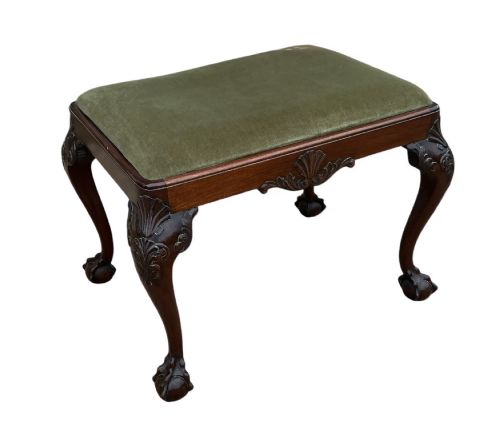
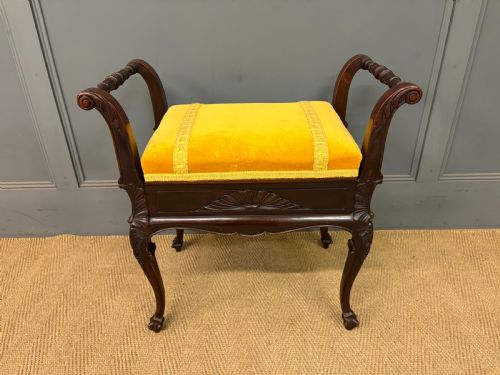
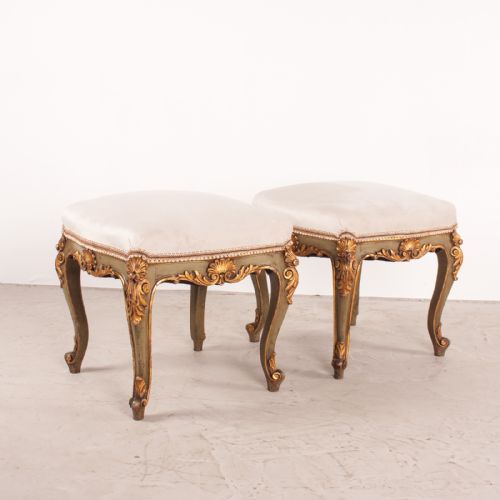
A carved cabriole bench groups together seating forms that share the distinctive curving leg design, appearing primarily as nineteenth-century stools, window seats, and settees. Buyers examining these items encounter pieces originating from Victorian, Edwardian, and eighteenth-century revival periods.
The selections span small dressing table stools and large centre stools alongside multi-seater sofas, constructed in woods like mahogany, walnut, and rosewood. Upholstery covers fabric, velvet, textile, and wool surfaces, often retaining period needlepoint or buttoned leather.
Revival styles dominate the offerings, referencing Georgian, Queen Anne, Rococo, and Chippendale designs through carved frame details. These forms function in modern interiors as footstools, window seats, and primary seating.
Materials and construction methods
Frames rely on dense hardwoods, specifically mahogany, walnut, and rosewood, chosen for strength in supporting carved cabriole legs and scrollwork. Cabinetmakers shaped these timbers by hand, incorporating applied giltwood, painted finishes, and cane panels in specific continental and English pieces.
Upholstery techniques involve webbing, stuffing, and textile covering using fabric, velvet, wool, and hide, secured with brass tacks. Joinery techniques unite seat rails and legs, with carving applied directly to the solid wood components before finishing.
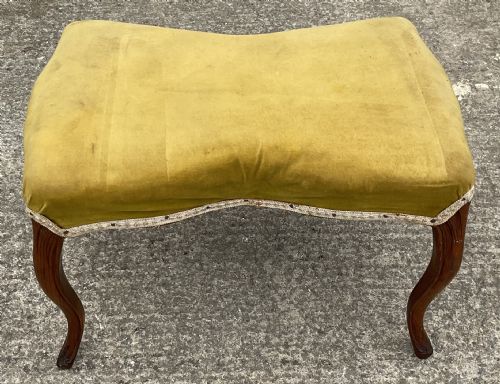
Certain walnut stools retain their original fabric, bearing the silent testimony of nineteenth-century footfalls and parlour habits.
Assessing craftsmanship and execution
Quality rests in the depth and crispness of the wood carving upon the cabriole legs and frame rails, where sharp detail distinguishes superior work from soft execution. The choice of primary timber, such as figured walnut or dense mahogany, dictates the visual weight and structural integrity of the frame.
The proportion between the scroll of the leg and the line of the seat rail governs the visual balance of the piece. Integration of original upholstery materials and preserved fabric adds historical weight compared to later re-webbing.
Giles Grendey
The Carved Cabriole Bench Glossary
- Cabriole leg
- A furniture leg that curves outward at the knee and tapers inward at the ankle, ending in a pad, hoof, or claw foot. This form derives from animal limbs and defines many eighteenth- and nineteenth-century seating designs.
- Window seat
- An elongated stool or small bench designed to fit within the recess of a window. These pieces typically feature upholstered tops and carved wooden frames.
- Rococo revival
- A nineteenth-century design style mimicking the asymmetrical curves, C-scrolls, and naturalistic shell motifs of the mid-eighteenth century. Furniture in this style displays heavy carving and flowing lines.
- Giltwood
- Timber coated with a thin layer of gold leaf or metallic powder over a prepared gesso ground. This finish appears on decorative frames and seating from various revival periods.
- Centre stool
- A large, freestanding stool finished on all sides for placement in the middle of a room rather than against a wall. These items often function as low tables or substantial footrests.
Carved Cabriole Bench: Frequently Asked Questions
What rooms suit a carved cabriole bench?
These pieces fit living rooms as centre stools or footrests, and bedrooms as dressing table seats. Their compact footprints also allow placement in hallways and window recesses.
Larger settees function as primary seating in sitting rooms, providing long upholstered surfaces supported by carved wooden frames.
How do I identify the period of a carved cabriole bench?
Dating relies on timber selection, carving styles, and structural joinery methods visible beneath the frame. Victorian and Edwardian pieces often revive earlier Georgian or Queen Anne motifs while retaining nineteenth-century construction traits.
Secondary woods and upholstery remnants further clarify the manufacturing era, distinguishing genuine nineteenth-century work from later twentieth-century revivals.
Are these benches sturdy enough for daily seating?
Hardwood frames made from mahogany, walnut, or rosewood provide substantial structural strength for regular use. Solid joinery at the knee and seat rail joints ensures stability.
Period pieces benefit from checking the internal webbing and frame tightness to ensure safe weight support during daily domestic activities.
What is the difference between a stool and a window seat?
Stools provide simple, open platforms for sitting or resting feet, whereas window seats typically feature elongated proportions matched to architectural recesses. Window seats frequently incorporate low backs or arm rests.
Both forms share cabriole leg structures and upholstered tops, but window seats serve specific spatial functions near glazing.