

Carved Brass Box
A carved brass box brings tactile weight and intricate surface detail to any interior, housing everything from personal letters to precious trinkets.
Carved Brass Box
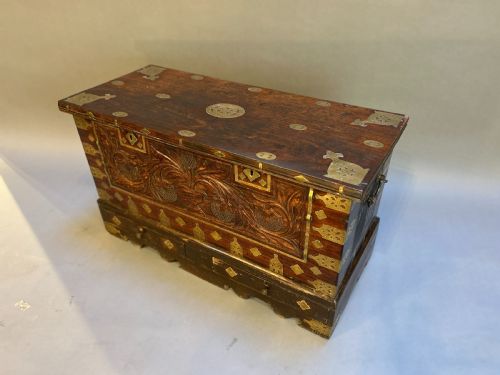
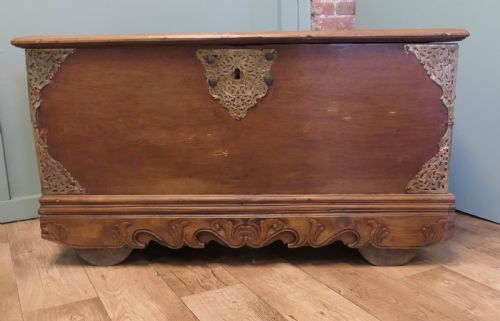
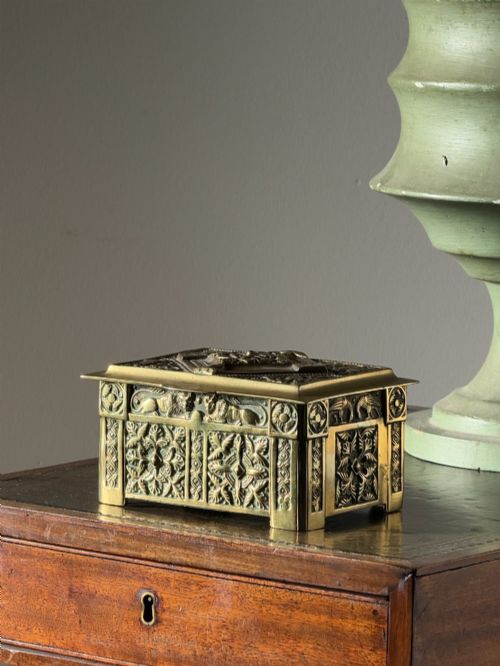
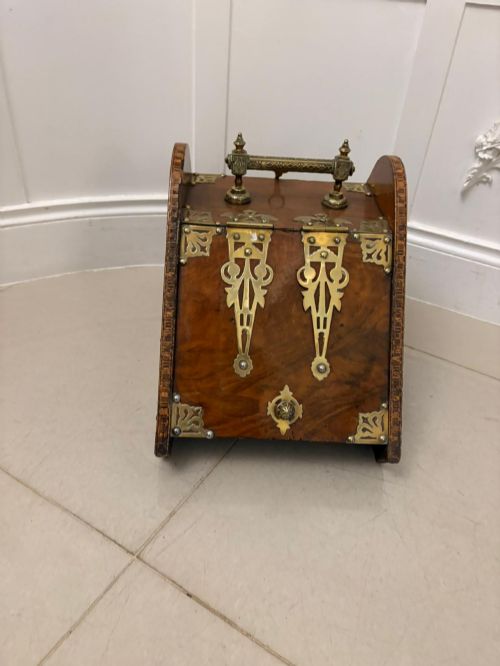
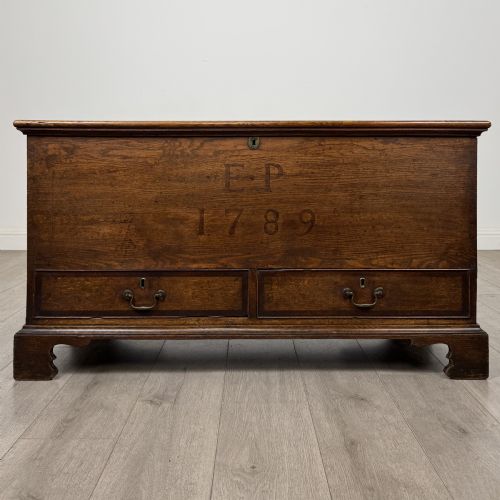
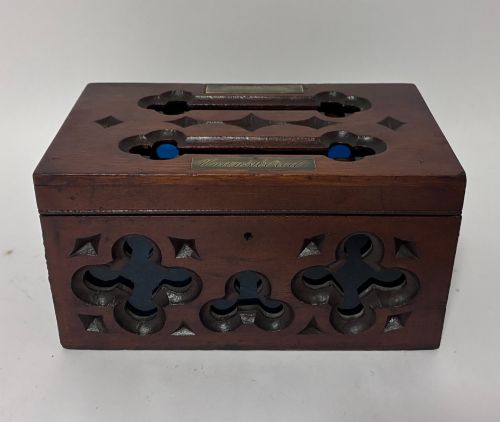
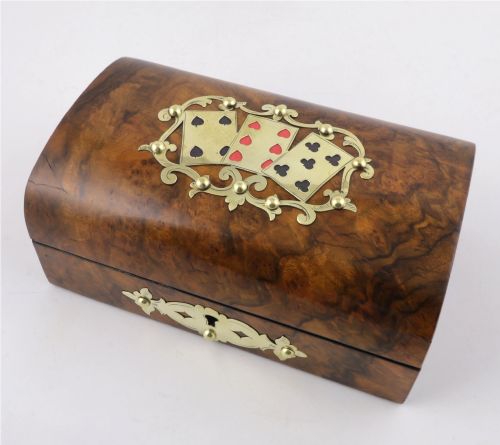
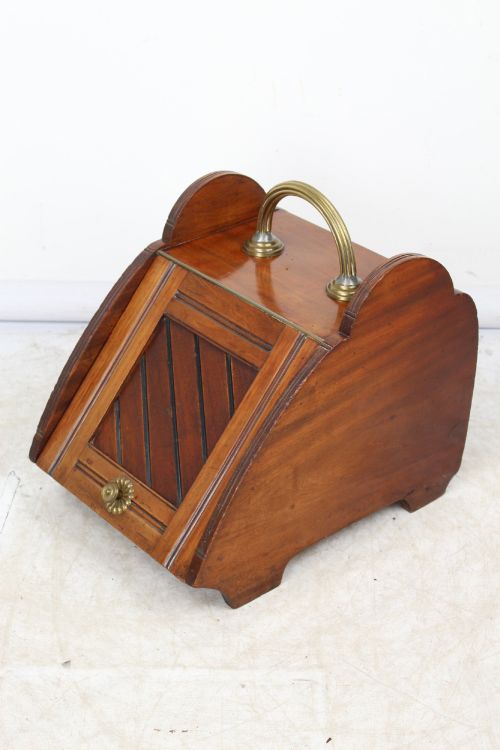
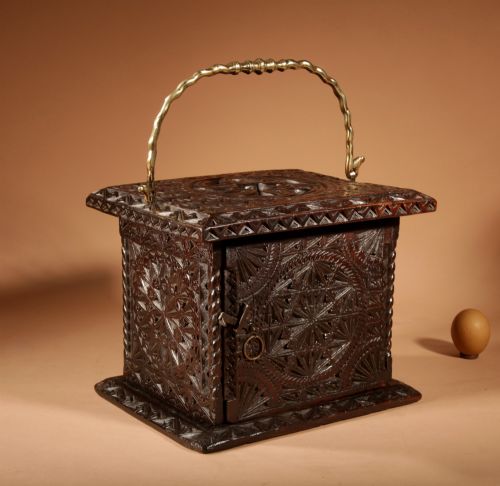
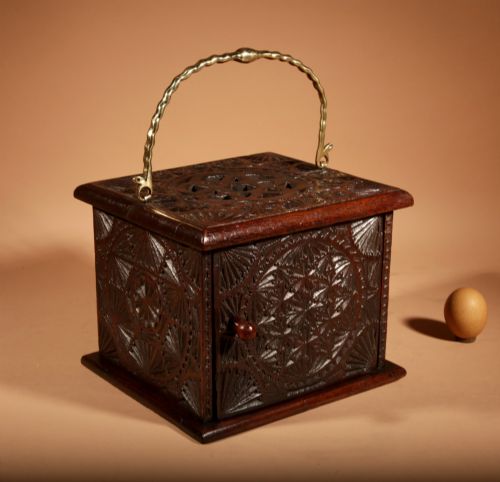
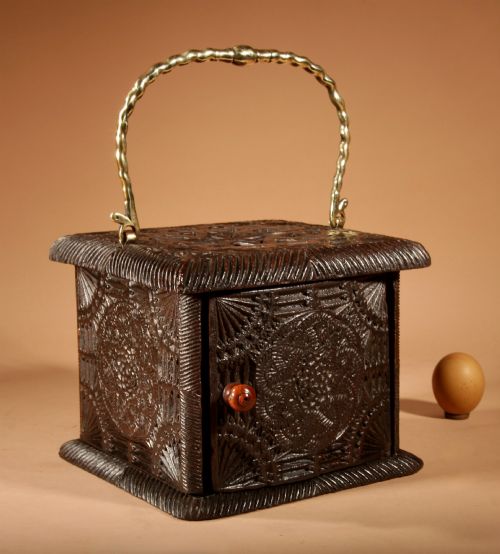
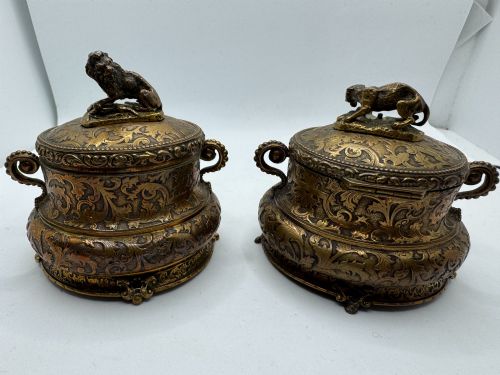
A carved brass box incorporates various forms ranging from small desktop caskets and tea caddies to larger trunks and chests mounted in metal. Pieces appearing on this page span several centuries, including Victorian, Georgian, and seventeenth-century origins.
Makers utilised diverse woods alongside metal work, creating vessels designated for specific domestic uses such as correspondence, games, and jewellery. The selection reflects global influences, featuring Anglo-Indian, Chinese Export, and Frisian folk art traditions alongside standard British furniture forms.
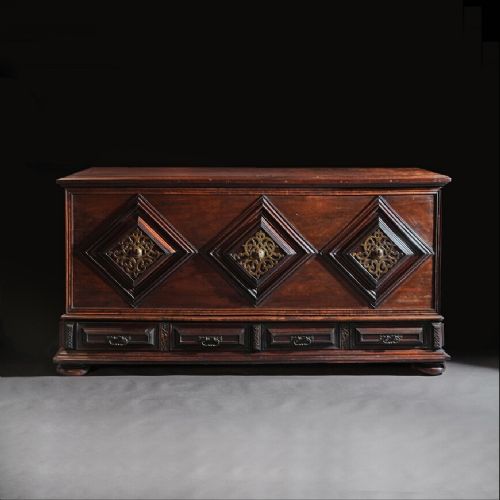
Buyers seeking a carved brass box encounter containers fashioned from oak, mahogany, walnut, and camphor wood enriched with metallic mounts, studwork, and surface incisions. These items function equally well as decorative accents and practical storage receptacles in contemporary settings.
Judging Quality
Superior examples demonstrate crispness in the metal engraving and precision in the joinery of the primary timber body, whether walnut, rosewood, or golden oak. The integration of the brass mounts into the wooden structure reveals the competence of the original maker.
Depth of relief and the complexity of decorative motifs distinguish finer pieces from standard utilitarian containers. Original locks, keys, and interior fittings substantially elevate the integrity of the object.
Carved Brass Box Retail Price Guide 2026
Typical asking prices for carved brass box among the pieces listed under this phrase on Sellingantiques today, from the lower quarter to the upper quarter. They describe what is for sale here now, not the wider market.
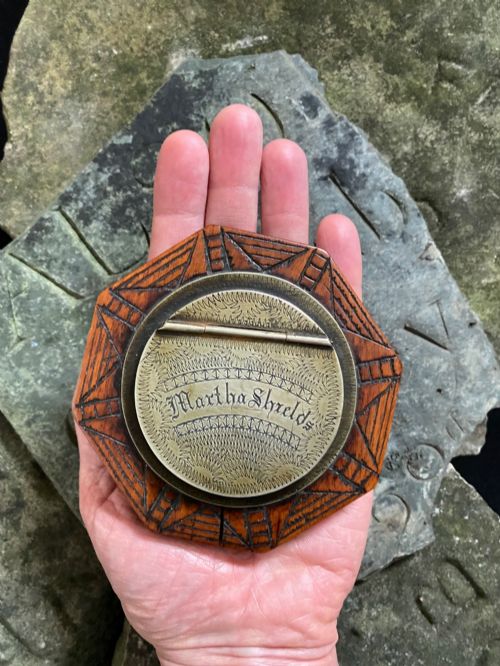
Some nineteenth-century folk art pieces doubled as puzzle boxes designed to frustrate anyone attempting to access the snuff inside.
The Carved Brass Box Glossary
- Casket
- A decorative box or chest designed for valuables, often featuring hinged lids and secure locks. These containers frequently display intricate surface decoration in metal or carved wood.
- Mule chest
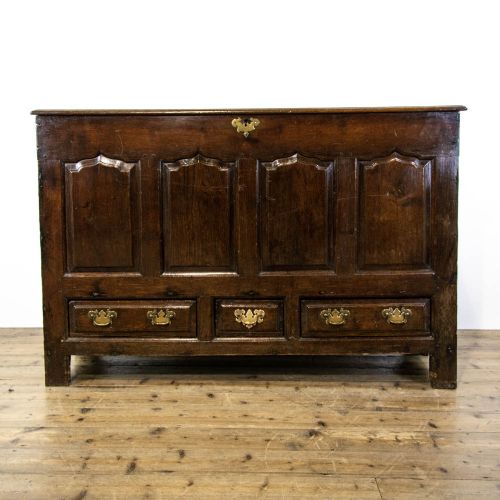
- A traditional storage chest featuring one or more drawers at the base beneath a primary compartment. Early examples often incorporate panelled oak and brass hardware.
- Treen
- Small handmade wooden domestic objects produced prior to the modern era. These items exhibit skilled turning and carving techniques applied to everyday household items.
- Cellarette
- A lockable container designed to hold bottles of wine or spirits securely. Regency examples often employ mahogany combined with brass handles and inlays.
- Tea caddy
- A specialised vessel constructed to store loose tea leaves securely away from moisture. Fine specimens utilise exotic woods and fitted interior compartments.
Carved Brass Box: Frequently Asked Questions
What were these boxes originally used for?
These containers served multiple domestic and commercial functions, from storing precious documents and jewellery to holding dry tea leaves, playing cards, and tobacco.
Larger trunk-style receptacles accommodated personal belongings during travel or functioned as dowry chests within international trading posts.
How do I date a brass-mounted box?
Dating relies on examining the timber species, the style of the brass mounts, and the construction methods used for the internal compartments and dovetailing.
Victorian and Georgian pieces display distinct stylistic traits, while earlier seventeenth-century examples show heavier timber framing and hand-forged iron elements.
Are the brass mounts original to the wood?
Examining the interior surfaces reveals whether screw heads, pins, or fastening methods align with the stated period of manufacture.
Original mounts leave characteristic impressions in the surrounding timber and display consistent oxidation matching the age of the exterior.
How should I care for mixed wood and metal?
Maintain stable room humidity to prevent the timber from warping or splitting around the rigid metal mounts and hinges.
Dust regularly with a dry cloth and avoid harsh chemical polishes that might damage aged brass patination or dry out historic wood finishes.