


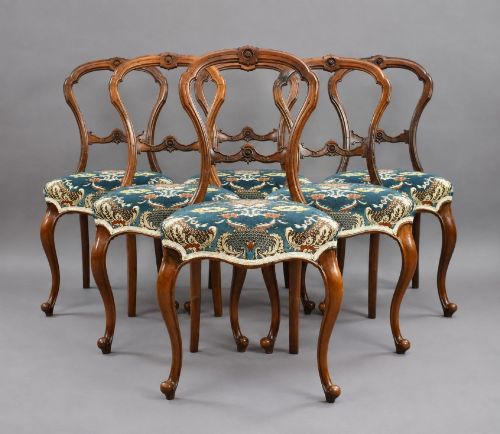
Carved Back Wooden Chairs
These carved back wooden chairs span centuries of workshop design, offering robust seating built from enduring timbers.
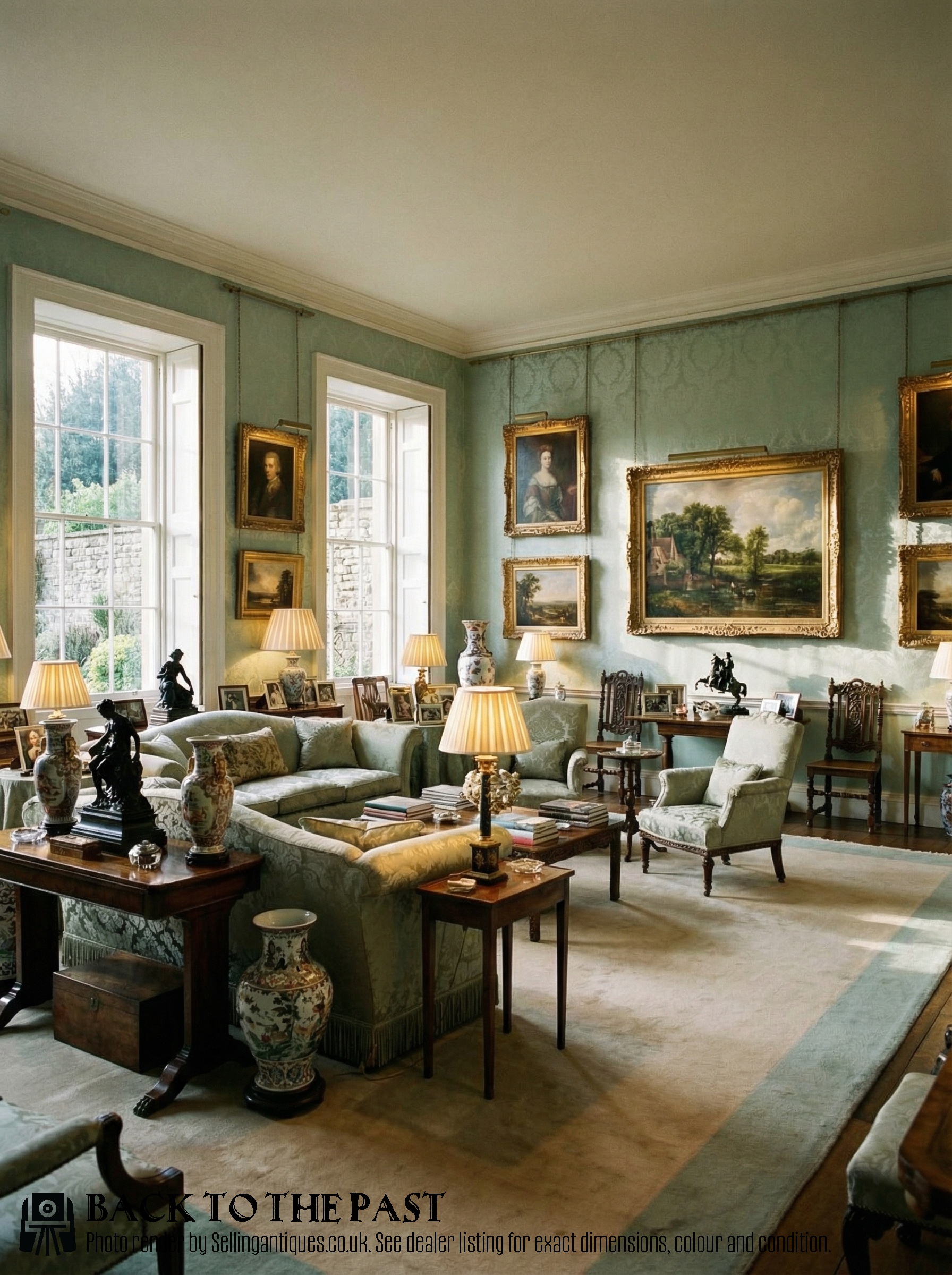
Carved Back Wooden Chairs
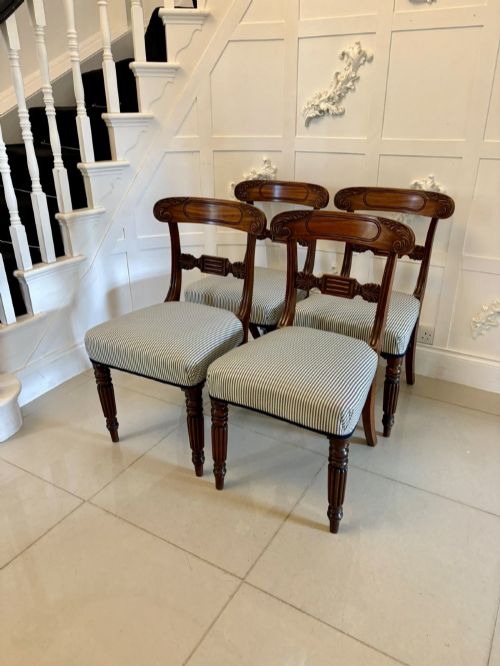
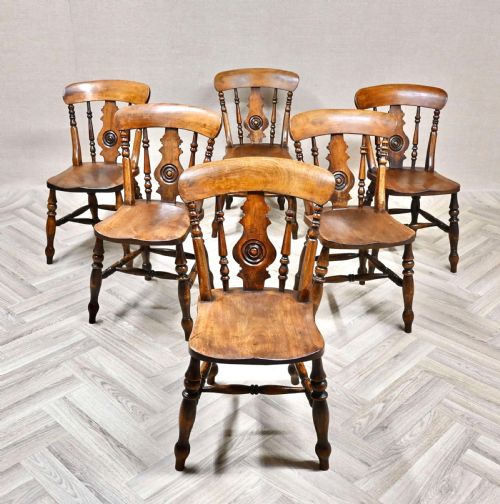
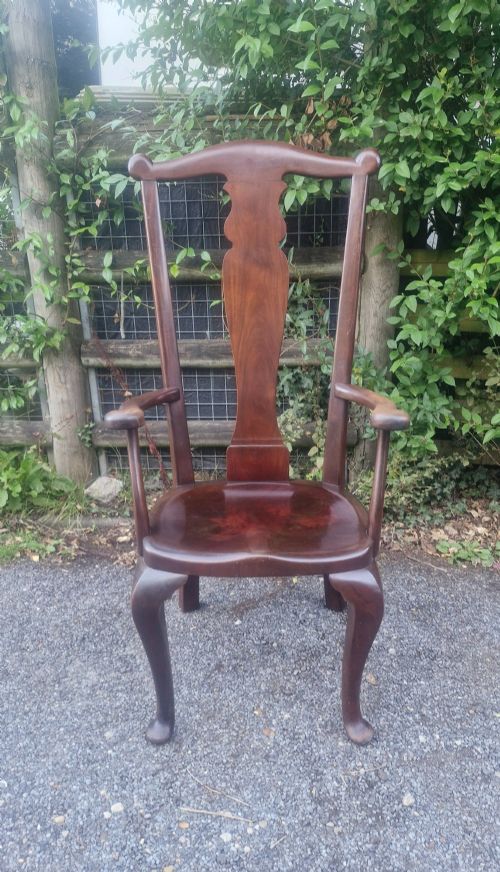
Carved back wooden chairs encompass dining chairs, armchairs, hall chairs, and side chairs produced across the eighteenth, nineteenth, and early twentieth centuries. The selection includes formal mahogany dining sets from the Georgian and Victorian eras alongside sturdy oak and elm country seating.
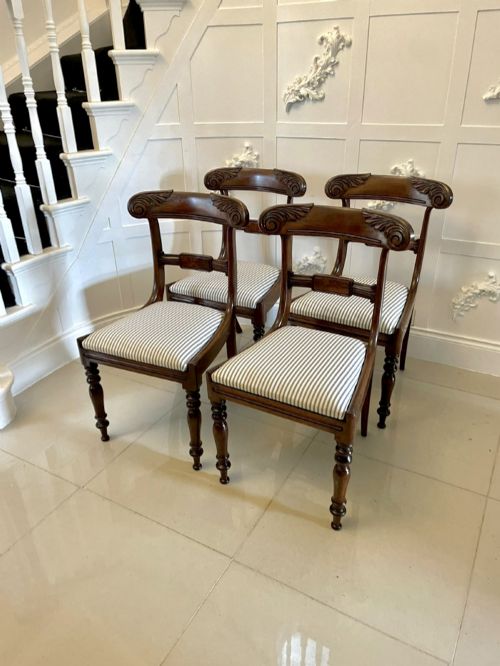
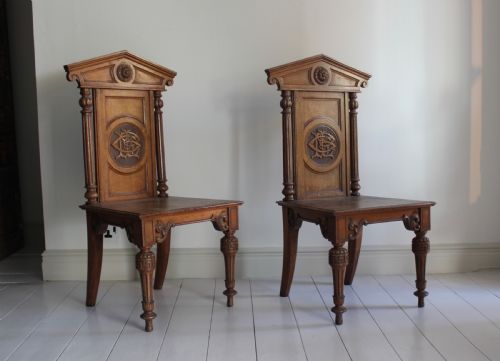
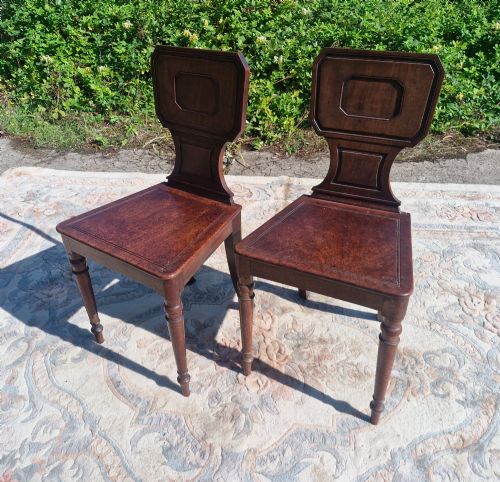
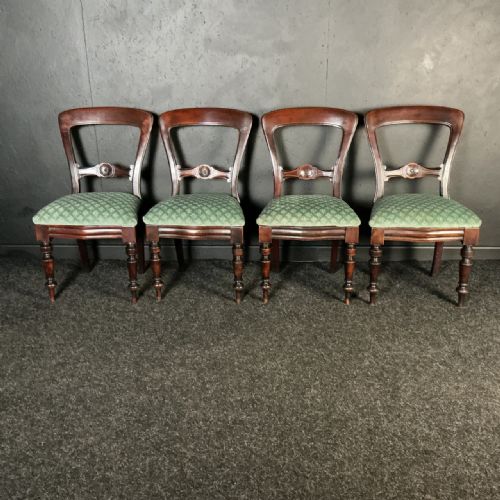
Buyers frequently encounter Victorian balloon back and bar back dining sets, as well as Regency and Victorian mahogany hall chairs featuring solid timber panels. Regional vernacular pieces such as Windsor kitchen chairs and ladder-back armchairs also appear regularly.
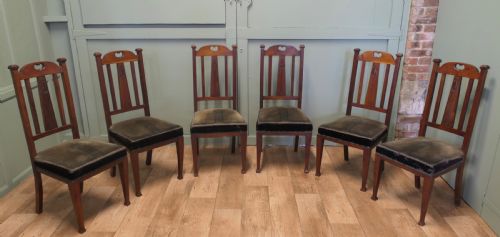
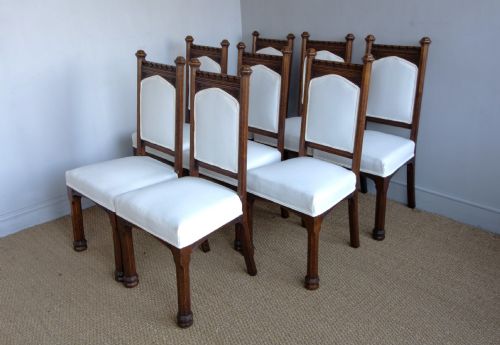
The materials and styles span from seventeenth-century walnut armchairs to Arts and Crafts golden oak seating and Gothic Revival designs. Pieces range from single reception seats to full dining sets numbering six or ten items.
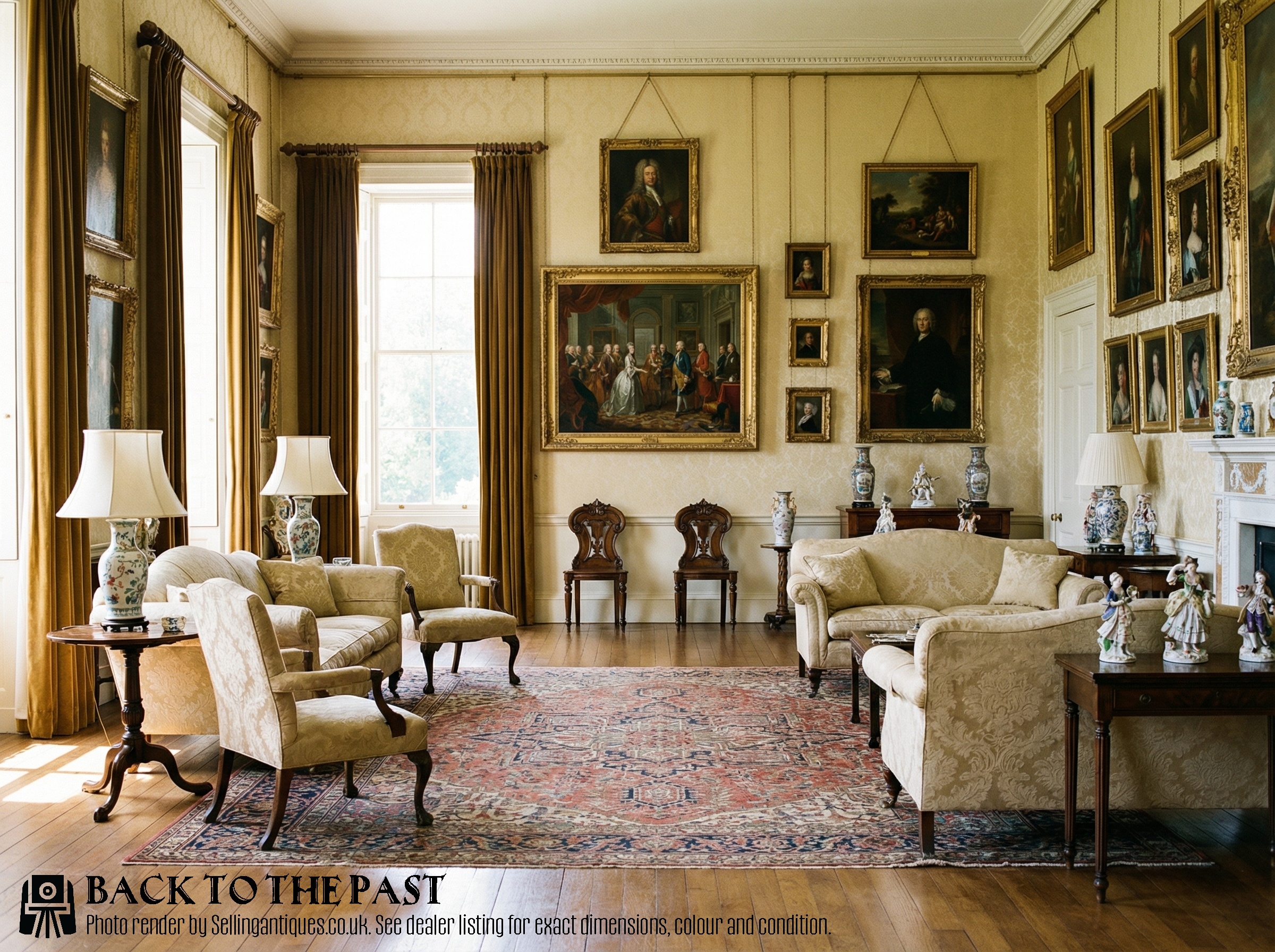
Distinctions in construction and design
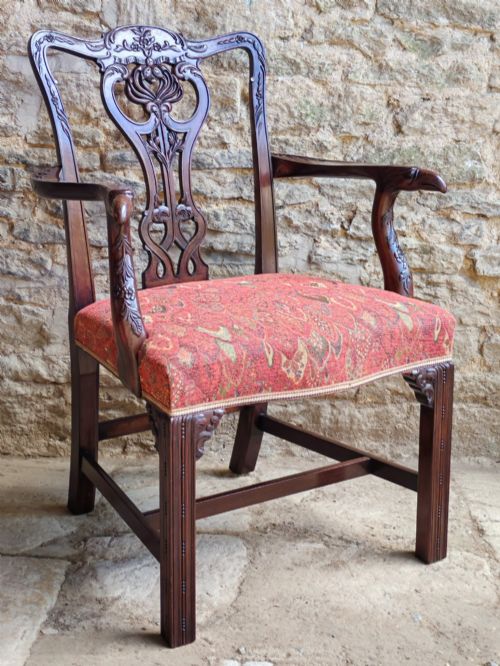
Quality rests in the crispness of the hand-carved detail on the back splats and the integrity of the timber joints. Superior examples demonstrate careful wood selection with matching grain patterns across matched sets of dining chairs.
Subtleties in proportion, the weight of the timber, and the presence of makers' marks separate standard production from exhibition or high-status workshop commissions.
Carved Back Wooden Chairs Retail Price Guide 2026
Typical asking prices for carved back wooden chairs among the pieces listed under this phrase on Sellingantiques today, from the lower quarter to the upper quarter. They describe what is for sale here now, not the wider market.
Listings include timber varieties such as mahogany, oak, walnut, and elm, spanning periods from the seventeenth century through the Edwardian era.
Howard and Sons·Maple and Co·Andrea Brustolon·Norwich Maker
The Carved Back Wooden Chairs Glossary
- Balloon back
- A rounded, oval-shaped chair back popular during the Victorian period. This profile offers substantial back support while allowing for carved decorative motifs.
- Bar back
- A horizontal wooden rail running across the upper section of a chair back. Often seen on William IV dining chairs.
- Carver
- An armchair designed to match a set of dining chairs, typically placed at the head of a table. These pieces incorporate armrests while maintaining the stylistic theme of the side chairs.
- Shield back
- A chair back shaped in the outline of a heraldic shield, frequently embellished with carved foliage or drapery. This form emerged strongly in the eighteenth century.
- Splat
- The vertical central strip of wood in the back of a chair connecting the seat to the top rail. Carved splats define the stylistic period of many antique wooden chairs.
Carved Back Wooden Chairs: Frequently Asked Questions
How do I care for antique wooden chairs?
Maintain stable indoor humidity levels and keep wooden seating away from direct heat sources to prevent timber from splitting. Apply traditional beeswax periodically to nourish the surface finish.
Avoid chemical polishes that build up residue over time. Inspect joints gently and consult a professional conservator if loose components require re-securing.
Can these chairs be used daily?
Solid construction in hardwoods like oak and mahogany makes these chairs suitable for regular dining and seating use. Ensure that joints remain firm before heavy daily loading.
Upholstered sections on easy chairs or desk armchairs may benefit from traditional webbing and stuffing reinforcement if used intensively.
How do I date a wooden chair?
Examine the timber species, tool marks, and construction methods visible beneath the seat or along the frame. Georgian pieces often show hand-sawn surfaces and pegged joints, while Victorian pieces utilise standardised machine-cut components.
Compare the decorative vocabulary, such as balloon backs, Gothic tracery, or shield backs, against documented stylistic periods ranging from the seventeenth to the early twentieth century.
What is the difference between a hall chair and a dining chair?
Hall chairs were traditionally designed for entrance spaces, featuring solid wooden seats and carved or painted backs without upholstery. They were intended for brief seating rather than prolonged dining comfort.
Dining chairs prioritise ergonomics and often include upholstered pads, flexible splats, or armrests to support extended sitting during meals.