
Carved Back Parlour Chairs
Carved back parlour chairs are seating pieces defined by sculptural wooden frames, bringing nineteenth-century craftsmanship into domestic spaces.
Carved Back Parlour Chairs
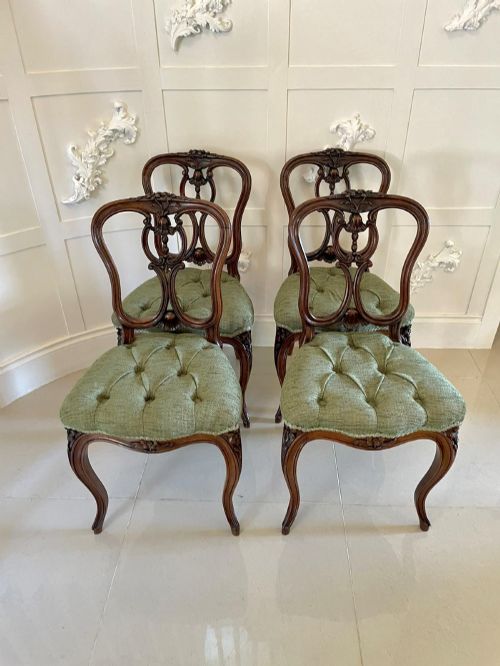
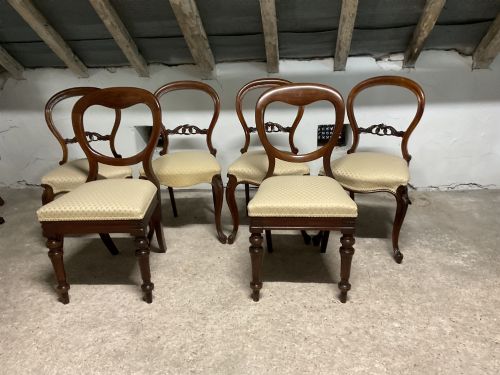
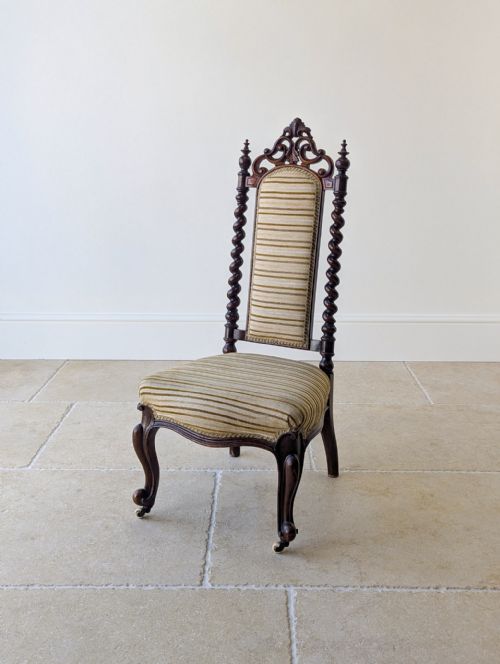
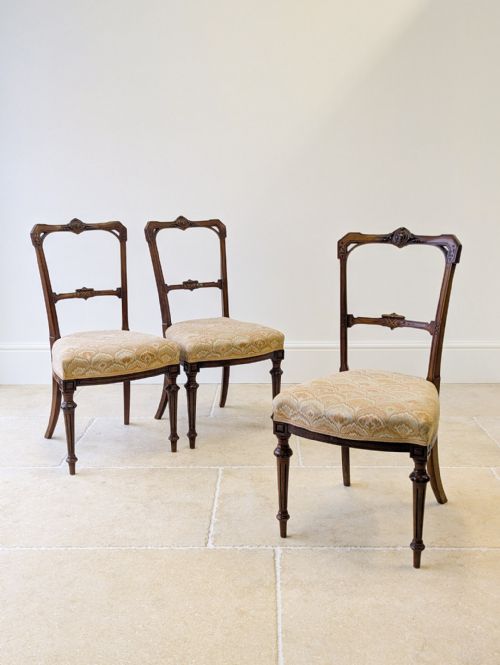
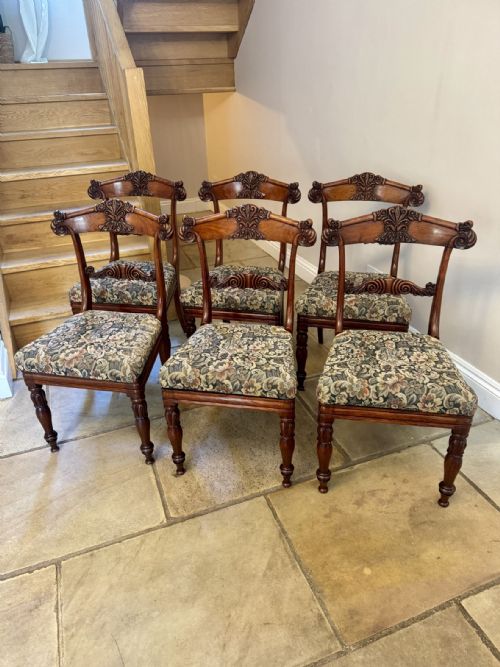
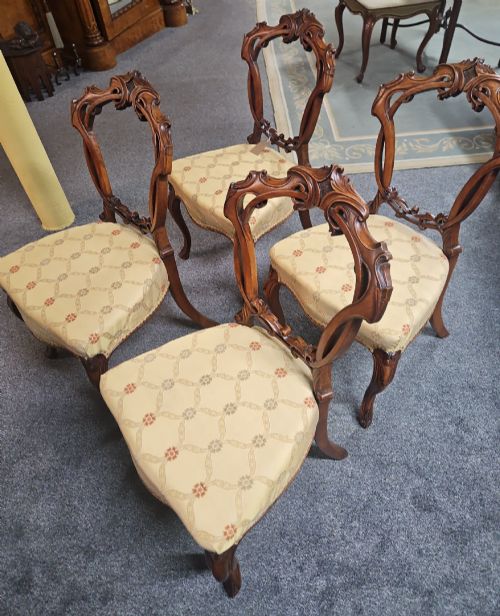
Carved back parlour chairs represent a significant category of nineteenth-century seating, drawing from Victorian, Regency, and Revival aesthetics. These items typically emerge within walnut, mahogany, or rosewood timber, manifesting as individual side chairs, parlour seating, or larger sets intended for formal rooms.
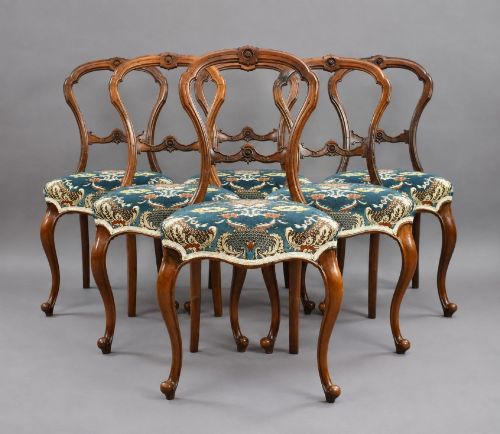
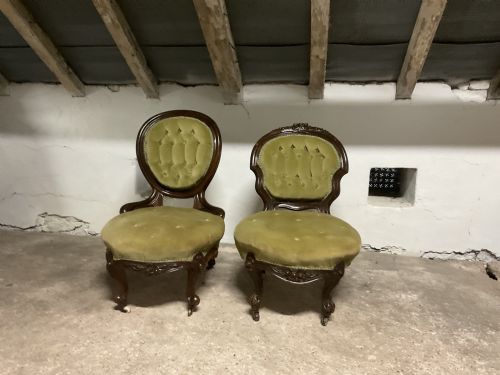
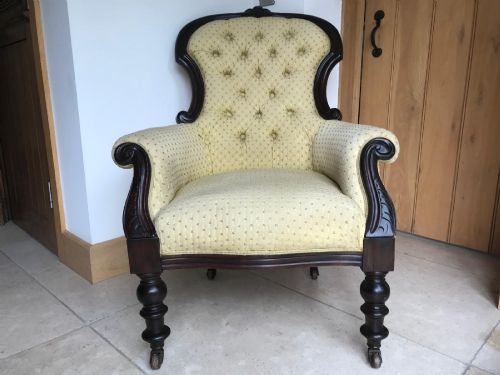
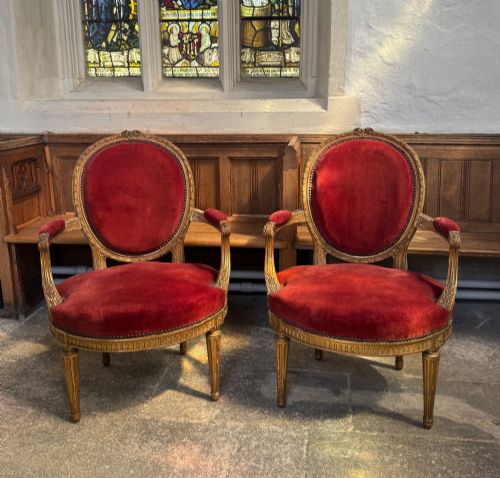
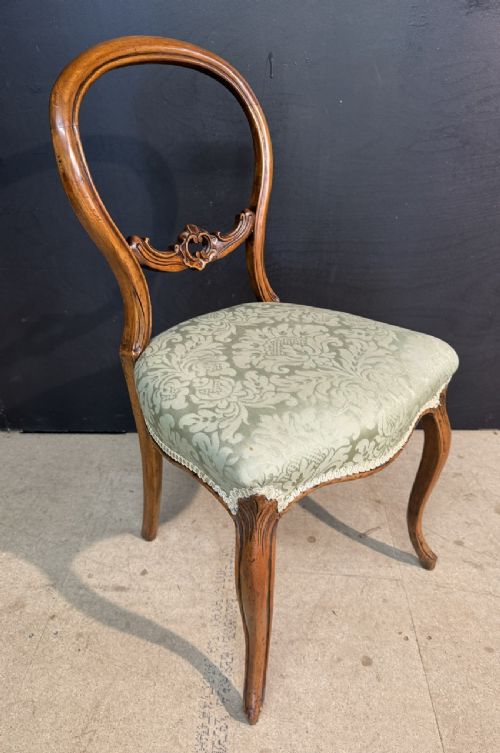
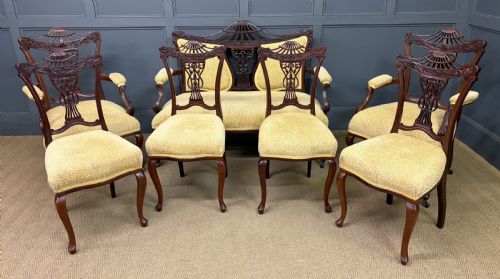
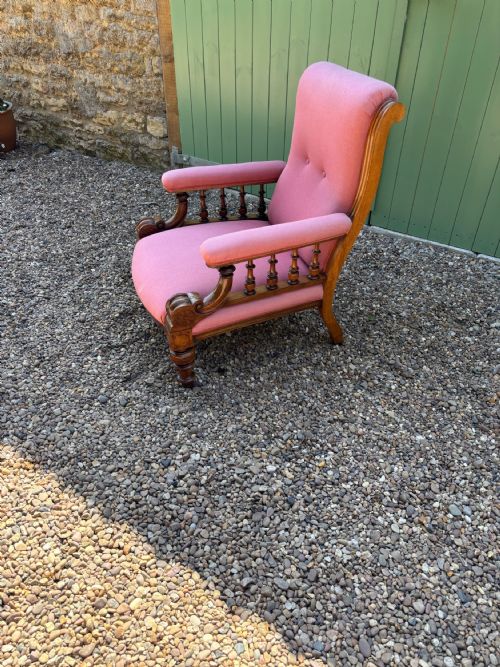
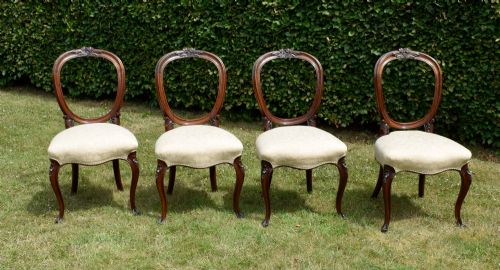
The versions most commonly encountered on this page date from the mid-nineteenth century through to nineteen hundred, encompassing balloon back dining chairs, nursing chairs, and high-back parlour seating. They showcase distinct stylistic influences ranging from Louis XVI and Neoclassical to Rococo Revival forms.
How they were made
Makers utilised dense timbers such as mahogany, walnut, and rosewood, which allowed artisans to carve intricate pierced splats, cabriole legs, and showwood frames with precision. Giltwood also appears among French-influenced pieces of the nineteenth century.
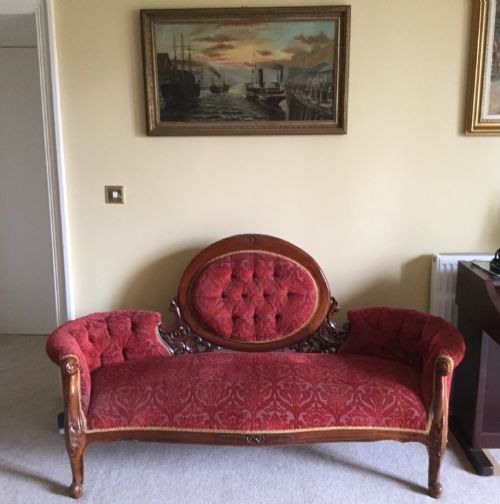
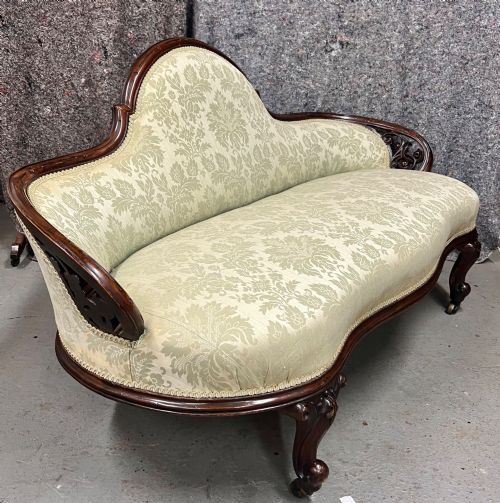
Upholstery formed a central part of the construction, utilising fabrics like velvet, brocade, needlepoint, and textile supported by traditional sprung bases and deep buttoning techniques.
Materials recorded across the inventory include rosewood, brass accents, needlepoint, velvet, and traditional upholstery fabrics.
What varies in quality
The calibre of carved back parlour chairs rests upon the crispness of the timber carving and the selection of dense, richly figured woods like rosewood and walnut. Superior examples display deeply articulated pierced splats and harmonious proportions across matched sets.
Construction integrity and the preservation of original showwood frames distinguish finer specimens, alongside the quality of period upholstery methods and appropriate fabric selection.
The Carved Back Parlour Chairs Glossary
- Balloon back
- A rounded, oval-shaped chair back resembling a balloon, highly popular during the Victorian period. This form provides ergonomic support while allowing cabinetmakers to display fine wood grain.
- Showwood
- Exposed wooden framing on an upholstered chair or sofa where the polished timber forms part of the decorative design. It surrounds the padded sections to highlight the carved details.
- Pierced splat
- The central vertical strip of a chair back that has been pierced or cut through to create an openwork pattern. Skilled artisans used this technique to lighten the visual weight of heavy timbers.
- Brocade
- A rich shuttle-woven fabric featuring raised patterns, frequently utilised for period upholstery. It adds texture and colour to nineteenth-century parlour seating.
Carved Back Parlour Chairs: Frequently Asked Questions
What defines a parlour chair?
A parlour chair is a decorative seating piece designed for formal reception rooms during the nineteenth century. These items combined comfortable upholstery with ornate wooden frames.
They were intended for entertaining guests rather than daily heavy lounging, which explains their lighter scale and intricate carved details.
How do I identify Victorian chairs?
Victorian chairs are typically identified by their use of dark dense timbers such as mahogany and walnut, alongside characteristic shapes like the balloon back. Stylistic markers often include cabriole legs and floral or scroll carvings.
Examining the construction methods and upholstery style helps confirm the nineteenth-century origin.
Were these chairs used for dining?
Many carved back chairs served as dining furniture, particularly matched sets of balloon back or splat back side chairs. Other variations functioned as nursing chairs, library seating, or salon suite components.
The specific form generally dictates whether a piece belonged around a dining table or within a drawing room grouping.
How should I care for antique wood?
Antique wood requires gentle dusting with a soft, dry cloth to protect the polished finish and natural grain of mahogany or walnut. Avoid placing timber pieces near direct heat sources or strong sunlight.
Maintaining stable room humidity prevents the wood from drying out and preserves the integrity of the antique joints.