






Carved Asian Blanket Chest
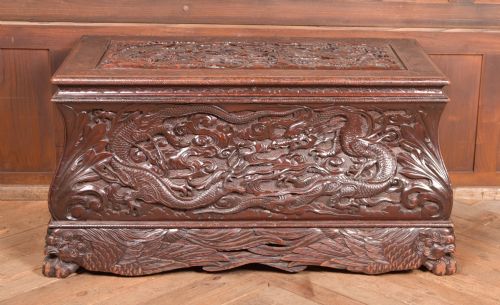
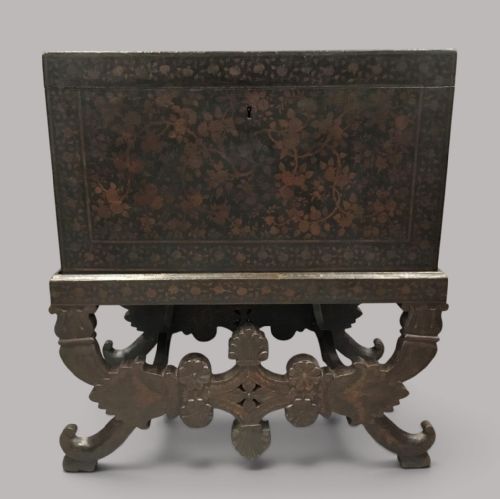
A carved asian blanket chest holds the stories of far-flung ports and domestic tradition, offering deep storage wrapped in rich relief work.
Carved Asian Blanket Chest
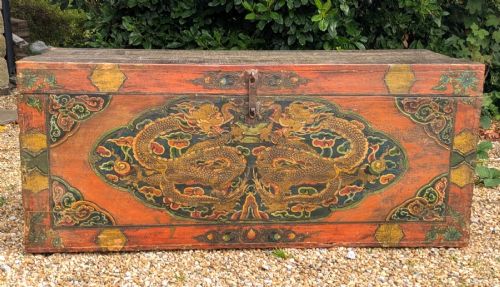
When you search for a carved asian blanket chest, you encounter sturdy timber trunks designed for storage and travel, frequently fashioned from aromatic woods. The examples listed on this page span the nineteenth century up through the nineteen-thirties, reflecting regional workshops and export trades.
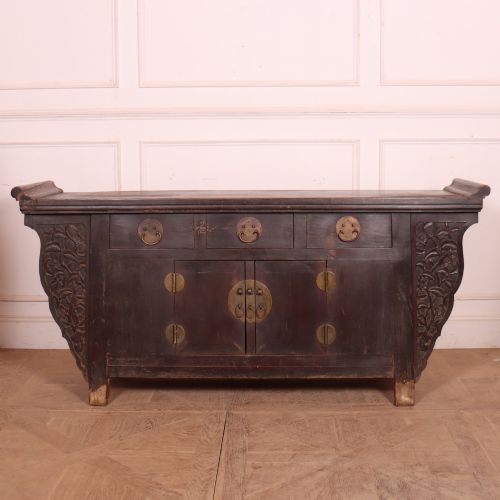
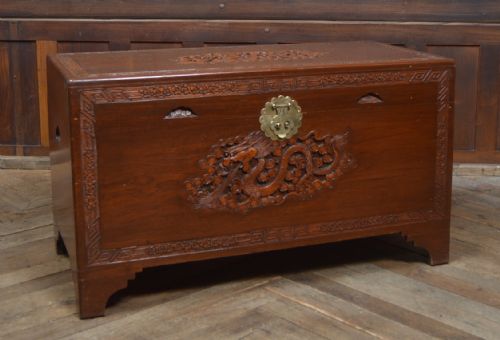
Most pieces you meet here take the form of camphorwood trunks, blanket boxes, and occasional dowry chests or sideboards. These items served practical household purposes, protecting garments and textiles while adding decorative presence to rooms.
How they were made
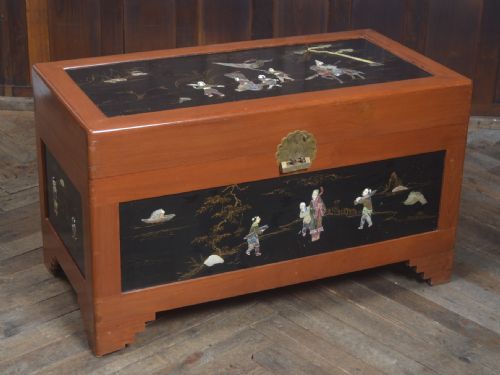
Workshops relied heavily on camphor wood, elm, cedar wood, and general hardwood, often paired with brass hardware for reinforcement and closure. Lacquer also appears on select trunks, providing a smooth finish over the timber core.
Carvers applied hand techniques to create deep relief scenes across the exterior surfaces of the wood. Brass fittings and corner plates were then affixed to secure the joints and edges of the trunk during transit.
Carved Asian Blanket Chest Retail Price Guide 2026
Typical asking prices for carved asian blanket chest among the pieces listed under this phrase on Sellingantiques today, from the lower quarter to the upper quarter. They describe what is for sale here now, not the wider market.
Listings on this page span the nineteenth century through nineteen-thirty, with camphor wood appearing as the dominant material alongside elm, cedar, and brass.
What varies in quality
The depth and intricacy of the hand carving separate simpler boxes from superior examples. Crisp detailing in the wood relief indicates skilled workshop output rather than hurried commercial production.
The choice of primary timber and the condition of the brass mounts also influence the standing of a piece. Intact surfaces, robust joinery, and well-preserved camphor wood define the better items in this group.
The Carved Asian Blanket Chest Glossary
- Camphorwood
- An aromatic timber prized for storage furniture because its natural scent repels insects. It forms the primary material for the majority of these trunks.
- Dowry chest
- A traditional receptacle created for a bride's household possessions and linens. These pieces often feature specific regional carving motifs.
- Chinese Export
- Items produced in China specifically for western markets and buyers abroad. They combine domestic forms with decorative elements tailored to foreign tastes.
- Relief
- A sculptural technique where figures and patterns project from a flat background. Carvers used this method to build up scenes on the chest panels.
Carved Asian Blanket Chest: Frequently Asked Questions
What were camphor trunks used for?
These chests served primarily for storing heavy blankets, garments, and valuable textiles within the home. The natural properties of the wood protected fabrics from moths and dampness.
They also functioned as luggage for travellers embarking on long maritime voyages. Their sturdy construction and brass reinforcement kept contents secure during transport.
How do I date a carved wooden chest?
Dating relies on examining the timber species, construction methods, and the style of the carving. Nineteenth-century pieces typically show hand-worked joinery and distinct patination on the wood.
Later examples from the early decades of the twentieth century often display sharper machine assistance or specific export-style motifs. Comparing the brass hardware and finish helps confirm the period.
Where should I place a blanket chest at home?
A blanket chest works effectively at the foot of a bed or along a hallway wall where it provides accessible storage. Its flat lid allows the top surface to hold decorative objects or textiles.
Keep the chest away from direct heat sources and strong sunlight to protect the timber and carved relief. Proper placement maintains the stability of the wood and the integrity of any applied lacquer.
What styles appear in asian storage chests?
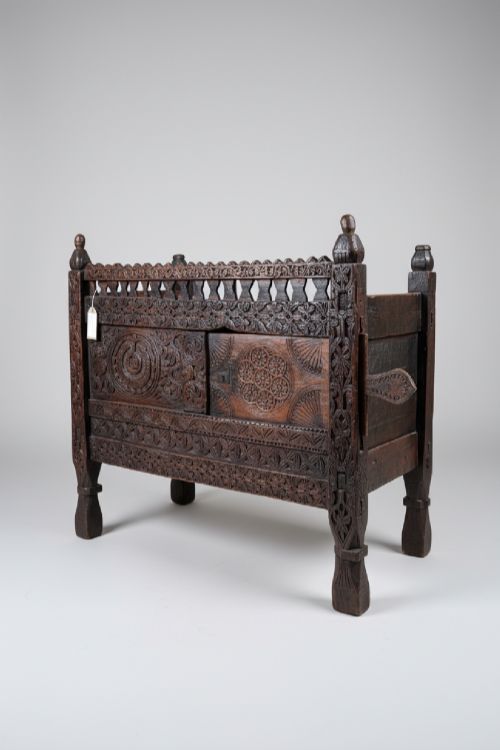
The listings show a range of regional styles including Chinese Export, Qing Dynasty, and Swat Valley Folk Art. Each tradition brings distinct decorative themes and carving patterns to the surface.
Certain pieces reflect colonial influences or specific village aesthetics. This variety means two chests can share the same form while exhibiting entirely different sculptural narratives.