
Carved Animal Sculpture
A carved animal sculpture brings physical presence into a room, capturing bears, lions, and horses through skilled handwork.

Carved Animal Sculpture
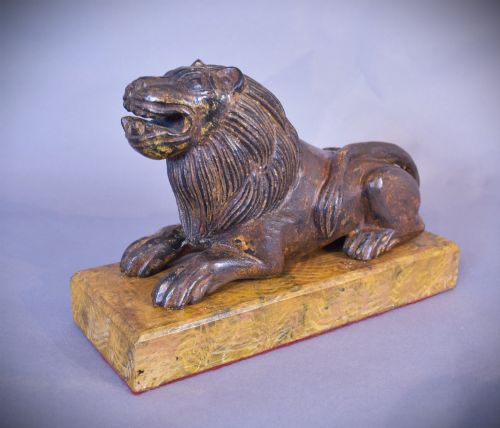
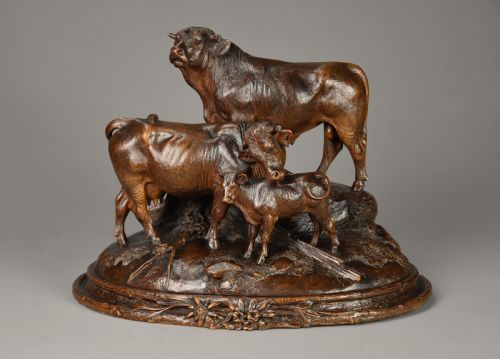
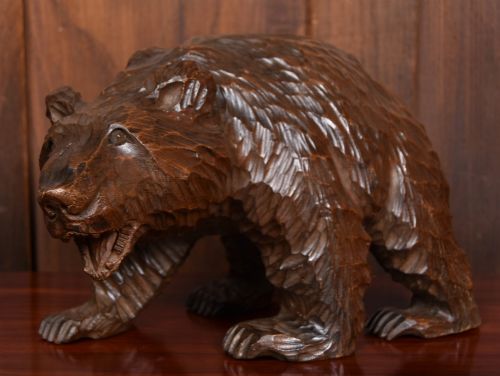
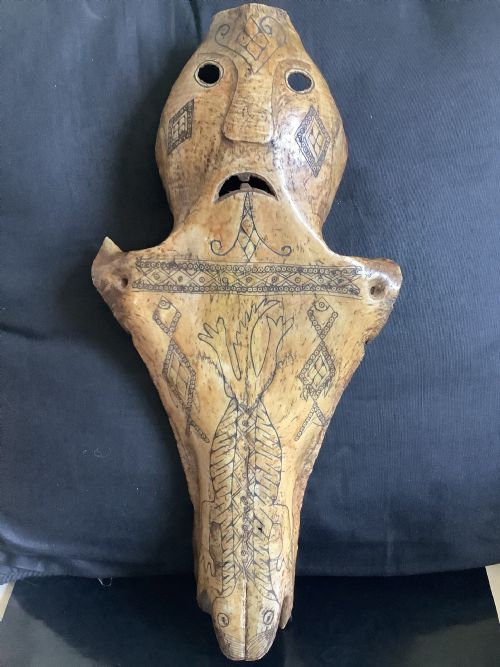
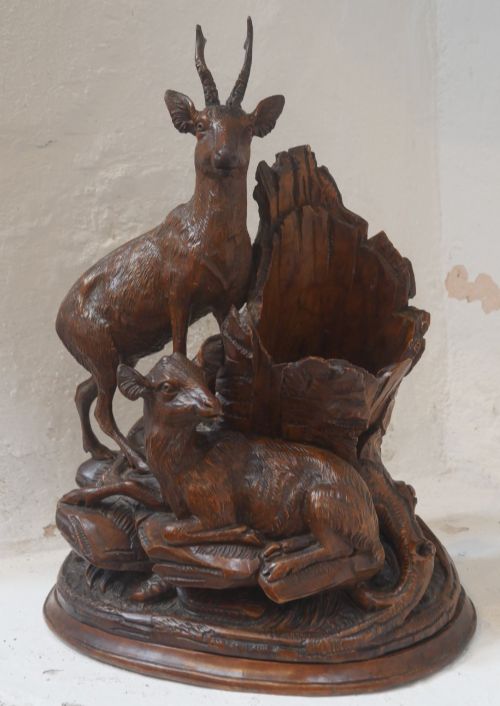
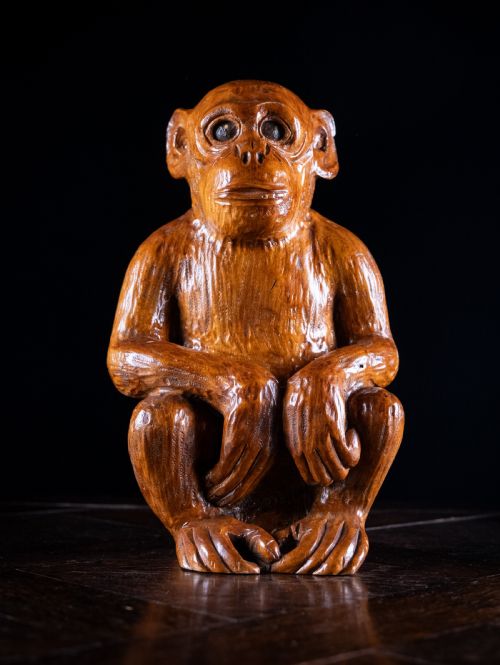
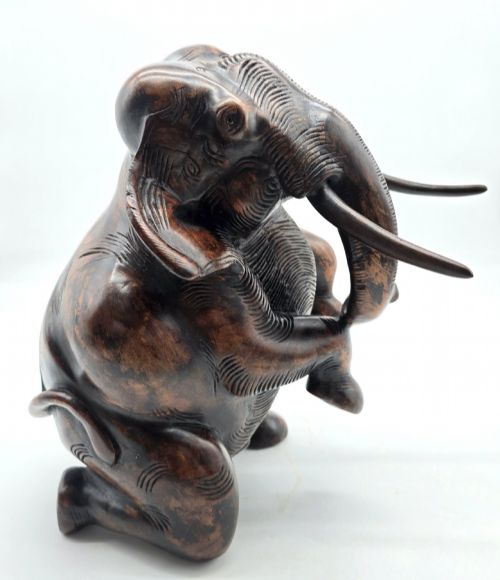
A carved animal sculpture spans centuries of craftsmanship, presenting subjects ranging from wild bears and stags to domestic horses and ceremonial elephants. These figures emerge from distinct regional traditions, including European Black Forest workshops, Japanese folk art, and Anglo-Indian production.
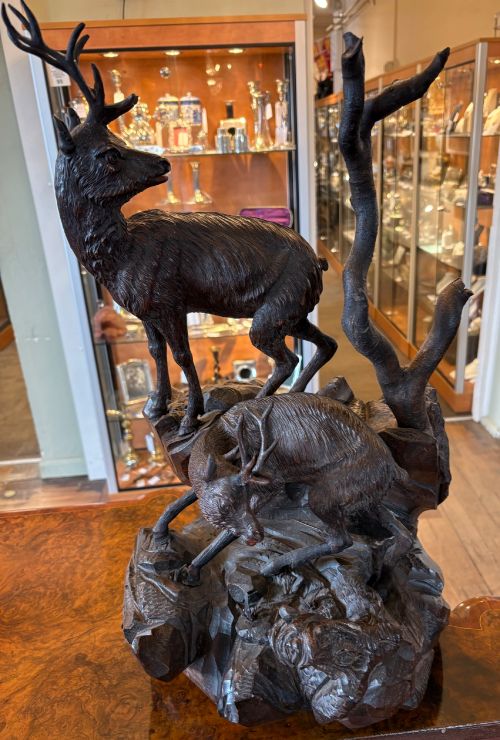
The most frequent examples encountered on this page originate in the nineteenth and early twentieth centuries. Many take the form of linden wood bears, study models of deer, or decorative figures carved for domestic display.
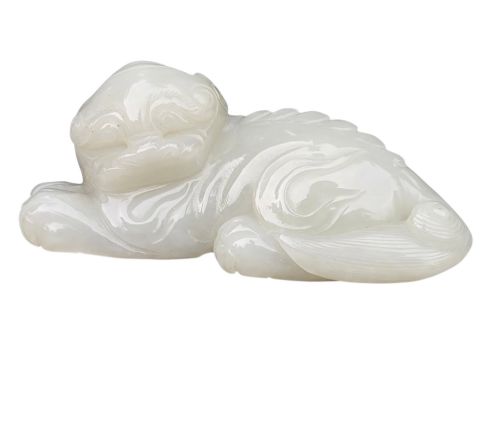
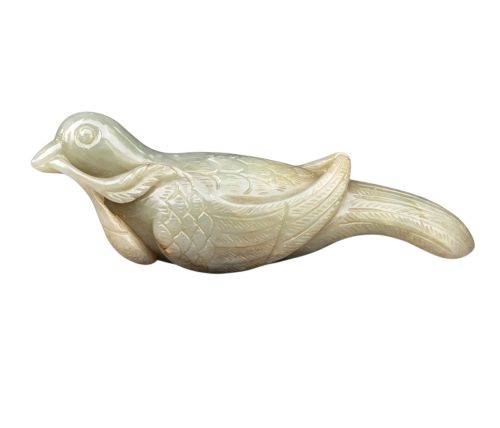
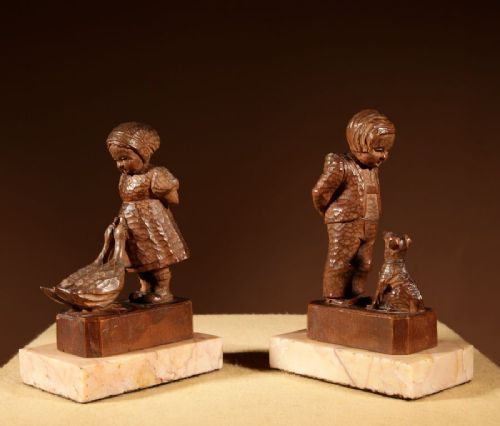
Beyond European workshops, buyers regularly encounter Asian works carved from hardwood, soapstone, or jade, alongside naive folk art pieces that reflect local domestic life.
Materials and construction
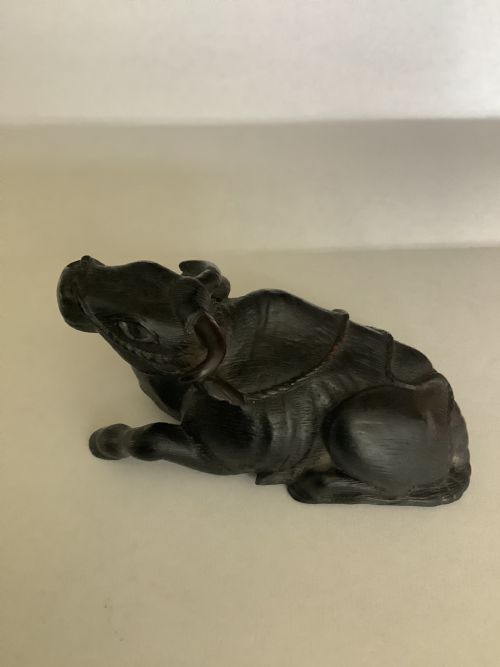
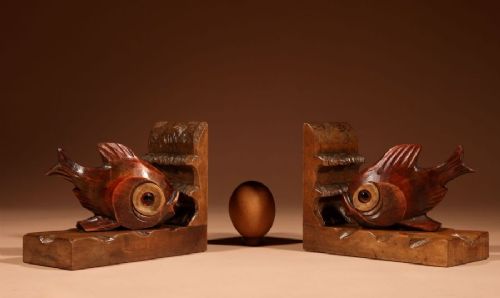
Makers utilised available local timbers, most notably pale linden wood in European alpine workshops, alongside dense hardwoods, walnut, and ebony for Asian and colonial subjects. Artisans employed gouges and chisels to shape the timber, often leaving textured tool marks across the surface or smoothing the grain to a matte finish.
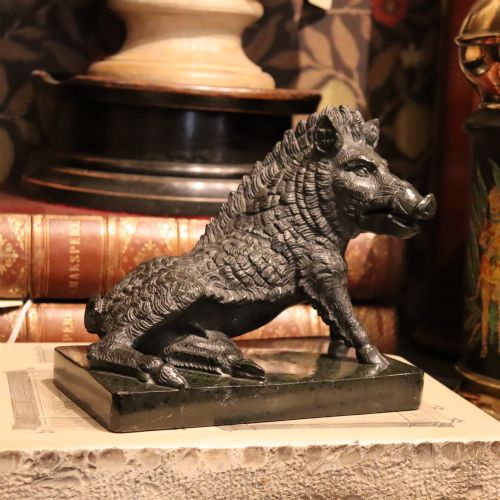
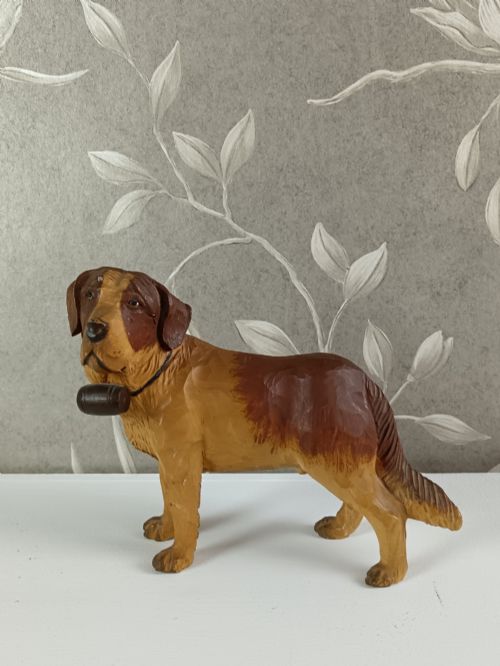
Alternative materials appear throughout the selection, including carved serpentine marble, Derbyshire alabaster, bone, and jade. Certain pieces incorporate painted surfaces, applied glass eyes, or metal mountings to complete the animal form.
The listings span the eighteenth to the twentieth centuries, featuring wood, marble, jade, and bone across European and Asian traditions.
Evaluating quality and execution
Quality rests upon anatomical accuracy and the confidence of the carving, distinguishing lifelike studies from rigid or generic productions. Superior examples display careful observation of muscle structure, posture, and facial expression, whether rendered in European naturalism or folk art simplicity.
The crispness of the hand-carved detail and the preservation of the original surface determine the desirability of a piece. Workshop attribution, maker stamps, and the inherent quality of the chosen material further elevate the standing of a sculpture.
J Huggler·Bright And Sons
The Carved Animal Sculpture Glossary
- Black Forest
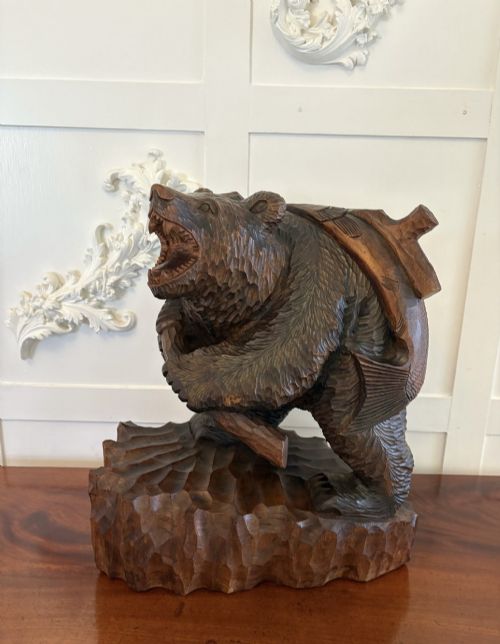
- A style of wood carving originating from the Brienz region of Switzerland and the Black Forest in Germany. These works typically depict bears, deer, and alpine animals in naturalistic poses.
- Kibori Kuma
- A traditional Japanese style of wood-carving depicting bears, originating in Hokkaido. These pieces are hand-carved with textured chisel strokes representing fur.
- Grand Tour
- A nineteenth-century tradition where travellers collected souvenirs such as marble models of classical lions and boars. These sculptures reflect classical antiquity and Italian craftsmanship.
- Netsuke
- A small Japanese carved toggle used to secure a pouch or basket to a kimono sash. They often depict animals and are prized for intricate miniature workmanship.
- Sancai
- A traditional Chinese glazing technique using three colours, frequently seen on ceramic animal figures. The glazes run and blend across the surface during firing.
Carved Animal Sculpture: Frequently Asked Questions
What are Black Forest carvings?
Black Forest carvings are wooden sculptures and decorative objects produced in Swiss and German alpine regions during the nineteenth and early twentieth centuries.
They are widely recognised for depictions of bears, deer, and dogs rendered in detailed linden wood.
How do I identify Japanese bear carvings?
Japanese bear carvings, known as Kibori Kuma, typically feature textured chisel marks that simulate dense fur and often depict the animal holding a fish.
These pieces emerged from Hokkaido and reflect distinct regional folk traditions from the nineteenth century onward.
What materials are used in these sculptures?
Sculptures in this category are primarily carved from various woods, including linden wood, walnut, ebony, and teak.
Alternative materials also appear across the listings, such as jade, soapstone, marble, alabaster, and bone.
How should I display wooden animal sculptures?
Wooden animal sculptures suit placement on tables, bookshelves, or mantelpieces where the carved details and wood grain remain visible.
Keeping them away from direct heat sources helps preserve the condition of the timber and any painted or polished surfaces.