

Canvas Male Painting
A canvas male painting captures centuries of individual likeness, offering a direct encounter with historical sitters rendered in oil.
Canvas Male Painting
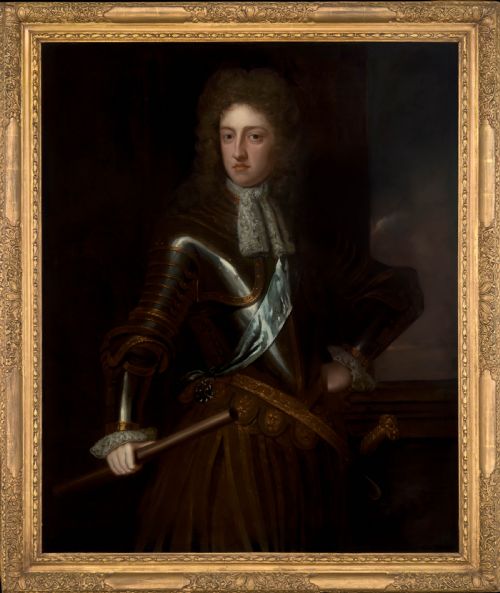
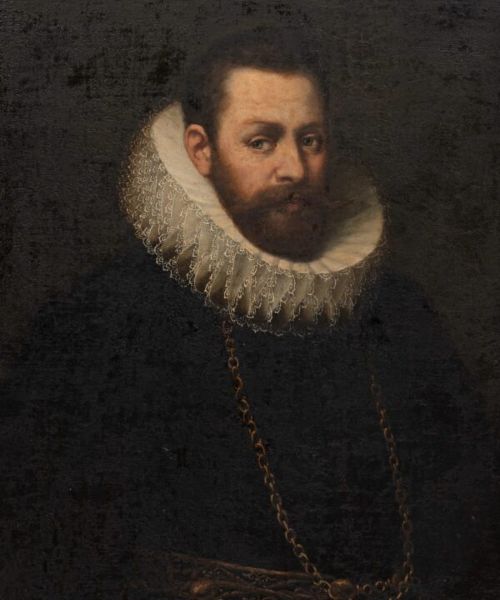
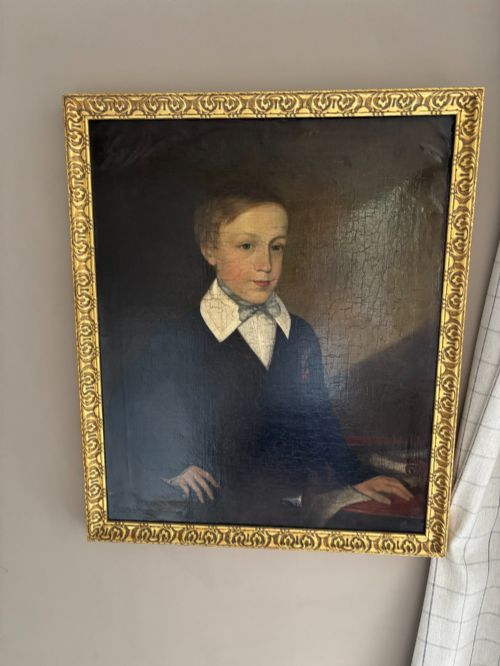
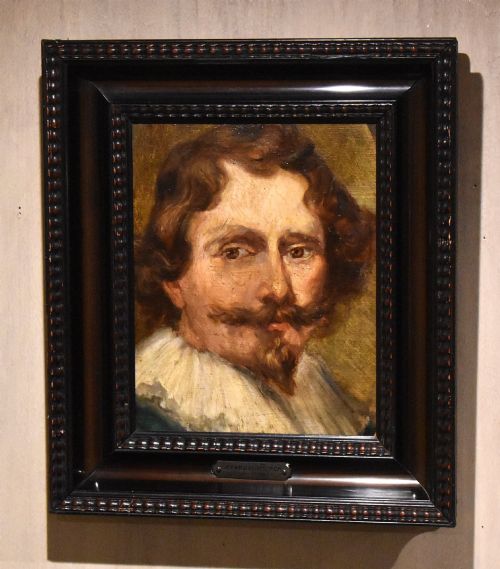
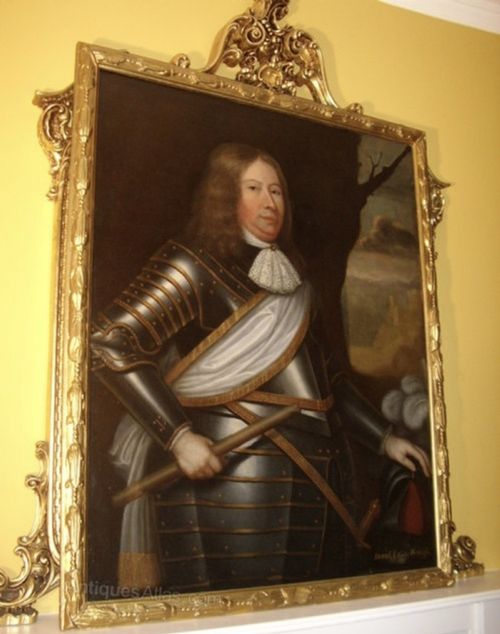
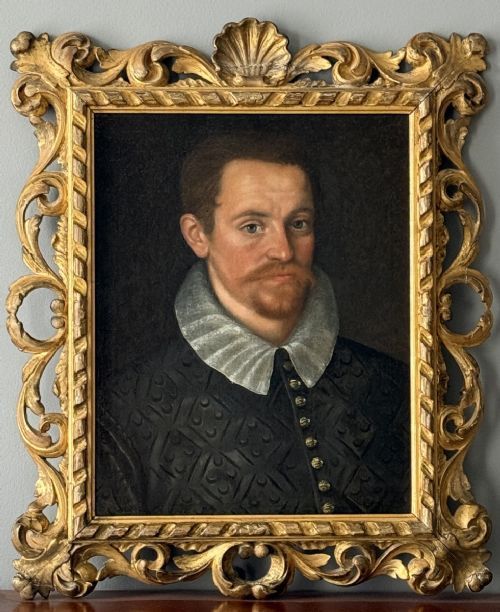
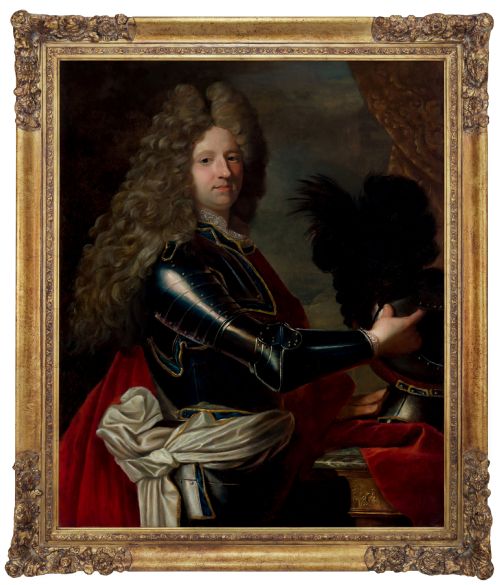
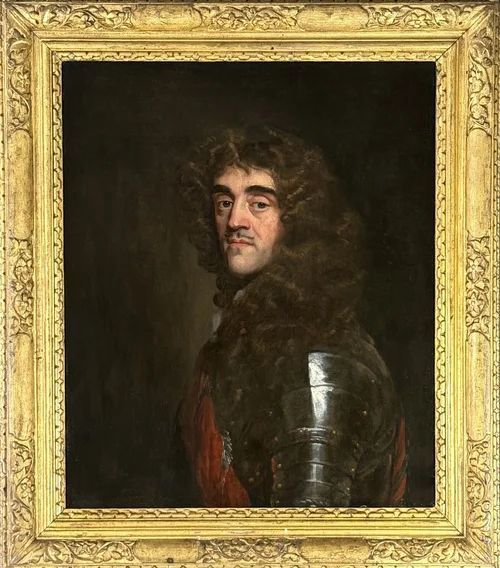
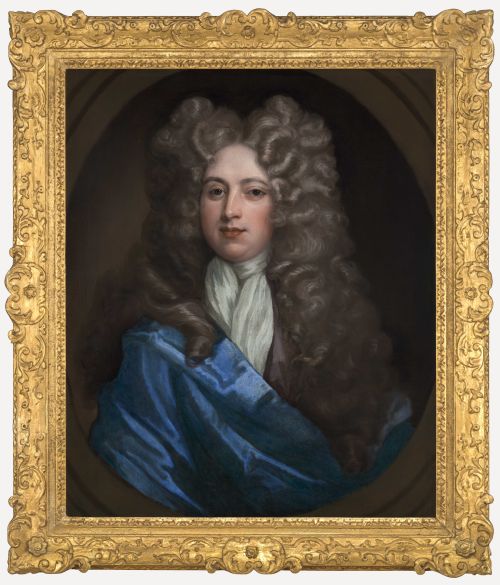
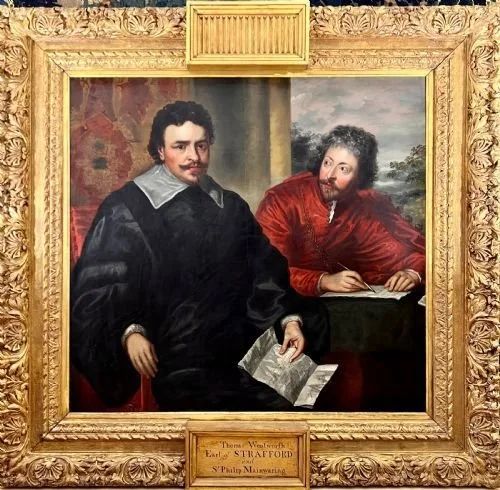
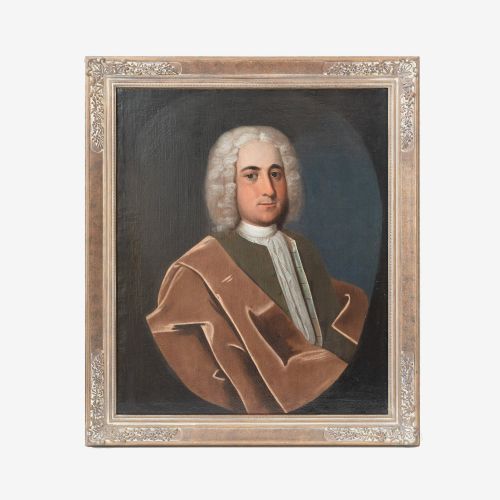
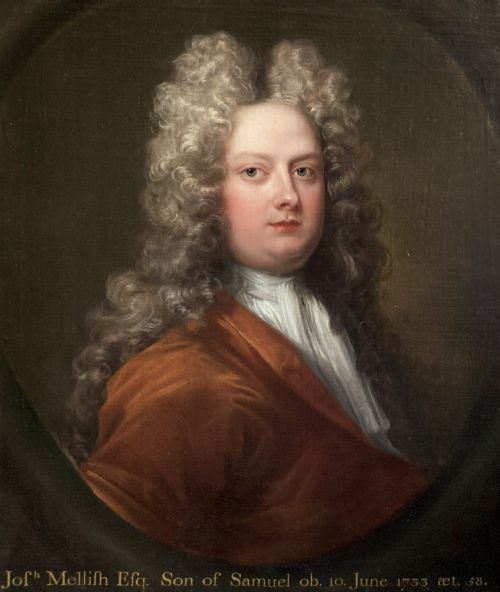
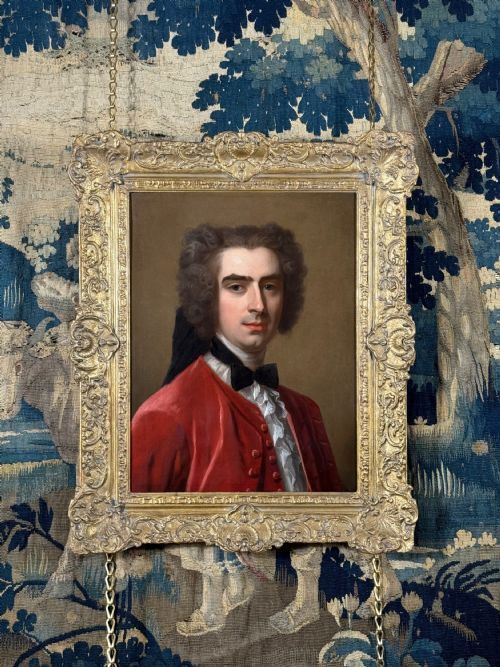
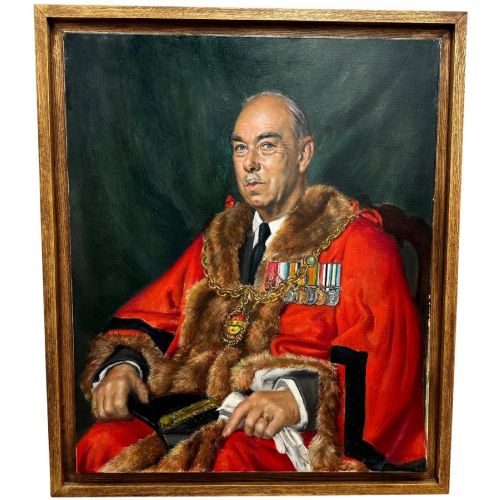
A canvas male painting brings together centuries of portraiture, ranging from 17th-century depictions of gentlemen and nobility to later Victorian and mid-century works. These pieces focus on individual identity, often recording specific officers, rulers, and private citizens through formal and informal poses.
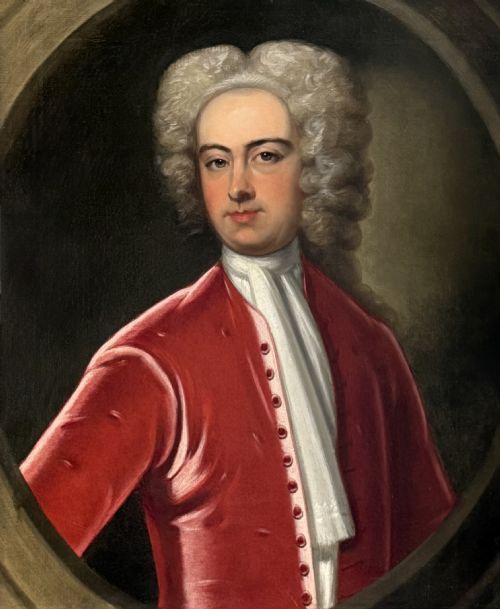
The most common examples on this page are 17th- and 18th-century oils on canvas, depicting subjects in period dress such as periwigs, scarlet jackets, and dark embroidered doublets. Many originate from British, Dutch, and German schools, reflecting both named portraitists and studio productions.
Beyond formal portraiture, the selection includes studies, self-portraits, and character pieces like dandy depictions or military service portraits. Each canvas male painting acts as a visual document of its era, shaped by the conventions of portrait painting across different centuries.
Materials and technique
These works rely primarily on oil paint applied to woven canvas supports, sometimes paired with wood frames and occasional accents of gold leaf or giltwood. Painters built up layers of pigment to achieve depth in clothing, flesh tones, and background shadows.
Techniques range from the detailed realism of Old Master circles and British schools to the looser brushwork found in later 19th- and 20th-century studies. The interaction between oil medium and canvas texture dictates how light and age affect the visible surface over centuries.
Listings feature works from the 17th century through the Victorian era, utilising oil on canvas.
Evaluating craftsmanship
Quality in these portraits rests upon the anatomical precision of the hands and face, the handling of drapery and fabric texture, and the psychological presence conveyed by the sitter. Skilled brushwork distinguishes direct observations and master studio pieces from more mechanical workshop copies.
The preservation of the original canvas surface and pigment stability also define the standard of a piece. Works retaining their initial depth of colour and clear linework without heavy overpainting represent the higher end of the surviving range.
Charles Jervas·Jean Baptiste Van Loo·Sir Godfrey Kneller·Thomas Murray·Sir Joshua Reynolds·Edouard Pingret·John Closterman·Sir Peter Lely
The Canvas Male Painting Glossary
- Oil on Canvas
- A traditional painting medium where pigments bound in drying oils are applied to a stretched cloth surface. This combination allows for rich blending of tones and enduring flexibility.
- Periwig
- A voluminous artificial hair wig popular among men during the late 17th and early 18th centuries. Its presence in a portrait helps date the sitter's attire accurately.
- Old Master
- A term for a European painter of high skill working before about 1800. These artists established foundational styles replicated or followed by later generations.
- Studio of
- A designation indicating a work produced by assistants or pupils under the supervision of a master artist. Such pieces often share the composition and style of the primary painter.
Canvas Male Painting: Frequently Asked Questions
How do I date a canvas male painting?
Dating relies heavily on the sitter's clothing, hairstyle, and framing conventions, such as the cut of a doublet or the shape of a periwig. Comparing these elements against known portrait types from the 17th, 18th, or 19th centuries narrows the period of creation.
Signatures, inscriptions, and canvas stamps can also provide specific chronological markers. However, many historical works remain attributed to schools or circles rather than bearing a direct signature.
What is a studio piece?
A studio piece is a work created by assistants, apprentices, or followers within a master artist's workshop. These paintings often replicate successful compositions or capture likenesses under the direct guidance of the primary painter.
Such works offer insight into the broader output of historical art circles. They bridge the gap between expensive master-signed canvases and general period art.
How should I hang an oil portrait?
Oil portraits on canvas require stable indoor environments away from direct sunlight and excessive humidity fluctuations. Hanging them on interior walls protects the organic canvas and oil pigments from environmental degradation.
Proper hardware secured to the wall studs supports the weight of the wooden stretcher frames. Maintaining consistent temperature preserves both the canvas tension and the integrity of the paint layer.
What does after an artist mean?
The term after an artist indicates that the painting is a later copy or a deliberate homage to a well-known composition by that specific painter. Artists often painted replicas of famous portraits for patrons who desired a similar likeness.
These works demonstrate the enduring influence of prominent painters like Anthony Van Dyck or Sir Joshua Reynolds. They provide collectors with accessible examples of classic portrait styles.