




Canvas Landscape Artwork
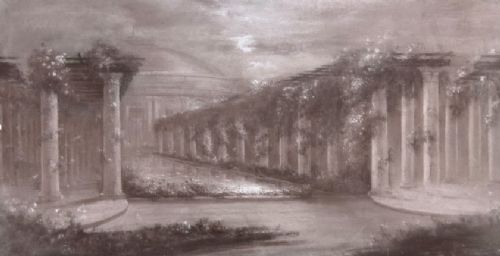
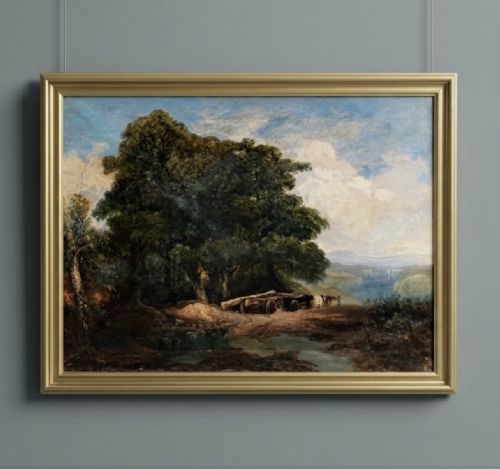
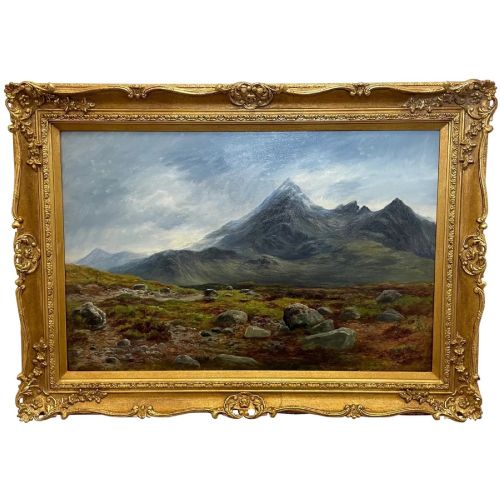
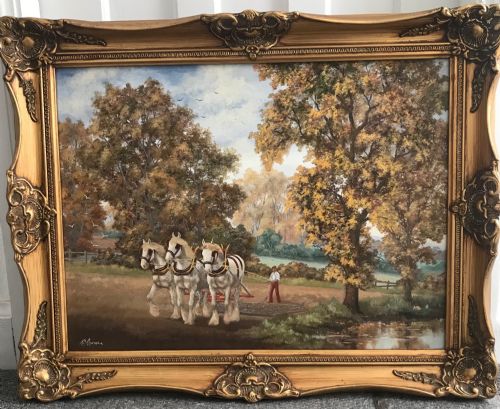
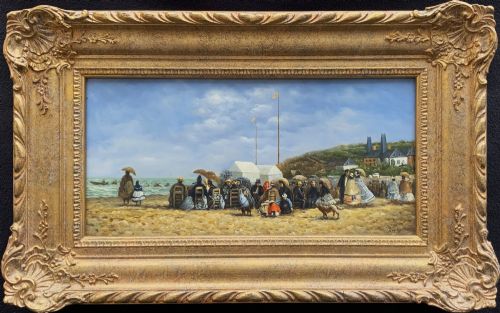
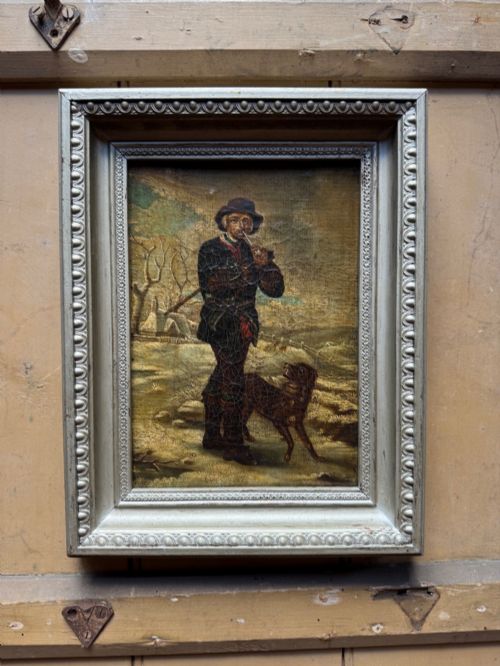
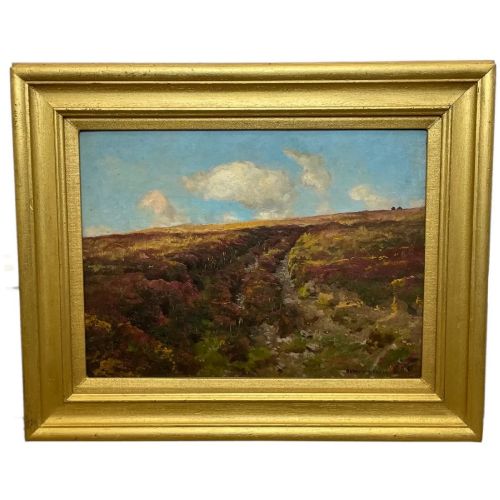
Canvas landscape artwork gathers centuries of painted scenery onto stretched fabric, bringing historic rural vistas, coastal shores and pastoral views directly into a room.
Canvas Landscape Artwork
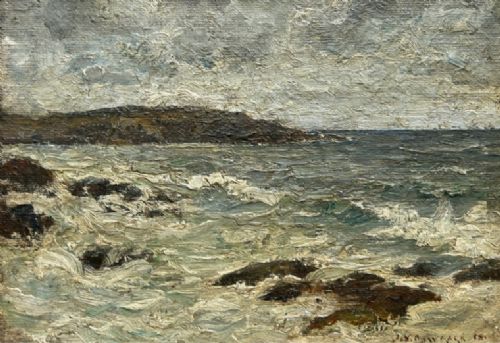
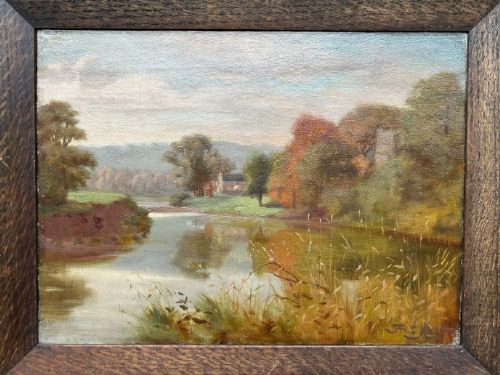
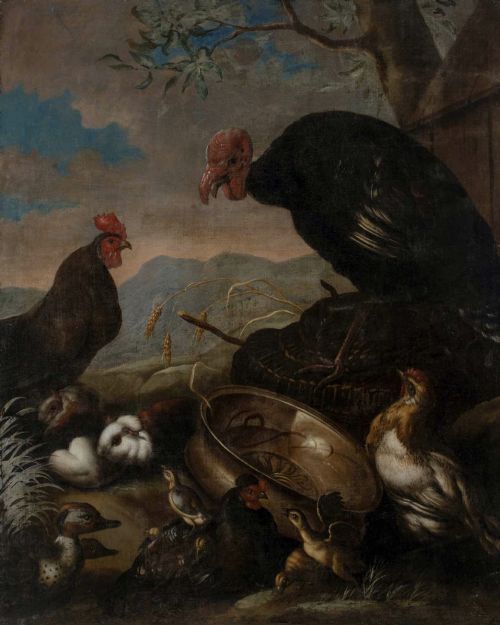
When a buyer searches for canvas landscape artwork, they encounter oil paintings, oil on board, and canvas works spanning periods from the seventeenth century through the mid twentieth century. These pieces record rural valleys, coastal seascapes, pastoral woodland scenes, and river views executed by British, French, Dutch, and Italian hands.
The versions met most frequently on this page belong to the nineteenth and early twentieth centuries, reflecting Victorian, Edwardian, and post-impressionist movements. Common subjects range from quiet riverbanks and mountain paths to bustling coastal ports and agricultural fields populated by livestock and figures.
Makers and schools represented in these listings include the Barbizon School, Norwich School, and various named British and continental painters. Formats vary from intimate oval sea views to large panoramic oil paintings suited to formal drawing rooms.
Materials and methods behind the painted surface
Artists built these scenes using oil paint applied to stretched canvas, wooden panels, or paper attached to canvas stretchers. The application ranges from smooth glazes to thick impasto layers that create textured highlights on water and foliage.
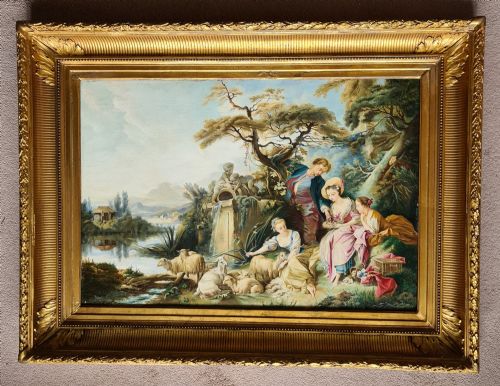
Frames play a structural and aesthetic role, frequently utilising carved wood, gesso, and giltwood or gilt finishes to enclose the canvas and protect its perimeter. Historic stretching techniques often leave canvas edges wrapped around wooden stretchers secured with period tacks or wedges.
Canvas Landscape Artwork Retail Price Guide 2026
Typical asking prices for canvas landscape artwork among the pieces listed under this phrase on Sellingantiques today, from the lower quarter to the upper quarter. They describe what is for sale here now, not the wider market.
Several canvases record stubborn livestock, including prized shorthorn bulls and grazing sheep that refused to budge for the artist.
Distinctions across the range
Quality in these paintings rests upon the precision of brushwork, the depth of perspective, and the artist's command of natural light and atmosphere. Superior examples display nuanced tonal shifts in skies and water, alongside convincing anatomical rendering of figures and animals.
The condition of the painted surface and its original or period-appropriate giltwood frame influences the standing of a piece. Works retaining their initial stretchers, clear signatures, and stable paint layers without extensive overpainting occupy the higher tier.
Eugène Verboeckhoven·Richard Sebastian Bond·William Beattie-Brown·William H Myers·Clifford Hanney·Frederick Marriott·Arthur Wardle·Angelo Maria Crivelli·Francois Boucher·John Horace Hooper·Reginald Arthur Borstel·Alfred Fontville de Breanski Jr·George Houston·Herbert Royle·Robert Morson Hughes·Thomas Barker of Bath·Thomas W Lascelles·James Kay·Augusto Alberici·Gabriel Mathieu·David Bates·Hubert Haider
The Canvas Landscape Artwork Glossary
- Impasto
- Paint applied thickly to a canvas so that it stands out from the surface. This technique allows brush or palette knife marks to retain a tangible, textured relief.
- Stretcher
- The wooden frame upon which an artist's canvas is pulled tight before painting. Traditional stretchers often feature corner keys used to adjust the tension of the fabric.
- Giltwood
- Wood that has been coated with a thin layer of gold leaf or gilt powder. It is commonly found on the ornate frames enclosing nineteenth-century oil paintings.
- Gesso
- A paint mixture consisting of a binder mixed with chalk, gypsum, or pigment. It serves as a prepared baseline surface on wooden panels and picture frames before gilding or painting.
- Barbizon School
- A nineteenth-century French movement of painters who focused on realistic landscape and rural genre scenes. These artists worked directly from nature, emphasising atmospheric light.
Canvas Landscape Artwork: Frequently Asked Questions
How do I hang a heavy framed oil painting?
Heavy framed oil paintings require secure picture hooks fixed directly into wall studs or heavy-duty wall anchors rated for the combined weight of the canvas and giltwood frame. Using a two-point hanging wire system distributes the load evenly across the wall.
Position the painting at eye level, ensuring the surrounding wall space supports the physical scale of the frame. Avoid hanging pieces in direct sunlight or above active heat sources to protect the canvas and paint layers.
What is the difference between oil on canvas and oil on board?
Oil on canvas involves painting on a woven fabric stretched across a wooden frame, which provides a flexible surface with subtle give under the brush. Oil on board uses a rigid wooden or composite panel as the primary support for the pigment.
Board supports tend to remain more stable against sagging over time, while canvas requires proper tension maintained via the stretcher wedges behind the frame.
How do I identify a nineteenth-century landscape?
Nineteenth-century landscapes typically exhibit specific stylistic traits such as romanticized natural lighting, visible brushwork, and detailed pastoral or maritime subject matter. Examining the reverse of the canvas often reveals period framer stamps, artist inscriptions, or weathered wooden stretchers.
Stylistic movements like the Victorian school or the Barbizon school provide further context through their treatment of rural light and atmosphere.