

Canvas Female Portrait Artwork
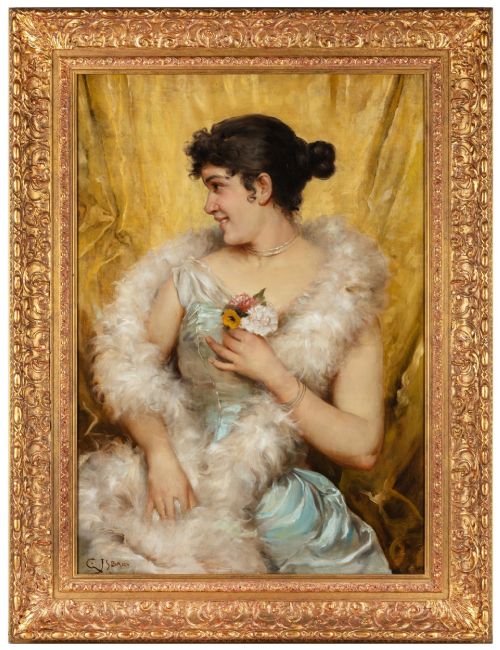
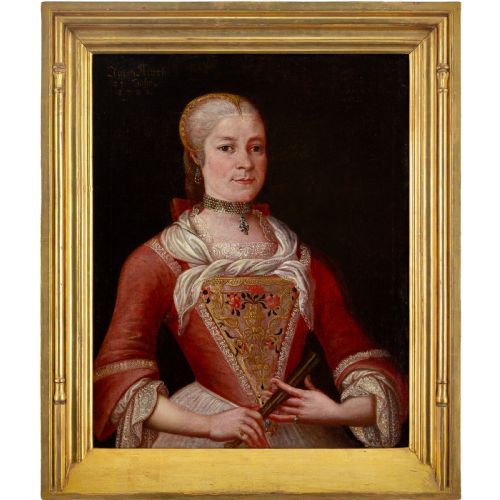
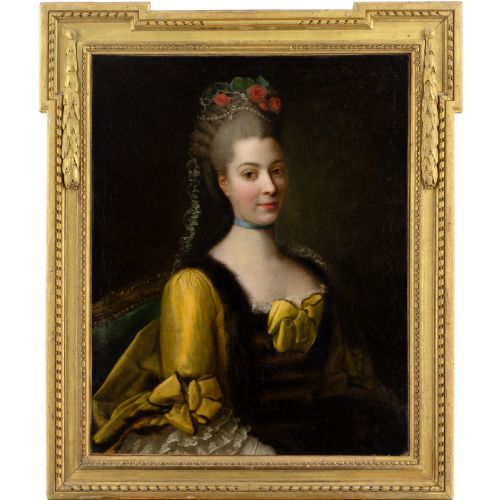
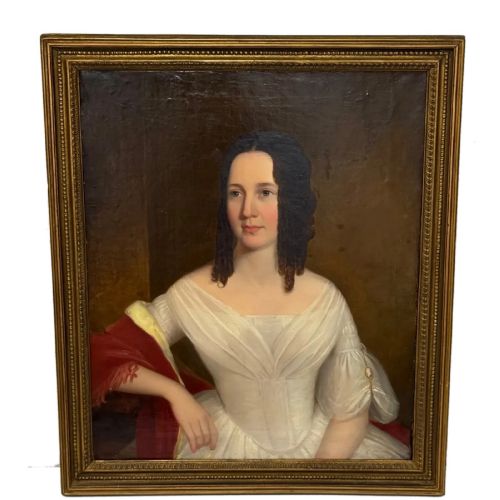
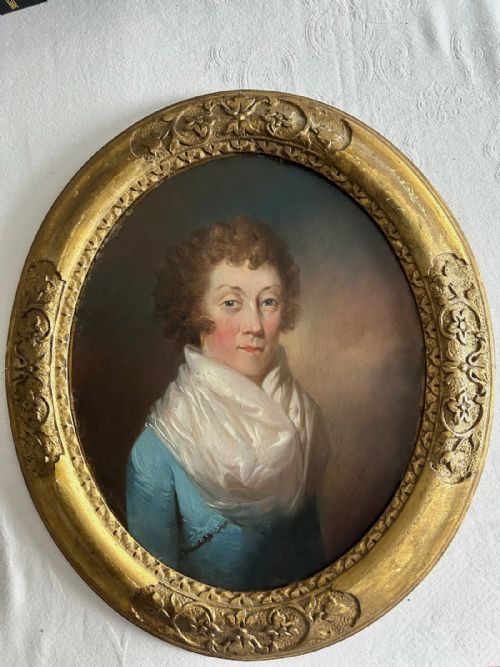
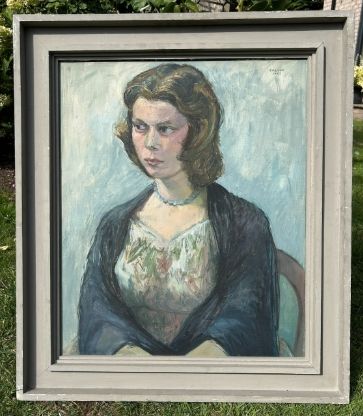
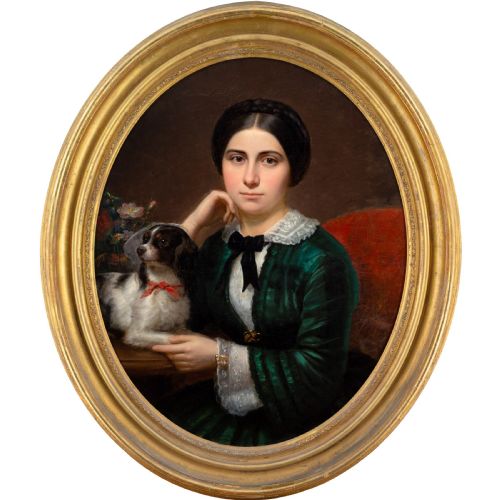
Canvas female portrait artwork spans centuries of oil painting, offering a direct glimpse into the likenesses of women through historic and mid-century periods.
Canvas Female Portrait Artwork
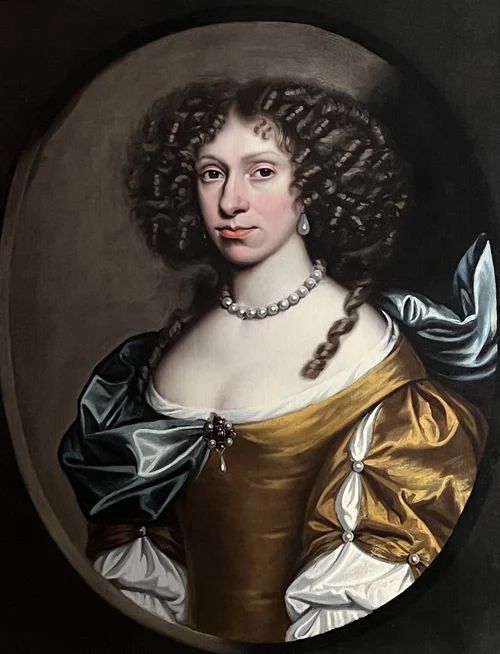
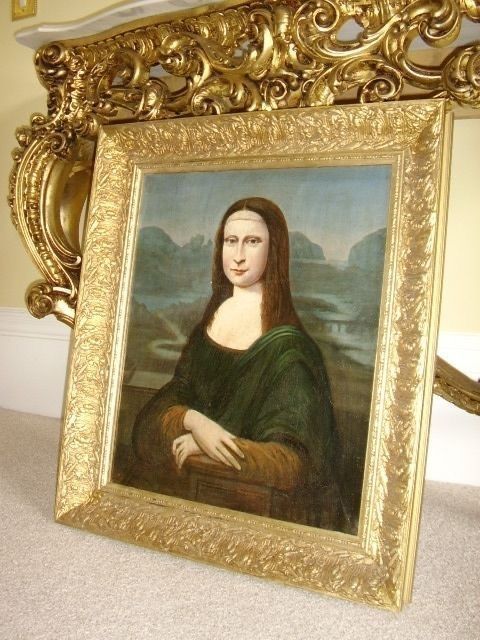
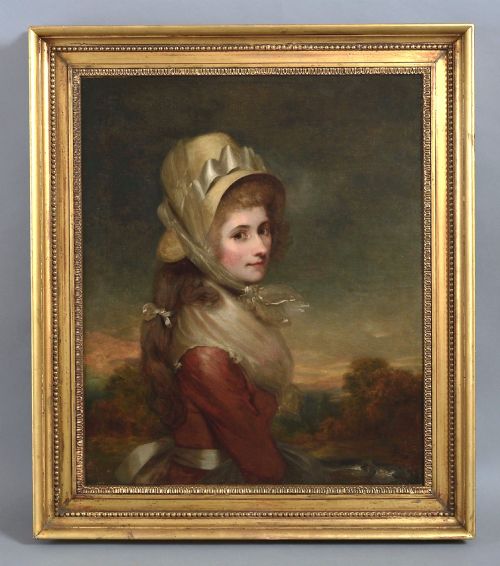
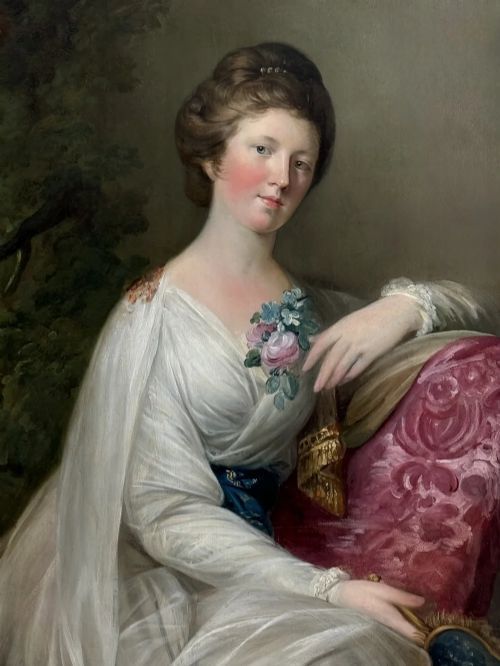
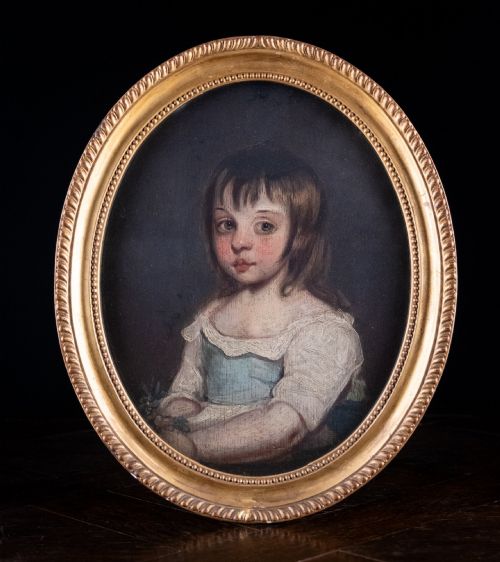
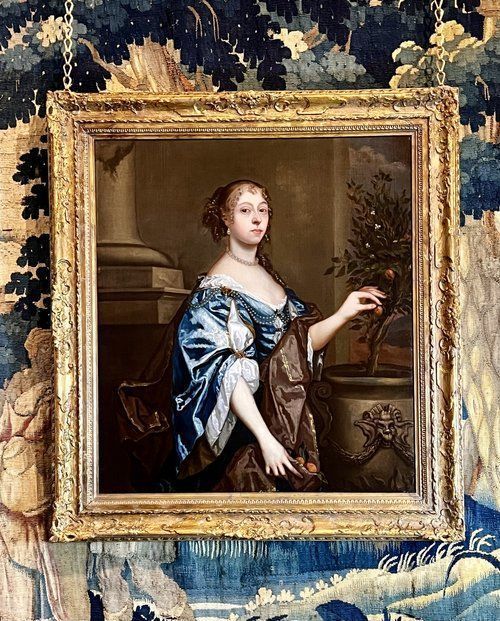
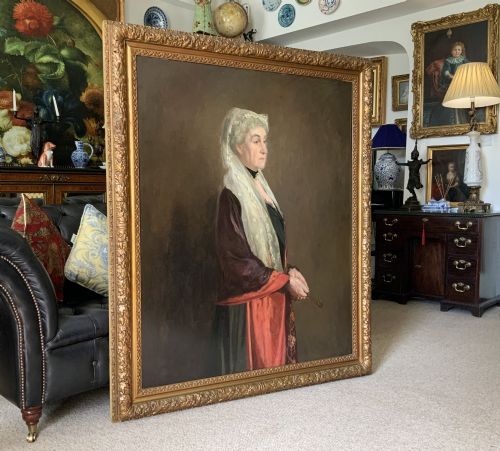
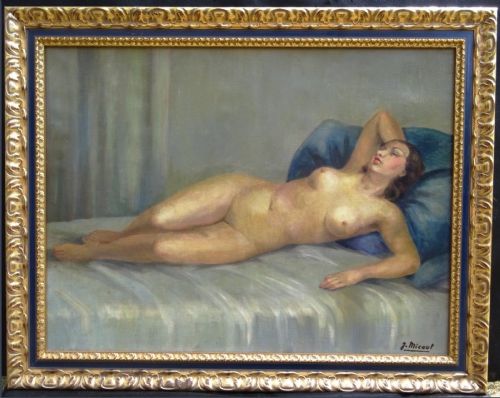
Canvas female portrait artwork encompasses oil paintings executed on canvas support, depicting women across various historical eras from the seventeenth century through to the mid-twentieth century. These pieces include British, French, and European works ranging from Baroque and Georgian depictions to Edwardian, Art Deco, and mid-century modern examples.
Buyers encountering this selection will frequently find nineteenth-century and eighteenth-century oil paintings, alongside seventeenth-century works and later twentieth-century interpretations. Formats vary from intimate depictions of country girls and young beauties to monumental framed portraits of named historical figures.
The subjects span domestic settings, landscapes, and formal studio poses, executed by named artists, studio circles, or regional schools. Such works serve as both historical records and decorative focal points for period interiors.
Materials and Technique
Pigments were worked with brushes to capture the subtle nuances of flesh tones, textiles, and lighting, varying from the dark, dramatic palettes of the seventeenth century to the brighter tones of the Edwardian and mid-century eras.
Listings feature canvas female portrait artwork spanning the seventeenth century through to 1950, utilising oil paint, wood, and giltwood.
Evaluating Quality
Quality rests upon the skill of the brushwork and the artist's ability to render anatomical proportion, facial expression, and the texture of garments with conviction. Works originating from the hand of a master or established studio exhibit superior draughtsmanship compared to anonymous provincial output.
The preservation of the paint surface and the stability of the original canvas dictate the overall integrity of the piece. Retaining a period frame appropriate to the era of the painting further enhances the visual cohesion of the artwork.
DAVID SCOUGALL·PIETER BORSSELER·GEORGE WILLISON·SIR THOMAS LAWRENCE·JOHN OPIE
The Canvas Female Portrait Artwork Glossary
- Oil on Canvas
- A traditional painting medium where oil-based pigments are applied to a woven fabric support. This combination allows for slow drying times, smooth blending of tones, and rich depth of colour.
- Giltwood
- Wood carved and coated with a thin layer of gold leaf or gold paint. It frequently forms the ornate frames associated with fine historical portraits.
- Baroque
- An artistic style spanning the seventeenth and early eighteenth centuries, characterised by dramatic lighting, deep shadows, and intense emotional expression. Portraits from this period often feature rich drapery and dark backgrounds.
- Regency
- A British stylistic period spanning the early nineteenth century, noted for classical elegance and restrained neoclassical portraiture. Works from this time typically display refined pastel tones and softer lighting.
- Provenance
- The documented history of ownership of an artwork, tracing its path from the creator to the present day. Detailed provenance adds historical weight and confirms authenticity.
Canvas Female Portrait Artwork: Frequently Asked Questions
How do I date a canvas female portrait artwork?
Dating relies on stylistic clues within the subject's dress, hairstyle, and the framing techniques used. Costumes reflect the prevailing fashion of the decade in which the portrait was painted.
Examination of the canvas weave, stretcher construction, and pigments can also provide reliable indicators of age, aligning the piece with periods such as the Georgian or Victorian eras.
What is the difference between a studio work and an original painting?
An original painting is executed entirely by the named master artist. A studio work is produced under the artist's supervision or by assistants following their established methods.
Both categories hold historical and aesthetic value, though works directly from a master's hand are typically valued more highly by collectors.
How should I care for an antique oil painting?
Antique oil paintings require stable environmental conditions away from direct sunlight and excessive humidity. Fluctuations in temperature can cause the canvas to slacken or the paint layer to crack.
Dusting should be performed gently with a soft, dry brush, avoiding any moisture or chemical cleaning agents on the delicate paint surface.
Where were historical portraits typically displayed?
Historical portraits were traditionally commissioned by affluent families to hang in the principal rooms of country houses and town residences. They served to display lineage, status, and important personal alliances.
Today, these works transition smoothly into modern residential interiors, adding character and a sense of history to living spaces.