
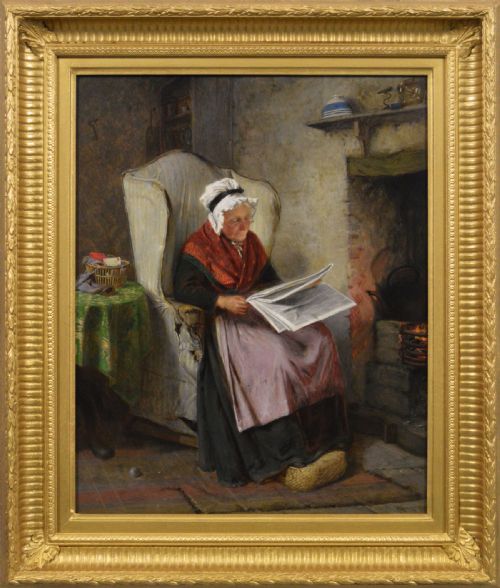


Traditional Oil Painting Woman
A traditional oil painting woman brings the domestic and rural life of past centuries into a modern room through pigment and canvas.
Traditional Oil Painting Woman
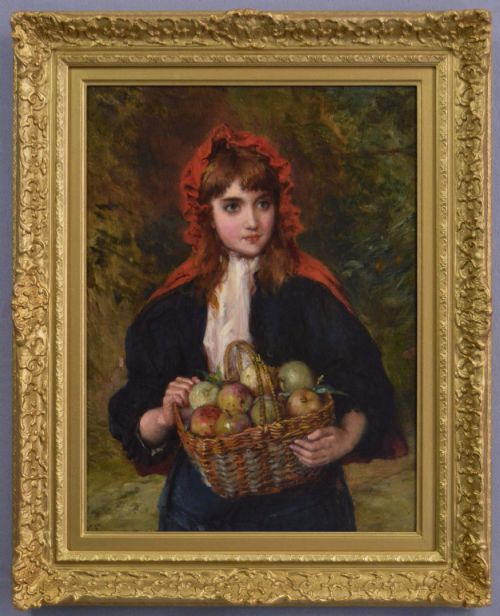
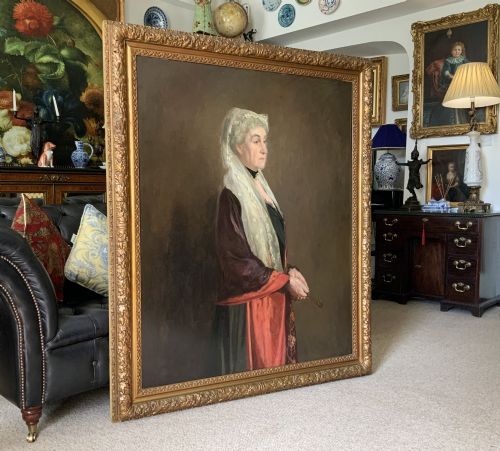
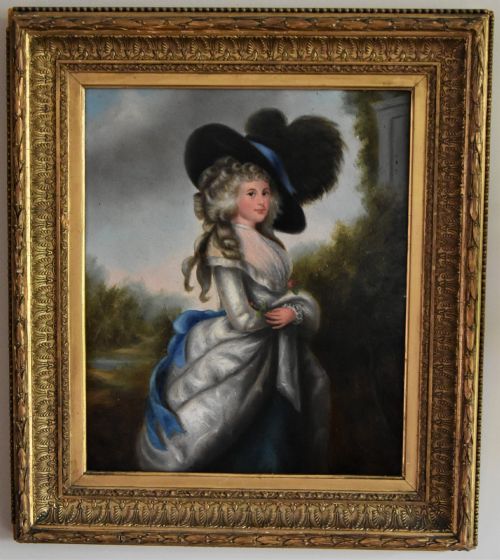
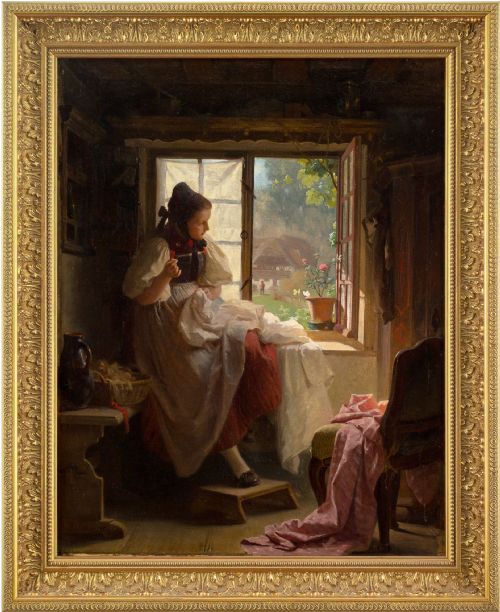
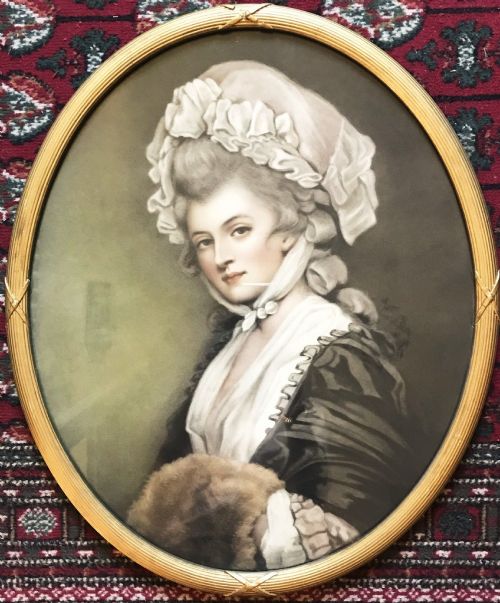
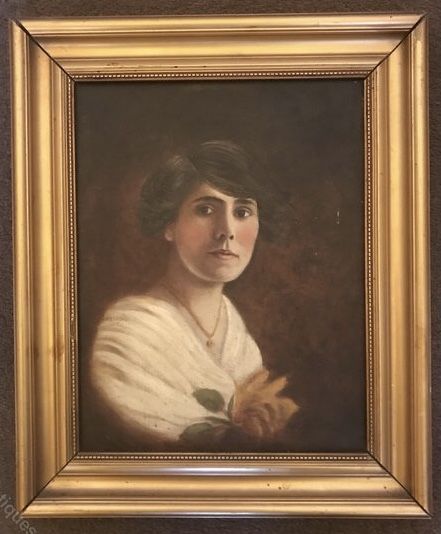
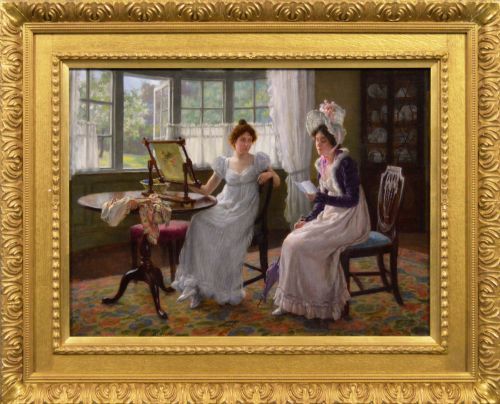
A traditional oil painting woman typically depicts female subjects in portraiture or genre scenes, ranging from single sitters holding baskets of fruit or flowers to women engaged in daily tasks like sewing or spinning wool. These works frequently date from the nineteenth century, including Victorian and Edwardian periods, as well as early twentieth-century examples.
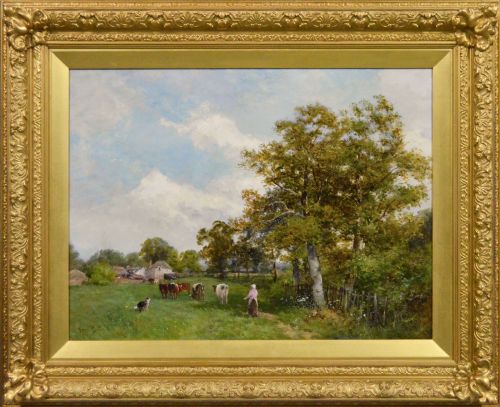
The subjects appear in various settings, from pastoral landscapes and farmyards with animals to quiet country house interiors and intimate cottage rooms. Buyers encounter formal half-length portraits alongside narrative genre pieces showing women and children gathering berries or tending to livestock.
Materials and construction
Artists built these works primarily using oil paint applied to woven canvas stretched over wooden frames, though some examples utilise oil on board or wood panels. Painters employed layered oil pigments to achieve depth in drapery, flesh tones and background details.
Many of these works remain housed in their original or period-appropriate gilded wood frames, often embellished with moulded gesso and finished with gold leaf.
The selection spans from the eighteenth century through the Edwardian era, featuring oil paintings on canvas and board within gilt wood frames.
What separates the work
The distinction in quality rests upon the artist's command of anatomy, light and expression, where masterly brushwork brings subtle life to a sitter's face or the texture of a wool shawl. Weaker examples rely on stiff repetition and flat application of pigment.
Compositional balance and the integration of the figure within the landscape or interior also divide standard studio pieces from superior works by accomplished painters.
William Oliver·David Bates·Max Kaltenmoser·Charles Haigh Wood·Haynes King·Henry John Yeend King·John Robert Dicksee·Frank Moss Bennett·William Joseph Carroll·Jane Maria Bowkett·Claude Cardon·Robert Edward Morrison·Pierre Louis Joseph De Coninck·Ernest Walbourn·Karel Frans Philippeau·Alfred Provis·Sonia Mervyn·Jonathan Pratt
The Traditional Oil Painting Woman Glossary
- Genre painting
- A style of art depicting scenes from everyday life, ordinary people, and domestic interiors rather than grand historical or mythological subjects.
- Oil on canvas
- A technique involving pigment suspended in a drying oil medium, traditionally linseed, applied to a stretched woven cloth support.
- Gesso
- A plaster mixture applied to wood or canvas as a prepared base for painting, or moulded onto frames to receive gold leaf.
- Gilt wood
- Wood surfaces coated with a thin layer of gold leaf or metallic powder, commonly seen on period frames.
Traditional Oil Painting Woman: Frequently Asked Questions
What is a genre oil painting?
A genre oil painting depicts scenes of everyday life, showing ordinary people at work or in domestic settings rather than grand portraits or historical events.
These works capture intimate moments, such as a woman sewing by a window, spinning wool in a cottage, or tending to farm animals.
How do I date a nineteenth-century portrait?
Dating relies upon costume details, hairstyles, and the specific style of brushwork and framing typical of periods like the Victorian or Edwardian eras.
Signatures, inscriptions on the reverse of the canvas, and framing materials also provide reliable chronological markers.
Where should I hang these paintings?
These works suit traditional living rooms, studies, or hallways where their domestic and pastoral subjects complement period architecture and furniture.
Placement should avoid direct sunlight and damp walls to protect the oil paint and gilded wooden frame.
What is the difference between canvas and board?
Canvas consists of woven fabric stretched over a wooden frame, offering a flexible surface that yields slightly to the touch.
Board provides a rigid wooden or pressed support that painters often used for smaller portrait sketches and panel works.