


Impressionist Portrait Oil
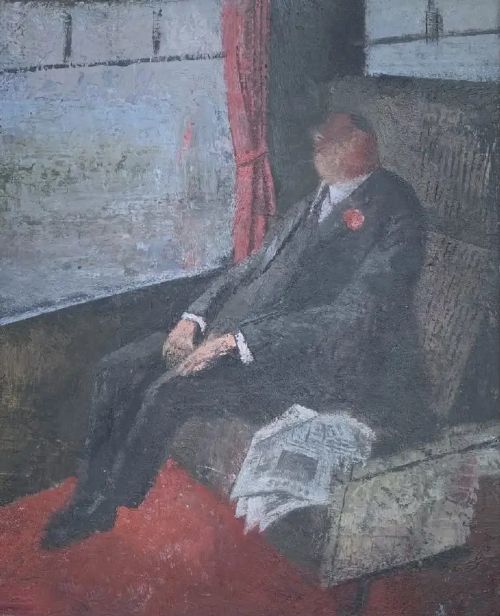
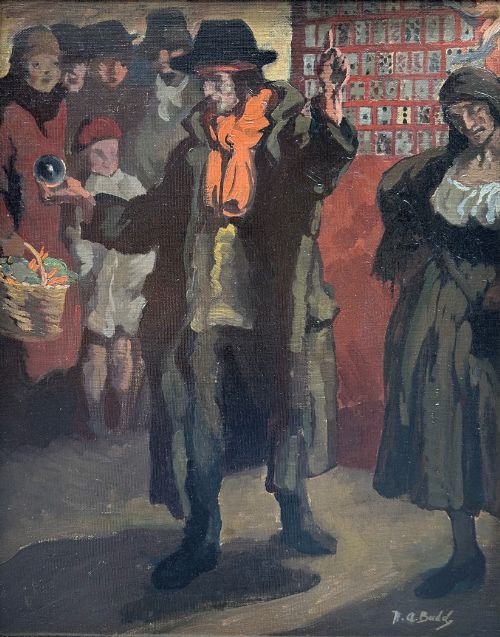
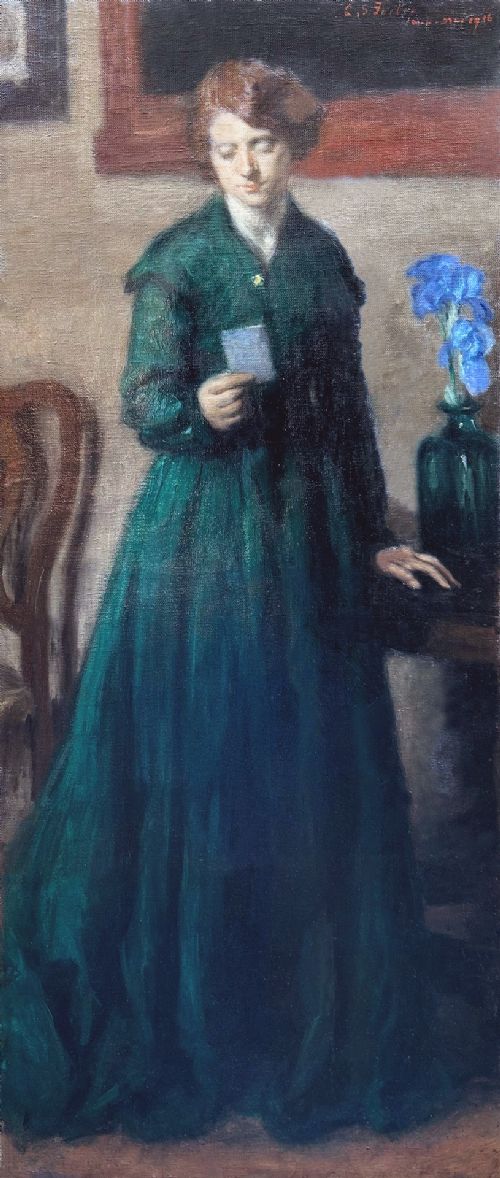
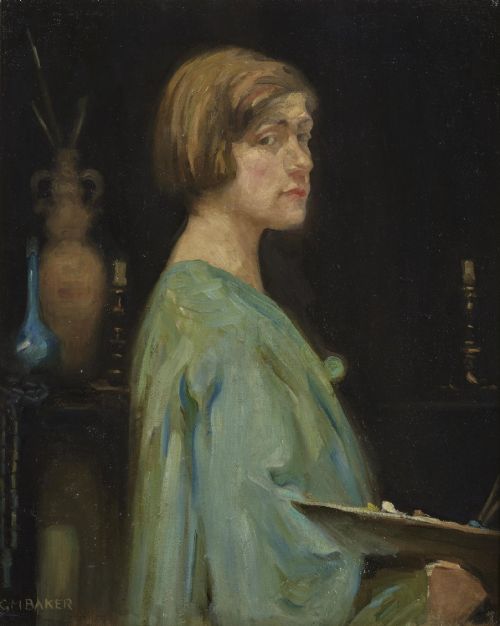
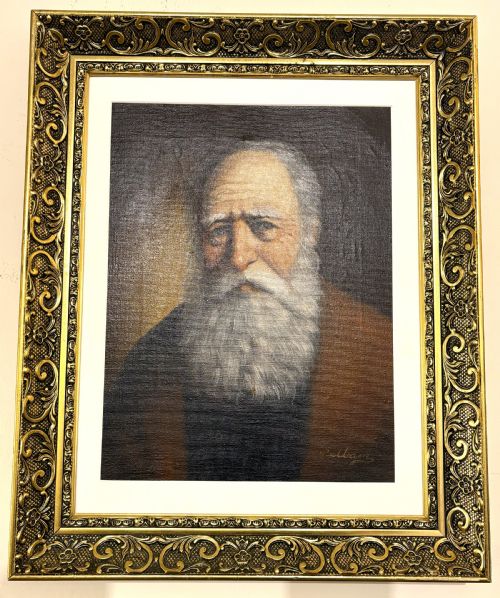
Impressionist portrait oil paintings capture human character through expressive brushwork, offering interiors a distinct focal point rich in historic atmosphere.
Impressionist Portrait Oil
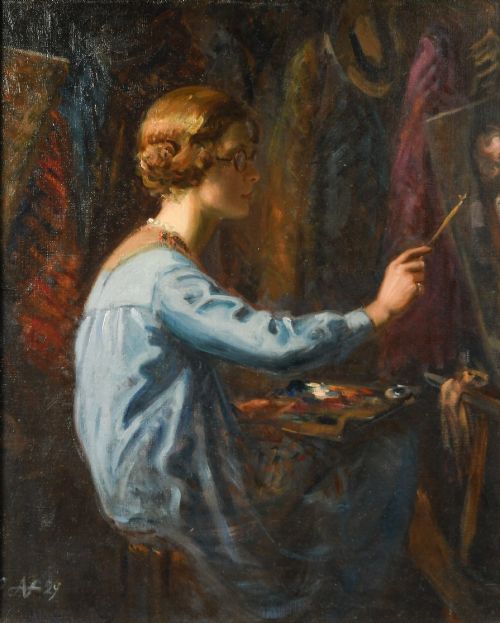
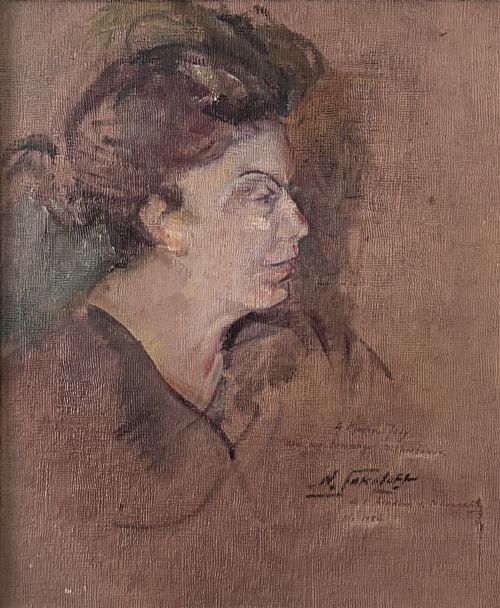
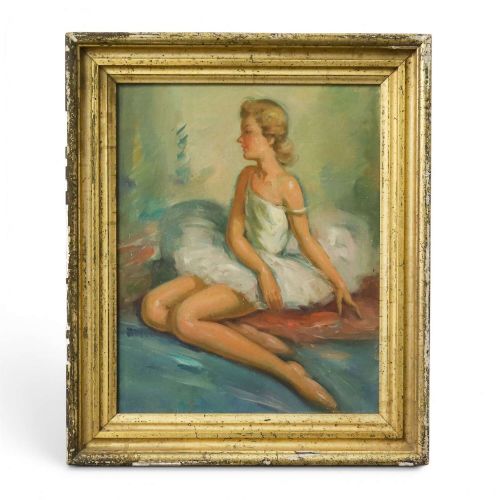
An impressionist portrait oil brings together expressive brushwork and human character, focusing on figures ranging from solitary readers to dancers and artists in their studios. When exploring this selection, buyers frequently encounter works originating from the late nineteenth century through the mid-twentieth century.
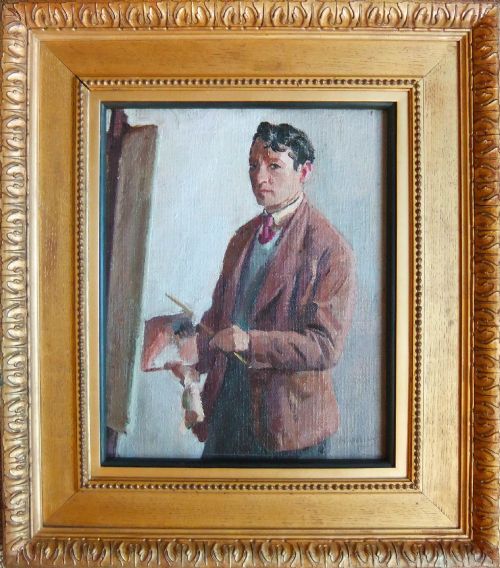
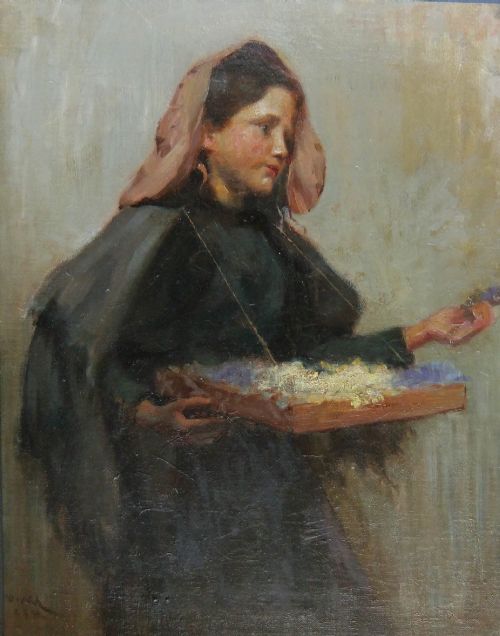
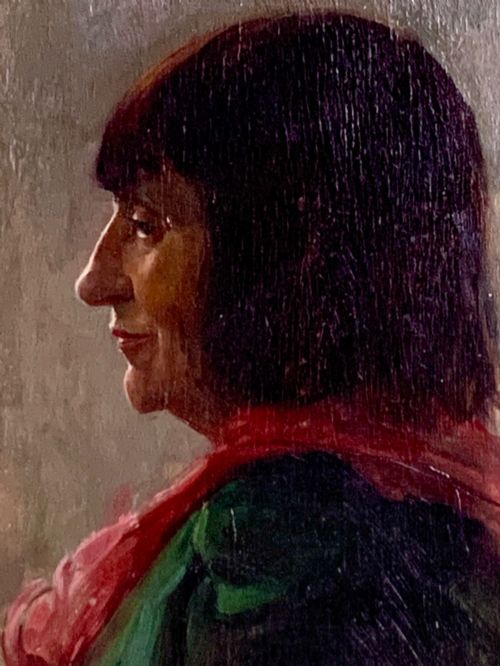
The pieces on this page span diverse movements including British Impressionism, Post-Impressionism, and Modern British styles. Subjects encompass formal self-portraits, contemplative women, and children at play, often rendered on canvas or wood panel.
Makers represented here include named continental and British artists alongside anonymous regional schools. These artworks serve as windows into historical domestic and artistic life, valued for their textural presence and psychological depth.
How They Were Made
Artists painted these works primarily using oil paint applied to prepared canvas or wood panels, allowing for rich texture and gradual blending. Pigments were frequently layered to build luminous skin tones and atmospheric backgrounds.
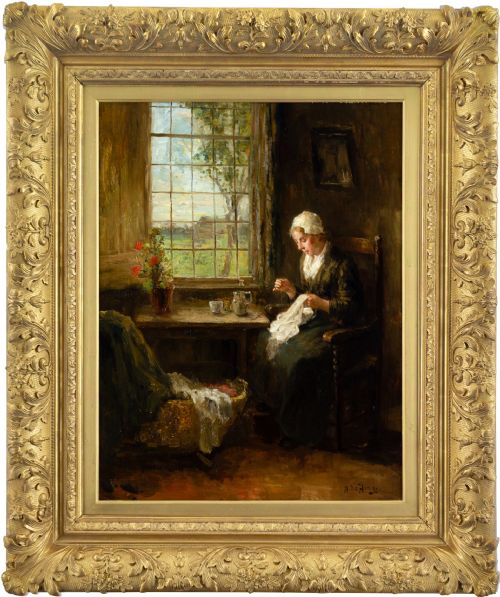
Many of these paintings retain their period frames constructed from gilt wood, which complement the textured surfaces of the artworks. The combination of oil medium and supportive wooden or canvas grounds has ensured the survival of these delicate brushstrokes across the decades.
Several portraits capture subjects caught mid-laughter, children playing dress-up, or artists staring directly back from their easels.
What Varies in Quality
Quality in these portraits rests on the confidence of the brushwork and the artist's ability to convey gesture and mood with economy. Stronger examples demonstrate a sure handling of light across the subject's face, whereas lesser works can feel stiff or overly laboured in their execution.
The harmony between the painting and its period frame also influences the overall integrity of the piece. Works that retain their original gilt wood settings maintain a more unified historic character.
Herbert Ashwin Budd·Charles Stuart Forbes·Gladys Marguerite Baker·Bernard De Hoog·Philip Naviasky·William Watt Milne·Ronald Ossory Dunlop·David Pelbam·Edouard Julien·Raymond Moritz·Henri Vincent-Anglade·Frans Gailliard·Attilio Toro·Philippa Maynard Romer·Vincenzo Irolli·Jozef Israëls·Jean Hippolyte Marchand·Roland Batchelor·Dod Proctor·Roberto Venturi·Igor Talwinski·Yetta Kane·Christian Caillard·George Smith·Bernard Meninsky
The Impressionist Portrait Oil Glossary
- Canvas
- A heavy woven fabric stretched across a wooden frame to serve as a painting surface. It provides a slightly textured ground that holds thick applications of oil paint securely.
- Impressionism
- A nineteenth-century painting style characterised by relatively small, thin, yet visible brush strokes and an emphasis on accurate depiction of light. This approach prioritises the general impression of a scene over minute photographic detail.
- Gilt wood
- Wood decorated with gold leaf or a gold-coloured metallic finish, commonly used for historical picture frames. It adds a warm reflective border that enhances the colours within the oil painting.
- Post-Impressionism
- A predominant art movement that extended Impressionism while rejecting its limitations, favoring more symbolic content and heavier weight. Artists working in this manner explored bolder colours and distinct geometric forms.
- Panel
- A flat piece of wood used as a rigid support for oil painting instead of stretched fabric. Panels offer a completely stable ground that prevents the flexing often associated with older canvas.
Impressionist Portrait Oil: Frequently Asked Questions
What is an impressionist portrait oil?
These artworks are paintings executed in oil that capture human subjects through loose, expressive brushwork rather than strict realism. They emphasise mood, lighting, and personality over photographic precision.
Created across various decades, they reflect the shifting artistic priorities of British and European schools during the nineteenth and twentieth centuries.
How should I display an oil painting?
Oil paintings on canvas or panel benefit from stable indoor environments away from direct sunlight and damp conditions. Proper wall placement protects both the historic paint layers and the original frame.
Allowing adequate wall space lets the textured brushwork and gilt wood frames catch natural room light effectively.
How can I tell the period of a portrait?
Dating often relies upon the sitter's clothing, hairstyle, and the framing style typical of specific decades like the eighteen-eighties or nineteen-fifties. Signatures, artist biographies, and exhibition labels on the reverse also provide chronological clues.
Stylistic markers such as modernist abstraction or traditional nineteenth-century realism further narrow down the exact era of creation.
Were these paintings always framed?
Most works of this type were paired with frames shortly after completion to protect the edges of the canvas or panel. Original gilt wood frames often share the age of the painting and contribute to its historic presentation.
Some pieces retain replacement or later period frames that were selected to complement the tones within the composition.