


Seated Woman Painting
Seated woman painting works capture female figures at rest or in thought across several centuries of portraiture.
Seated Woman Painting
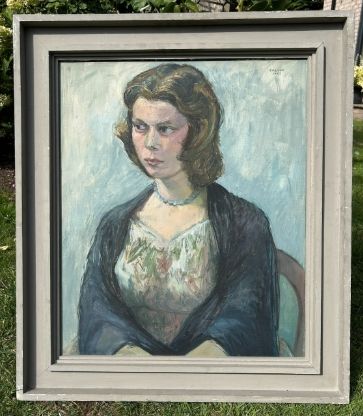
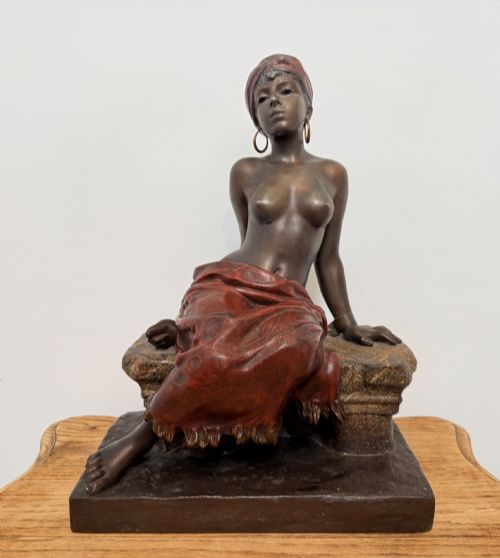
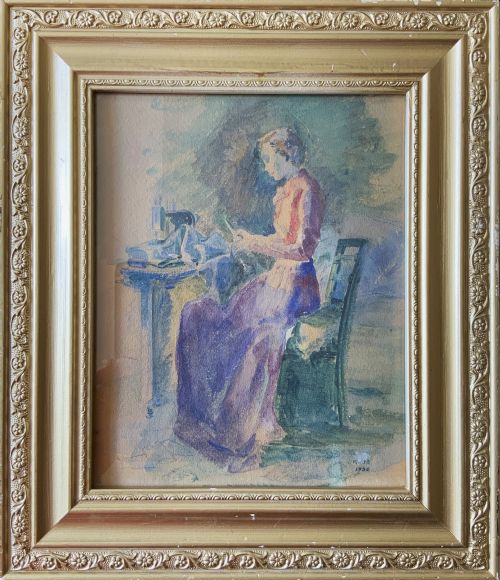
A seated woman painting typically presents a female figure captured on canvas, panel or paper within domestic and landscape settings. These portraits span the eighteenth, nineteenth and twentieth centuries, taking forms ranging from formal oil paintings to watercolour studies and decorative porcelain figures.
Buyers encountering this search phrase will find oil on canvas works alongside bronze sculptures and framed watercolours. The subjects appear in various attire, from Victorian gowns and Regency dresses to mid-century modern clothing.
Origins stretch across English, French and Scandinavian schools, reflecting diverse regional approaches to portraiture from the 1700s through to the 1950s. Victorian and Edwardian examples sit alongside mid-century realism and post-impressionist canvases.
Materials and construction
The majority of these works utilise oil paint applied to canvas, often supported by wooden stretcher frames. Artists also employed watercolour on paper and moulded bronze or patinated bronze for sculptural interpretations.
Gilded wood and gesso feature heavily in the construction of period frames, providing ornate borders that complement the canvas within. Porcelain figures utilise fired ceramic material finished with fine glaze and hand-painted detail.
Assessing quality and execution
Quality in these works rests upon the precision of brushwork, the handling of light and shadow, and the psychological depth captured in the subject's expression. Superior examples demonstrate confident handling of anatomy and fabric texture.
The sophistication of the supporting frame often indicates the original status of the piece, with hand-carved gilded wood signifying high-tier production. The clarity of the artist's signature and documented provenance further elevate the standing of individual pieces.
Kenneth Cozens·E Villanis·Honore Cavaroc·William Owen·Sonia Mervyn·Alfred Broge·Jelle Troelstra·Florence Abrahamson·Robert Panitzsch·Julius Paulsen·Olaf Simony Jensen·J Cecil Bradshaw
The Seated Woman Painting Glossary
- Oil on Canvas
- Pigment mixed with drying oil applied to a woven fabric stretched across a wooden frame. This medium allowed artists to achieve rich colour depth and subtle tonal gradations.
- Patinated Bronze
- A metal alloy of copper and tin treated with chemical solutions to produce a specific surface colour. This finish protects the metal and creates an aged appearance.
- Post-Impressionism
- An art movement extending beyond French impressionism that focused on symbolic content and heavier brushwork. Artists in this tradition explored structure and emotional resonance.
- Stipple Work
- A painting technique using small dots or short strokes to build up texture and tone. This method creates soft transitions in portraits.
- Gesso
- A plaster mixture applied to wood or canvas as a base for painting or gilding. It provides a smooth surface for detailed artistic work.
Seated Woman Painting: Frequently Asked Questions
What periods do these paintings cover?
The selection spans from the eighteenth century through the Edwardian era and into the mid-twentieth century. Pieces reflect distinct historical periods including the Regency and Victorian epochs.
Later works extend into nineteen-fifties realism and impressionism. Each era brings specific clothing styles and painting techniques to the canvas.
Are all these works oil paintings?
While oil on canvas forms the largest category, the selection includes watercolours and stipple work paintings. Sculptures in bronze and porcelain also appear alongside traditional flat art.
This variety allows collectors to choose between framed wall art and freestanding decorative figures. Each medium offers a different interpretation of the female portrait subject.
How should I display a canvas painting?
Keep oil paintings away from direct sunlight and excessive humidity to protect the canvas and pigments. Ensure the room maintains a stable temperature to prevent warping of the wooden stretcher frames.
Mount the piece securely using appropriate wall fixings suitable for the weight of the frame. Regular dusting with a soft, dry brush keeps the surface clear.
How do I identify the era of a portrait?
Examine the clothing, hairstyle and accessories of the seated woman, as these follow the fashion trends of their decade. Coral necklaces and specific dress cuts point directly to Regency or Victorian periods.
Frame construction and canvas backing materials also offer clues to age. Signatures and biographical details of the artist help narrow down the creation date.