
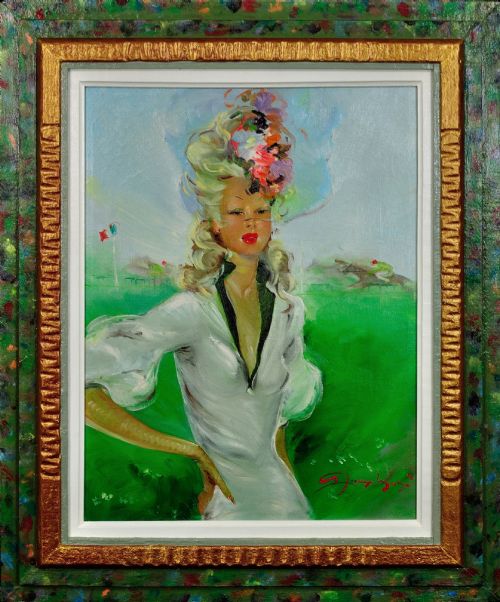
Canvas Equestrian Portrait
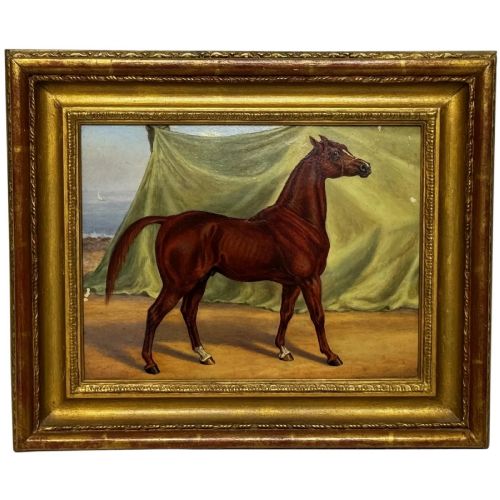
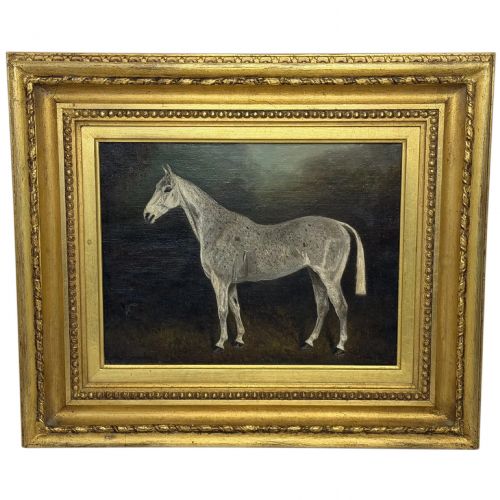
A canvas equestrian portrait captures the physical power and personality of a specific horse, usually rendered in oil paint during the Victorian or nineteenth-century periods.
Canvas Equestrian Portrait
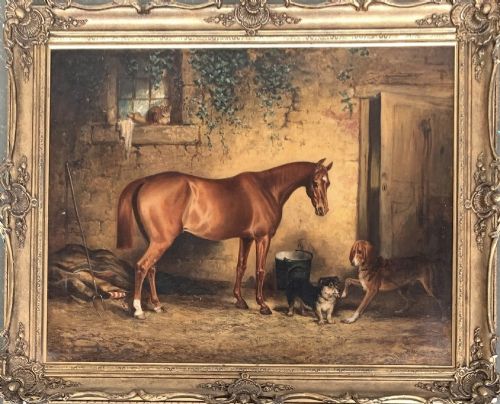
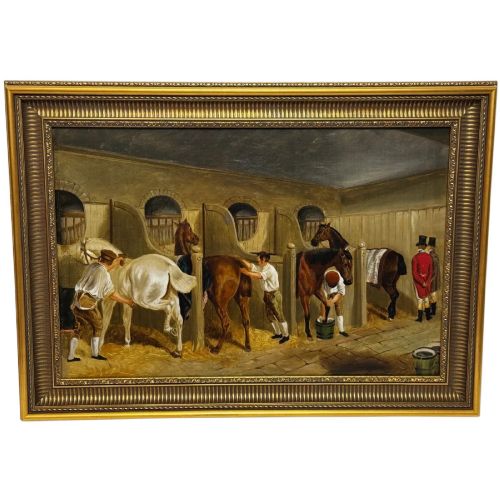
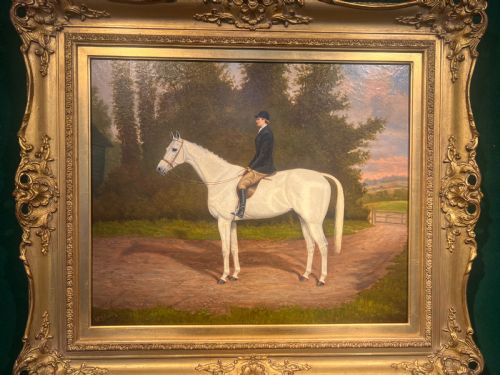
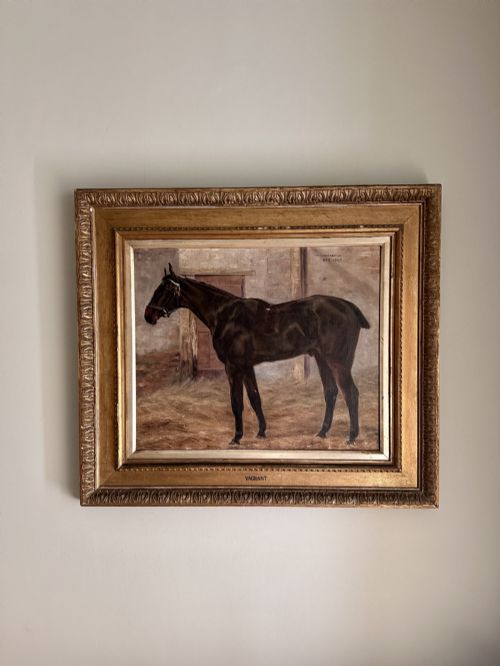
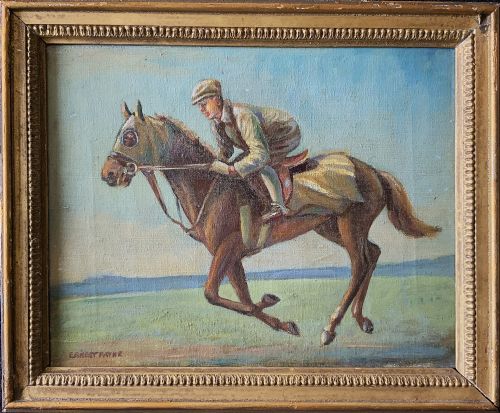
When searching for a canvas equestrian portrait, a buyer looks at painted studies of horses, often shown alongside jockeys, stables, or hunting hounds. The examples met most frequently on this page date from the nineteenth century and the Victorian era, reflecting a time when equine art recorded prized racers, hunters, and stable companions.
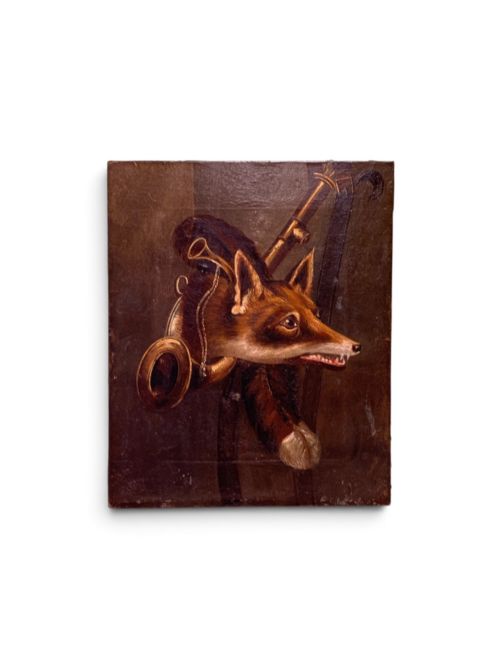
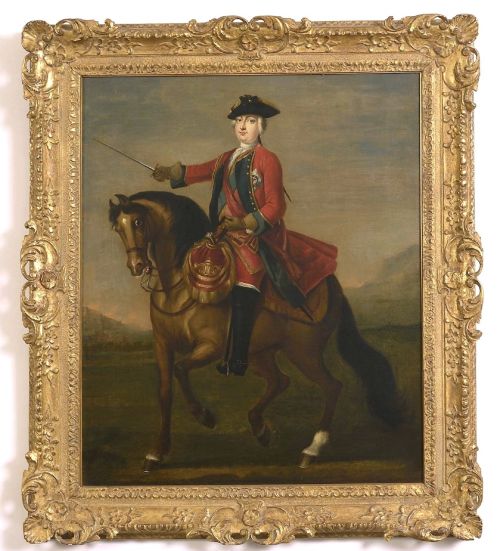
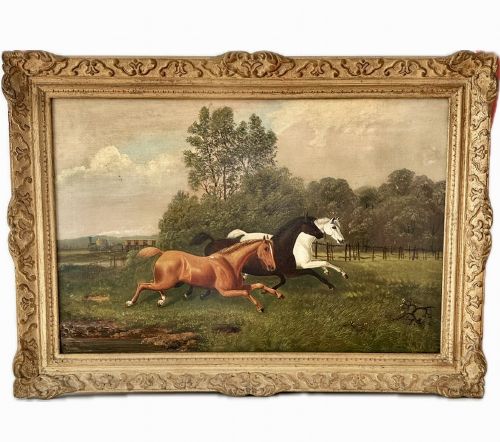
These works range from straightforward animal portraits to broader sporting scenes involving riders, carriages, or landscapes. Many pieces focus entirely on named thoroughbreds or stable studs, while others capture specific horses within nineteenth-century realists' rural or racing settings.
How They Were Made
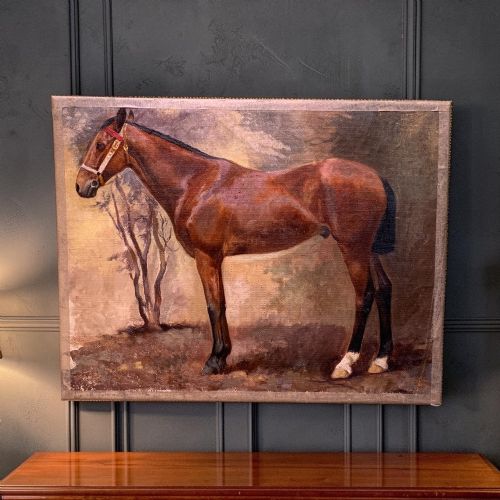
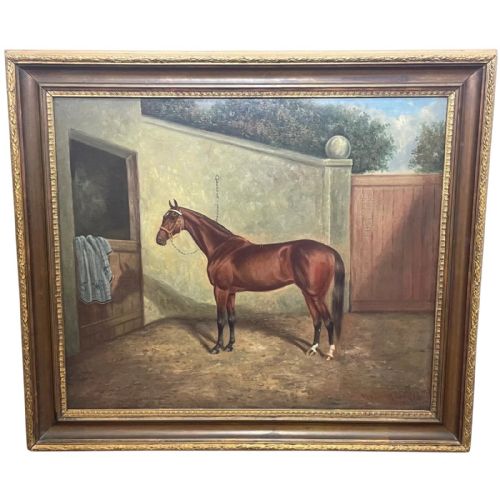
Artists painted these subjects using oil paint applied to woven canvas stretched over wooden frames, sometimes housed in heavy giltwood surrounds. The combination of oil pigments allowed painters to render the muscular sheen of a bay or chestnut coat and the play of light across leather tack.
Makers layered oil paints to build depth in the animal's coat and the surrounding landscape, utilising fine brushes for facial markings and broader strokes for pastures or stable interiors.
Listings span the eighteenth, nineteenth, and twentieth centuries, utilising oil on canvas and giltwood frames across Victorian sporting art and realism styles.
What Varies in Quality
The distinction between ordinary and superior works lies in the anatomical accuracy of the horse and the handling of light across the canvas. A finer portrait captures the intelligent eye, correct leg conformation, and individual muscle structure rather than a generic equine shape.
Provenance and documentation also separate works; paintings that identify the specific horse, owner, or racecourse carry stronger historical weight than anonymous likenesses. The integration of the animal within a detailed landscape or stable interior further distinguishes the composition.
Henry Barraud·John Wootton·Thomas Hudson·Albert Clark·Fred Fitzpatrick·Ernest Payne·Edward Priestley·John Alfred Wheeler·Thomas Walker Bretland·John Ferneley Senior·George E Sharpe
The Canvas Equestrian Portrait Glossary
- Canvas
- A heavy woven fabric used as the primary support surface for oil paintings. It is typically stretched tightly over a wooden strainer frame before painting begins.
- Giltwood
- Wood that has been coated with a thin layer of gold leaf or gold paint. Frames made of this material frequently accompany nineteenth-century sporting art.
- Bay
- A horse coat colour characterised by a reddish-brown body with black points on the mane, tail, and lower legs. This term appears often in nineteenth-century equine descriptions.
- Thoroughbred
- A horse breed developed for racing, frequently recorded in sporting art. Painters documented these animals for their speed, lineage, and historic race wins.
Canvas Equestrian Portrait: Frequently Asked Questions
How do I identify the horse in an equestrian portrait?
Many portraits include contemporary inscriptions on the canvas, stretcher, or frame naming the animal, its owner, or a specific race victory. Examination of nineteenth-century racing records often links these named horses to historical events.
Commissioned works frequently recorded prized hunters or derby winners for estate owners. If no inscription exists, the physical markings and style may still indicate the era and region of origin.
Where were these paintings displayed originally?
Equine portraits traditionally hung in country houses, estate libraries, and stable offices. Owners commissioned them to celebrate breeding triumphs, hunting seasons, or favourite riding horses.
Later Victorian collectors placed these works in drawing rooms and sporting galleries. Today, they suit traditional studies or living spaces that embrace historical art.
How should I care for an oil on canvas painting?
Keep the canvas away from direct sunlight and steady humidity levels to prevent the oil paint from cracking or warping. Dust the surface gently with a dry, soft brush without applying pressure to the paint layer.
Avoid using moisture or chemical cleaners on the canvas. If the painting requires deeper cleaning or restoration, consult a professional conservator.
What subjects accompany horses in these paintings?
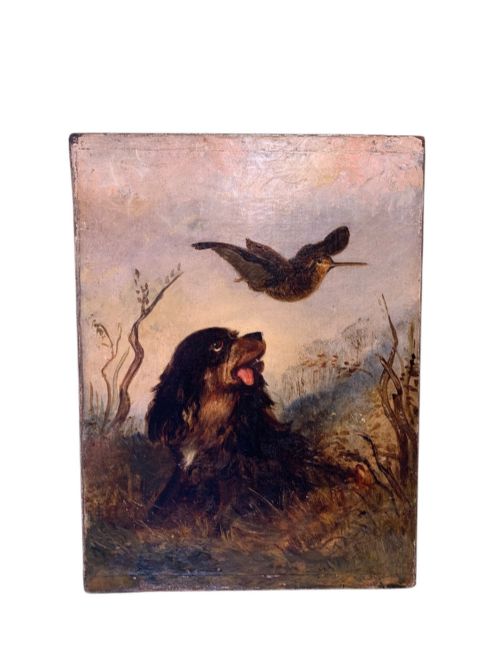
Horses frequently appear with stable lads, jockeys, or hunting dogs such as spaniels and foxhounds. Landscapes featuring river views, rolling pastures, or steam locomotives often form the background.
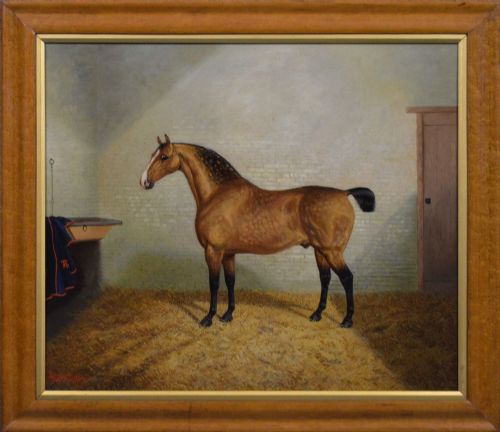
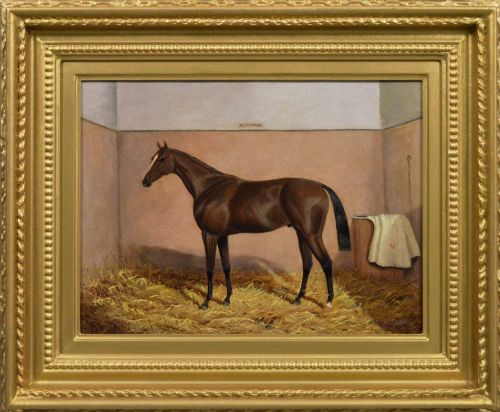
Some compositions place the animal inside a stable interior, while others capture racehorses at major nineteenth-century racecourses.