

Canvas Animal Wall Painting
Canvas animal wall painting brings together centuries of oil portraits, sporting art and folk studies depicting dogs, horses and livestock.
Canvas Animal Wall Painting
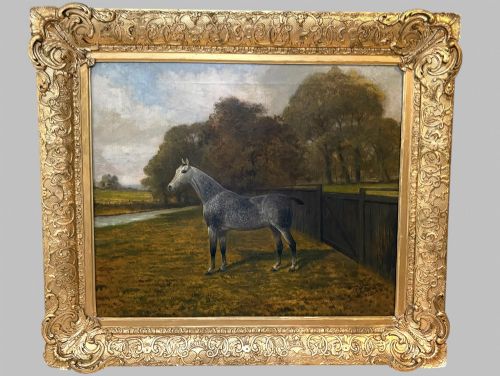
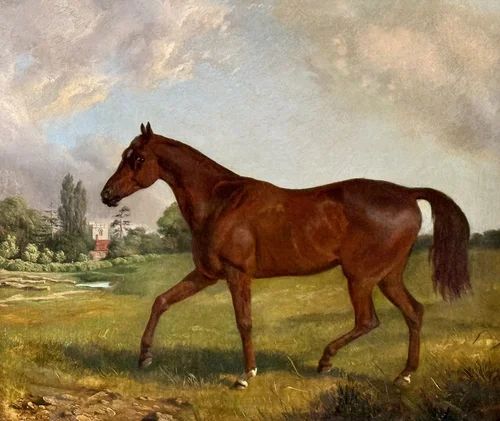
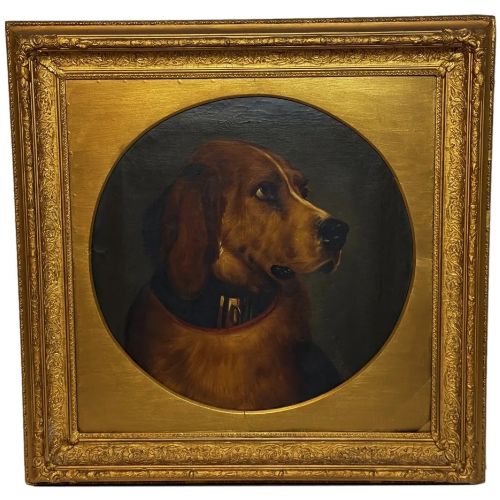
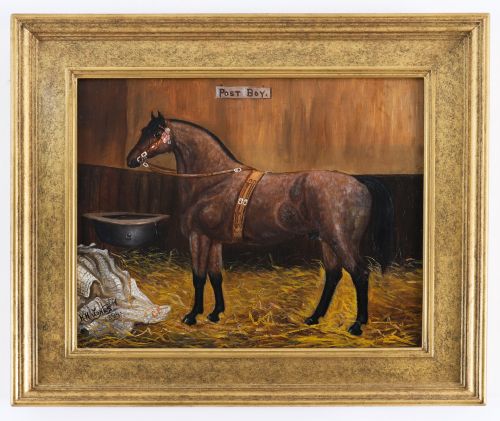
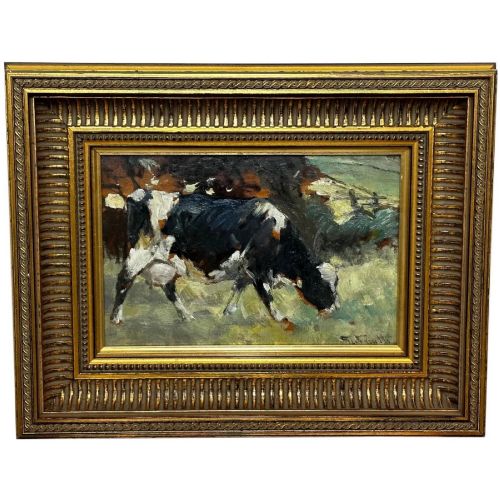
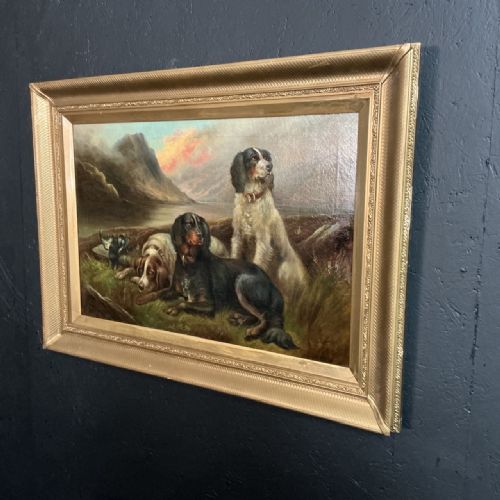
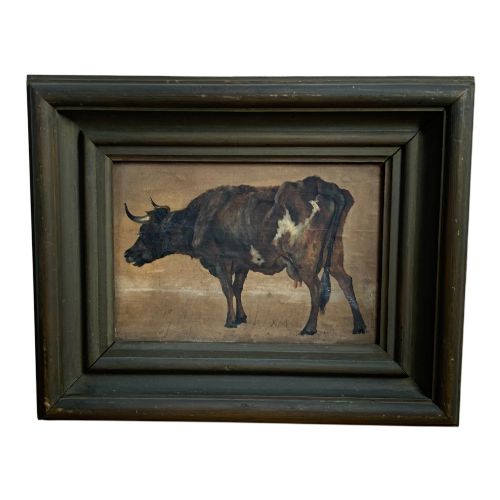
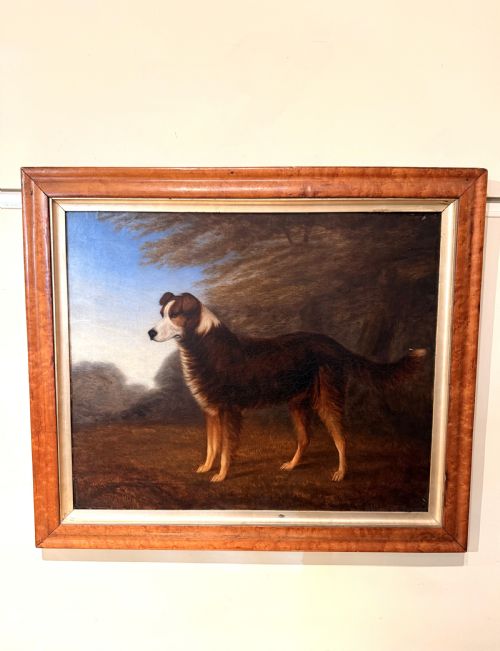
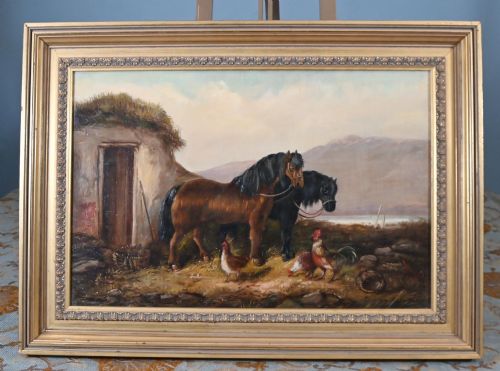
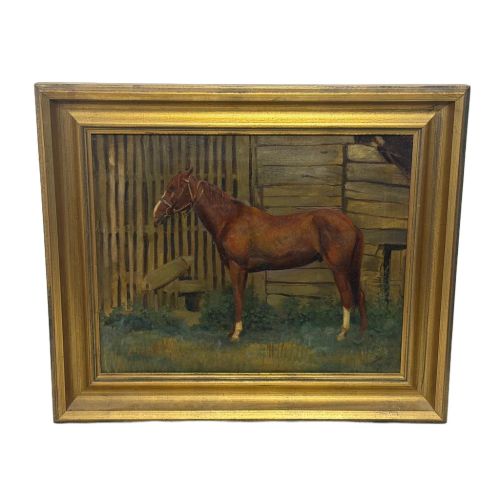
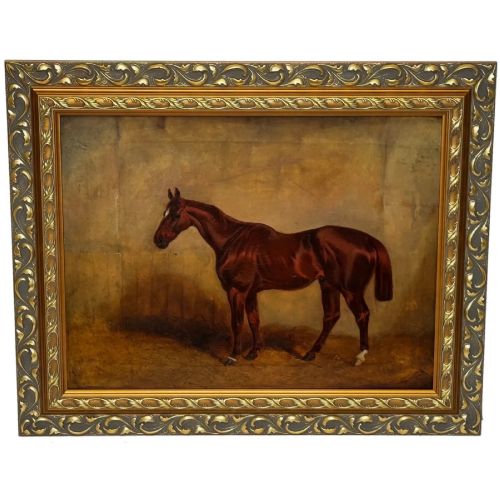
A canvas animal wall painting captures domestic creatures, farm stock and wildlife through historic oil paint on stretched linen or canvas. These works range from formal Victorian equestrian portraits and sporting scenes to naive folk depictions of dogs, cats and livestock.
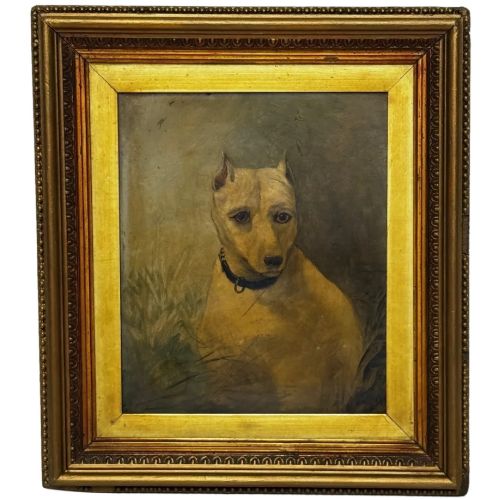
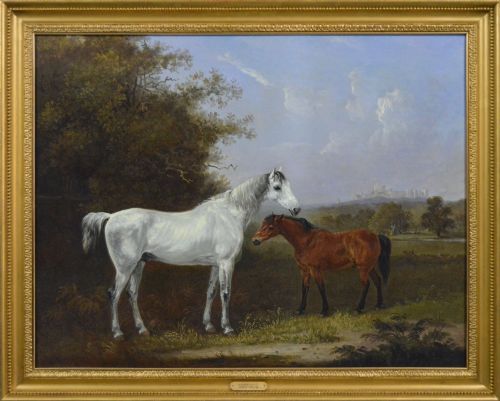
The pieces on this page span several centuries, with particular strength in nineteenth-century British and European realism, alongside eighteenth-century pastoral compositions and mid-century modern equestrian studies. Buyers encounter everything from intimate terrier portraits to large scale depictions of cattle, sheep and racehorses in landscapes.
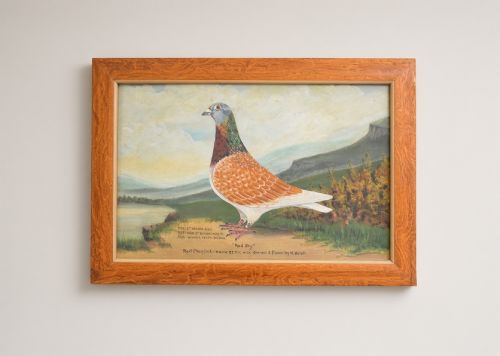
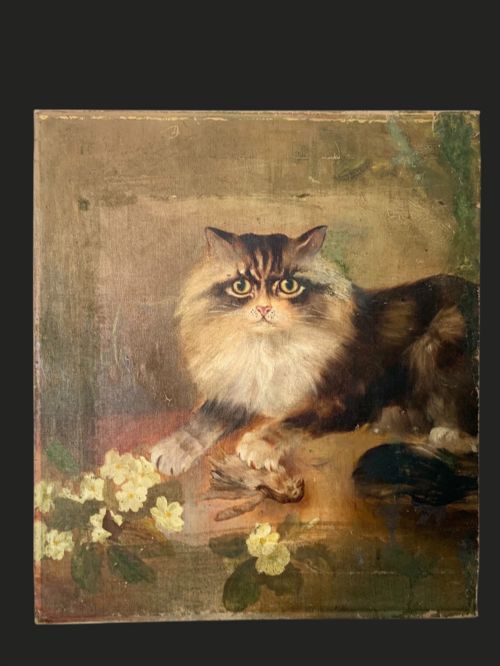
Subject matter divides broadly between prized animals recorded by name, working farm animals in rural settings, and genre scenes featuring domestic pets at play. Each canvas preserves a specific historic attitude towards animals, whether as valued working partners, family companions or agricultural assets.
How They Were Made
Painters applied oil paint directly onto prepared canvas stretched over wooden frames, often building up rich layers of pigment to capture the texture of fur, feathers and horsehair. Pigments were mixed with drying oils such as linseed, allowing artists to achieve deep translucency in shadows and bright highlights in the eyes and coats of the animals.
Finished works were secured in wooden frames, frequently enhanced with gold leaf and giltwood mouldings that reflected light onto the dark canvas surfaces. Many of these frames survive as original to the painting, bearing the marks of period framers and lining shops.
Canvas Animal Wall Painting Retail Price Guide 2026
Typical asking prices for canvas animal wall painting among the pieces listed under this phrase on Sellingantiques today, from the lower quarter to the upper quarter. They describe what is for sale here now, not the wider market.
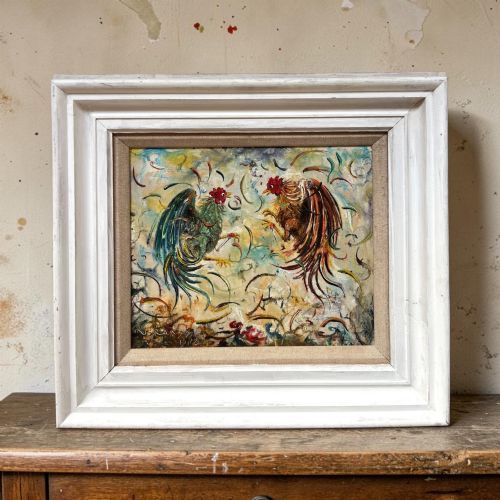
Several canvases capture unexpected species, including monkeys, frogs and toads sharing space with traditional sporting dogs and prized horses.
What Varies In Quality
Anatomy and movement distinguish master handlers of animal subjects from provincial practitioners, particularly in the difficult depiction of equine muscle structure and canine posture. The finest hands capture breath, weight and individual temperament, whereas lesser works rely on stiff formulas and generic poses.
Handling of the surrounding landscape and interior detail also separates works within the range, as accomplished artists integrate the animal seamlessly into its environment with confident brushwork. Condition of the canvas weave, stability of the ground layer and extent of historic retouching further determine the standing of individual pieces.
Charles Bilger Spalding·Lionel Ellis·Edmund Bristow·Edward Armfield·Hendrik Willem Schweickhardt·Albert Clark·Martin Theodore Ward·George Augustus Holmes·John Sargent Noble·Fred Fitzpatrick·Edgar Hunt·Alfred Arthur Brunel de Neuville·Henry Schouten·F.A. Clark·Frans Snyders·LM Webb·William Henry Mander·Thomas Sidney Cooper·Philipp Ferdinand de Hamilton·Sir Edwin Landseer·Valentine Thomas Garland·John Frederick Herring·James de Rijk
The Canvas Animal Wall Painting Glossary
- Canvas
- A heavy woven fabric, typically linen or cotton, used as a support surface for oil paintings. It is stretched tightly over a wooden frame before painting begins.
- Giltwood
- Wood carved and coated with a thin layer of gold leaf or metallic gilt. It is commonly found on the ornate frames housing historic paintings.
- Naive Art
- Artistic work produced by someone without formal training, typically characterised by a direct perspective and charming simplicity. These pieces often lack standard rules of proportion.
- Sporting Art
- Genre of painting dedicated to horses, hunting, racing, shooting and domestic animals. This tradition flourished in Britain throughout the eighteenth and nineteenth centuries.
- Provenance
- The documented history of ownership of an artwork from its creation to the present day. Clear provenance confirms authenticity and tracks the passage of a painting through estates and galleries.
Canvas Animal Wall Painting: Frequently Asked Questions
How do I care for an old oil painting?
Keep the canvas away from direct sunlight, damp environments and sudden temperature shifts. Dust the surface very gently with a dry, soft brush without applying pressure.
Avoid using water, chemical cleaners or oils on the paint surface. Professional conservators should handle any structural repairs or cleaning of darkened varnish.
How can I tell the age of the canvas?
Inspect the back of the canvas and the wooden stretcher bars for signs of age, oxidation and historic fixings. Hand- forged nails, old wedges and tightly woven linen indicate earlier periods.
Look for craquelure, which is the fine network of cracks that develops naturally in aged oil paint. Signatures, dates and framing style also provide clues to the period of creation.
Were these paintings always framed?
Historic oil paintings were generally framed soon after completion to protect the vulnerable edges of the canvas and finish the artwork. Frames often reflect the fashionable taste of the decade in which the painting was made.
Original frames add character and historical context to a piece, though many older canvases have been re-framed over the centuries due to damage or changing interior tastes.