

Oil Canvas Landscape Portrait
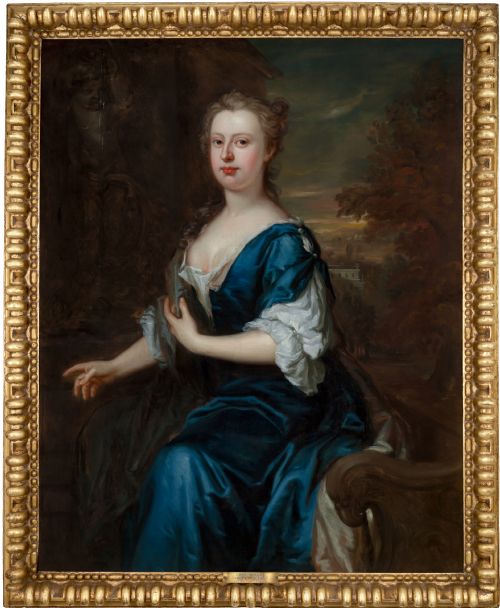
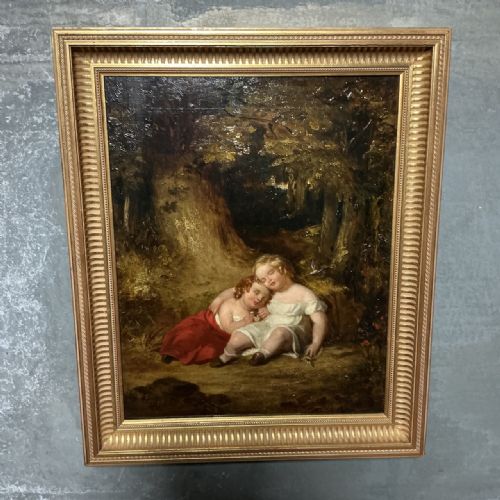
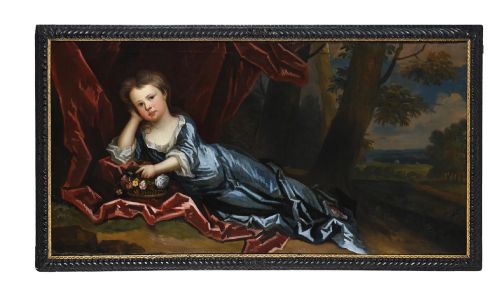
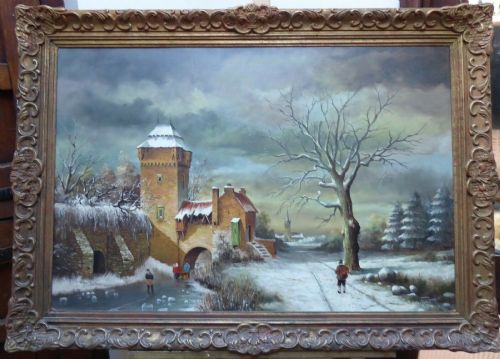
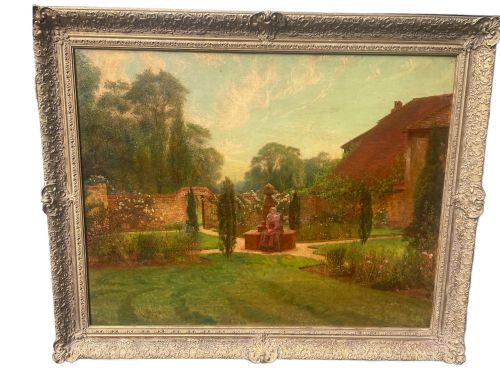
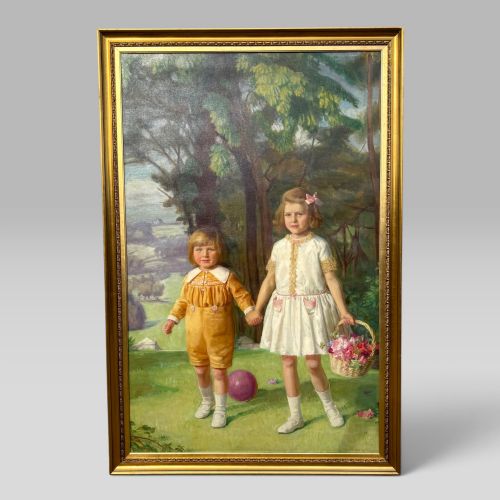
These oil canvas landscape portrait works combine figures and settings across centuries of British, French, and Italian schools.
Oil Canvas Landscape Portrait
When you search for oil canvas landscape portrait, you encounter works spanning from the seventeenth century through to the mid-twentieth century. The selection encompasses agricultural scenes, sporting art, and individual character studies set against rural or architectural backdrops.
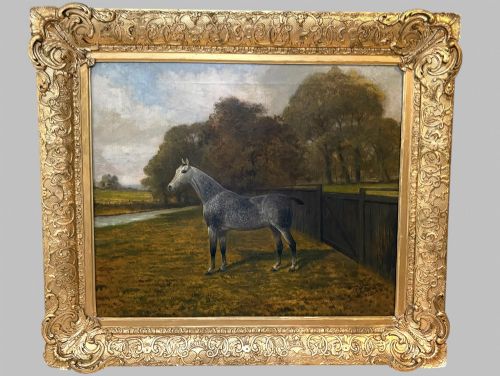
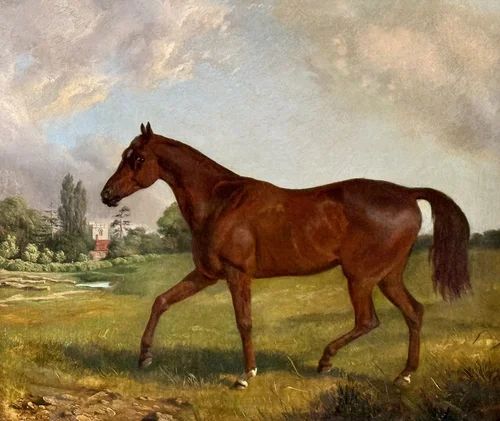
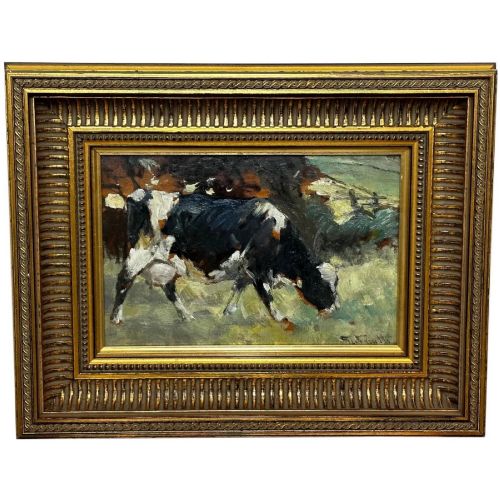
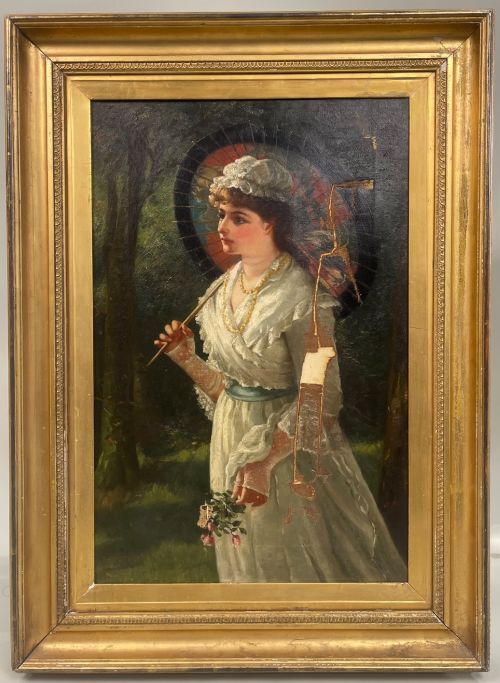
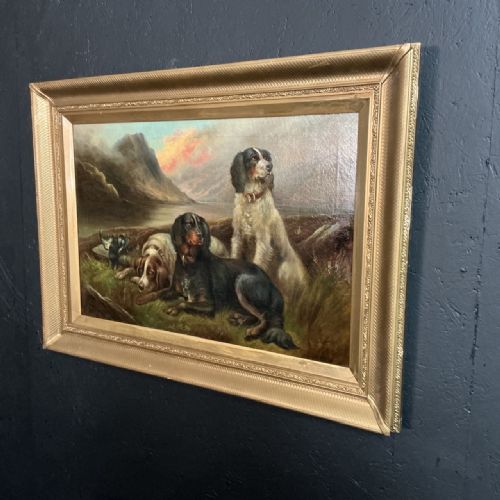
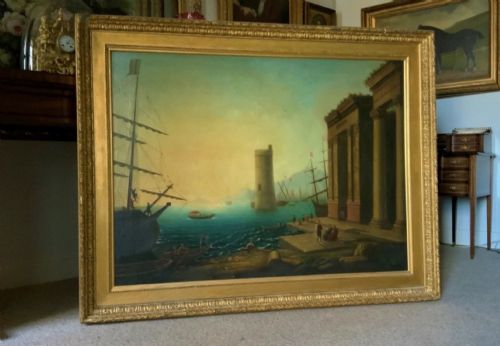
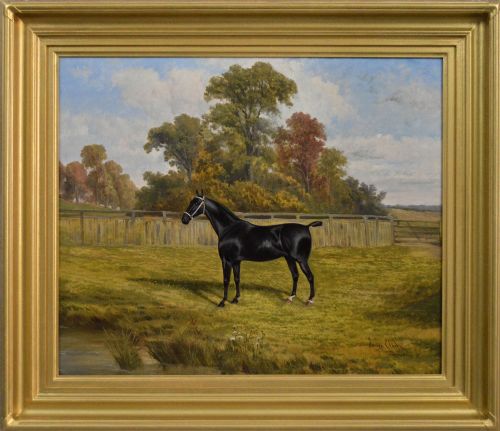
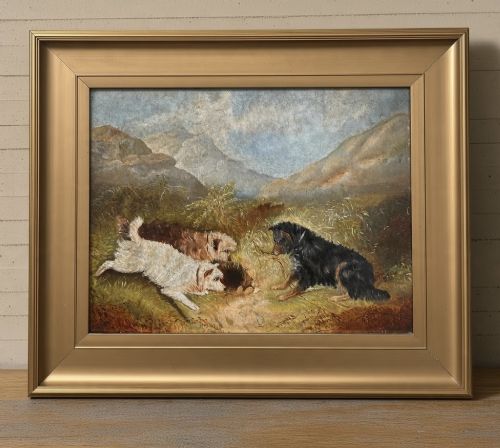
The objects take the form of framed fine art paintings on canvas, often pairing human subjects or animals with detailed scenery. Subjects range from prize livestock and working dogs to historical battle scenes and coastal views.
Materials and technique
The primary construction relies on oil paint applied to woven canvas stretched over wooden supports. Pigments build up texture, sometimes revealing pentimenti where earlier compositions lie beneath the surface.
Many works retain their period framing, utilising giltwood and gesso mouldings or leaf gilding to finish the piece.
Oil Canvas Landscape Portrait Retail Price Guide 2026
Typical asking prices for oil canvas landscape portrait among the pieces listed under this phrase on Sellingantiques today, from the lower quarter to the upper quarter. They describe what is for sale here now, not the wider market.
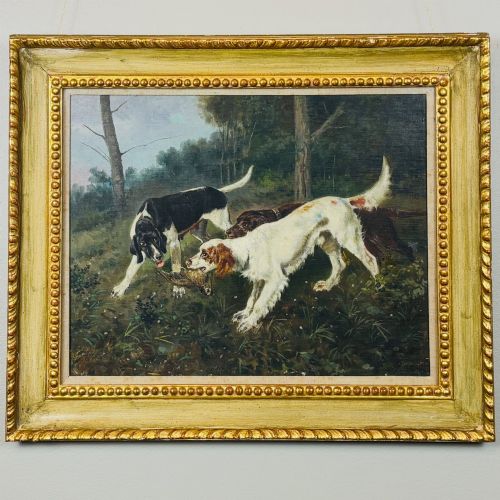
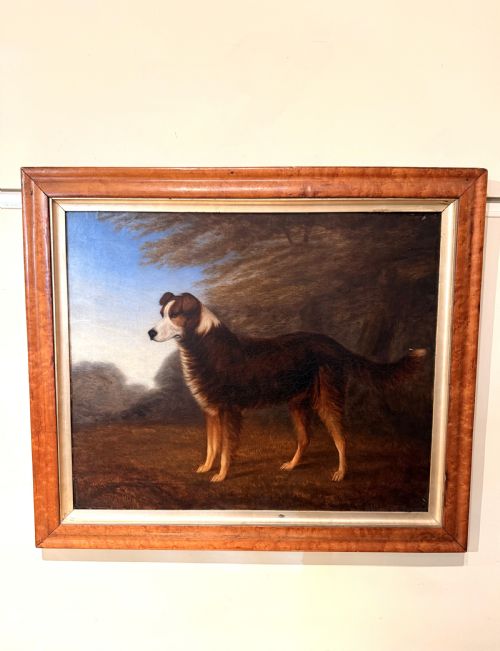
Several canvases capture prize bulls and local dogs staring out with the dignity of nobility.
Qualities of distinction
Differences across the range lie in the handling of light, anatomical precision in figure and animal subjects, and the depth of the background scenery. Works associated with established regional schools or named practitioners display a more resolved integration of subject and landscape.
The preservation of the original canvas tension and the integrity of the paint layers separate standard decorative examples from fine artistic achievements.
George F. Bird·Edmund Bristow·John Emms·Thomas Hicks·William Henry Mander·Thomas Sidney Cooper
The Oil Canvas Landscape Portrait Glossary
- Pentimento
- An alteration in a painting evidenced by visible traces of previous work beneath the current surface layer. This phenomenon often reveals changes made by the artist during the creative process.
- Giltwood
- Wood carved and treated with gold leaf or metallic powder to create a gilded finish. Picture frames of this type frequently accompany nineteenth-century canvases.
- Gesso
- A plaster mixture used as a smooth base for paint or gilt on wooden frames. It provides a stable foundation for decorative mouldings.
- School
- A group of artists associated with a particular place, period, or shared style. Attribution to a specific school denotes common technical approaches.
Oil Canvas Landscape Portrait: Frequently Asked Questions
How do I clean an oil canvas landscape portrait?
Surface dust may be removed gently with a soft, dry brush by someone with appropriate care. Deeper cleaning requires professional conservation to avoid damaging the paint.
Solvents and household cleaners should be avoided entirely on historical canvas surfaces. Specialist advice preserves the integrity of the oil layers.
Where should I hang these paintings?
These works suit traditional reception rooms, studies, or hallways with stable environmental conditions. Direct sunlight and damp walls should be avoided to protect the canvas and wood.
Secure fixings matched to the weight of the frame and canvas ensure safe wall mounting. Positioning away from direct heat sources prevents warping of the stretcher bars.
What is sporting art?
Sporting art encompasses paintings depicting horses, hounds, farmyard animals, and rural pursuits. These works record agricultural history and equestrian subjects from the Georgian and Victorian eras.
Many pieces document prized livestock or specific estates alongside local wildlife. They reflect the rural priorities of the periods in which they were painted.
How do I identify the period?
Dating relies on canvas preparation, stretcher construction, frame style, and the clothing or architecture depicted. Details such as clothing cuts and breed characteristics offer chronological clues.
Signatures, inscriptions, and labels on the reverse provide further documentation. Comparative study with dated works by the same school helps narrow the timeline.