
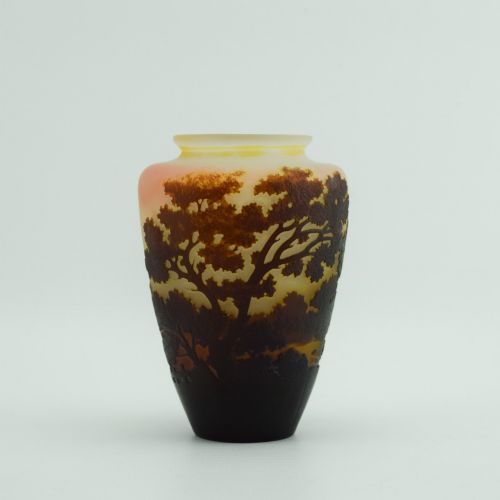

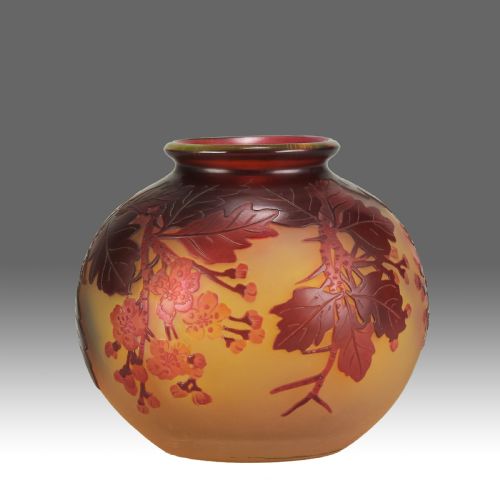
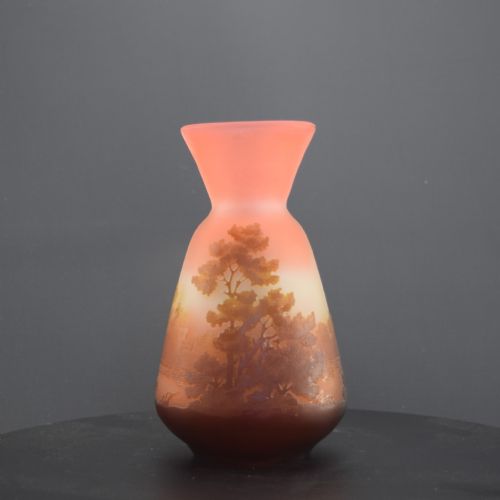


Cameo Glass Decorative Vase
A cameo glass decorative vase brings layered colour and carved botanical or landscape motifs into a room through masterful glasswork.
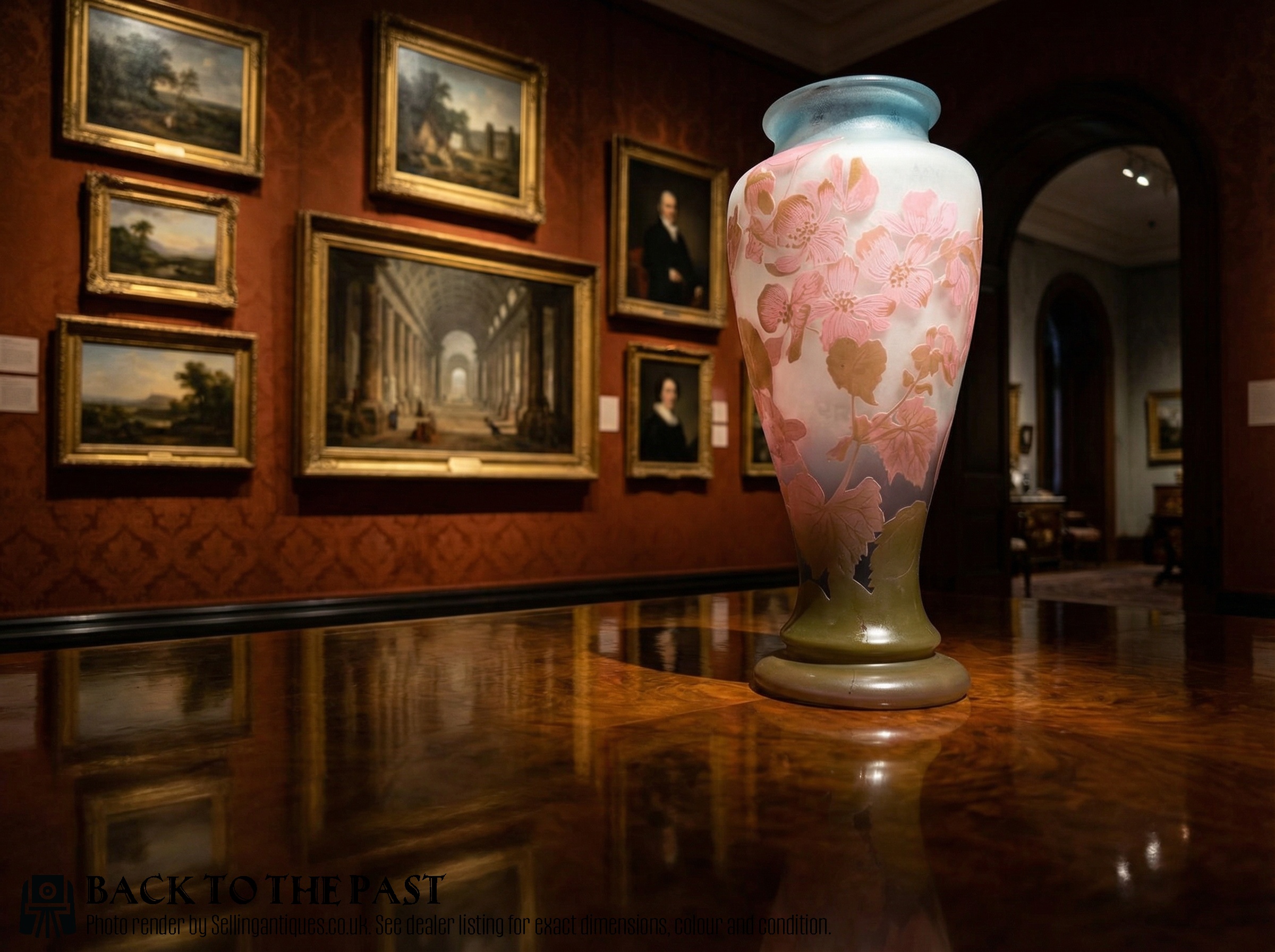
Cameo Glass Decorative Vase
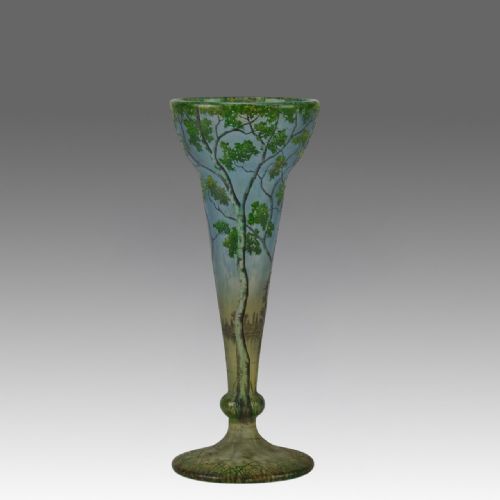
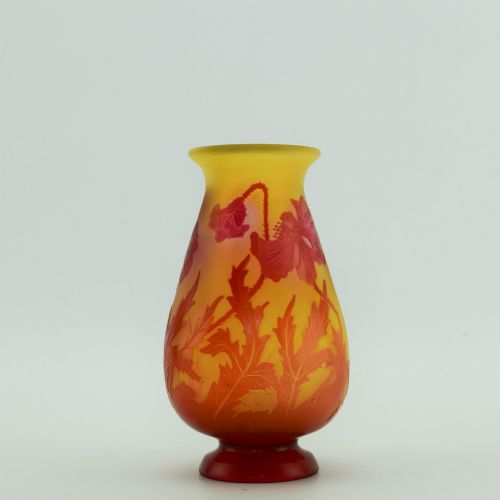
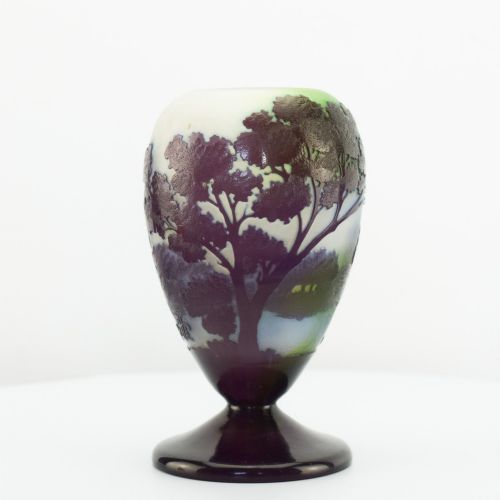
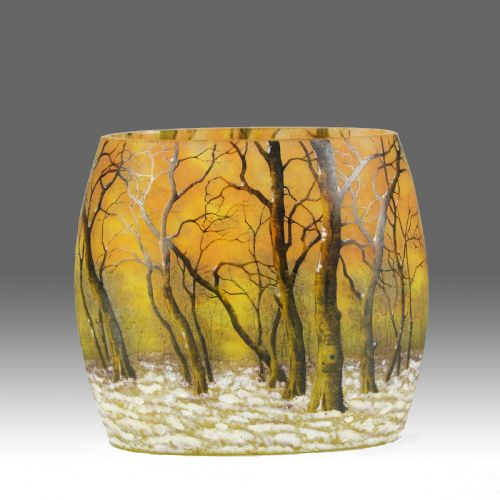
A cameo glass decorative vase is an object of layered glass where outer layers are carved away to reveal contrasting colours beneath. When you examine a cameo glass decorative vase, you encounter pieces shaped as footed, oviform or large vessels originating from periods spanning the Victorian era through the early twentieth century.
The aesthetic of a cameo glass decorative vase is deeply rooted in Art Nouveau and Art Deco styles. These pieces frequently display naturalistic subjects, including poppy, cornflower, apple blossom, honeysuckle, sweet pea, begonia, montbrecia, clematis and oak leaf motifs, alongside detailed winter, summer and sunset landscape scenes.
Makers and houses associated with these pieces include Gallé, Daum Frères, Daum Nancy, Thomas Webb and Sons, Legras, Baccarat and Paul Nicholas for D'Argental. The form ranges from cabinet-size examples to tall vessels reaching significant heights.
Materials and production techniques
The construction of these vessels relies on blown glass formed with multiple distinct layers of coloured glass fused together. Artisans then utilised acid-etching techniques alongside wheel-carving to cut through the outer layers and expose the contrasting background shade.
Details on the surface were often enhanced through additional enamel work or the application of gold leaf to enrich the floral and landscape designs. Frosted glass backgrounds frequently provide a matte contrast to the polished relief of the carved motifs.
Listings feature pieces spanning the Victorian era through the 1930s, encompassing both Art Nouveau and Art Deco movements.
Assessing quality in cameo glass
The distinction between tiers of quality rests upon the depth of the carving and the complexity of the layered glass colours. Superior examples display precise undercut relief that creates genuine sculptural dimension rather than a flat surface etch.
Artistic execution of the naturalistic subject matter and landscape perspective dictates the standing of an individual piece. The harmony between the glass hues and the subtlety of the acid-etching or enamel finishing separate standard production from exceptional studio output.
Daum Frères·Gallé·Thomas Webb and Sons·Legras·Baccarat·D'Argental
The Cameo Glass Decorative Vase Glossary
- Cameo Glass
- Glass formed with two or more layers of contrasting colours where the exterior layer is carved or etched away. This technique creates a raised relief design reminiscent of carved stone cameos.
- Acid-Etched Glass
- Glass treated with hydrofluoric acid to eat away the surface layers and reveal underlying colours or create textured patterns. It allows for intricate botanical details without manual wheel-cutting.
- Art Nouveau
- An international style of art and decoration characterised by intricate linear designs and flowing natural forms. It heavily influenced the floral and landscape motifs seen on early twentieth-century glass.
- Blown Glass
- Glassware shaped by inflating molten glass on the end of a blowpipe. This foundational technique creates the initial vessel body before layering and carving take place.
- Frosted Glass
- Glass treated to produce a textured, translucent surface rather than a clear polished finish. This treatment is often used on backgrounds to make the polished cameo relief stand out.
Cameo Glass Decorative Vase: Frequently Asked Questions
What is a cameo glass decorative vase?
A cameo glass decorative vase is a vessel created by fusing multiple layers of coloured glass together and carving away the outer layer to reveal a contrasting design. These pieces showcase intricate relief work featuring botanical subjects or scenic landscapes.
Produced predominantly during the late nineteenth and early twentieth centuries, they represent major achievements in glassmaking artistry. Collectors prize them for their sculptural depth and sophisticated use of colour.
How do I care for my vase?
Clean your cameo glass decorative vase gently using a soft, dry cloth to remove dust. Avoid harsh chemical cleaners or abrasive materials that could damage the enamel, gold leaf or frosted surfaces.
Display the piece away from direct sunlight and extreme temperature fluctuations to protect the integrity of the glass. Handle the vessel by the body rather than delicate rims or applied feet.
How are Art Nouveau and Art Deco styles told apart?
Art Nouveau designs feature organic, flowing lines inspired by natural forms such as flowers, vines and landscapes. The motifs on these pieces appear sinuous and asymmetrical.
Art Deco leans towards geometric precision, stylised symmetry and streamlined forms. In glasswork, this shift manifests in more structured patterns and simplified silhouettes.
How do I identify the maker?
Look closely at the surface of the glass for etched, enamelled or cameo signatures left by the artist or workshop. Signatures often appear incorporated into the lower edge of the landscape or floral motif.
Consulting period documentation and comparing the specific carving style, glass coloration and subject matter helps confirm attribution when signatures are faint or absent.