


Acid Etched Cameo Glass
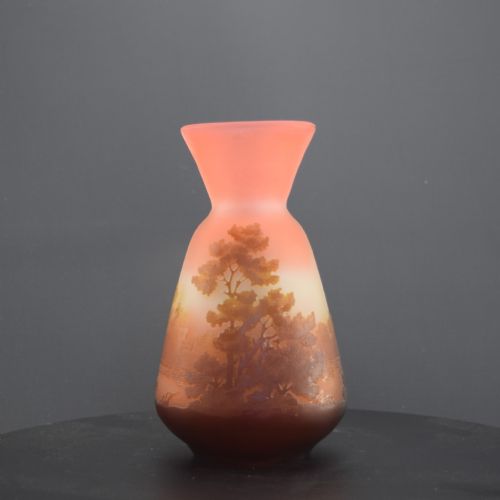
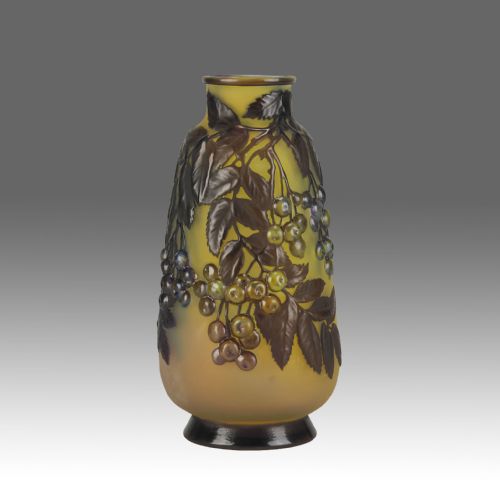
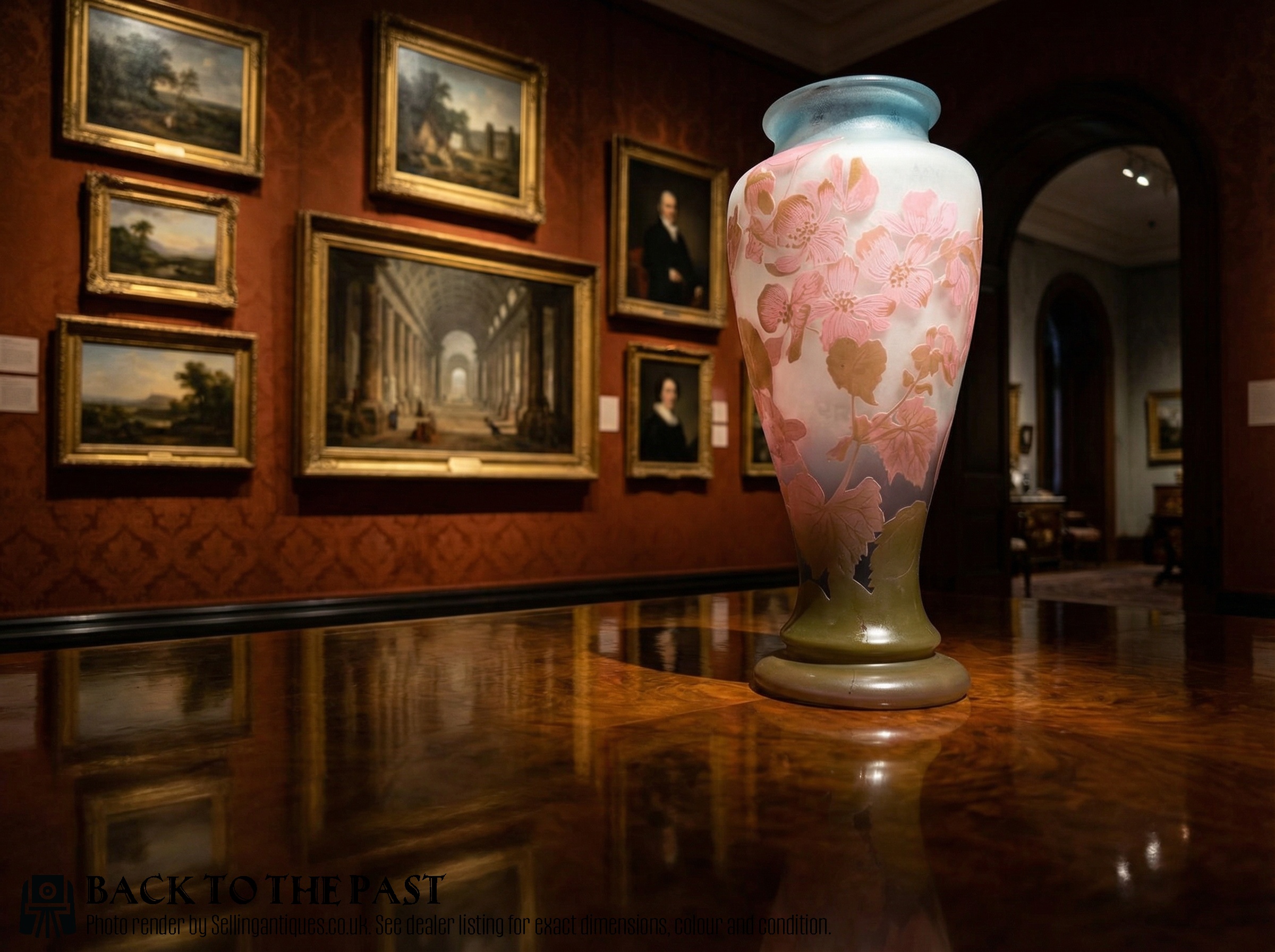
Acid etched cameo glass brings together layered colours and chemical biting to create tactile floral and landscape motifs.
Acid Etched Cameo Glass
When you search for acid etched cameo glass, you are looking at layered vessels shaped into vases, lamps, wine glasses, and jugs. The examples on this page span the Victorian period through to the 1920s, heavily representing Art Nouveau and Art Deco movements.
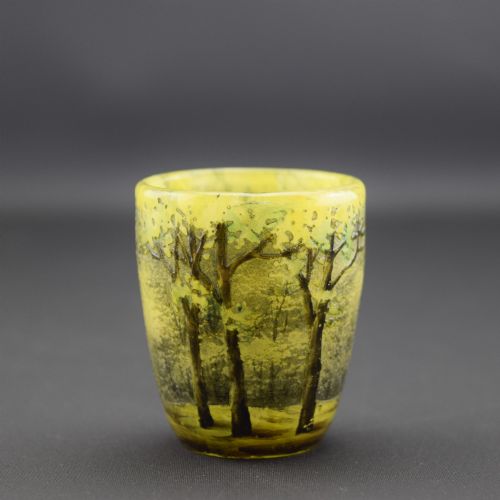
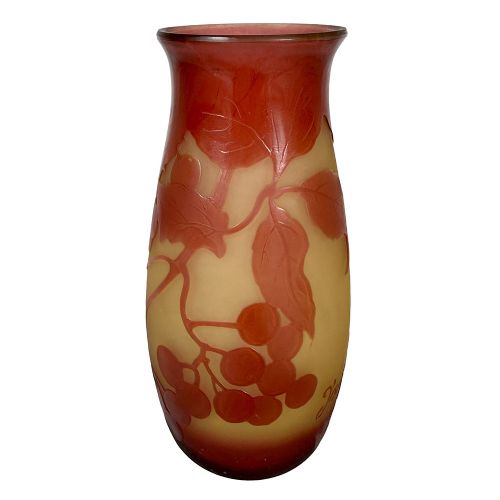
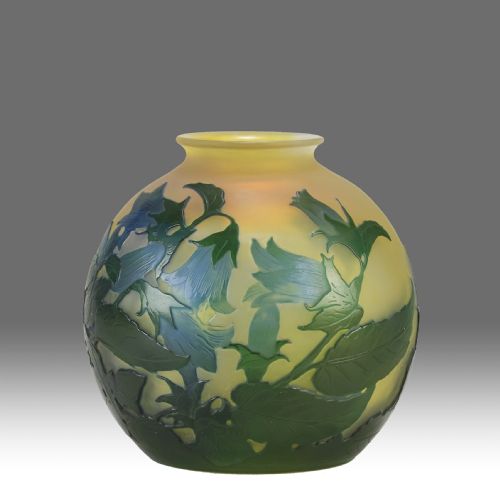
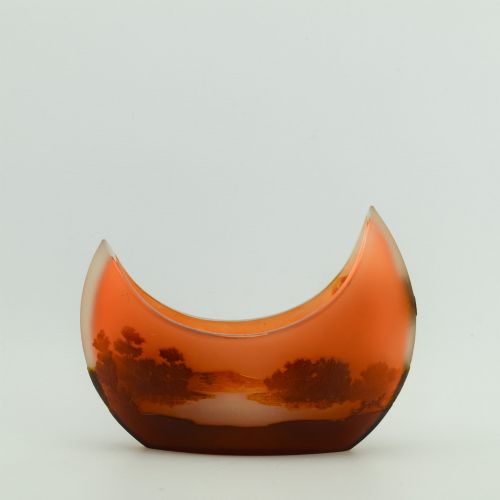
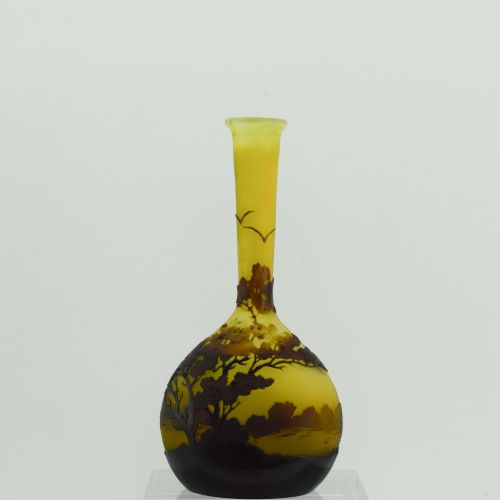
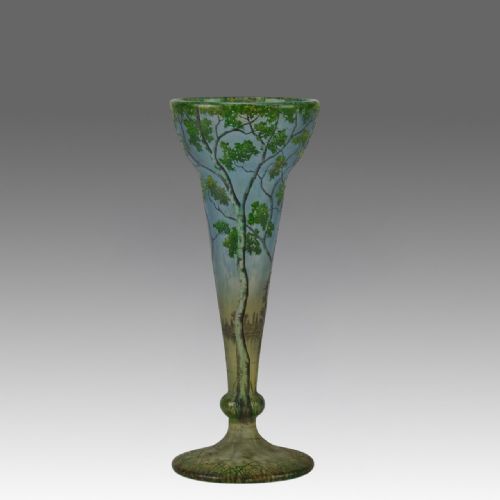
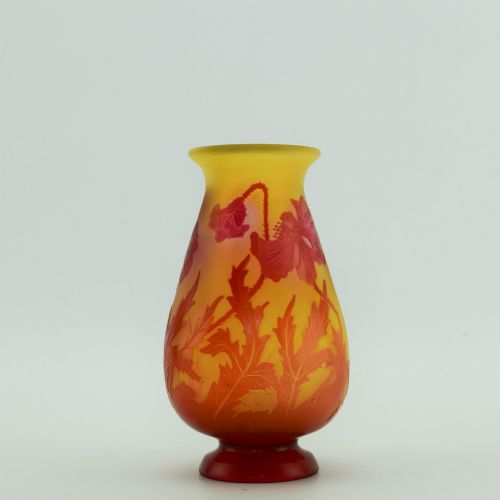
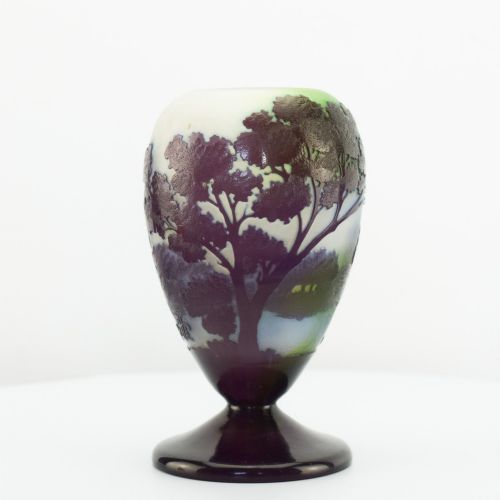
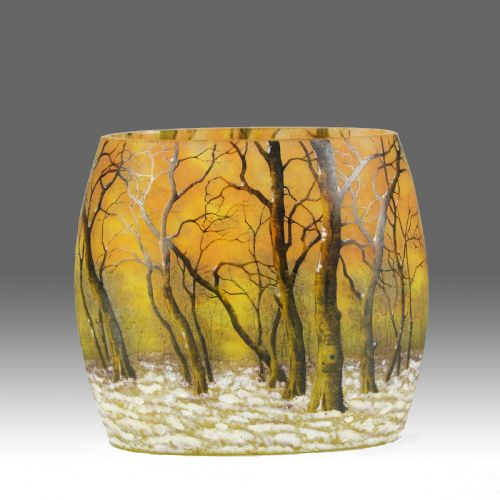
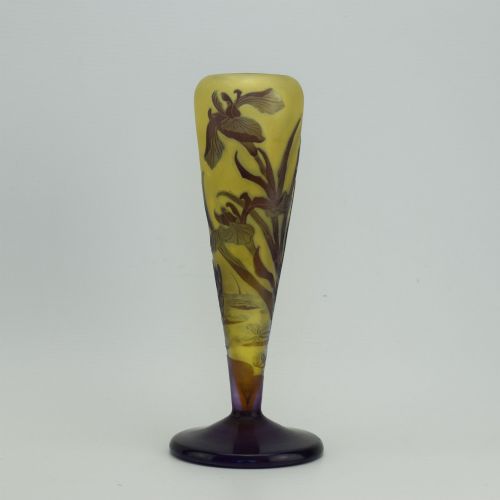
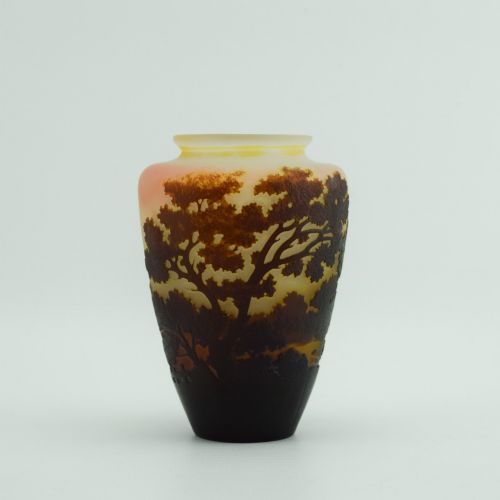
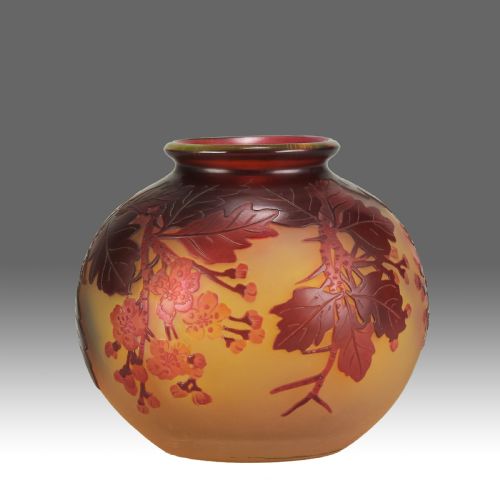
You will most frequently meet floral and landscape subjects on these pieces, including cornflowers, poppies, irises, and winter scenes. These forms originate predominantly from French and English makers working around the turn of the twentieth century.
Materials and production methods
Maker workshops built these pieces using multiple layers of coloured glass fused together while hot. Artisans then applied acid-resisting substances to map out designs before submerging the glass in acid baths to eat away the background layers.
Some pieces incorporate additional enamel, frosted glass, gold leaf, or bronze mounts to enhance the carved imagery. This chemical biting technique allowed makers to achieve precise relief without manual wheel cutting.
Vessels proudly display botanical themes ranging from humble cornflowers to winter snowscapes.
Assessing quality and execution
The distinction between ordinary and superior pieces rests on the depth of the acid biting and the complexity of the colour transitions. Top-tier works display multiple distinct glass layers that create realistic shadows in landscapes and botanical studies.
Execution of detail also separates the range, where fine quality items maintain crisp outlines across intricate floral stems and delicate foliage. The harmony between the outer cameo layer and the background hue dictates the visual impact of the vessel.
Emile Gallé·Daum Frères·Thomas Webb & Sons·Le Verre Francais·Paul Nicolas
The Acid Etched Cameo Glass Glossary
- Acid-Etched Glass
- Glass decorated by applying hydrofluoric acid to eat away exposed surfaces. This process creates recessed designs or frosted backgrounds.
- Cameo Glass
- Glass vessels formed with two or more distinct layers of colour. Carving or acid biting away the top layer reveals the contrasting colour beneath.
- Frosted Glass
- Glass treated to achieve a textured, translucent appearance rather than a clear finish. It often forms the background of cameo vases.
- Enamel
- Opaque vitreous composition fused to the surface of the glass by firing. Makers utilised enamel to add painted details over the etched cameo design.
Acid Etched Cameo Glass: Frequently Asked Questions
How do I identify periods?
Periods are identified through stylistic cues and specific design motifs tied to manufacturing eras. Art Nouveau pieces often feature organic floral subjects, while later 1920s works lean towards geometric Art Deco or stylised landscapes.
Examining the signatures and maker marks etched into the glass further helps pin down the exact decade of production.
How were these used?
These vessels functioned primarily as decorative display items rather than utilitarian tableware. Vases held botanical arrangements or stood empty on mantelpieces to showcase the coloured glass layers.
Larger forms such as table lamps and jugs combined illumination or functional pouring with elaborate artistic decoration.
How do I clean them?
Cleaning requires gentle dusting with a soft, dry cloth to prevent accumulation of particles in the recessed etched areas. Avoid harsh chemical cleaners that might damage delicate enamel or gold leaf details.
Wash with lukewarm water and mild soap only when necessary, drying thoroughly with a lint-free cloth.
Where were they made?
Production was centred largely in France, particularly around Nancy, which served as a hub for Art Nouveau glassmakers. English manufacturers such as Thomas Webb & Sons also contributed significant cameo glass output during the Victorian period.
Workshop locations heavily influenced the specific acid-biting techniques and colour palettes utilised.