


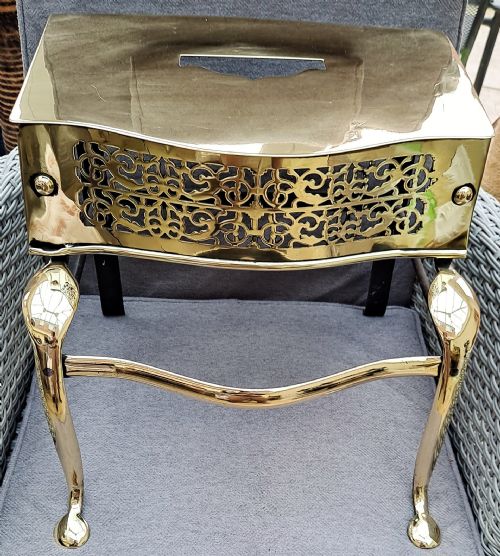


Cabriole Leg Kettle Stand
A cabriole leg kettle stand brings refined timberwork or sturdy hearth brass to the fireside, offering both a functional surface and historic presence.
Cabriole Leg Kettle Stand
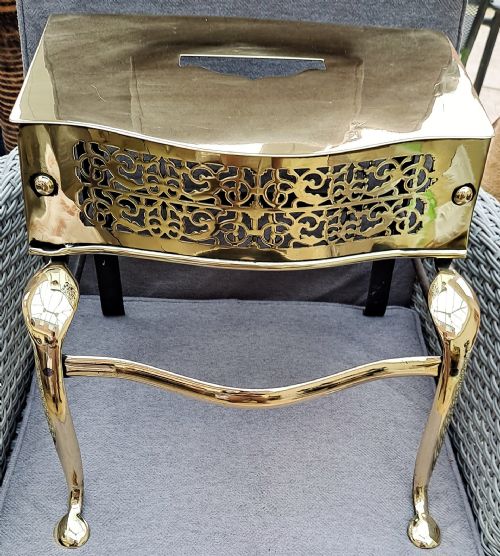
A cabriole leg kettle stand is typically encountered as either a timber tea table from the eighteenth or nineteenth century or a heavy metal hearth footman designed for the fireside. The wooden iterations often double as wine tables or occasional tables, featuring compact tops supported by curved legs rooted in Georgian and Regency traditions.
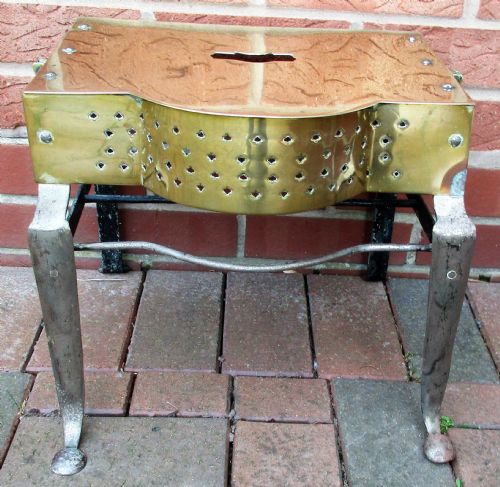
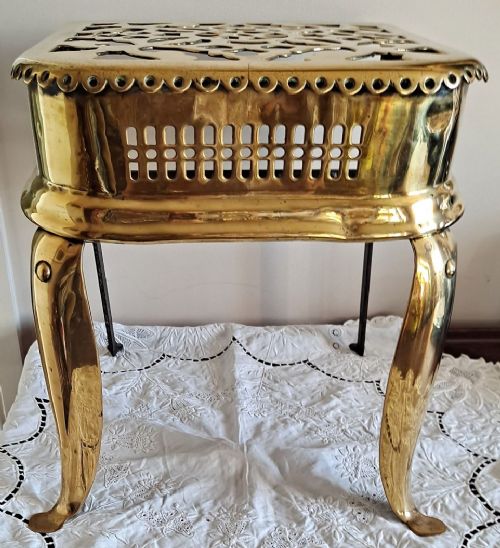
The hearth versions found in brass and steel serve as functional trivets and plate warmers used beside open fires. These pieces span periods from the eighteenth century through the Victorian and Edwardian eras, uniting utility with period craftsmanship.
Materials and construction
Makers utilised rich hardwoods such as mahogany and burr wood for timber stands, shaping tops into circular or octagonal forms supported by characteristic curved legs. Joinery and turning reflect the cabinetmaker's skill during the Georgian and subsequent periods.
Brass and steel dominate the metal hearth accessories, cast and forged into sturdy frames designed to withstand heat and daily use. Pierced aprons and integrated carrying handles appear frequently on these brass footmen and porter stools.
Listings feature brass, steel, mahogany, iron, and burr wood across periods from the eighteenth to the early twentieth century.
Assessing quality
Quality rests in the crispness of the casting on brass footmen and the elegance of the curvature on mahogany cabriole legs. Heavier gauge metals and rich timber grain distinguish finer examples from standard utility pieces.
Proportion and surface patination dictate the desirability of a stand, with well-preserved patinas showing decades of gentle handling and use. Subtle detailing on aprons and legs separates workshop standards.
The Cabriole Leg Kettle Stand Glossary
- Cabriole leg
- A furniture leg that curves outward at the knee and tapers inward to an ankle, mimicking an animal's limb. This design feature appears frequently on eighteenth-century tables and seating.
- Footman
- A metal stand placed by the hearth to warm plates or heat water kettles. These pieces are commonly fashioned from brass and steel.
- Trivet
- A small three-legged or four-legged support used near a fireplace for culinary tasks. They often feature pierced metal tops.
- Wine table
- A small occasional table designed to hold bottles and glasses during social gatherings. They share similar proportions with early kettle stands.
- Patina
- The deep surface sheen developed on wood and metal through age and handling. A good patina indicates genuine period wear.
Cabriole Leg Kettle Stand: Frequently Asked Questions
What is a cabriole leg kettle stand?
A cabriole leg kettle stand is a small antique support piece used either for holding tea equipment or warming items near the fireplace. The selection encompasses both timber occasional tables and heavy brass hearth footmen.
These pieces reflect distinct periods of British craftsmanship, spanning from the Georgian era through to Victorian and Edwardian interpretations.
How were brass footmen used?
Brass footmen sat directly in front of or inside the hearth to keep kettles hot and plates warm before serving. Their sturdy metal construction handled intense fireside heat.
Many feature pierced designs on the top surface and side handles for lifting them closer to the flames or moving them around the room.
How do I date a mahogany stand?
Dating relies on examining the timber species, leg profile, and overall construction methods used by the cabinetmaker. Georgian and Regency pieces show specific stylistic traits in their turning and joinery.
Comparing the piece against established period forms helps determine whether it originates from the eighteenth or nineteenth century.
Can I use these stands daily?
Antique kettle stands and brass footmen suit everyday placement as side tables or decorative fireside accents. Their solid construction makes them durable additions to modern interiors.
Care should be taken with timber surfaces regarding moisture, while brass and steel require minimal maintenance to preserve their finish.