
Cabriole Leg Accent Table
These cabriole leg accent table pieces offer practical display surfaces supported by signature curved legs, uniting decorative form with daily utility.
Cabriole Leg Accent Table
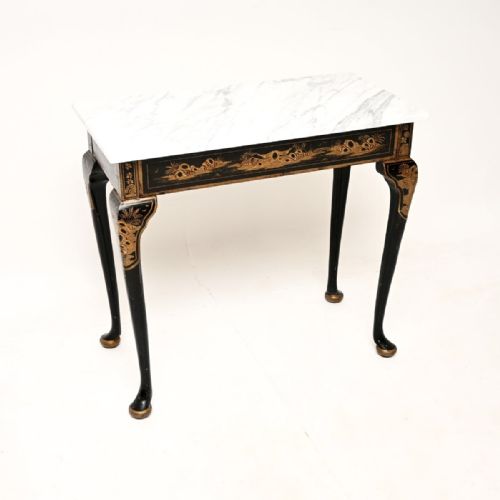
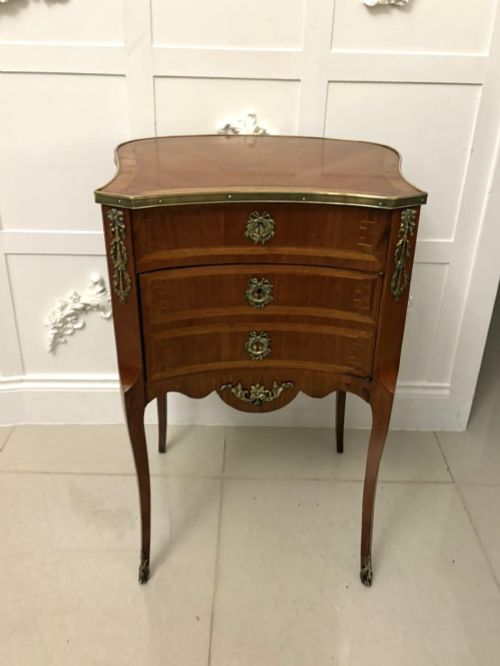
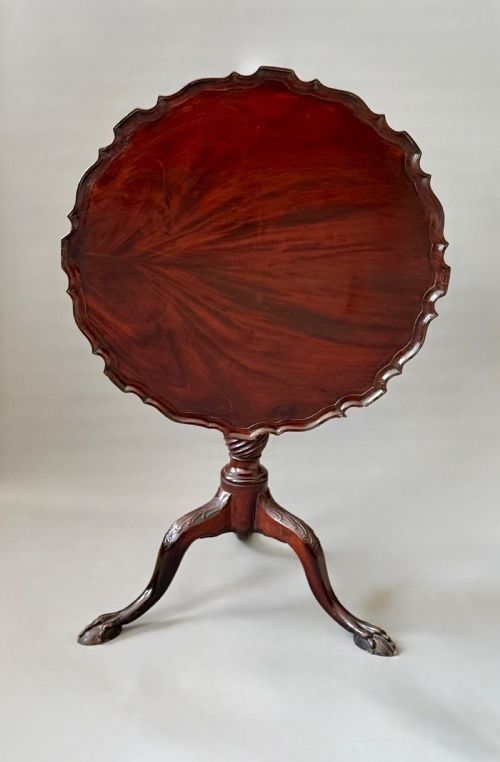
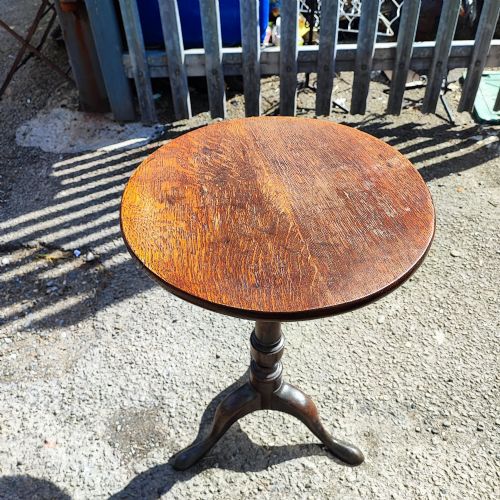
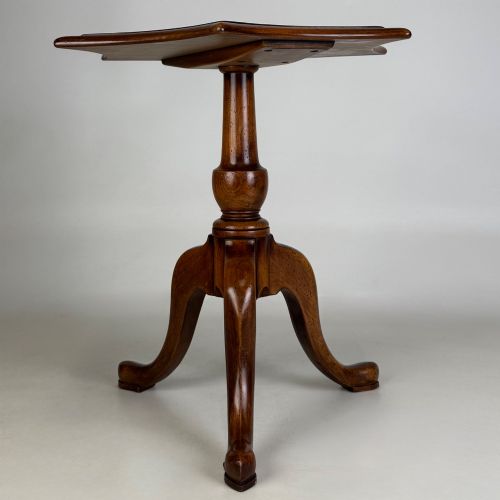
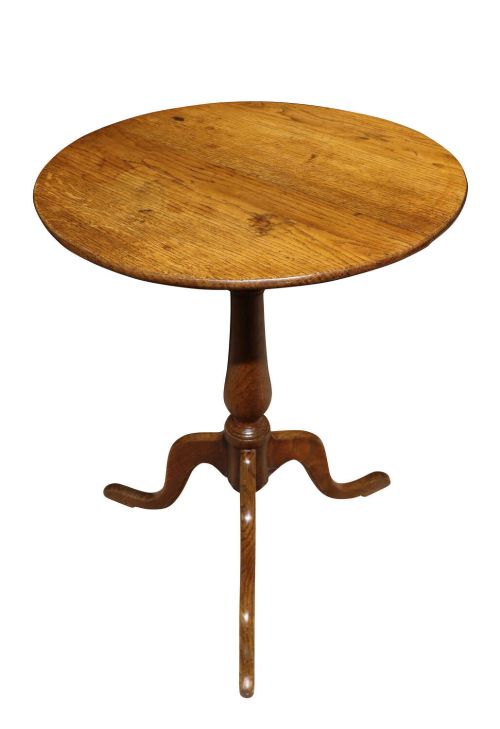
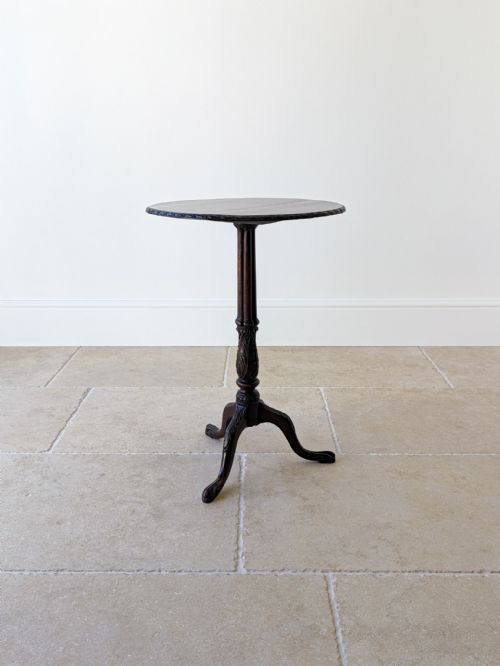
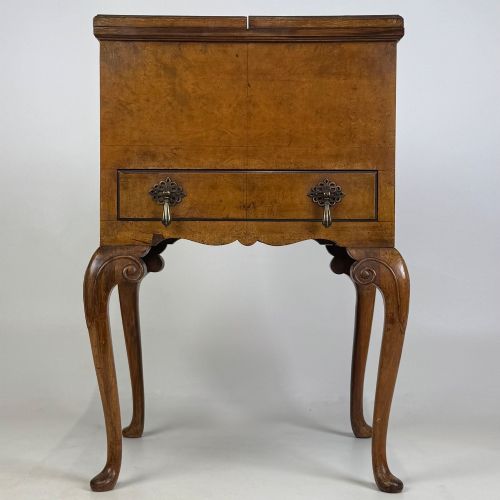
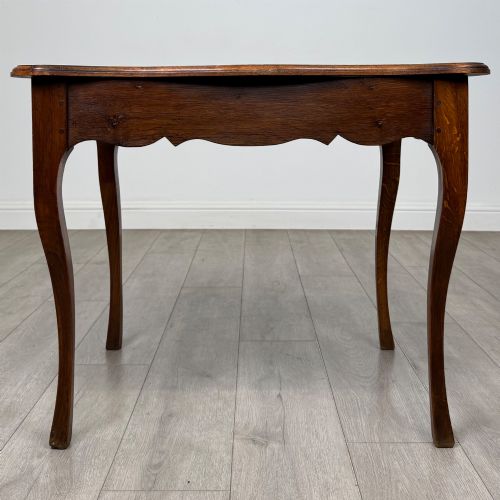
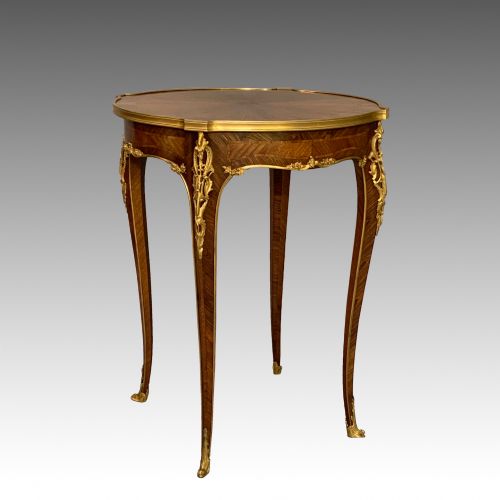
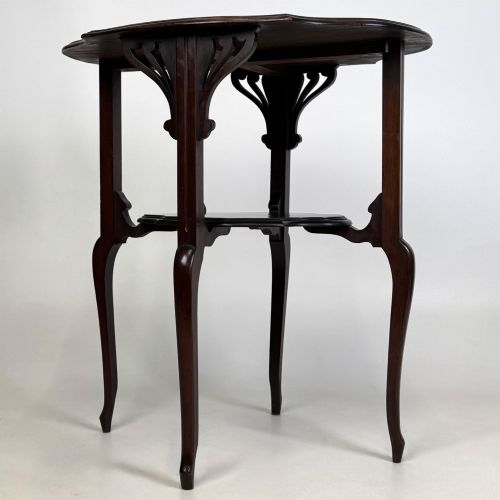
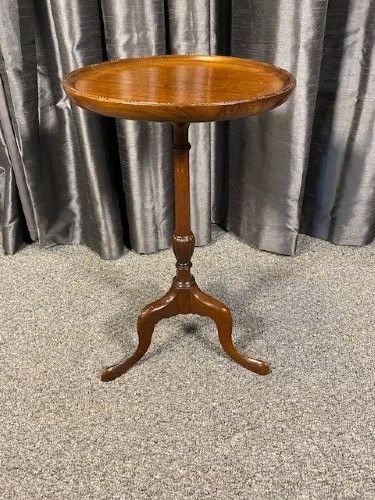
A cabriole leg accent table combines compact proportions with curved, S-shaped supports derived from animal limbs, terminating in feet such as pad, claw and ball, or hoof forms. These surfaces appear in forms ranging from tripod wine tables and lowboys to occasional tables and side cabinets spanning the eighteenth to the twentieth centuries.
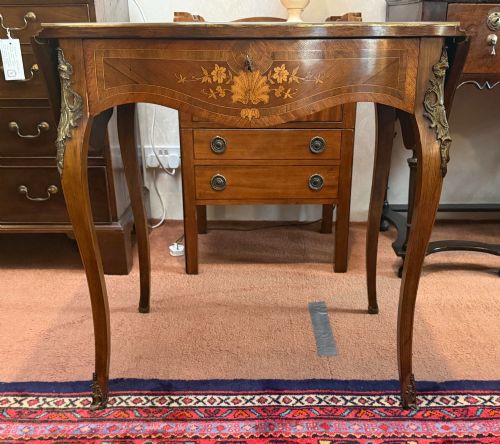
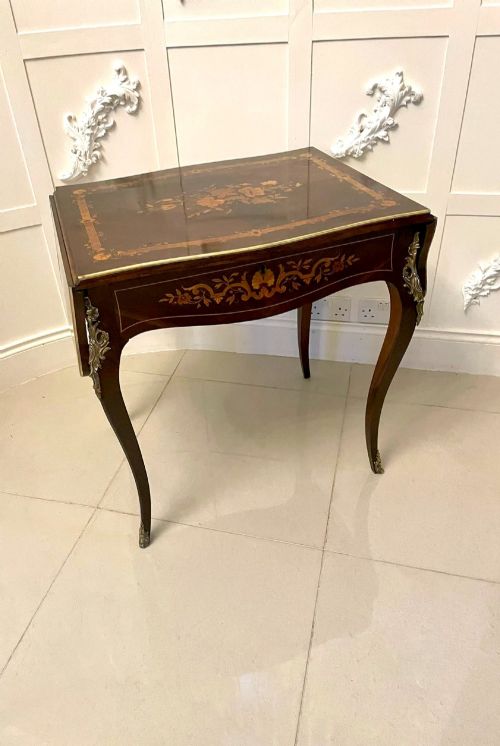
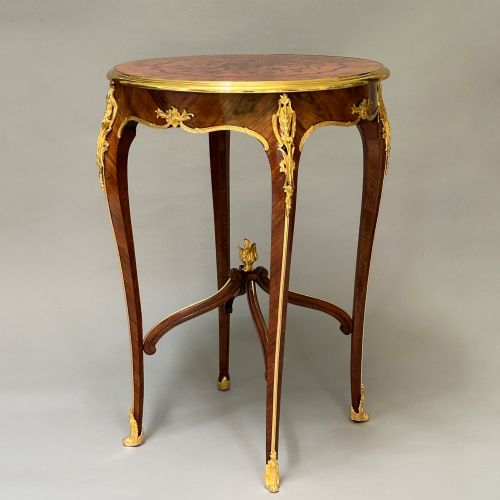
The material palette recorded across these pieces relies heavily on timbers including mahogany, walnut, oak, kingwood, rosewood, and fruitwood, occasionally accented with brass fittings, ormolu mounts, and intricate marquetry or parquetry inlays. Many examples reflect historical revivals, particularly Louis XV and Georgian styles, alongside vernacular Edwardian and French provincial interpretations.
Buyers encountering this selection most frequently meet side tables, occasional tables, and tilt-top tripod pieces dating from the Victorian and Edwardian eras, alongside earlier Georgian iterations. These tables serve utility beside seating areas, within hallways, or as freestanding centre pieces displaying decorative objects.
Materials and construction techniques
Cabinetmakers constructed these tables using solid native hardwoods like mahogany, oak, and elm for structural stability, alongside exotic veneers such as kingwood, rosewood, and burr walnut applied to carcases for decorative grain patterns. Marquetry and parquetry techniques introduced contrasting timber slivers to form floral or geometric surface motifs.
The defining cabriole leg was typically shaped directly from solid timber blocks, requiring careful grain orientation to maintain structural strength along the curved knee and ankle. Ormolu mounts, cast in bronze and gilt, were secured to French tables to accentuate corners and aprons.
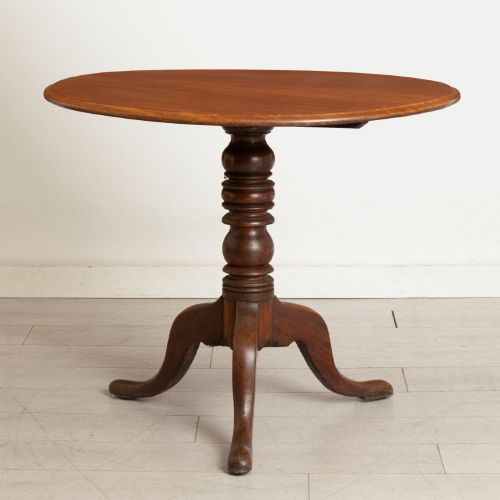
Tripod variants utilised tilting mechanisms or bird-cage assemblies, allowing the top to pivot or fold down for storage when not in use. Joinery methods relied on mortise and tenon joints for frames, while table tops frequently employed cleated ends or solid single boards.
Some nineteenth-century French tables hide tiny pull-out writing slides designed for clandestine notes.
Distinctions in execution and finish
Quality separates tables by the precision of the leg curvature and the symmetry of the carved or inlaid details. Superior examples display fluid, continuous lines where the knee flows naturally into the foot, whereas lesser pieces reveal stiff or disproportionate bends.
The selection of veneers dictates grade, with figured burr walnut, kingwood, and rosewood showing deliberate grain matching across the top surface and drawer fronts. Secondary timbers used in internal framing also indicate standards of workshop construction.
Surface patination and the integrity of French polished finishes distinguish well-preserved antiques from later alterations. Original cast brass hardware or fire-gilt ormolu mounts retained without replacement preserve the authentic integrity of the piece.
Joseph Emmanuel Zwiener
The Cabriole Leg Accent Table Glossary
- Cabriole leg
- A furniture leg featuring a double curve, swelling outward at the knee and tapering inward at the ankle to a pad or ornamental foot. This form derives from classical animal legs and gained widespread popularity during the eighteenth century.
- Marquetry
- The art of applying decorative veneer pieces in wood, metal, or shell to a structural surface to create pictorial or geometric designs. Craftsmen carefully cut these thin sections to fit flush within the background timber.
- Lowboy
- A small table with one or more drawers, standing on four tall legs, commonly used as a dressing table or side table during the eighteenth century. They frequently showcase fine mahogany or oak construction with shaped aprons.
- Tripod table
- A small freestanding table supported by a central pillar resting on three spreading legs. These versatile tables often featured tilt-top mechanisms for convenient storage.
- Ormolu
- Gilded bronze mounts applied to furniture for decorative enrichment, particularly prominent on French tables of the nineteenth century. The technique involves applying a mercury-gold amalgam to cast bronze before heating.
Cabriole Leg Accent Table: Frequently Asked Questions
What rooms suit a cabriole leg accent table?
These compact tables fit easily beside seating arrangements in living rooms, serve as lamp stands in hallways, or act as bedside cabinets in bedrooms. Their finished backs and freestanding forms allow placement away from walls.
Because they occupy minimal floor space, they provide functional surfaces without overwhelming smaller interior layouts.
How do I distinguish eighteenth-century pieces from later revivals?
Eighteenth-century examples display construction methods appropriate to the period, such as hand-cut dovetails in drawers, pegged joints, and timber shrinkage consistent with age. Later revival pieces from the Victorian or Edwardian eras often utilise machine-sawn components and standardised fixings.
Examining the underside and interior joinery reveals the primary clues regarding manufacturing date and workshop origin.
What maintenance do antique wood tables require?
Regular dusting with a soft, dry cloth preserves the polished surface without accumulating residue. Maintaining stable indoor humidity prevents timber from splitting or warping.
Avoid placing these tables near direct heat sources or in prolonged direct sunlight to protect the original polish and wood veneers.
Why do some tripod tables feature tilt tops?
Tilt-top mechanisms allowed servants to fold the table top into a vertical position against the wall when not in use, clearing floor space in period drawing rooms. This clever engineering also facilitated easier transport between rooms.
Modern owners often appreciate this feature for display versatility or compact storage.