





C1900 Gilt Wall Mirror
A c1900 gilt wall mirror brings architectural scale and warm metallic reflection to a room, offering the decorative presence collectors seek.
C1900 Gilt Wall Mirror
When you search for a c1900 gilt wall mirror, you encounter large scale overmantle and wall hanging looking glasses produced around the turn of the twentieth century. The version you are most likely to meet on this page is a substantial overmantle mirror, designed to sit directly above a fireplace hearth.
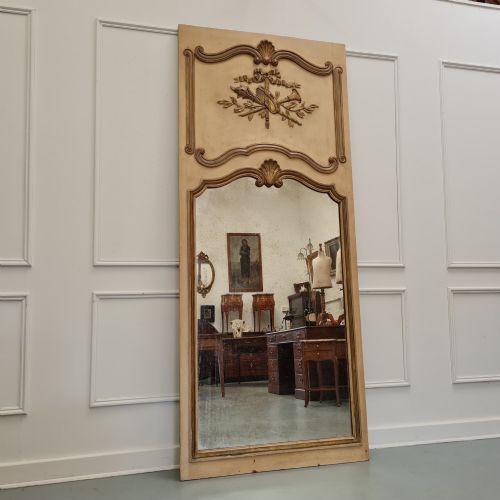
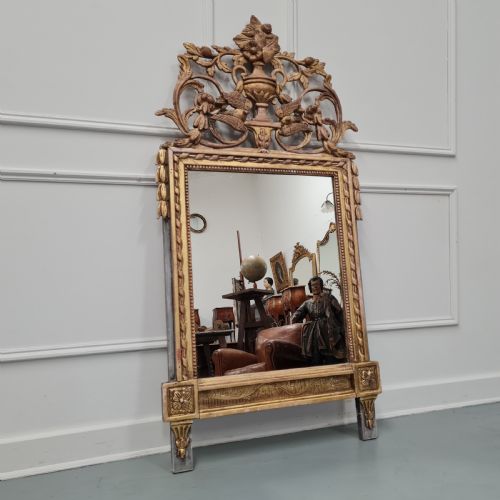
These pieces draw heavily on historical design vocabulary, spanning periods from 1900 to 1920 with revivals of French Louis XVI, Rococo, Adam and Regency styles. Alongside grand overmantle formats, the selection includes pier glasses, trumeau mirrors with painted panels, full height floor dressing mirrors, and marriage mirrors.
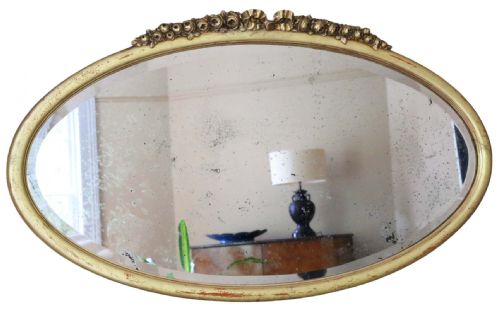
Formats range from simple oval frames to highly ornate carved designs incorporating ebonised elements, mahogany accents, and light grey painted finishes. They function primarily to amplify natural light within a room while anchoring the interior architecture with period character.
How they were made
Makers constructed the primary carcase of a c1900 gilt wall mirror from wood, frequently utilising timber foundations for heavy overmantle frames. Applied ornamentation and relief mouldings were commonly built up using composition, known as compo, or gesso layered over the wooden base.
The characteristic metallic finish relied upon gold leaf or applied gilt layers adhered to the prepared surface, sometimes combined with ebonised details or painted sections. Heavy mirror glass was then fitted into the rebate behind secure wooden backboards to complete the heavy assembly.
Marriage mirrors recorded in the inventory carry specific sentimental symbolism within their carved frames, designed to celebrate union around 1910.
What varies in quality
The standard of a c1900 gilt wall mirror is defined by the crispness of the modelled ornamentation and the depth of the underlying materials. Finely executed pieces display sharp relief in the gesso or composition details, whereas lower tier examples present softer, shallower moulding contours.
Materials also dictate longevity and visual weight, with genuine wood carcases and traditional gold leaf finishes holding an edge over simpler painted or heavily restored substitute surfaces. Furthermore, the preservation of the original mirror glass and the structural integrity of the heavy overmantle frame distinguish the finest examples.
The C1900 Gilt Wall Mirror Glossary
- Giltwood
- Timber carved and surfaced with gold leaf or metallic powder. It provides a warm, reflective border that catches natural light in a room.
- Overmantle
- A large mirror specifically scaled to hang on the wall directly above a fireplace mantelpiece. These pieces often feature landscape rectangular formats to match the width of the hearth below.
- Trumeau
- A decorative wall mirror incorporating a painted panel or artwork directly above the glass plate. This French style brings distinct interior decoration to a reception room.
- Gesso
- A plaster mixture applied to wood frames as a base for gilding and moulding. It allows craftsmen to press intricate decorative relief details into the surface.
- Pier glass
- A tall, narrow wall mirror traditionally hung on the stretch of wall between two windows. It maximises light reflection in darker period interiors.
C1900 Gilt Wall Mirror: Frequently Asked Questions
Where should I hang a c1900 gilt wall mirror?
These large overmantle and wall mirrors sit best directly above a fireplace mantelpiece where their horizontal scale anchors the hearth. They also function effectively on main reception room walls to reflect light across the space.
Ensure the wall construction and fixings can support the substantial weight of the wooden and gesso frame. Positioning the glass opposite a window maximises natural illumination within the room.
How do I clean a gilt mirror frame?
Dust the ornate gesso and giltwood surface gently with a soft, dry brush to prevent the accumulation of particles in the relief details. Avoid using standard liquid cleaning sprays or abrasive cloths which can damage fragile gold leaf or composition mouldings.
Use a mild glass cleaner applied directly to a cloth rather than the glass itself to protect the surrounding antique frame from moisture. Regular careful maintenance preserves the historical surface finish.
What is an overmantle mirror?
An overmantle mirror is a wide format looking glass designed specifically to be hung on the wall immediately above a fireplace mantel. These pieces were proportioned to match the hearth below and dominate the main chimney breast wall in a Victorian or Edwardian interior.
They often feature elaborate crestings and heavy frames intended to project status and reflect the warm light of an open fire.
How do I identify the style?
Examine the decorative motifs on the gesso and giltwood frame to determine the specific revival influence present in the piece. Adam revival designs typically show neoclassical urns, swags, and bellflowers, while Rococo revival examples display asymmetrical C-scrolls and naturalistic foliage.
Comparing the overall silhouette and framing details against known historical periods helps date the piece accurately between 1900 and 1920.