




C1750 Drinking Glass
A c1750 drinking glass brings the weight of Georgian glassmaking to your hand, offering genuine 18th-century character for the table.
C1750 Drinking Glass
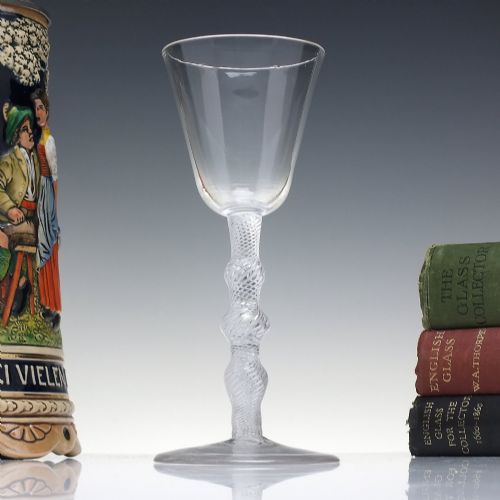
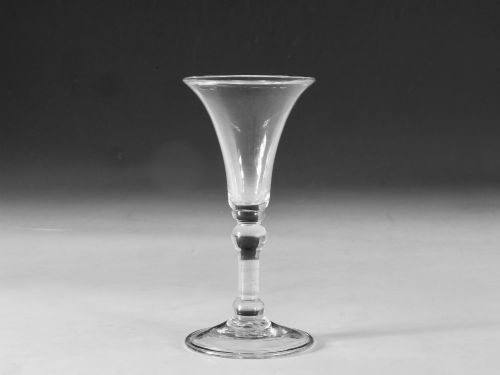
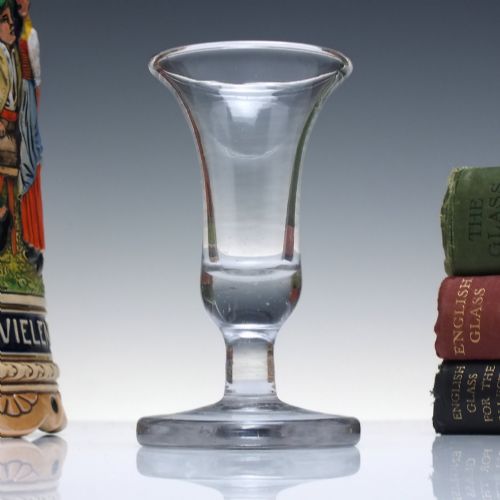
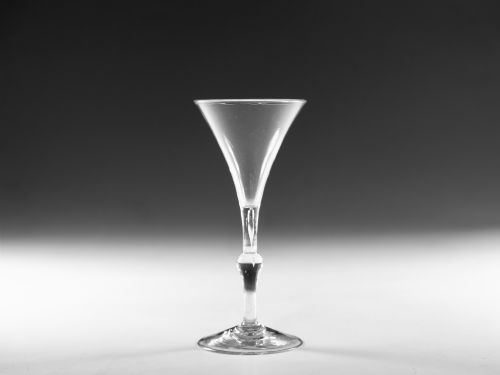
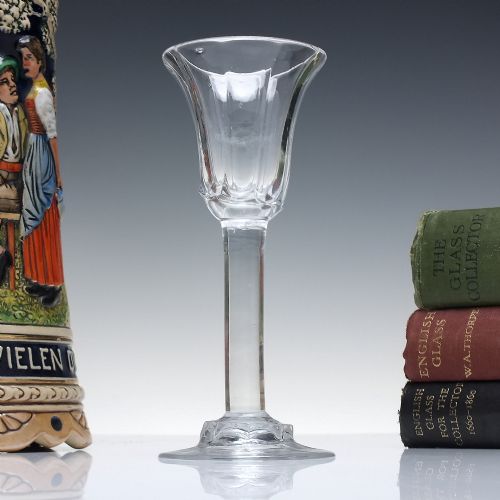
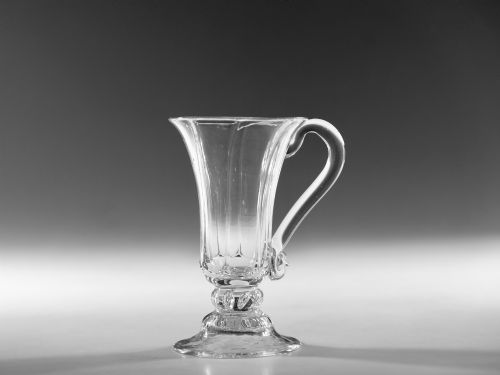
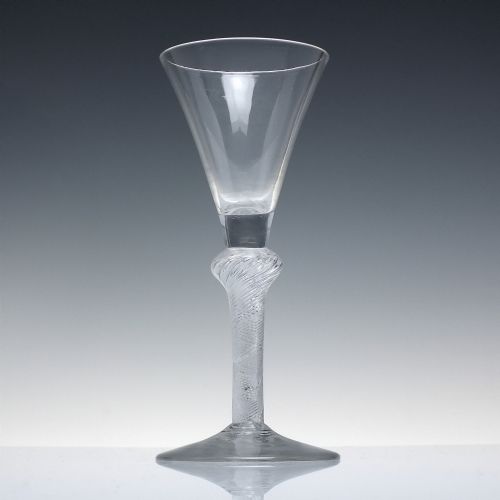
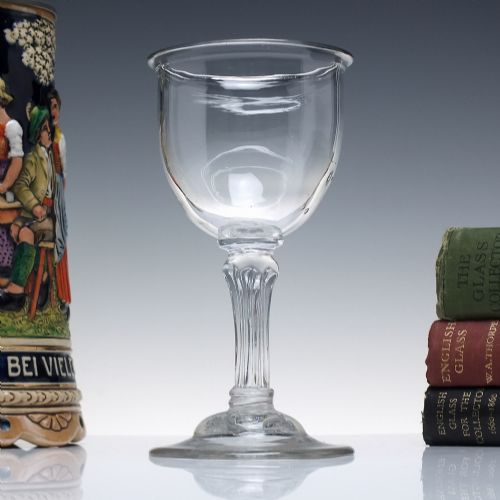
A c1750 drinking glass encompasses a variety of Georgian glassware forms originating from the mid-eighteenth century. Buyers searching for a c1750 drinking glass will encounter wine glasses, wine goblets, jelly glasses, champagne flutes, ale glasses, cordials, and ratafia glasses.
The most common form on this page is the wine glass, alongside specialised vessels like tall air twist cordial glasses and pedestal stem champagne glasses. These pieces originate from the Georgian period, specifically the year 1750 and the broader 18th century.
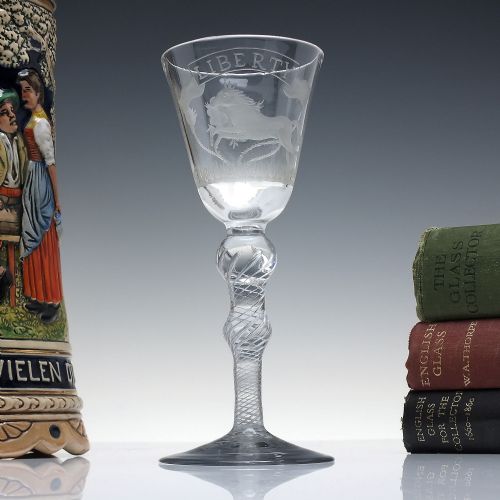
Forms range from simple plain stem wine glasses to elaborate composite and balustroid examples featuring domed feet. Specialised historical pieces such as Hanoverian liberty anti Jacobite wine glasses also appear within this selection.
How they were made
These vessels are fashioned from lead glass, clear lead glass, flint glass, and clear glass. The material allows for brilliant clarity and significant heft in the hand.
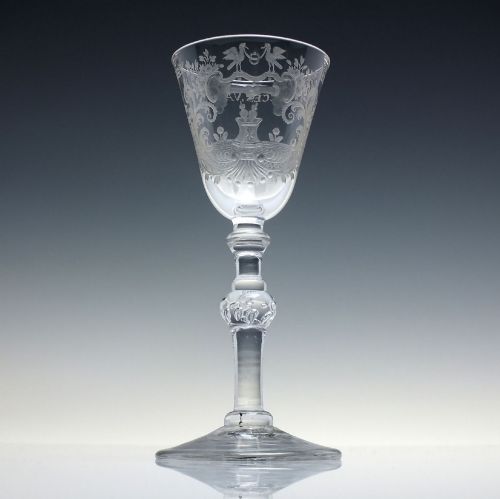
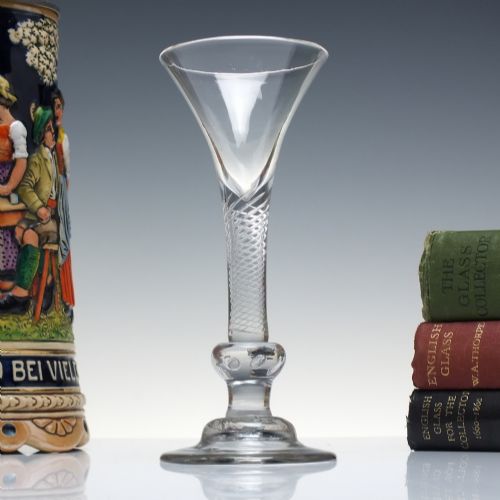
Maker techniques include inverted petal moulding, nut moulding, and air twist formations within the stem. Some pieces incorporate knops, light baluster profiles, and engraved surface decoration.
C1750 Drinking Glass Retail Price Guide 2026
Typical asking prices for c1750 drinking glass among the pieces listed under this phrase on Sellingantiques today, from the lower quarter to the upper quarter. They describe what is for sale here now, not the wider market.
Listings show a concentration of 18th-century clear lead glass forms utilising air twist stems and engraved decoration from the year 1750.
What varies in quality
Quality rests in the precision of the stem formation and the clarity of the metal. Air twist stems demand high skill to keep bubbles consistent throughout the length of the glass.
Engraving depth and artistry separate standard table vessels from exhibition-grade goblets. The presence of specialised feet, such as domed or folded bases, elevates the sophistication of the piece.
The C1750 Drinking Glass Glossary
- Air twist
- A decorative stem formation containing internal spiralling threads of air created by drawing bubbles through the hot metal before pulling and twisting.
- Baluster
- A heavy, swelling stem shape derived from architectural pillars, characteristic of earlier Georgian drinking vessels.
- Knop
- A knob or protuberance on the stem of a glass, often used structurally and decoratively to punctuate the profile.
- Ratafia glass
- A narrow, flute-like vessel designed for serving sweet cordial or fruit-flavoured liqueurs.
- Metal
- The term historically used by glassmakers to describe the molten glass composition itself before and after blowing.
C1750 Drinking Glass: Frequently Asked Questions
How do I identify a Georgian wine glass?
Georgian wine glasses exhibit characteristic 18th-century forms, heavy lead glass composition, and distinct stem configurations like balusters or plain stems.
They often display pontil marks on the base where the glassmaker snapped the pontil rod.
Were these glasses used daily?
Many of these vessels served wine, ale, champagne, or cordials at elite Georgian dining tables and social gatherings.
Specialised forms like jelly glasses and ratafia glasses fulfilled specific roles during formal courses.
What does balustroid mean?
A balustroid stem imitates the heavy, proportioned shape of an architectural baluster in a lighter, more refined manner.
This style bridges the gap between massive early baluster stems and slender later glass forms.