

Button Back Chesterfield
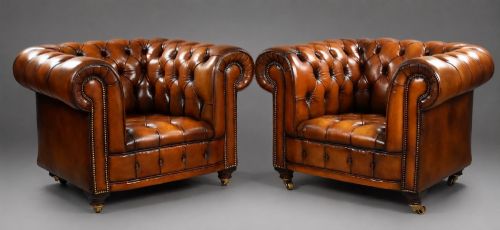
When you search for a button back chesterfield, you are looking at deep-buttoned seating that brings tactile depth and traditional comfort into a room.
Button Back Chesterfield
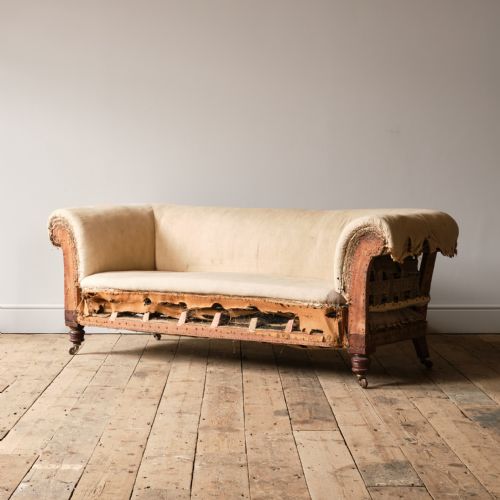
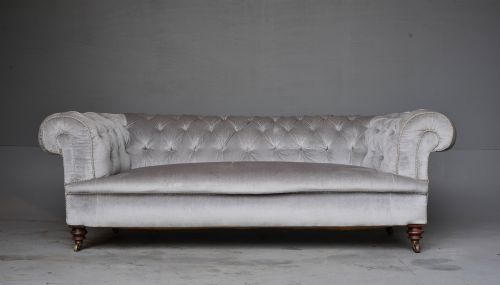
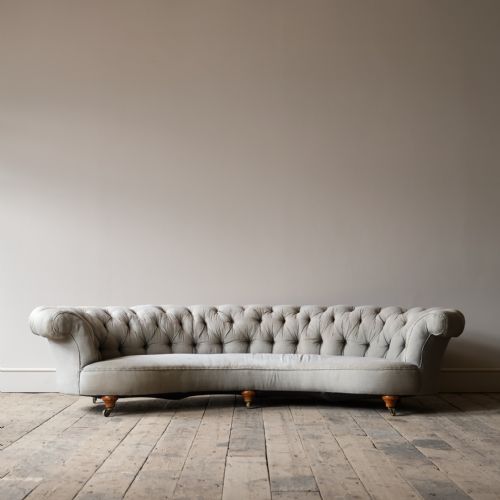
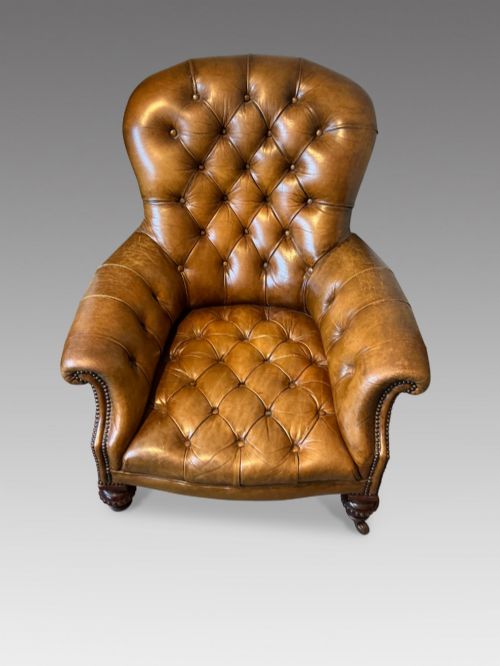
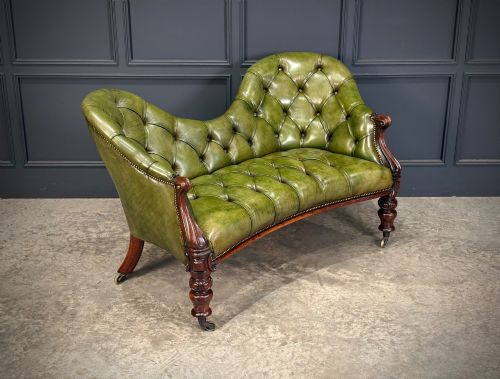
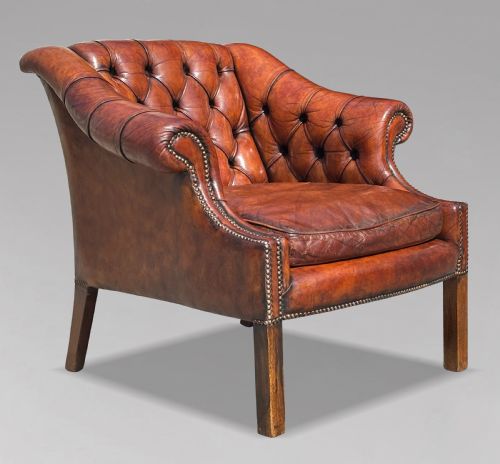
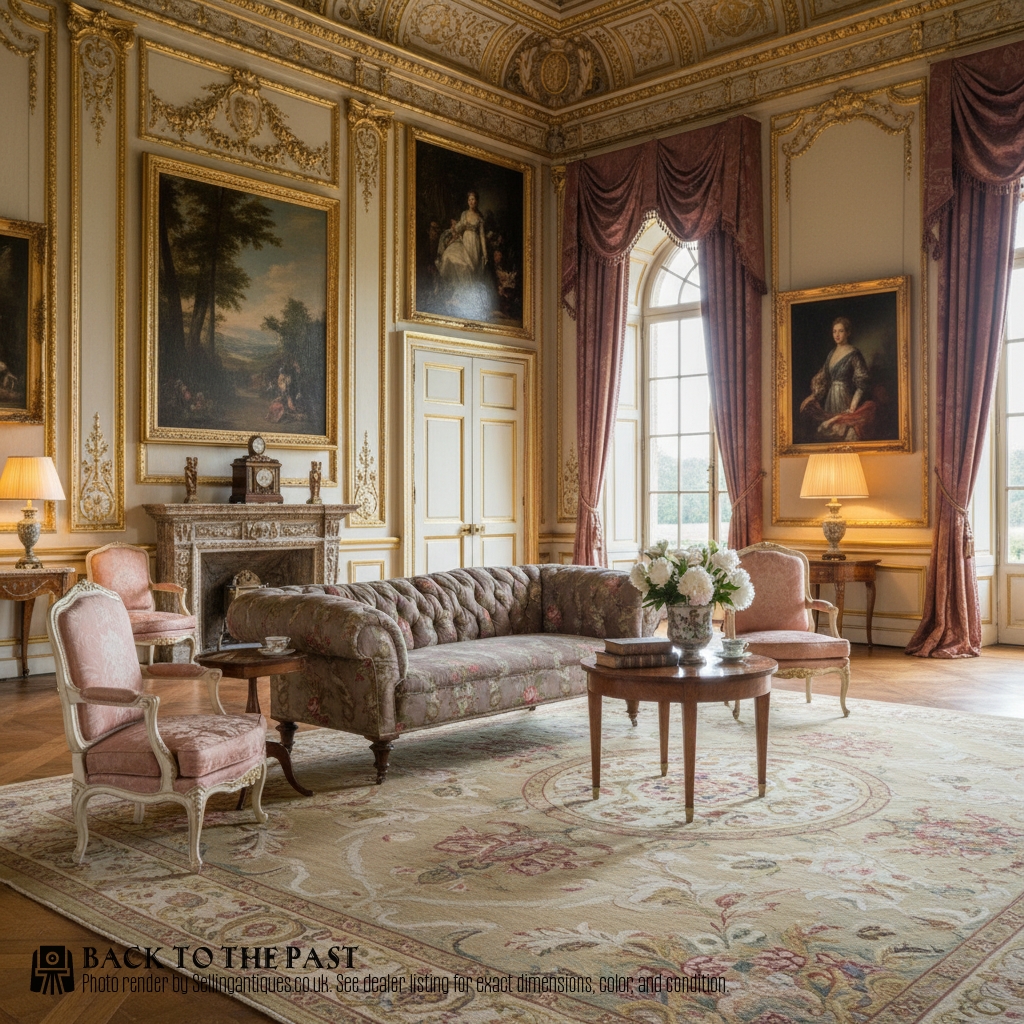
A button back chesterfield is a classic form of upholstered seating defined by its signature deep-buttoned backrest, encompassing both generous sofas and substantial armchairs. You will most frequently encounter nineteenth-century and Victorian examples on this page, alongside early twentieth-century interpretations.
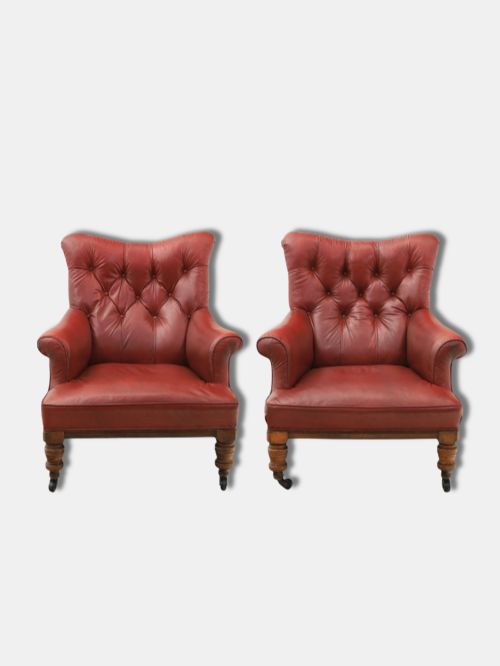
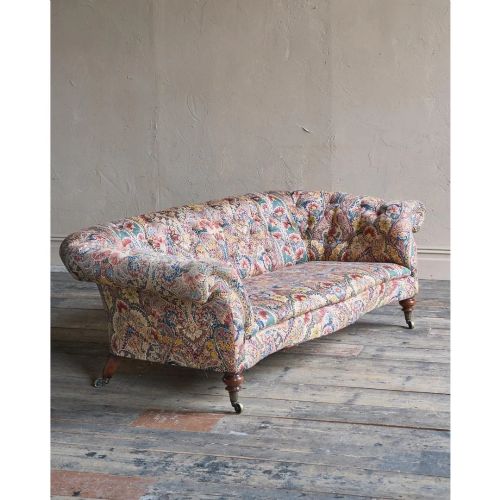
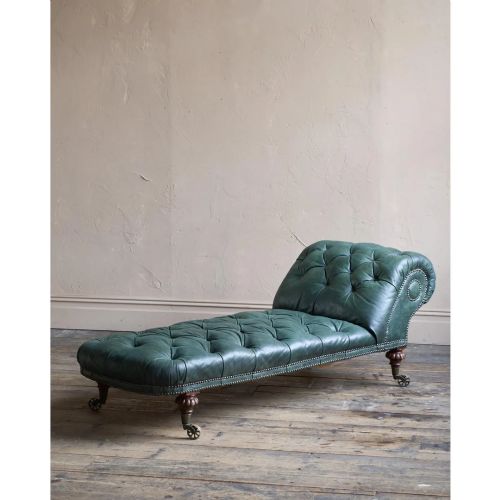
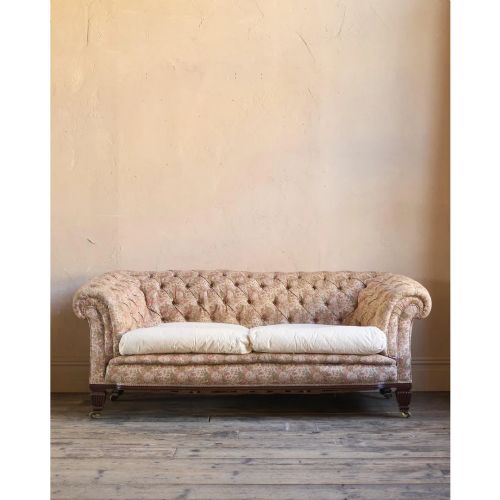
The selection ranges from expansive three-seater sofas and curved corner sections down to compact library chairs, club armchairs, and chaise longues. Many pieces display traditional proportions rooted in Georgian styles, Edwardian craftsmanship, and Regency designs.
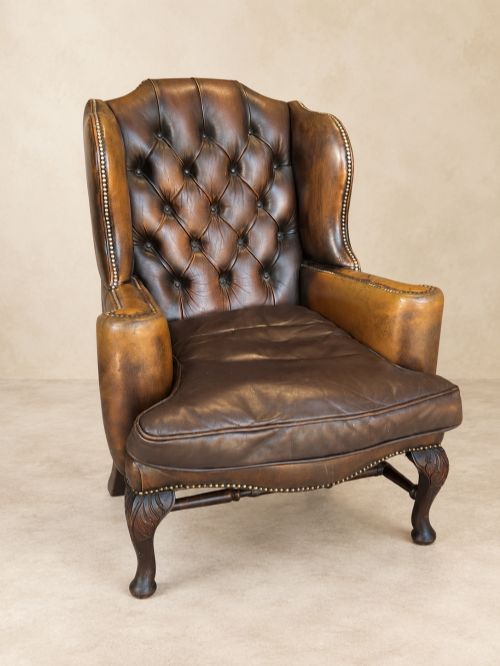
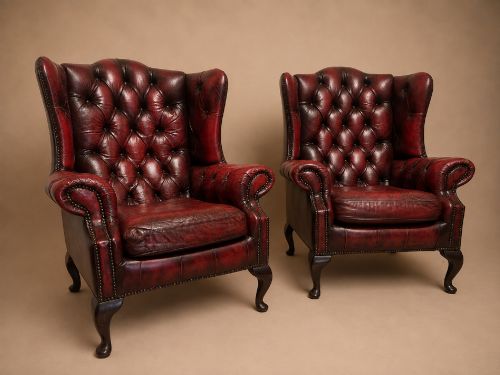
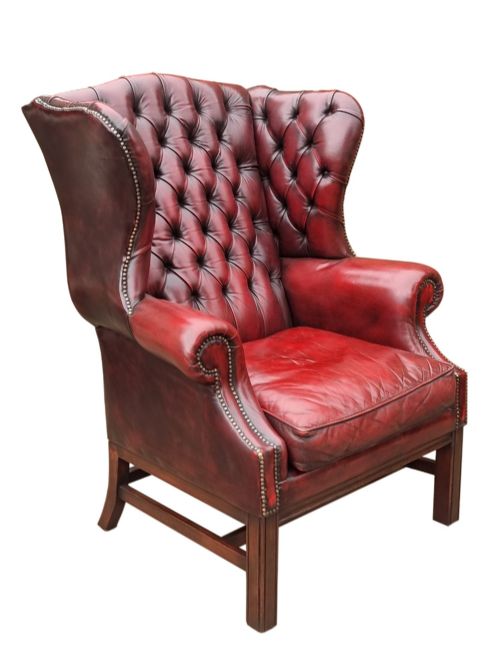
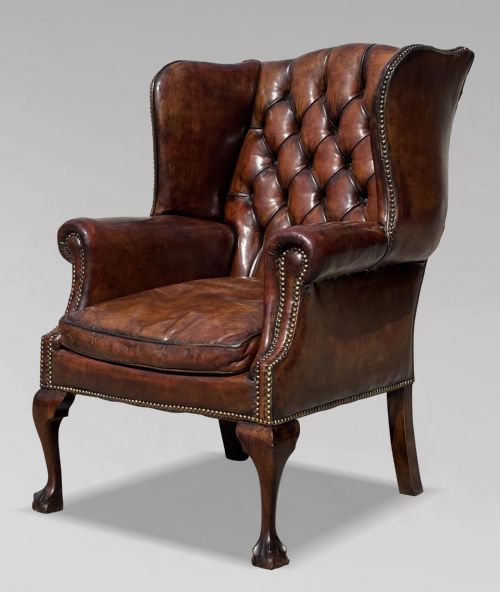
Makers such as Howard and Sons, Hampton and Sons, and Gillows appear among the listings, alongside country house pieces and pub benches. Whether you choose a low-slung sofa or a wing back armchair, each piece relies on the same foundational buttoned upholstery.
How They Were Made
Makers built the structural frames using sturdy timbers like mahogany and other hardwoods to support heavy daily use. Leather and fabric, including velvet and rexine, were pulled tight over internal stuffing and secured with deep tufting.
Brass fittings frequently appeared on castors and cappings attached to turned wooden legs. Leather surfaces were often hand-dyed in shades of brown, tan, green, or oxblood to achieve a rich finish.
Object forms range from standard three-seater sofas and corner seating down to wing armchairs, chaise longues, and snooker hall benches.
What Varies in Quality
Quality rests in the integrity of the frame and the depth of the original upholstery work. Pieces retaining their un-restored patination show distinct character compared to those that have undergone extensive repairs.
The grade of the leather and the precision of the hand-applied buttoning distinguish standard workshop output from pieces bearing the marks of prominent makers like Howard and Sons or Gillows.
Howard and Sons·Hampton and Sons·Gillows
The Button Back Chesterfield Glossary
- Chesterfield
- A form of upholstered sofa or chair traditionally featuring arms and back of the same height. This design has defined British formal seating for generations.
- Buttoned
- An upholstery technique where indentations are formed by pulling twine tightly through padding and securing it to the frame. This creates the characteristic diamond pattern.
- Rexine
- A brand of leathercloth fabric manufactured to imitate leather. It became a popular durable alternative during the early twentieth century.
- Castor
- A small wheel mounted on a swivel attached to the foot of a piece of furniture. These allowed heavy sofas to be moved across carpets.
- Wing back
- An armchair featuring protective side panels attached to the backrest. These wings originally shielded the sitter from drafts in large rooms.
Button Back Chesterfield: Frequently Asked Questions
How do I care for antique leather?
Antique leather benefits from regular dusting with a dry cloth and occasional treatment with appropriate conservation balms to prevent drying out. Keeping these pieces away from direct sunlight and strong heat sources protects the original hide and dye.
Avoid using modern synthetic cleaning sprays or heavy saddle soaps that can alter the historic finish. Gentle maintenance preserves the natural patination acquired over centuries of use.
Where were these pieces used?
Original chesterfields populated gentleman's clubs, libraries, and large country house drawing rooms where guests gathered in formal comfort. Smaller armchairs also served as desk chairs or intimate seating in private studies.
Over time, these versatile forms moved into domestic hallways, snugs, and commercial spaces like boardrooms and snooker halls. Their robust construction suited both public gathering places and private domestic interiors.
How do I distinguish Victorian pieces?
Victorian examples often display heavier timber frames, deeper buttoning, and specific leg turnings paired with brass castors. The leather on nineteenth-century pieces typically shows a distinct crackled grain and deep tones built up through decades of handling.
Comparing the stitching methods and internal webbing helps differentiate mid-nineteenth-century work from later Edwardian reproductions. Maker stamps or labels hidden on the frame or castors provide definitive chronological proof.
Can I reupholster a damaged piece?
Reupholstering is common for pieces listed specifically as projects or those with worn fabric coverings. Traditional methods must be used to maintain the structural integrity and historical proportion of the piece.
Retaining the original frame while replacing internal stuffings allows the chair or sofa to remain functional. Many collectors prefer pieces in un-restored condition so they can manage the conservation process personally.