


Mahogany Leg Chesterfield
A mahogany leg chesterfield brings deep comfort and formal presence to a room, resting on timber supports rather than traditional castors or valances.
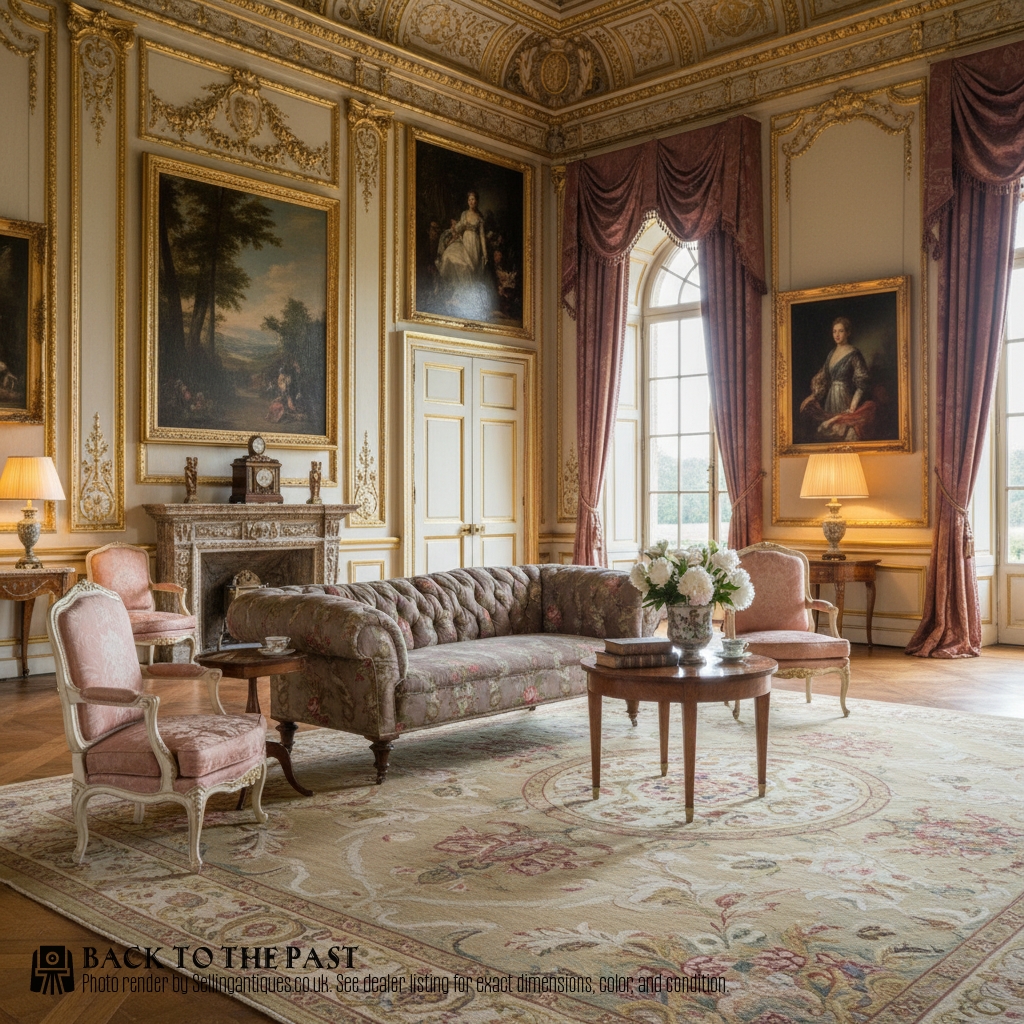
Mahogany Leg Chesterfield
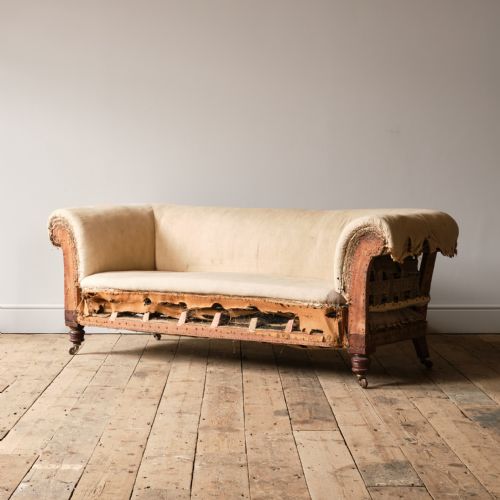
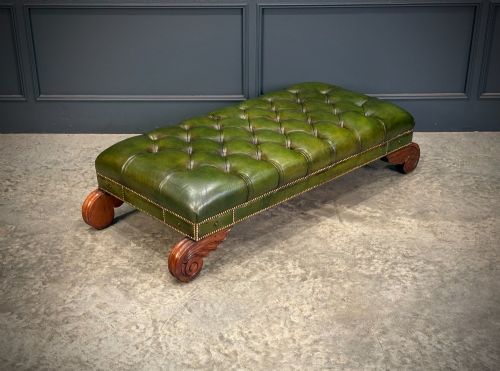
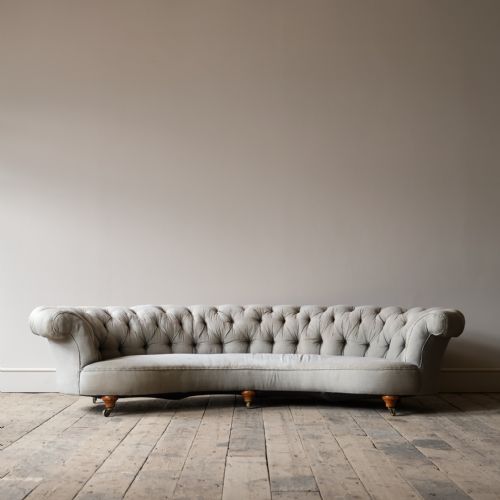
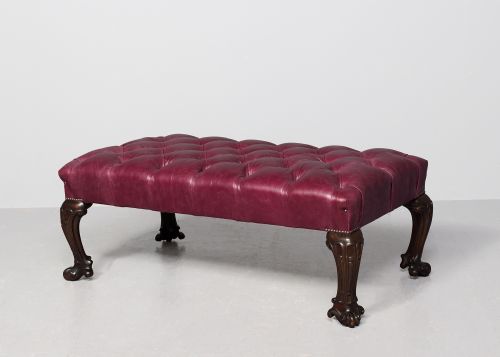
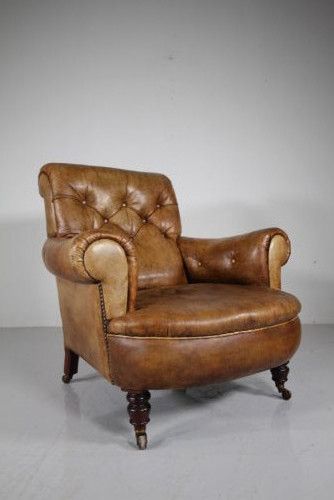
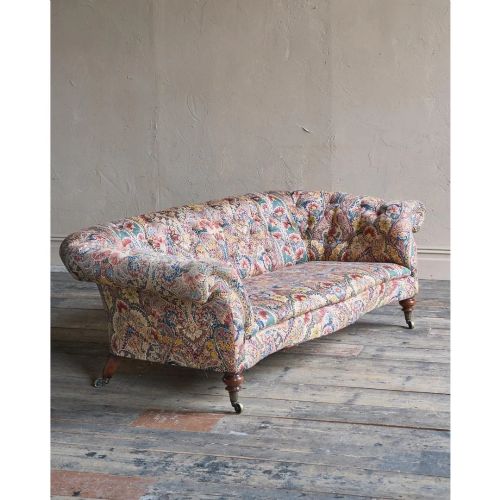
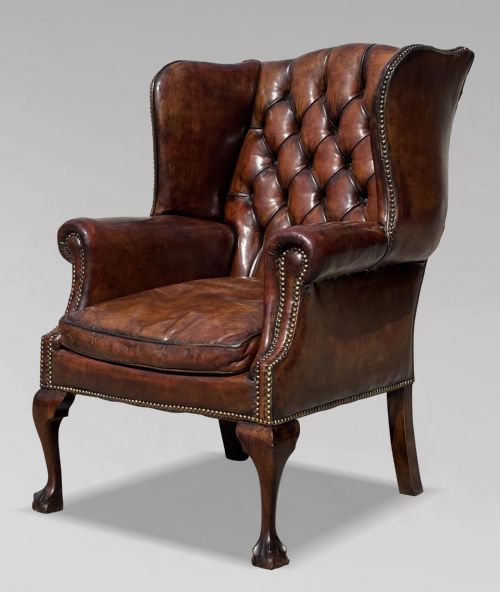
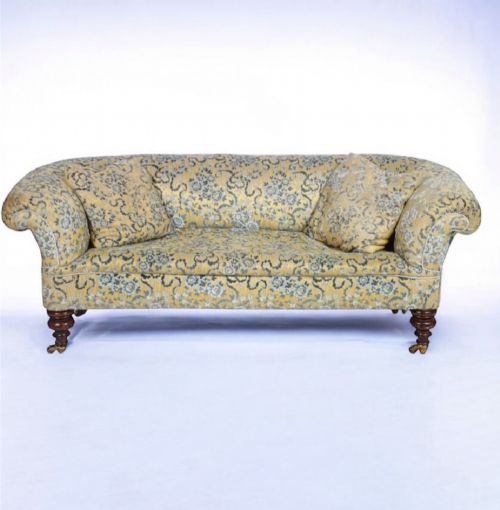
A mahogany leg chesterfield encompasses deep-buttoned sofas, armchairs, and footstools supported by exposed timber rather than concealed frames. These pieces combine upholstered comfort with the polished appearance of hardwood furniture.
The selections span the Victorian period through to the Edwardian era, alongside Georgian and Regency examples. Sofas and footstools dominate the offerings, frequently featuring turned wooden legs paired with brass hardware.
Originating primarily from English workshops, these items serve as central seating fixtures in traditional interiors. The timber supports distinguish them from fully upholstered counterparts by revealing the structural base of the seat.
Materials and construction methods
Construction relies upon robust hardwood frames combined with turned mahogany for the legs and supports. Upholsterers apply traditional stuffing beneath leather, calico, hessian, or damask covers.
Buttoning secures the upholstery through the padding to create the characteristic indented surface pattern. Brass cappings and castors frequently finish the lower portion of the mahogany legs.
Certain footstools arrive with claw and ball feet, granting solemn leather furniture an unexpected touch of animal grace.
Factors that separate the examples
Quality rests upon the proportion and grain of the mahogany woodwork, alongside the execution of the turned legs. Finer pieces demonstrate careful joinery and well-defined wooden profiles.
The grade of leather or fabric influences the durability and appearance of the upholstery. Tight, even buttoning across the back and seat indicates skilled craftsmanship during assembly.
Howard and Sons·Gillows
The Mahogany Leg Chesterfield Glossary
- Chesterfield
- A deep-buttoned upholstered sofa or seating piece traditionally featuring rolled arms of equal height to the back. It remains a staple of period English seating.
- Buttoning
- An upholstery technique where indentations are formed across the padded surface using secured twine and buttons. This method keeps internal stuffing firmly distributed.
- Mahogany
- A durable reddish-brown tropical hardwood utilised for structural legs and furniture frames. It takes a high polish and resists warping over decades of use.
- Castor
- A small wheel mounted on a swivel attached to the base of furniture legs. It allows heavy seating pieces to be moved across floor surfaces with minimal effort.
Mahogany Leg Chesterfield: Frequently Asked Questions
How do I identify a Victorian chesterfield?
Victorian examples display specific proportions, dense internal stuffing materials, and distinct wood turning on the legs. Examining the underside reveals period canvas, webbing, and fastener types.
Makers from this era often utilised robust hardwood frames designed for heavy daily use. The presence of original brass cappings further aids identification.
What maintenance do leather chesterfields require?
Leather surfaces benefit from regular dusting and occasional applications of neutral conditioning balms to prevent drying. Avoiding direct sunlight protects the hide from fading.
The wooden legs require standard furniture polish applied sparingly to maintain the finish. Checking the stability of the legs periodically ensures the joints remain secure.
Where should I place a mahogany leg footstool?
These footstools function effectively alongside matching armchairs or sofas in a study or drawing room. Their exposed timber allows them to coordinate with other freestanding wooden furniture.
Positioning them away from heat sources protects both the leather upholstery and the polished mahogany timber from cracking.
Are these sofas suitable for modern rooms?
The traditional silhouette and exposed mahogany legs integrate well into contemporary spaces seeking a classic focal point. Faded leather finishes introduce texture and historical character.
Scale remains an important consideration, as these seating pieces often occupy considerable floor space. Measuring the room ensures adequate clearance around the wooden supports.