


Burr Wood Box
A burr wood box brings tactile warmth and intricate natural patterning into a room, serving as both a functional container and a sculptural object.
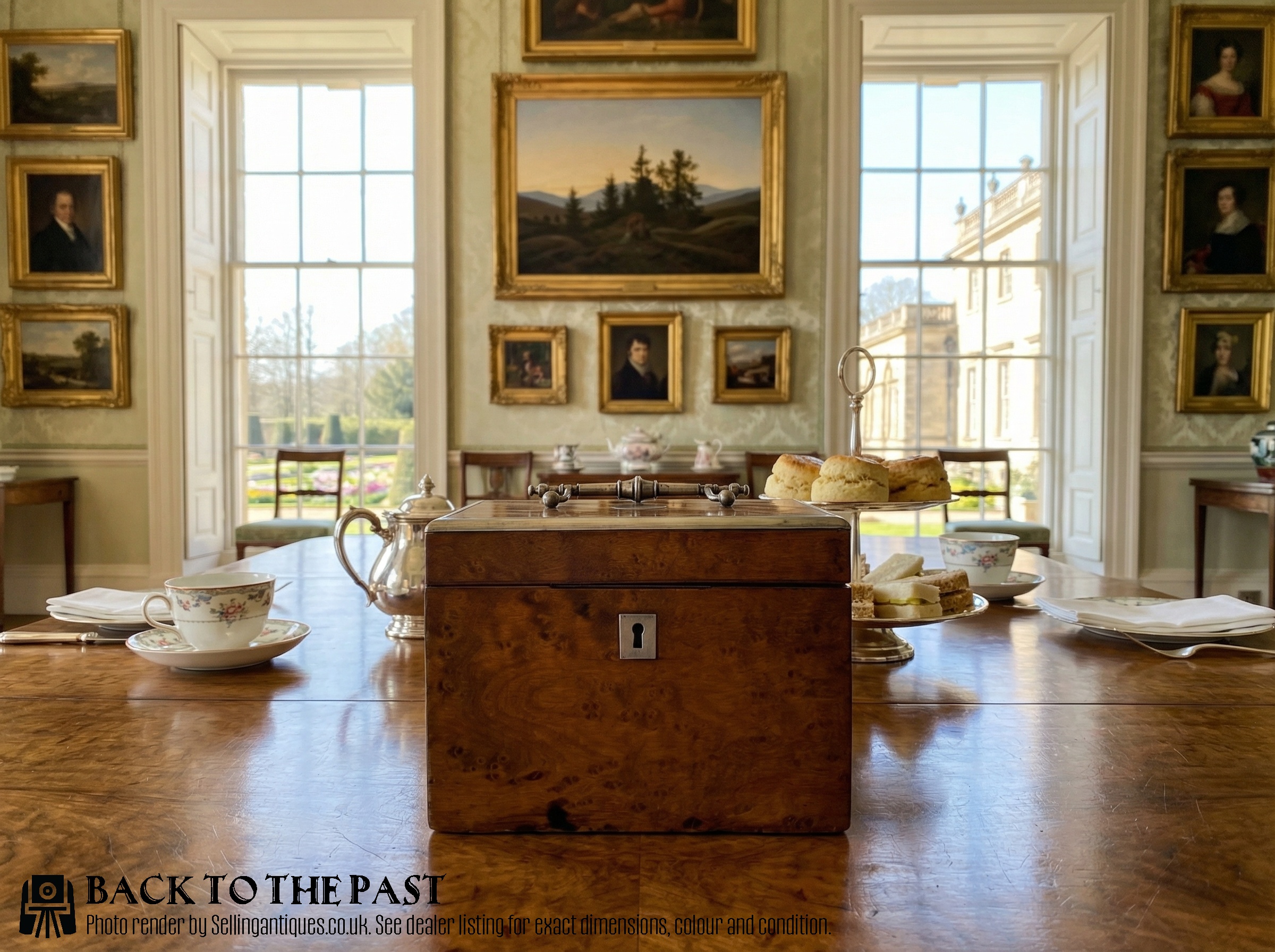
Burr Wood Box
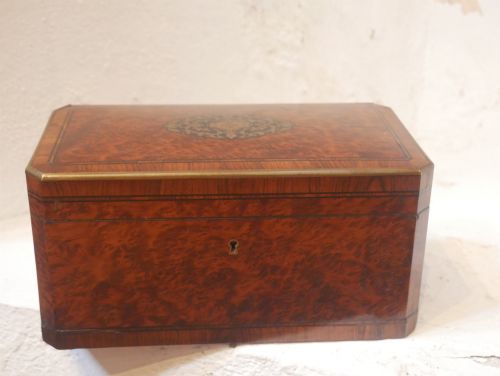
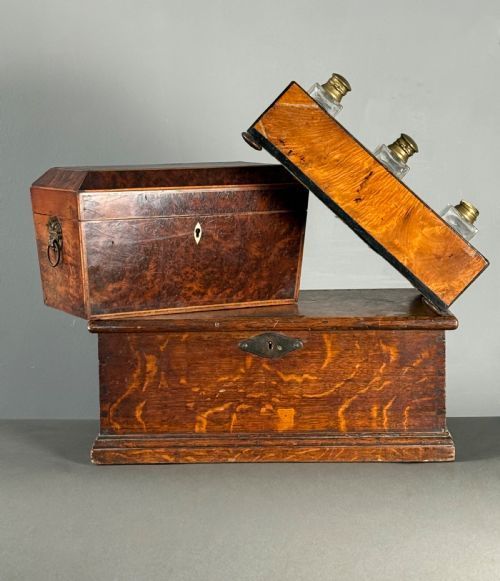
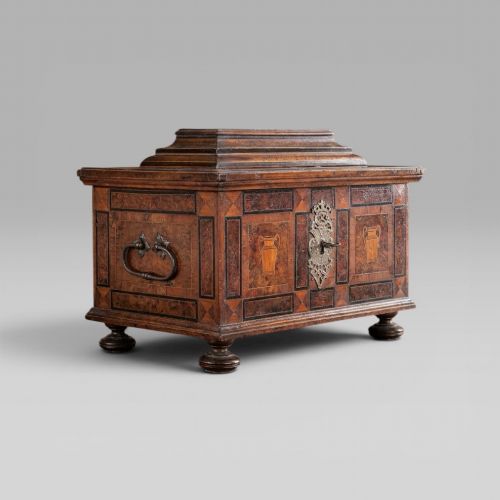
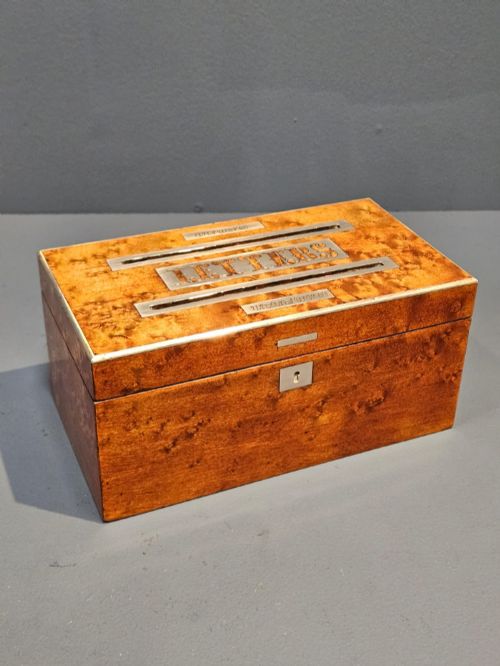
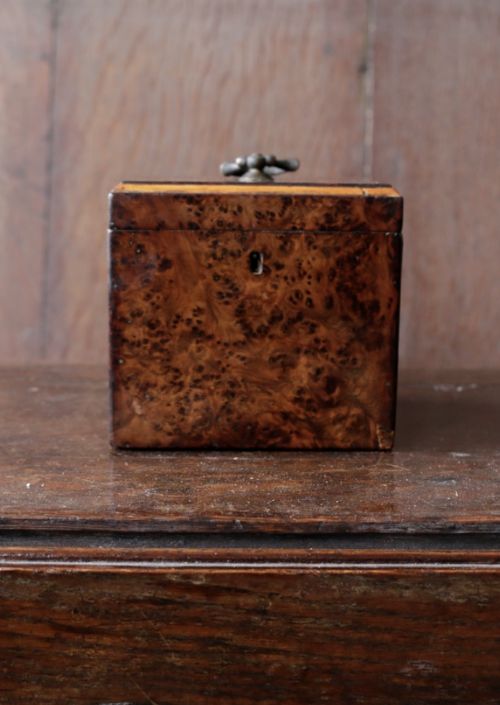
A burr wood box encompasses a wide variety of small-scale containers designed for specific domestic uses, ranging from tea caddies and snuff boxes to writing slopes and sewing tables. When browsing this selection, the most common pieces encountered date from the Georgian and Victorian periods, reflecting a historical enthusiasm for ornate desktop and tabletop accessories.
Makers utilised intensely figured timbers to create functional items that doubled as decorative focal points in drawing rooms and studies. These containers often incorporate specialised internal compartments, reflecting the precise organizational needs of households from the eighteenth through the nineteenth centuries.
Materials and construction
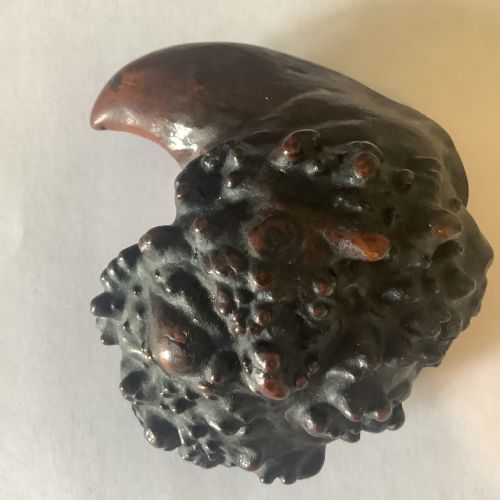
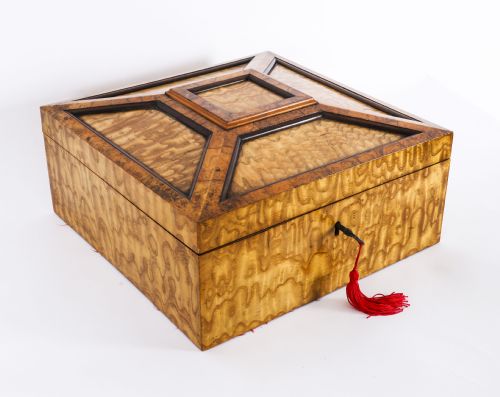
Cabinetmakers selected timber harvested from tree growths known as burrs or burls, which yield swirling, knotted grain patterns. These highly decorative veneers were typically applied over a stable secondary wood carcass using animal glues, ensuring the delicate surfaces remained secure.
Construction frequently involved precise mitre joints, internal dividers shaped from contrasting secondary timbers, and functional hardware cast from brass. Master craftsmen enhanced these surfaces with delicate stringing and marquetry executed in boxwood, ebony, or mother-of-pearl.
Several ingenious nineteenth-century boxes double as trick snuff containers or optical stereoscopes, designed purely to amuse Victorian guests in the parlour.
Indicators of quality
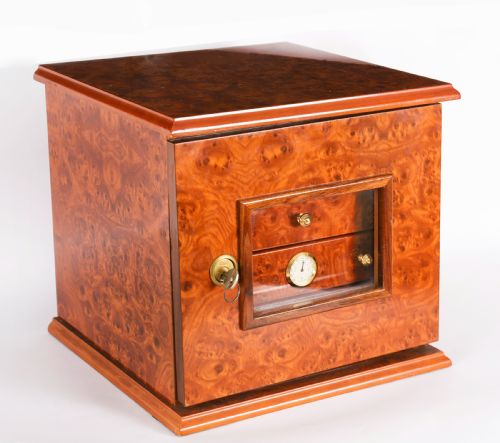
The standard of a burr wood box rests largely on the density and visual complexity of the grain pattern chosen by the maker. Premium examples display an unbroken flow of natural figuring across all visible surfaces, demonstrating careful matching of the veneer.
Superior craftsmanship reveals itself in the interior fittings and structural integrity. Finely made pieces retain original working locks, smoothly operating drawers, and precise flush-fitting lids that align perfectly with the box body over centuries of atmospheric change.
Tahan Paris·Waring and Gillow
The Burr Wood Box Glossary
- Burr
- A growth on a tree where the grain has grown in a deformed, swirling manner. This produces highly prized timber with complex, knotty patterns.
- Tea caddy
- A container designed specifically to store loose tea leaves securely. They frequently feature internal lidded compartments to separate different varieties.
- Stringing
- A thin inlay of contrasting wood used to outline panels or edges. It defines geometric borders on Georgian and Victorian cabinet work.
- Marquetry
- The art of applying pieces of veneer to a structure to form decorative designs. Craftsmen use various woods to create pictorial or abstract motifs.
- Treen
- Small handmade wooden domestic objects. These items range from spice flasks to snuff boxes shaped by early turners.
Burr Wood Box: Frequently Asked Questions
What were burr wood boxes used for?
These boxes served precise domestic functions depending on their internal layout. Many held precious loose tea leaves, personal correspondence, sewing implements, or tobacco.
Over time, owners also repurposed them to safeguard jewellery, letters, and small collectibles within the principal rooms of the house.
How do I identify the period of a box?
Dating relies on observing construction methods, hardware types, and prevailing furniture styles. Georgian pieces often feature simpler architectural proportions and delicate stringing, whereas Victorian examples tend toward heavier proportions and elaborate internal arrangements.
Secondary woods inside the carcass and the style of the brass hinges also provide clear clues to the decade of manufacture.
How should I care for antique burr wood?
Keep wooden boxes away from direct sunlight and strong heat sources to prevent the veneer from drying out and lifting. Stable indoor humidity protects both the timber and the underlying animal glue.
An occasional application of a suitable traditional wax polish maintains the lustre of the historic finish without building up unwanted residue.
What is the difference between yew and walnut burr?
Burr yew timber presents a lighter, golden-brown hue peppered with tiny dark pin-knots and complex, swirling eyes. It was heavily favoured by English cabinetmakers during the Regency and Georgian eras.
Burr walnut displays a deeper chocolate brown colour with larger, sweeping cloud-like patterns, which became exceptionally popular during the Victorian period.