


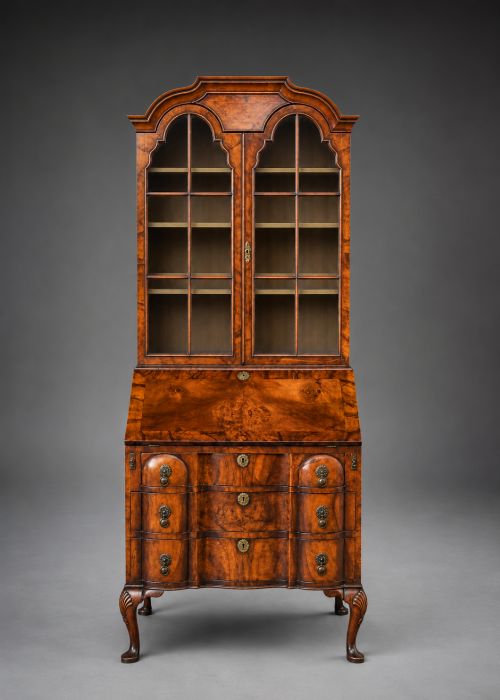
Burr Walnut Glazed Cabinet
A burr walnut glazed cabinet brings swirling, rich grain patterns and secure display space to any room.
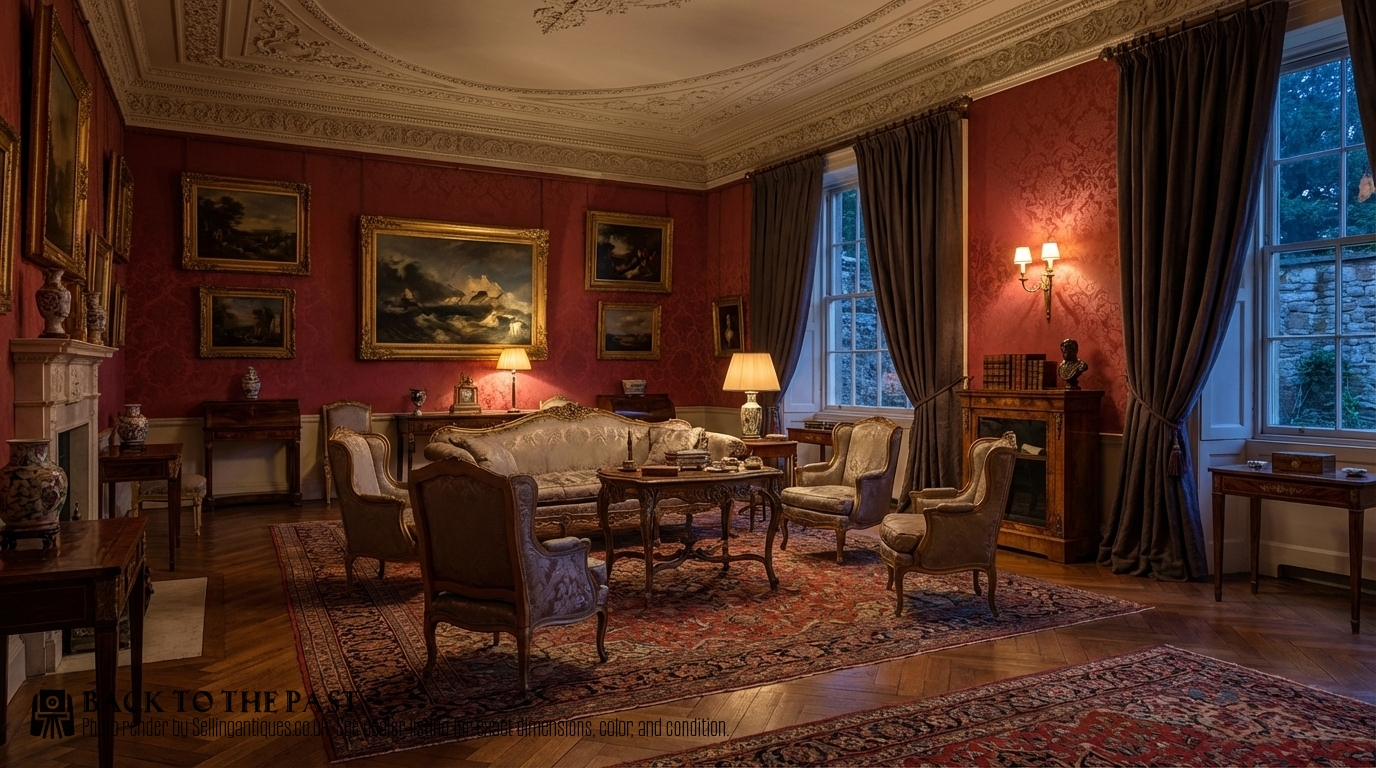
Burr Walnut Glazed Cabinet
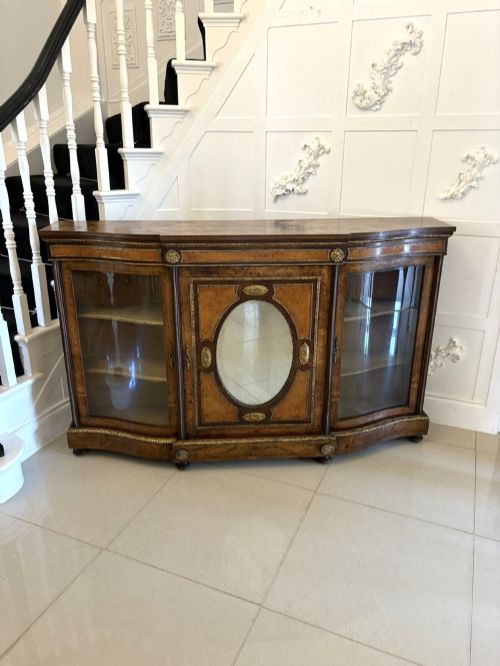
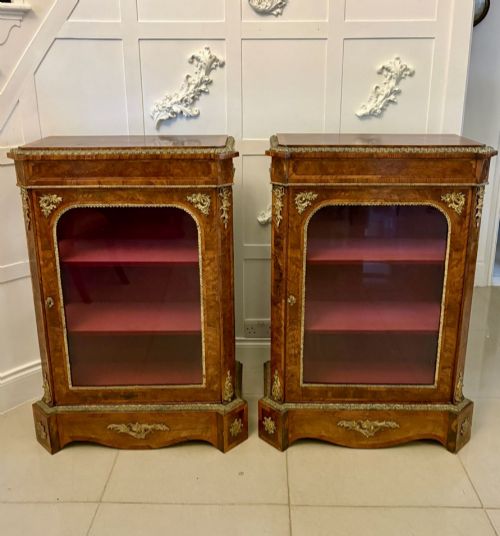
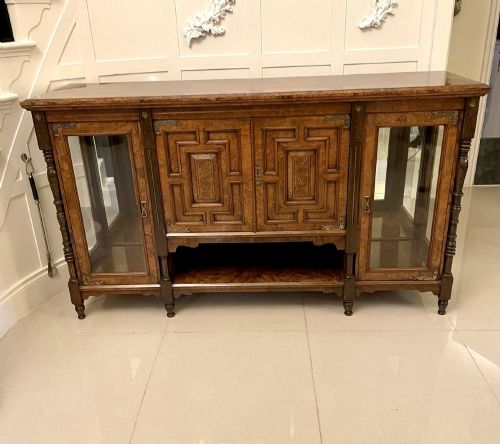
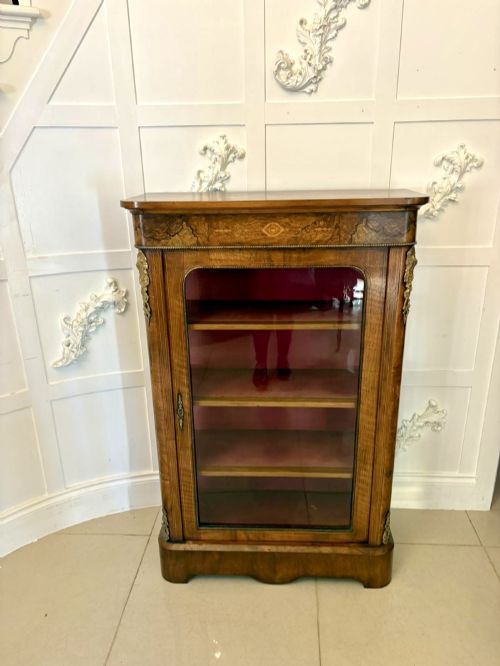
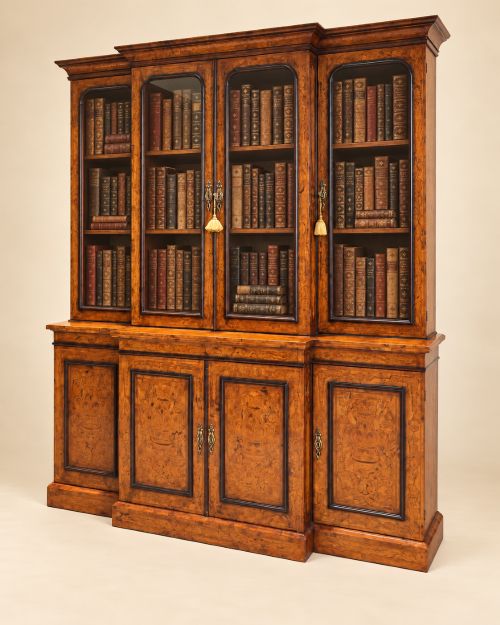
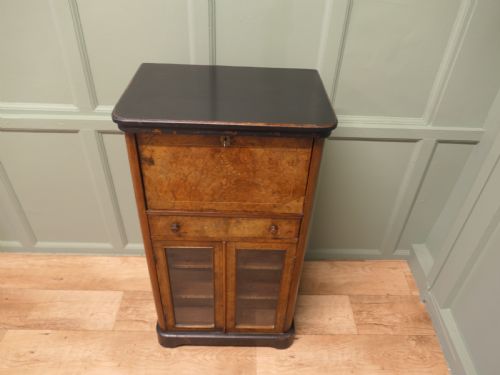
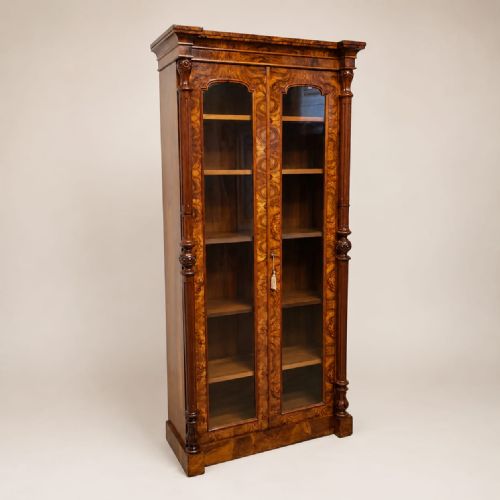
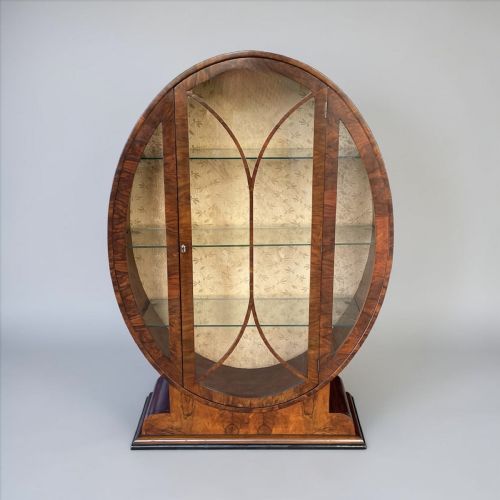
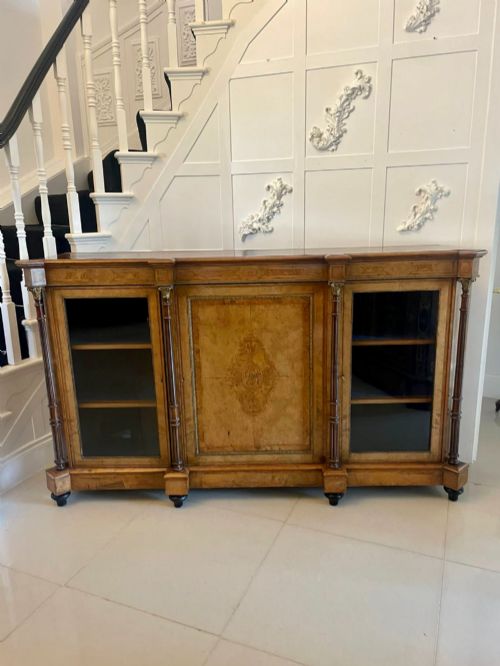
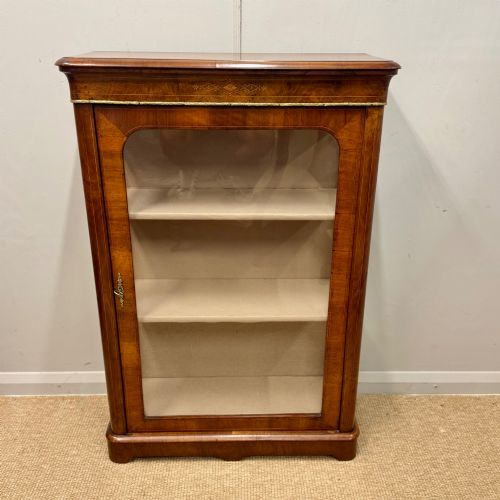
A burr walnut glazed cabinet brings together highly figured timber veneers and transparent glass doors designed for showing porcelain, books or curiosities. These items appear primarily in Victorian, Edwardian and Art Deco iterations, spanning display cabinets, pier cabinets, breakfront bookcases and credenzas.
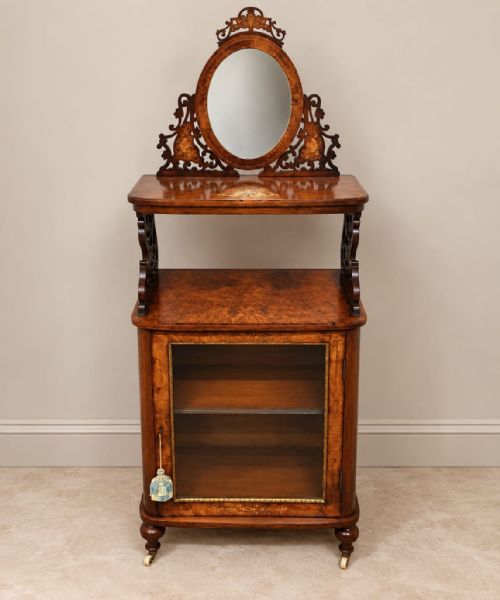
Victorian pieces dominate the selection, often taking the form of low pier cabinets or broad credenzas fitted with glass panels and brass mounts. Later twentieth-century examples lean towards clean Art Deco lines or revival styles that retain the characteristic patterned veneer.
The phrase encompasses multiple storage forms where glass fronts allow visibility while protecting contents from dust. Buyers encounter everything from tall slim bookcases to compact side cabinets originating from the nineteenth and early twentieth centuries.
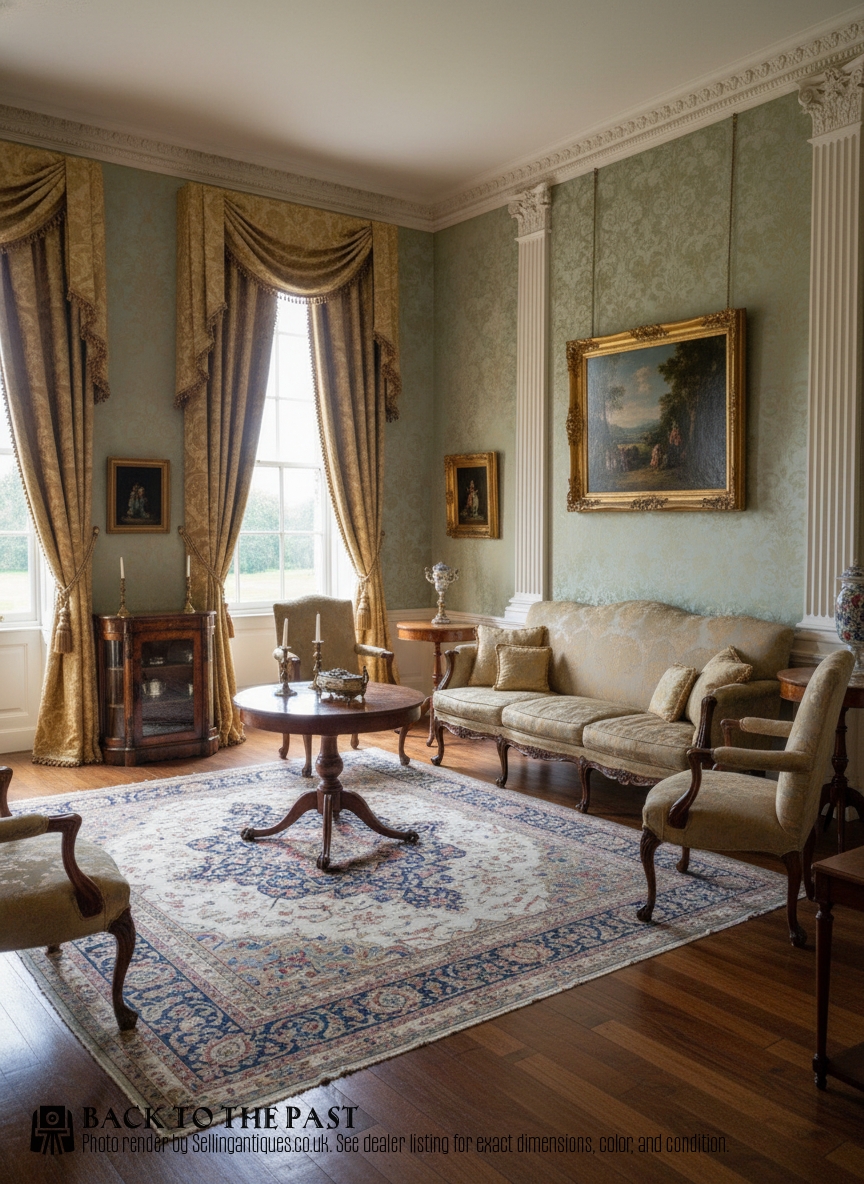
How they were made
Cabinet makers utilised thin slices of burr walnut veneer, prized for its swirling knot formations, laid over stable secondary woods like mahogany or pine. This technique maximised the visual impact of scarce, highly figured timber across large flat surfaces such as door panels and top boards.
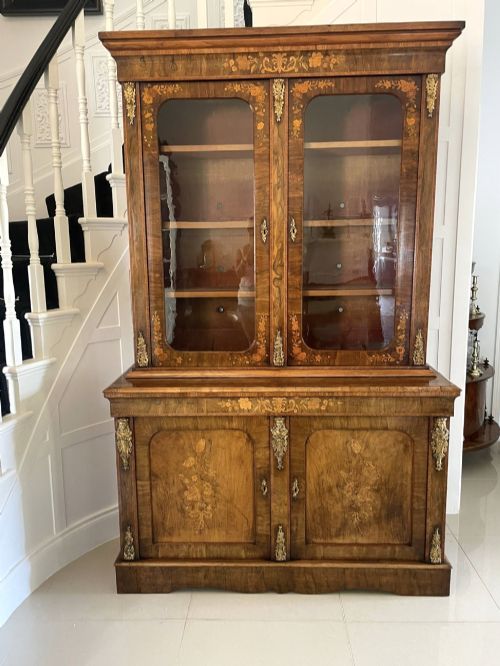
Ormolu mounts, cast bronze finished in gilt, frequently accent the corners, borders and pilasters of Victorian examples. Glazing bars divide the glass panes into geometric or curved arrangements, while marquetry inlay incorporating floral motifs appears on superior surfaces.
Burr Walnut Glazed Cabinet Retail Price Guide 2026
Typical asking prices for burr walnut glazed cabinet among the pieces listed under this phrase on Sellingantiques today, from the lower quarter to the upper quarter. They describe what is for sale here now, not the wider market.
Some Victorian music filing cabinets hide internal sheet-music partitions behind their handsome burr walnut doors.
What varies in quality
The density and symmetry of the burr walnut grain dictate visual success, with tighter, more evenly distributed knot patterns commanding greater admiration. Superior pieces display continuous grain matching across drawer fronts and doors rather than haphazard patchworks of veneer.
Finishing details separate standard production from exceptional workshops, particularly the crispness of cast ormolu mounts and the precision of marquetry inlay. Robust internal construction, original glass panes and well-fitted doors ensure longevity and structural integrity.
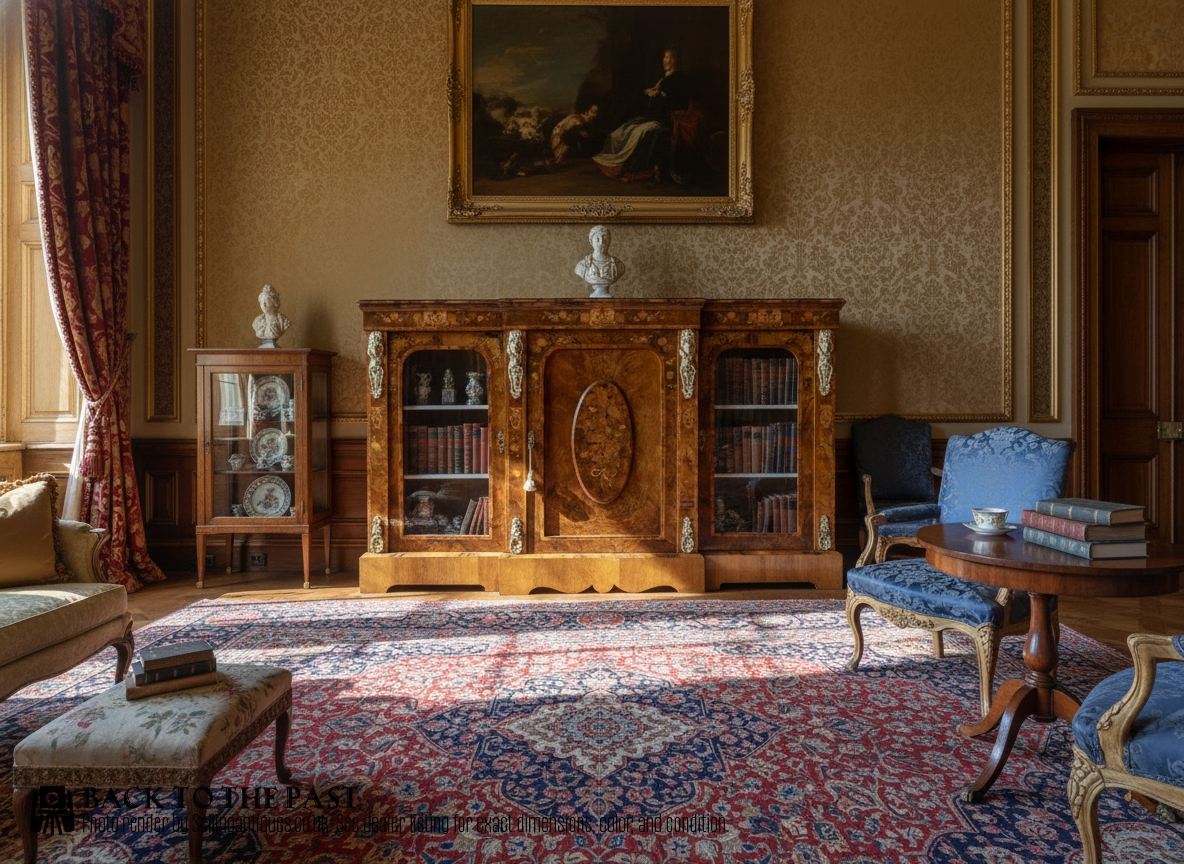
The Burr Walnut Glazed Cabinet Glossary
- Burr walnut
- A veneer sliced from the knotty growths of walnut trees, yielding intricate, swirling grain patterns. It forms the primary decorative surface on high-status nineteenth-century furniture.
- Ormolu
- Gilded bronze used for decorative mounts, feet and border trims on cabinets. The technique involves applying a gold-mercury amalgam to cast bronze.
- Pier cabinet
- A narrow cabinet designed specifically to stand against the wall space between windows. These pieces often feature glass doors and velvet-lined interiors.
- Marquetry
- The art of applying small pieces of veneer to a structure to form decorative patterns or pictures. Craftsmen use various tinted woods to achieve tonal depth.
- Credenza
- A low dining room or parlour cabinet featuring cupboards and sometimes central glass doors. Victorian iterations frequently incorporate brass galleries and shaped plinths.
Burr Walnut Glazed Cabinet: Frequently Asked Questions
How do I clean a burr walnut cabinet?
Dust regularly with a soft, dry cloth to prevent particle build-up on the delicate veneer surface. Avoid modern silicone sprays, using traditional beeswax sparingly to nourish the timber.
Keep the cabinet away from direct sunlight and heat sources to prevent the wood from drying out or the veneer from lifting over time.
What is the difference between a pier cabinet and a display cabinet?
Pier cabinets were originally built to fit specific narrow wall spaces between architectural windows in Victorian drawing rooms. They usually feature a single glazed door and compact proportions.
General display cabinets encompass a wider range of freestanding forms, including broad breakfront bookcases, credenzas and multi-shelf China cabinets designed for general room placement.
How do I date a burr walnut cabinet?
Examine the construction methods, secondary timbers inside the drawers, and overall stylistic markers such as classical revival motifs or Art Deco geometry. Nineteenth-century pieces often display hand-cut dovetails and heavy ormolu mounts.
Later Edwardian and 1930s examples show machine-sawn components, simpler internal linings, and different proportions that reflect changing domestic interiors of the era.
Can these cabinets hold heavy books?
Most glazed cabinets featuring delicate shelving are constructed primarily for display items, ceramics or lighter volumes rather than heavy library sets. Pier cabinets and small display cases typically utilise thin timber shelves supported on adjustable wooden ratchets or metal pins.
Check the thickness of the internal shelves and the strength of their supports before loading them with substantial book collections.