




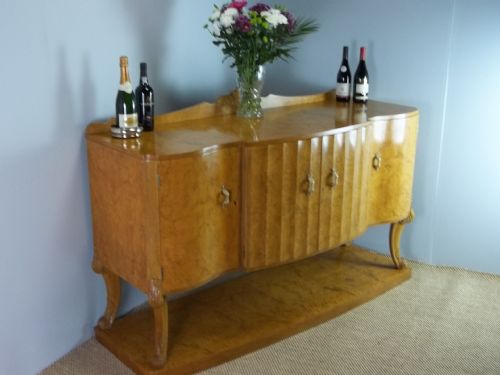
Burr Walnut Credenza Table
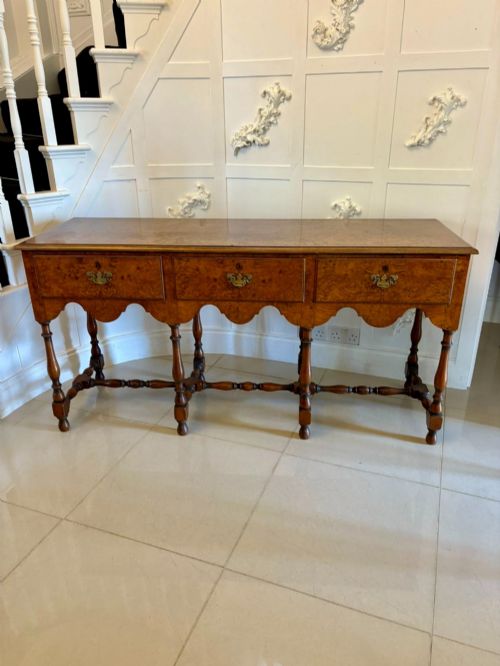
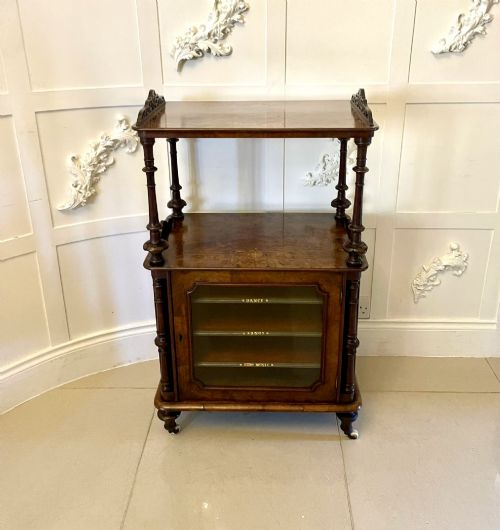
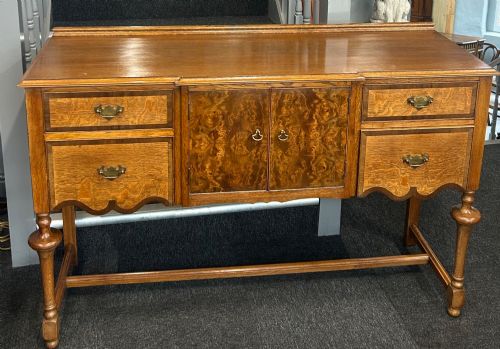
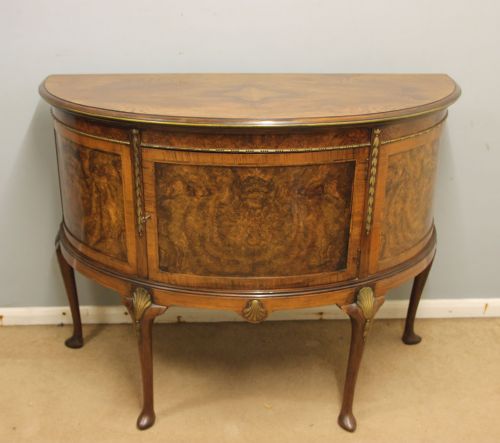
These burr walnut credenza table pieces combine rich veneer work and formal utility, offering an impressive centrepiece for any traditional or modernist interior.
Burr Walnut Credenza Table
Buyers encounter diverse configurations, from break-fronted bookcases and demi-lune cabinets to pedestal sideboards and compact side tables. These forms served dining rooms and reception spaces, functioning as display furniture and practical storage surfaces alike.
Origins stretch from the robust proportions of nineteenth-century workshops to the sleek geometric lines favoured by twentieth-century makers. This variety ensures that both ornate revival styles and streamlined modernist designs appear within the category.
How they were made
Construction relies heavily on walnut timber and decorative walnut veneer, often showing the swirling patterns characteristic of burr growths. Secondary timbers such as oak provide structural stability beneath the decorative outer surfaces.
Cabinetmakers utilised brass mounts, inlaid details, glass panels, and occasionally marble tops to finish the pieces. These applied elements contrast with the dense grain of the primary burr walnut veneers.
Burr Walnut Credenza Table Retail Price Guide 2026
Typical asking prices for burr walnut credenza table among the pieces listed under this phrase on Sellingantiques today, from the lower quarter to the upper quarter. They describe what is for sale here now, not the wider market.
Materials recorded across the selection include walnut veneer, solid oak, glass, and brass fittings.
What varies in quality
The distinction between standard utility and superior craftsmanship rests in the selection of the burr walnut veneer and the precision of its matching across doors and panels. Finer examples display continuous, symmetrical grain patterns that require considerable skill to apply.
Structural harmony also separates workshop outputs, where balanced proportions and carefully integrated brass or inlaid details elevate the overall presence of a sideboard or console table.
Hille·Epstein·Holland and Sons
The Burr Walnut Credenza Table Glossary
- Burr walnut
- A veneer cut from the wart-like growths on walnut trees, prized for its intricate, swirling grain patterns. It creates a highly decorative surface on cabinet doors and tabletops.
- Credenza
- A formal side cabinet or sideboard originally used for displaying plate and serving food. In later periods, the term overlaps with various sideboards and console tables.
- Demi-lune
- Half-moon shaped, typically describing tables or cabinets with a curved front and flat back designed to sit flush against a wall. This profile appeared frequently in revival and modernist designs.
- Pedestal sideboard
- A heavy serving table featuring flanking cupboards or pedestals connected by a central counter or recess. These forms often date from the nineteenth century.
Burr Walnut Credenza Table: Frequently Asked Questions
What is a burr walnut credenza table used for?
These pieces function primarily as decorative side units for display, storage, and serving within dining rooms or reception spaces. Their surface area accommodates lamps, decorative objects, and serving dishes.
Interior compartments and drawers provide practical storage for dining linens, tableware, or books, bridging the gap between utility and ornament.
How do I date a burr walnut sideboard?
Dating relies on stylistic markers, construction methods, and secondary timbers visible within the cabinet carcase. Victorian and Edwardian pieces often display heavier proportions and revival ornamentation.
Twentieth-century examples, including Art Deco pieces, introduce streamlined geometric lines and modernist forms while continuing the tradition of figured veneer work.
What is the difference between a credenza and a sideboard?
A credenza traditionally refers to a low cabinet designed for side rooms or dining spaces, often associated with Italian Renaissance forms and later Victorian revivals. Sideboards generally emphasise serving functionality with integrated drawers and cupboards.
In marketplace terminology, these classifications frequently overlap depending on the proportions and configuration of the specific piece.
How should I care for antique walnut furniture?
Walnut surfaces respond best to consistent indoor environments away from direct sunlight and rapid temperature fluctuations, which can dry out timber and veneer. Regular dusting with a soft, dry cloth preserves the finish.
Occasional applications of appropriate furniture wax help maintain the lustre of the wood without building up heavy residues over time.