



Burr Walnut Armoire Cupboard
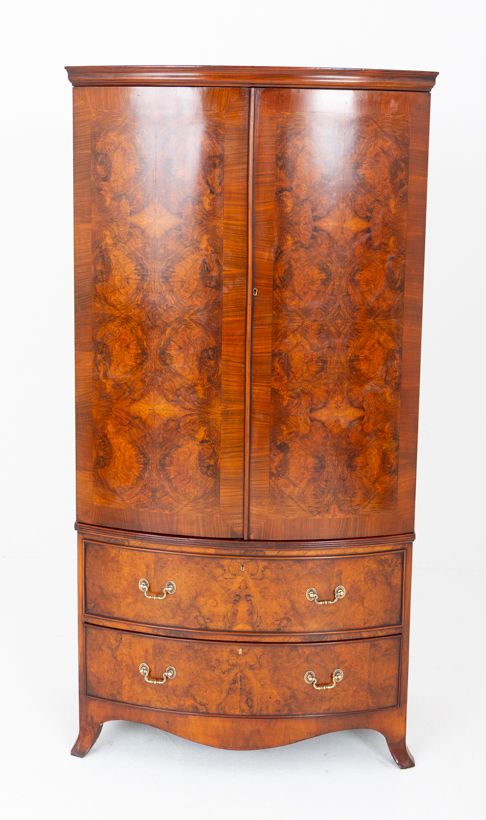
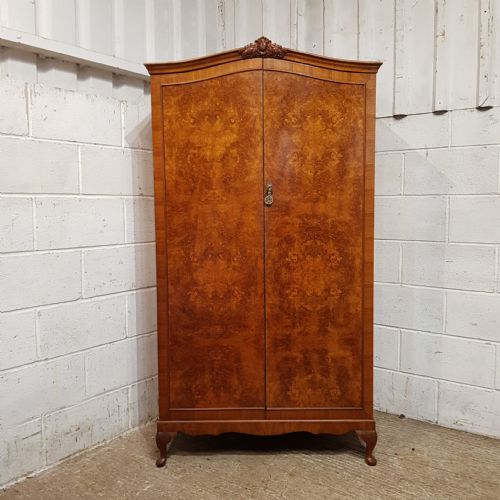
A burr walnut armoire cupboard brings striking, figured grain and substantial storage to a room.
Burr Walnut Armoire Cupboard
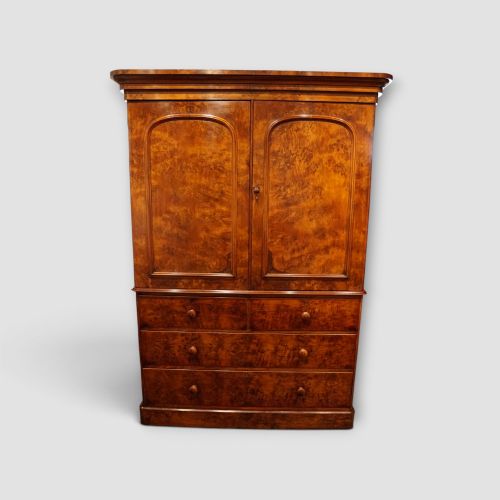
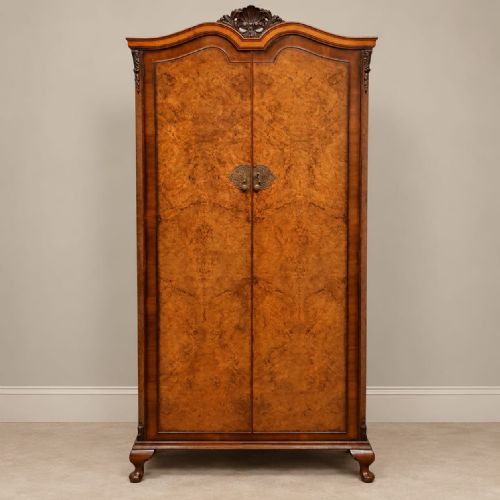
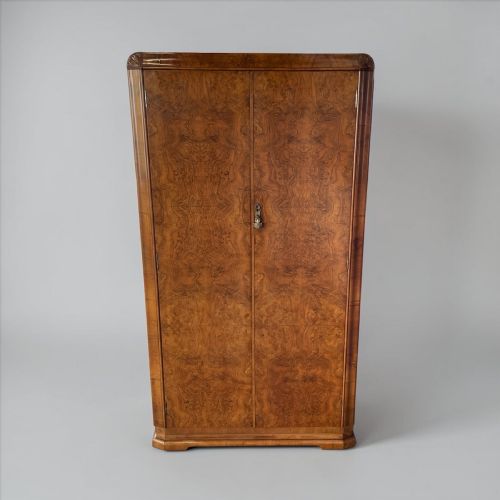
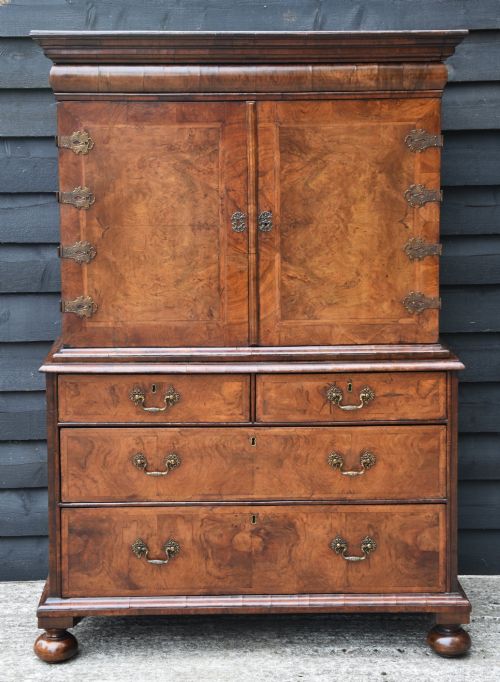
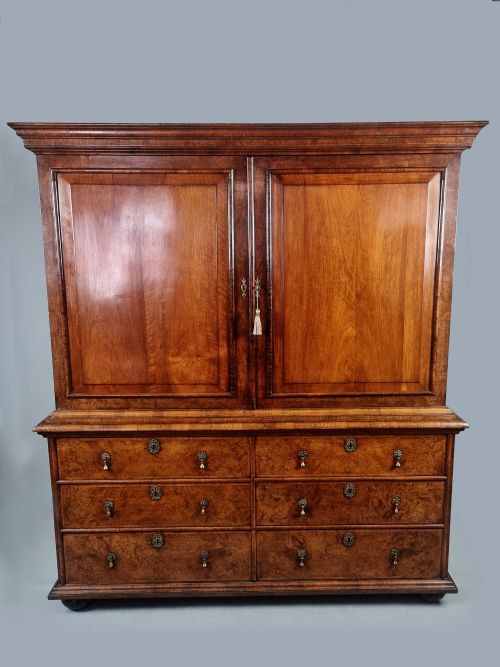
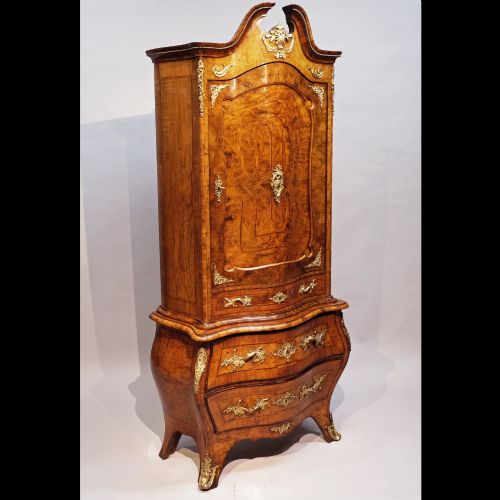
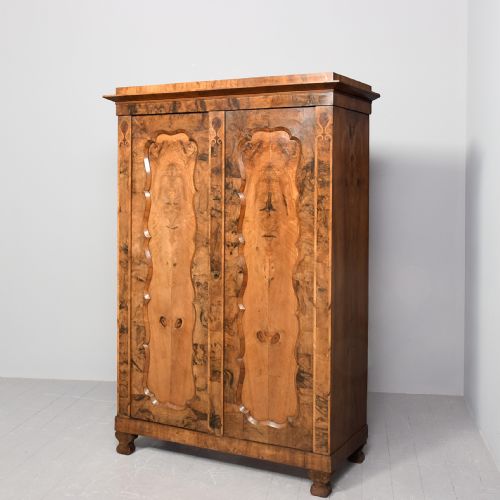
A burr walnut armoire cupboard encompasses large storage furniture designed for clothes and linen, stretching from seventeenth-century cabinets on chests to twentieth-century Art Deco wardrobes. Buyers searching for a burr walnut armoire cupboard will encounter seventeenth-century William and Mary designs, eighteenth-century Queen Anne and George I press cupboards, and nineteenth-century Victorian and Edwardian iterations.
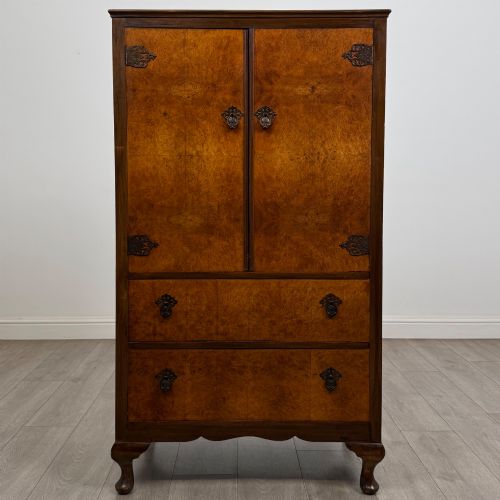
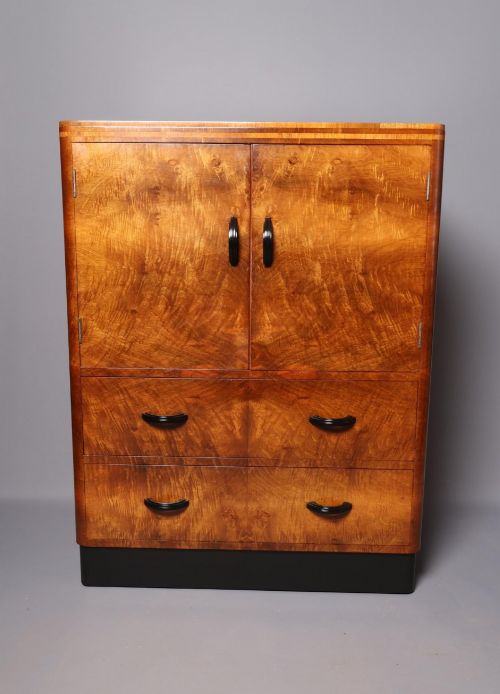
The selections span grand Dutch baroque cabinets, French armoires mounted in ormolu, and streamline Art Deco compactums from the nineteen-thirties. Pieces range from tall triple wardrobes and linen presses with internal drawers to smaller fitted cupboards designed for bedroom storage.
Early examples frequently feature elevated cabinet-on-chest structures, whilst later nineteenth and twentieth-century versions offer substantial wardrobe capacities. The common thread across these periods is the prominent use of figured walnut timber configured into armoires, presses, and cupboards.
Materials and Construction
Craftsmen built these pieces using solid oak, walnut, and ash as foundational timbers, overlaid with decorative veneers of burr walnut to create dramatic, swirling grain patterns across the primary surfaces. Cabinetmakers sliced thin layers of burr wood from knotty growths on walnut trees and laid them out in symmetrical book-matched arrangements on drawer fronts and door panels.
Secondary materials such as brass for escutcheons and handles, ormolu mounts for French pieces, and ebonised wood details provided structural contrast and functional hardware. Joinery methods evolved from early seventeenth-century panel framing and carcase construction on chests to twentieth-century veneered blockboard panels found in Art Deco compactums.
Listings span seventeenth-century William and Mary pieces up to nineteen-forties Art Deco compactums, utilising walnut, burr walnut, oak, and brass.
Assessing Quality and Execution
Quality in a burr walnut armoire cupboard rests primarily upon the selection, matching, and preservation of the veneer. Superior pieces display harmonious, symmetrical grain patterns that flow evenly across multiple doors and drawers, demonstrating the maker's skill in laying the burr timber.
Harry and Lou Epstein
The Burr Walnut Armoire Cupboard Glossary
- Burr walnut
- A veneer taken from the gnarled growth of a walnut tree, prized for its intricate, swirling grain patterns. It creates a highly decorative surface on cabinet doors.
- Compactum
- A multi-functional wardrobe featuring a combination of hanging space, shelves, and internal drawers. This format maximises storage efficiency within a single footprint.
- Armoire
- A large freestanding cupboard with doors, traditionally used for storing garments. Early versions often incorporate deep shelving or hanging rails.
- Press cupboard
- A two-part storage item designed for linens and clothing, typically featuring sliding trays or drawers in the upper section and wider drawers below.
- Cabinet on chest
- A tall storage form comprising an upper cabinet resting on a lower chest of drawers. This architectural style was particularly popular during the seventeenth and eighteenth centuries.
Burr Walnut Armoire Cupboard: Frequently Asked Questions
How do I date a burr walnut cupboard?
Dating relies on structural characteristics, hardware, and stylistic markers such as bracket feet, cornice mouldings, and joinery techniques. Seventeenth-century pieces often use walnut and oak with cabinet-on-chest configurations, whereas Art Deco examples display streamlined geometry from the nineteen-thirties.
Secondary woods and internal construction methods also shift across eras, moving from hand-cut dovetails on early drawers to machine-finished interiors in later twentieth-century pieces.
What is the difference between an armoire and a compactum?
An armoire is primarily a large cupboard with doors, historically dedicated to hanging garments or storing folded textiles on deep shelves. A compactum is a specialised, highly organised wardrobe that divides its interior between hanging space, shelves, and multiple internal drawers.
Compactums offer segmented storage for a complete wardrobe within one unit, whereas traditional armoires often provide a more open, adaptable interior cavity.
Where should I place a heavy walnut armoire?
These large storage pieces require a stable, level floor away from direct sunlight and dramatic temperature fluctuations. Because walnut veneer and solid carcases react to environmental shifts, keeping them clear of radiators prevents wood movement and veneer lifting.
Ensure the room has adequate wall clearance and check that the ceiling height accommodates tall cornices, particularly on seventeenth and eighteenth-century examples.
How do I care for burr walnut veneer?
Maintain burr walnut by dusting gently with a dry, soft cloth and occasionally applying a specialist wax polish to nourish the timber. Avoid silicone-based sprays and keep the surface away from excessive moisture or direct heat sources.
Checking environmental humidity helps preserve the stability of the thin burr veneers across the large door panels and drawer fronts.