
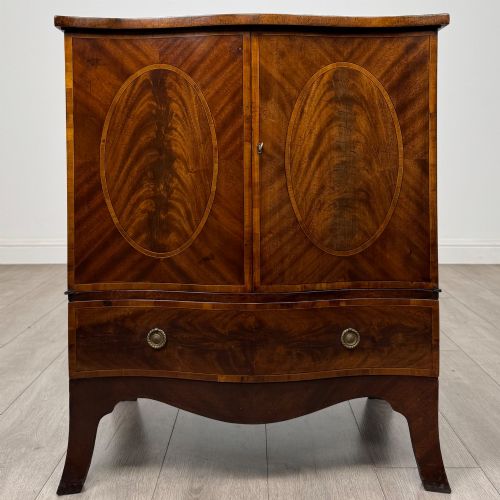
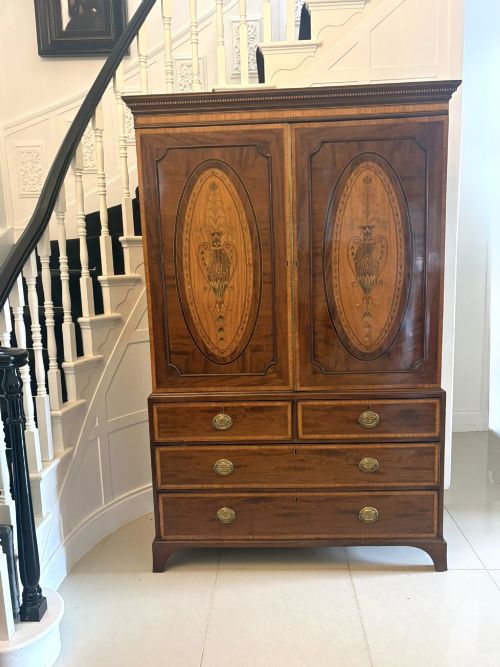
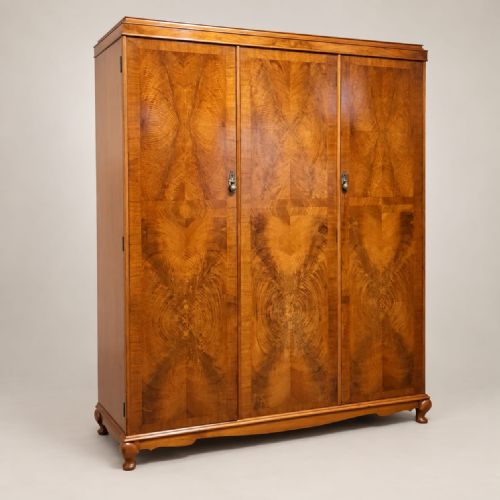
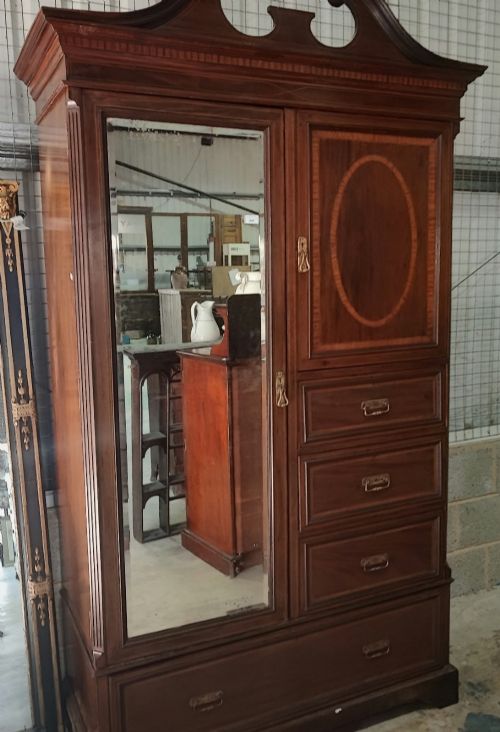
Antique Style Wardrobe
When you search for an antique style wardrobe, you are looking at large storage pieces built to mimic historical periods like Georgian, Queen Anne or Jacobean.
Antique Style Wardrobe
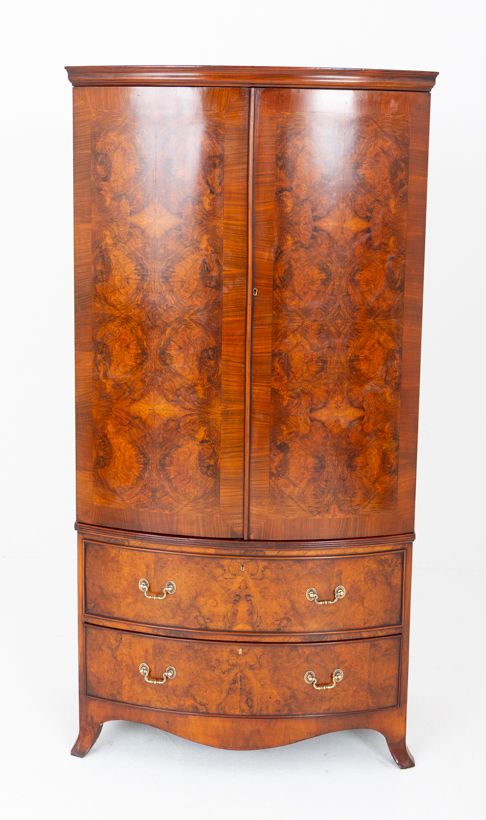
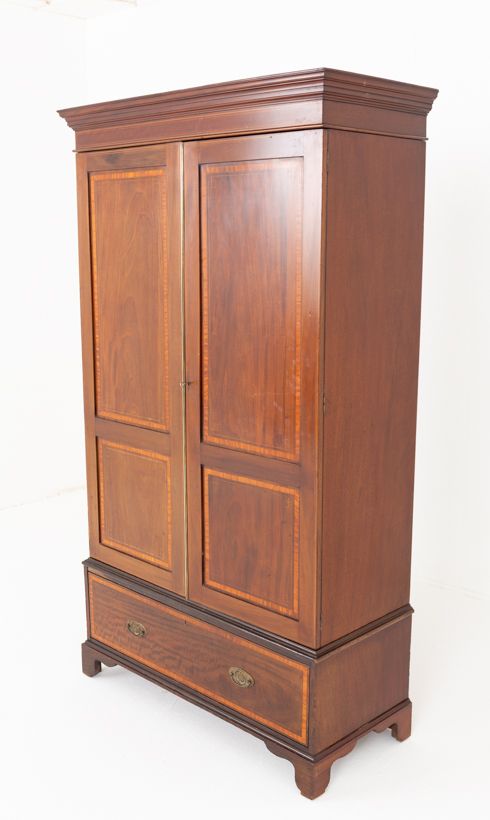
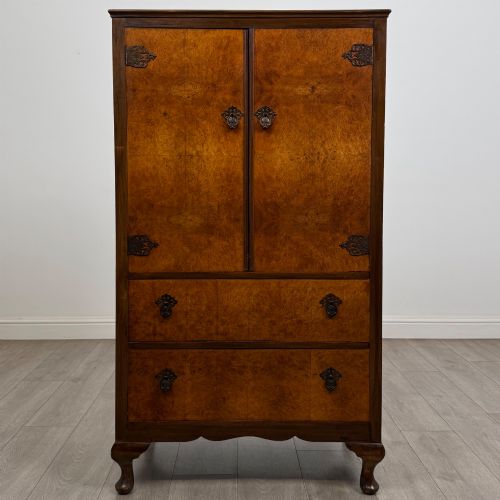
An antique style wardrobe encompasses various large storage items, including armoires, compactums, linen presses, and tallboys designed in historical aesthetics. You will frequently encounter mahogany and oak pieces reflecting revivalist movements from the nineteenth and twentieth centuries.
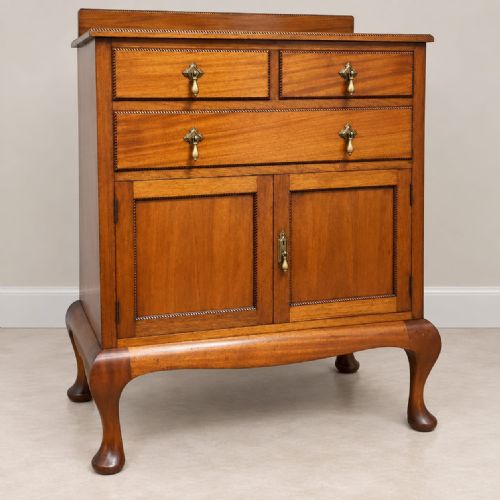
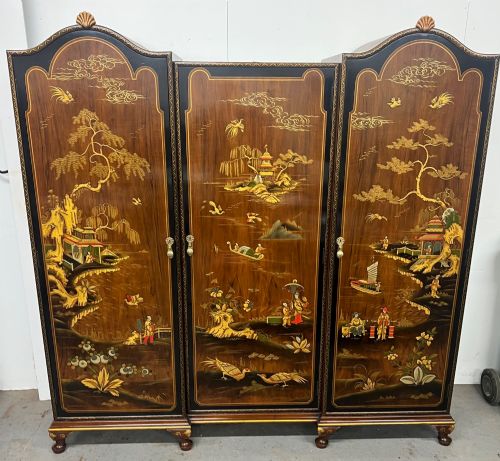
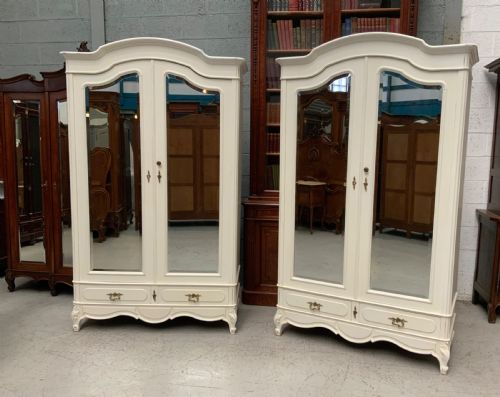
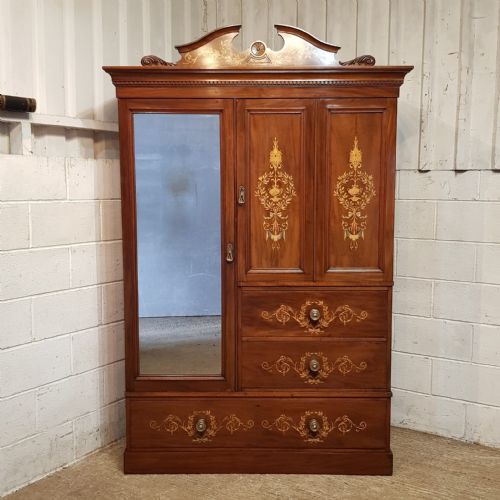
The selection ranges from grand triple door cabinets with intricate marquetry and satinwood inlay to single door hall robes and painted pine cupboards. These items serve the practical function of clothing storage while bringing traditional period character into a bedroom or hallway.
How they were made
Construction relies heavily on solid woods and veneers, with mahogany, oak, burr walnut, and pine forming the primary carcasses of these storage units. Artisans utilised traditional techniques such as framing, paneling, and dovetailing to build robust wardrobes capable of holding heavy garments and linens.
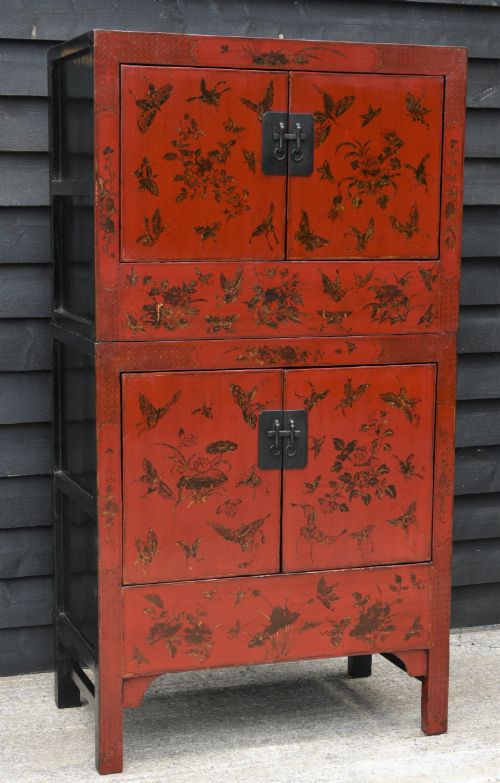
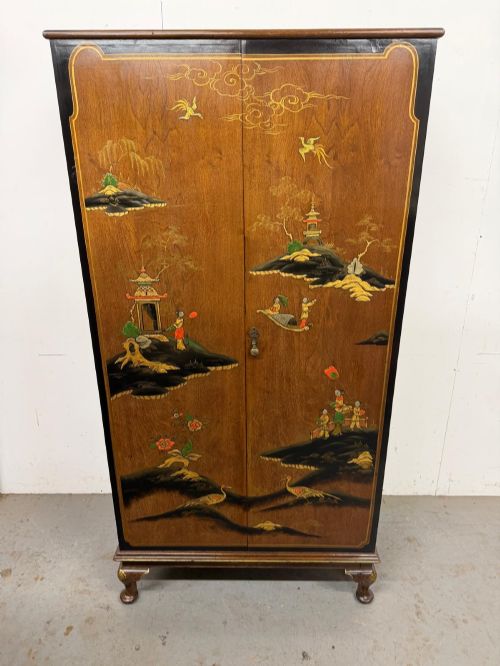
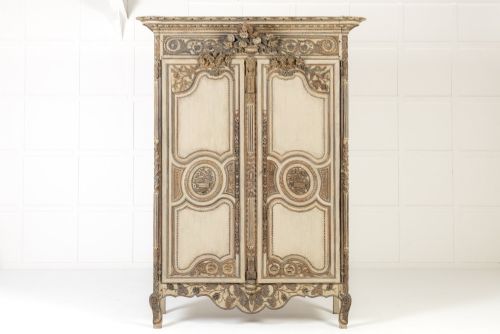
Surface decoration involves thoughtful detailing, including brass hardware, glass panels, marquetry inlay, and painted finishes in French provincial or Chinoiserie styles. Carved elements and polished wood grains demonstrate the hands-on cabinetmaking skills applied to both original period pieces and later revival iterations.
Some marriage cabinets hide intricate wedding blessings painted quietly inside their crimson doors.
What varies in quality
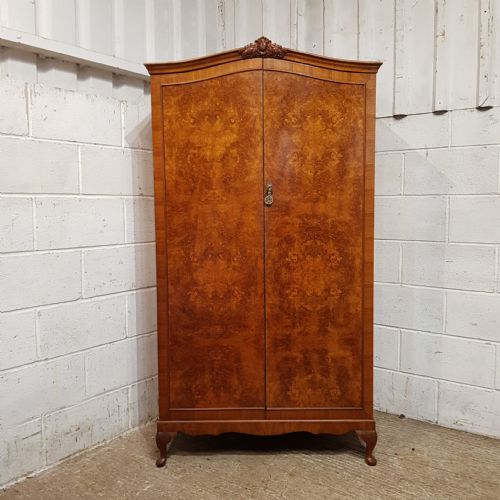
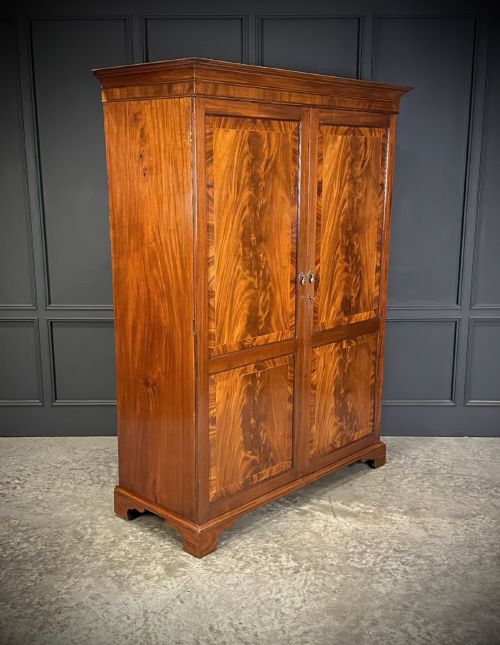
Quality differences emerge in the choice of timber and the precision of the cabinetwork, distinguishing superior workshop output from mass-produced alternatives. Pieces utilising figured burr walnut, flamed mahogany, or selected oak display a richer visual depth across their panels and doors.
The sophistication of decorative elements such as hand-carved details, marquetry inlay, and period-appropriate brass fittings signals higher grade construction. Interiors fitted with specialised drawers, sliding linen trays, and compactum configurations also reflect a more ambitious original commission.
Edwards and Roberts·Maples and Co·Druce and Co·Heals of London
The Antique Style Wardrobe Glossary
- Compactum
- A multi-compartment wardrobe that combines hanging space with interior drawers and shelving units. This hybrid design maximises storage efficiency within a single tall cabinet.
- Linen Press
- A tall storage piece featuring upper cabinet doors enclosing sliding trays, sitting above a chest of lower drawers. Originally designed to store folded linens flat before hanging clothes became standard.
- Tallboy
- A tall chest of drawers standing on a base cabinet or legs, sometimes incorporating a cupboard section at the top. It provides vertical storage capacity while occupying a compact floor footprint.
- Marquetry
- The art of applying decorative veneer pieces of different woods to a structure to form intricate pictorial designs. It creates complex surface patterns on wardrobe doors and drawer fronts.
- Chinoiserie
- European decorative style reflecting Chinese artistic motifs, often featuring painted lacquer and gilt figures. It appears on specialised cabinets and bedroom suites.
Antique Style Wardrobe: Frequently Asked Questions
What is a compactum wardrobe?
A compactum is a specialised wardrobe that integrates hanging space with internal drawers, shelves, and linen compartments. This combination offers versatile storage within a single footprint.
Such configurations became popular for organising diverse clothing items before modern fitted bedroom furniture took over.
How do I care for polished wood?
Maintain polished mahogany, walnut or oak by dusting regularly with a soft, dry cloth and avoiding direct sunlight. Excessive heat and moisture can damage historical veneer work and timber.
Applying occasional natural wax helps preserve the lustre of the wood without building up heavy chemical residues.
Are these wardrobes easy to dismantle?
Many larger wardrobes and armoires were constructed to be taken apart for transport and home installation. Traditional knockdown construction utilises internal bolts and tongue-and-groove joints.
Checking how the cornice and base separate from the main panels clarifies the moving process for heavy timber units.
Where should I place an armoire?
An armoire functions well in bedrooms, large hallways, or living spaces as a focal storage point. Ensure the room has adequate ceiling height and wall clearance for the doors to open fully.
Positioning the piece away from direct heat sources prevents the solid wood and veneers from warping over time.