
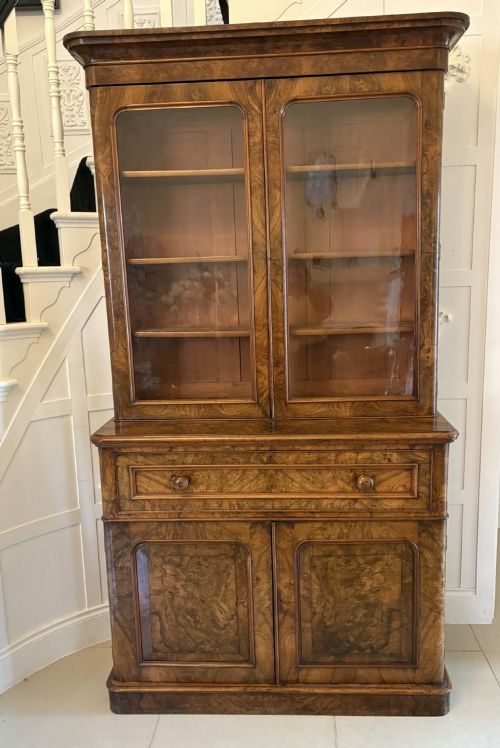
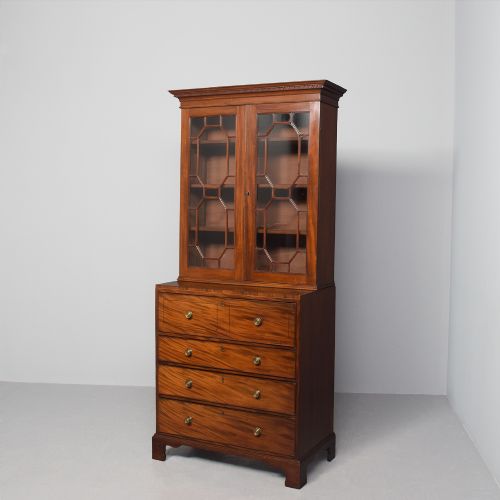
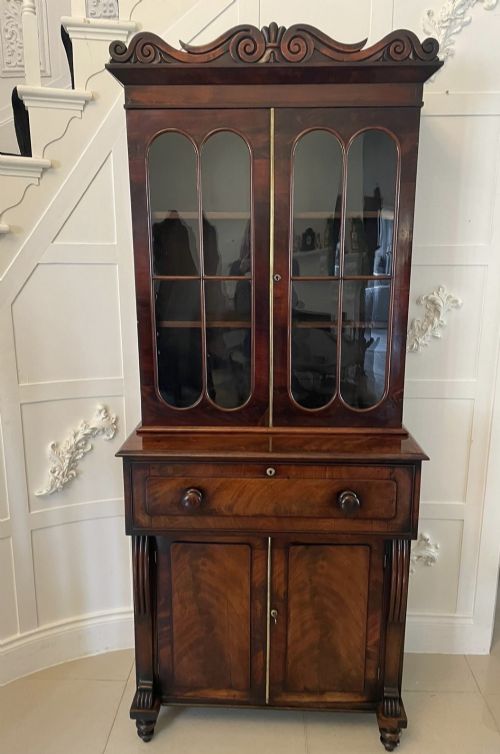
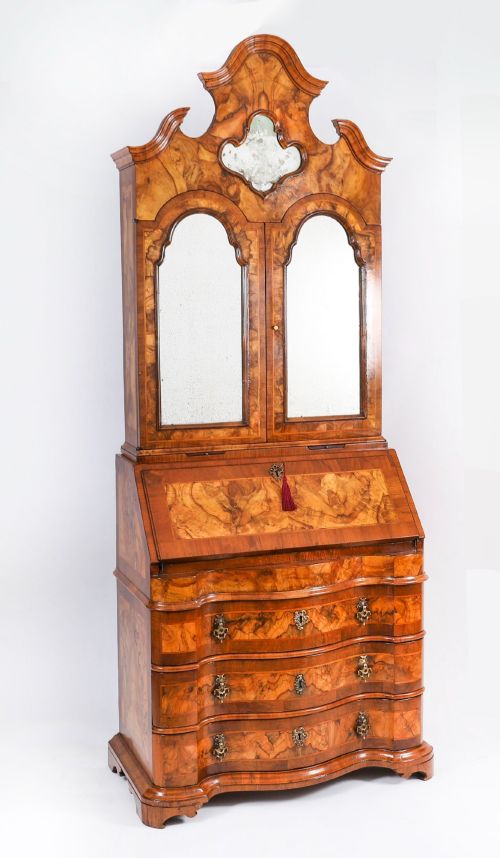
Bureau Bookcase Desk
A bureau bookcase desk combines a writing slope and shelving behind glass doors, offering both storage and a proper place to write letters.
Bureau Bookcase Desk
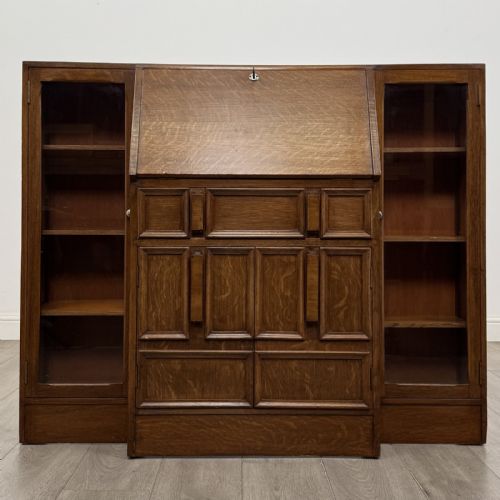
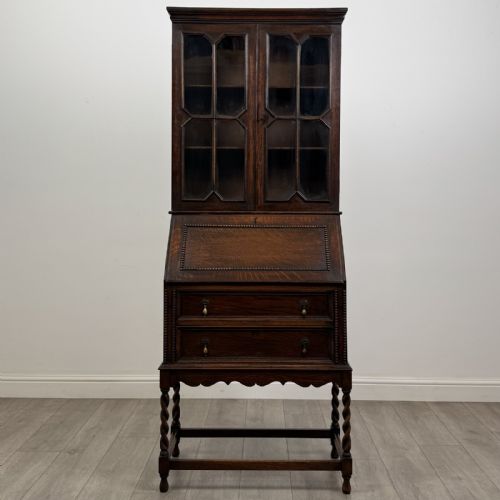
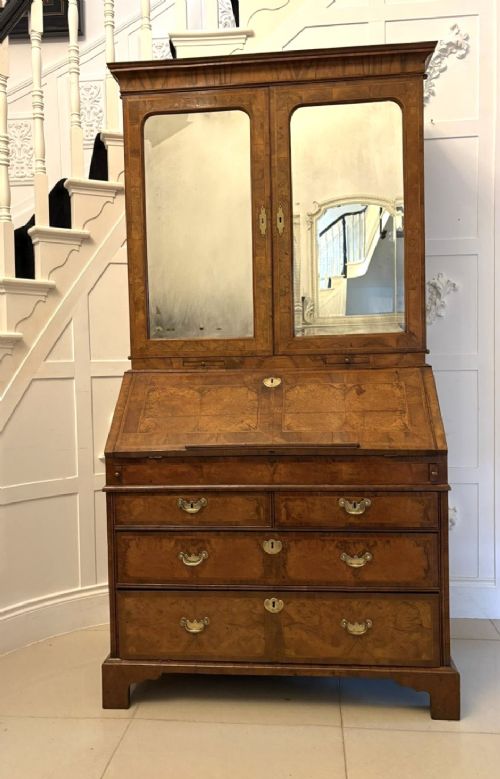
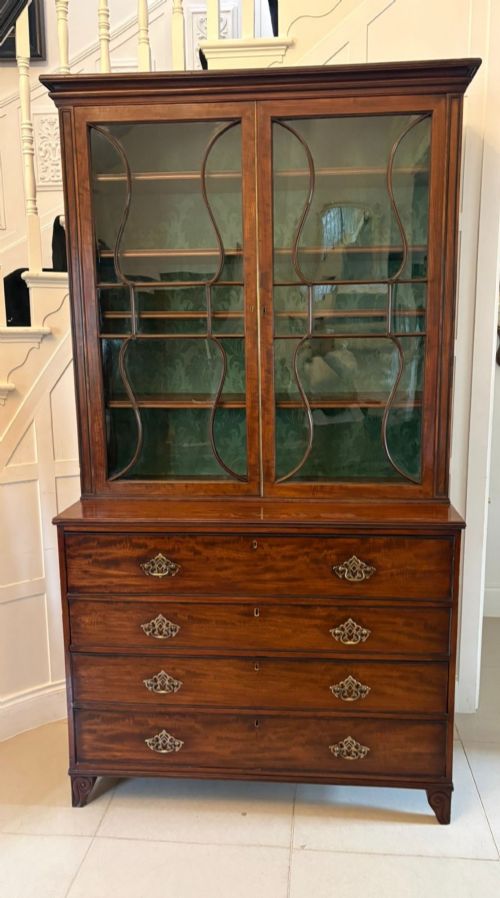
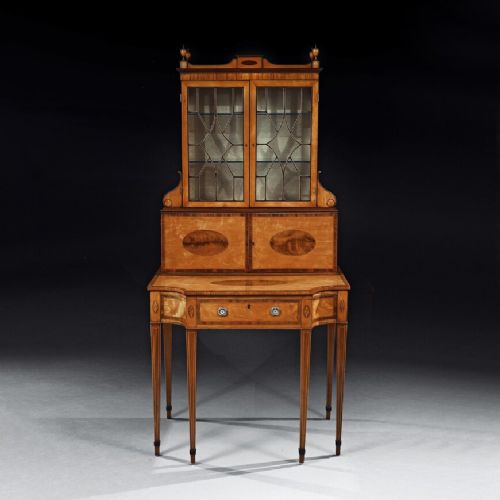
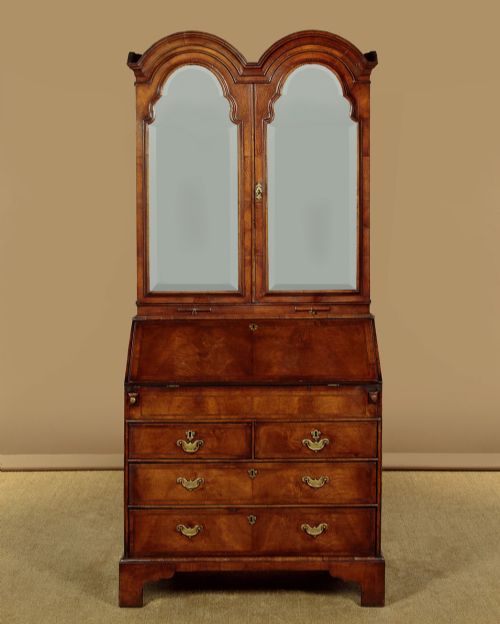
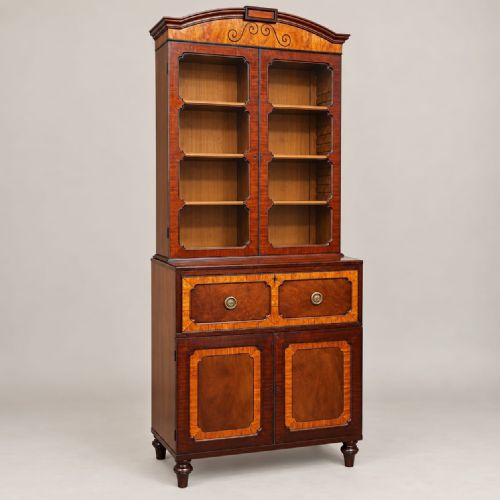
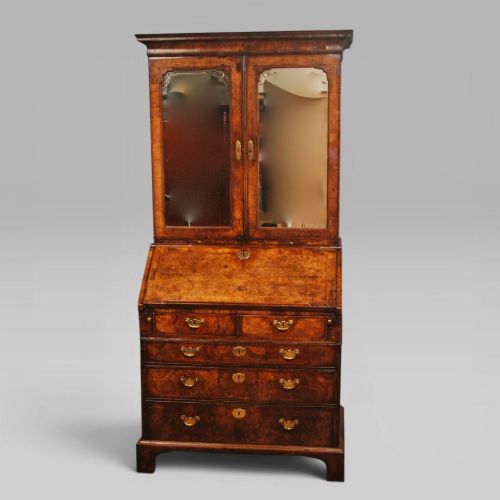
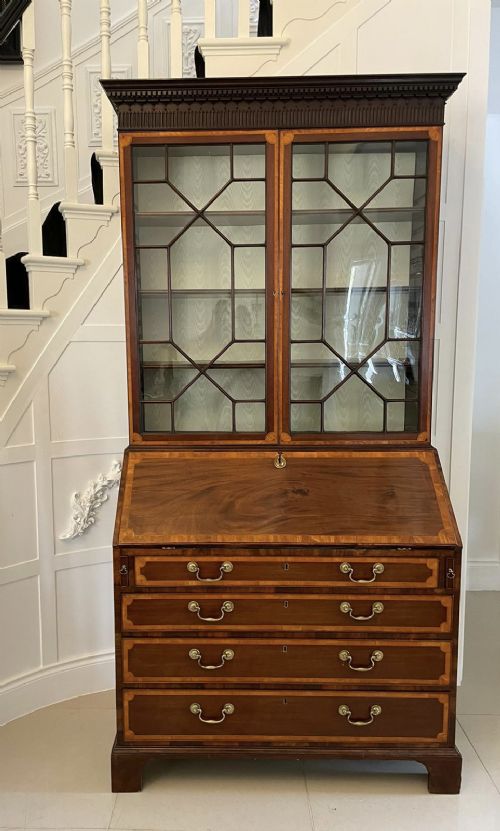
When a buyer searches for a bureau bookcase desk, they encounter tall cabinet furniture spanning from the seventeenth century through the Edwardian period and the early twentieth century. These pieces combine a slanted writing flap or a pull-out secretaire drawer with upper shelving enclosed by doors.
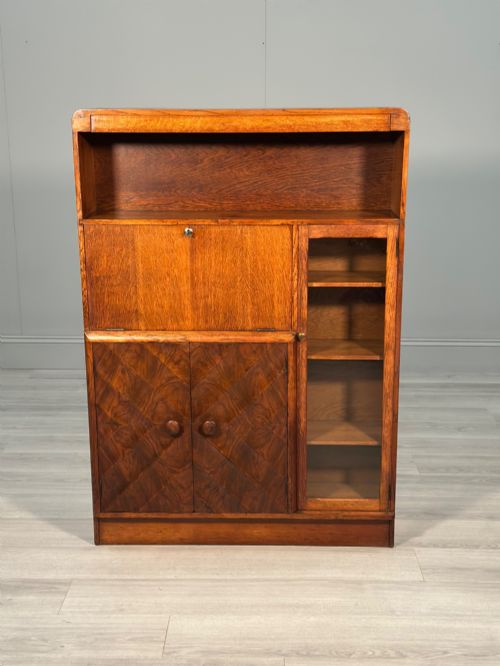
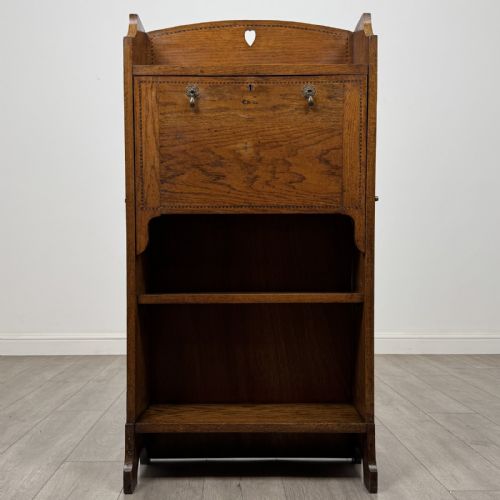
The most common examples on this page date from the eighteenth and nineteenth centuries, taking the form of George III mahogany designs or earlier walnut pieces. Makers also produced later Edwardian and Arts and Crafts variants in oak and satinwood.
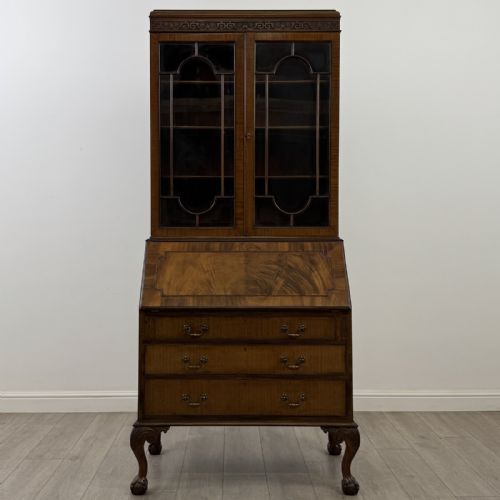
Forms range from double-dome bureau cabinets to tall library bookcases with glazed doors and fitted internal drawers. Regional pieces include Dutch marquetry examples alongside English furniture attributed to workshops like Gillows.
Materials and construction methods
Cabinetmakers utilised dense hardwoods including mahogany, oak, and walnut, frequently applying figured veneers or burr walnut to the primary surfaces. Inlayers added contrasting timber details in satinwood and various exotic woods.
Glazing bars divided the glass in the upper doors into geometric patterns, while interior compartments often featured stepped pigeonholes and hidden drawers. Brass hardware such as handles, escutcheons, and hinges secured the drop-front writing surfaces.
Early oak iterations occasionally arrive with modifications for televisions, proving that old storage units easily adapt to modern habits.
Factors that distinguish quality
The choice of timber grain dictates the visual impact, with highly figured mahogany, feathered banding, and matched burr walnut sitting at the top of the range. Plain timbers and simpler construction define more utilitarian pieces.
Internal joinery standards separate fine cabinet work from simpler builds, visible in secret compartments, dovetailed drawer construction, and tightly fitted pigeonholes. The crispness of marquetry inlay and carved details like claw and ball feet also signal superior craftsmanship.
E Gomme·Edwards and Roberts·Gillows of Lancaster
The Bureau Bookcase Desk Glossary
- Secretaire
- A drawer containing a fitted writing interior that pulls out horizontally, concealing a writing surface and small compartments behind a dummy drawer front.
- Astragal glazed
- Glass doors divided into small panes by narrow wooden mouldings called glazing bars.
- Featherbanding
- A form of marquetry or banding using small strips of veneer arranged in a herringbone pattern around the edges of drawer fronts and panels.
- Fall front
- A hinged writing flap that drops down into a horizontal position to form a desk surface.
- Stepped interior
- An arrangement of internal pigeonholes and small drawers tiered in receding levels inside the bureau compartment.
Bureau Bookcase Desk: Frequently Asked Questions
How do I use a bureau bookcase desk?
Lower the fall-front flap or pull out the secretaire drawer to reveal the writing surface and pigeonholes. The upper shelves store books and display items behind glass doors.
Store writing materials inside the internal compartments and keep the main writing surface clear when closing the fall front. Use the lower drawers for larger paperwork and household storage.
What is the difference between a bureau bookcase and a secretaire bookcase?
A bureau bookcase relies on a sloping front flap that pulls down to create a slanted writing surface. The interior stays exposed until you lift the flap back into place.
A secretaire bookcase uses a disguised drawer front that pulls straight out horizontally on runners. This reveals a desk surface while keeping the mechanism concealed behind standard drawer proportions.
How do I date an antique bureau bookcase?
Examine the secondary timbers inside the drawers, the style of the brass handles, and the cut of the dovetails. Eighteenth-century pieces frequently feature figured walnut or mahogany with candle slides and stepped interiors.
Later Edwardian and early twentieth-century versions often show softer oak construction, lighter satinwood, or revival styles. Look at the glazing bar thickness and foot styles to narrow down the decade.
Where should I place a bureau bookcase desk?
Position the piece against a sturdy wall in a study, library, or living room away from direct sunlight to protect the wood veneers. Ensure there is enough clearance in front of the unit to drop the writing flap or pull out the secretaire drawer comfortably.
Keep the timber away from modern heat sources to prevent the burr walnut or mahogany from drying out and splitting over time.