
Antique Glazed Desk
An antique glazed desk brings together a practical writing surface and a display cabinet behind glass, offering a handsome focal point for any study.
Antique Glazed Desk
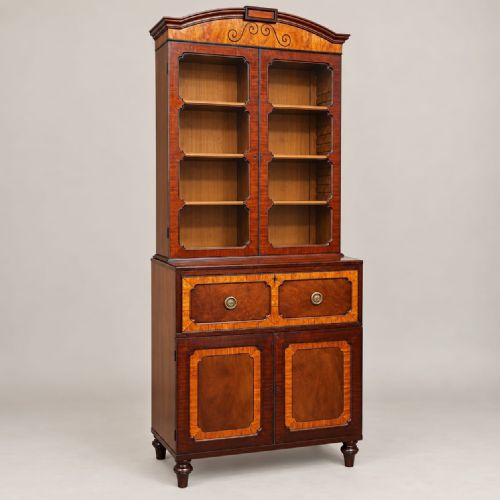
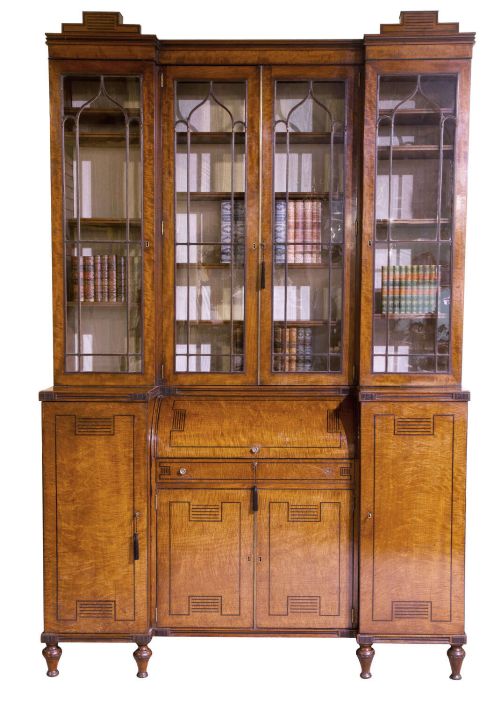
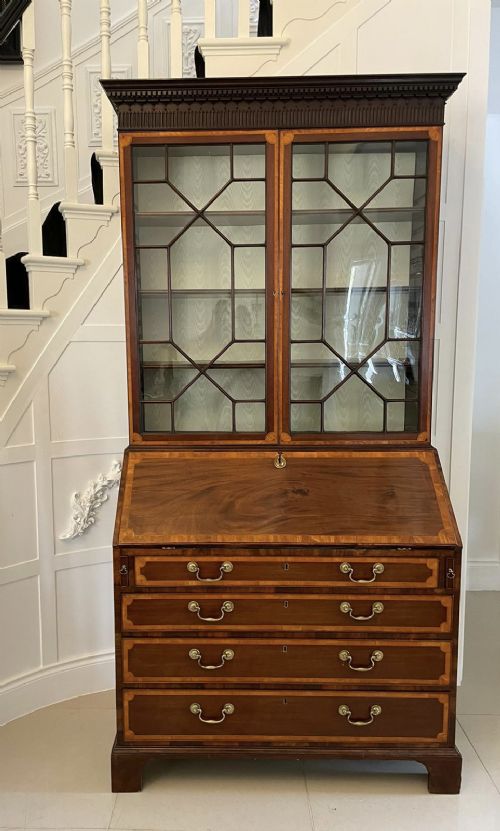
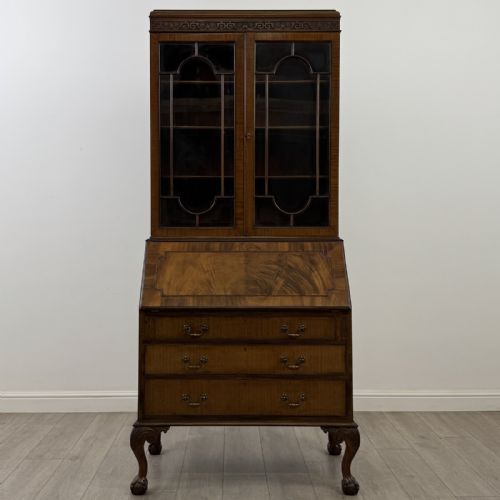
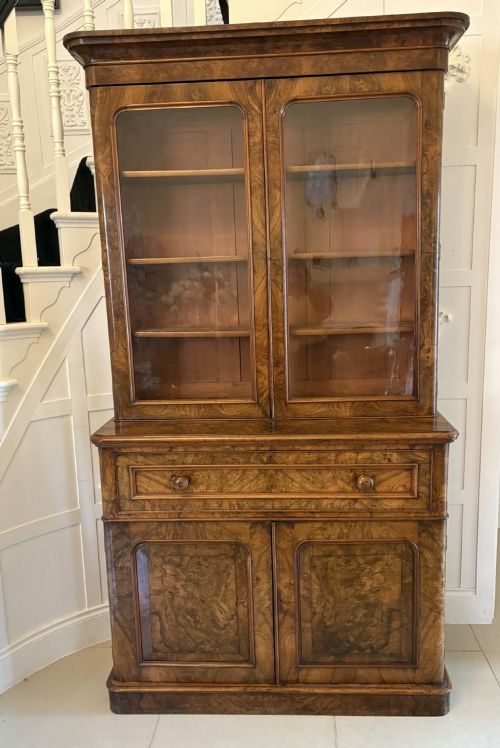
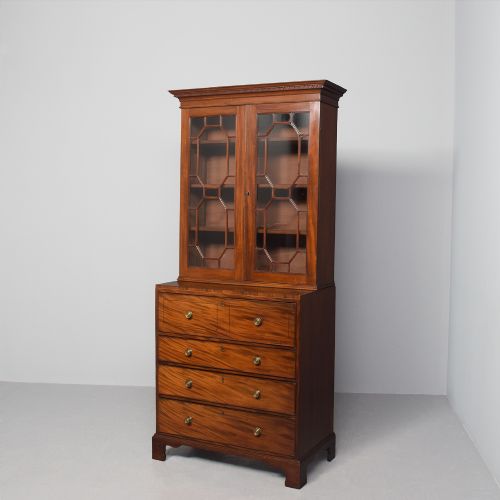
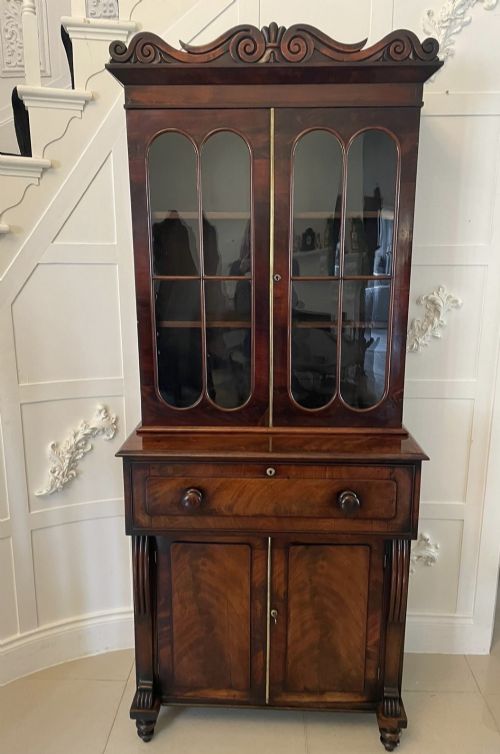
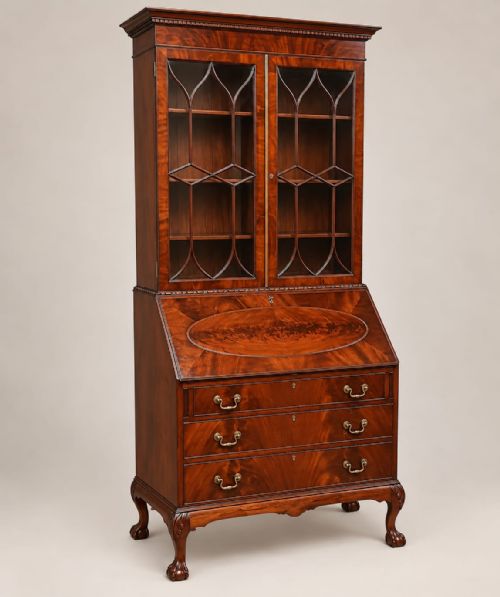
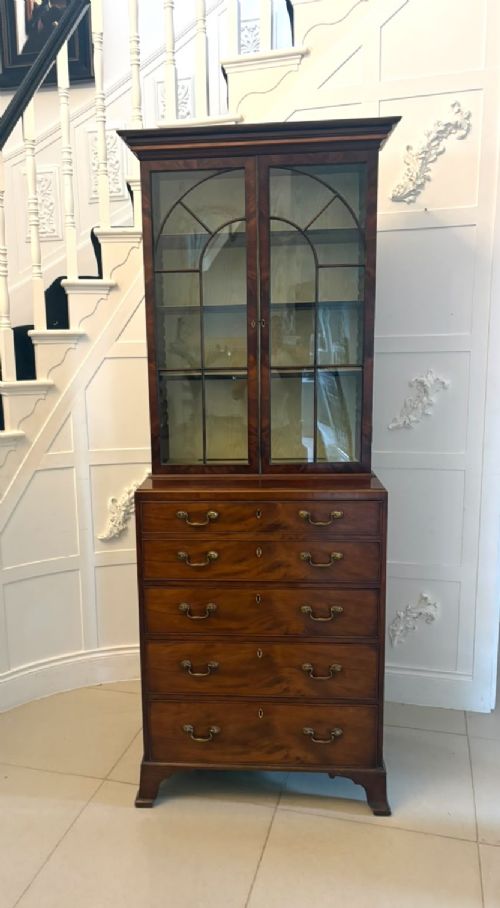
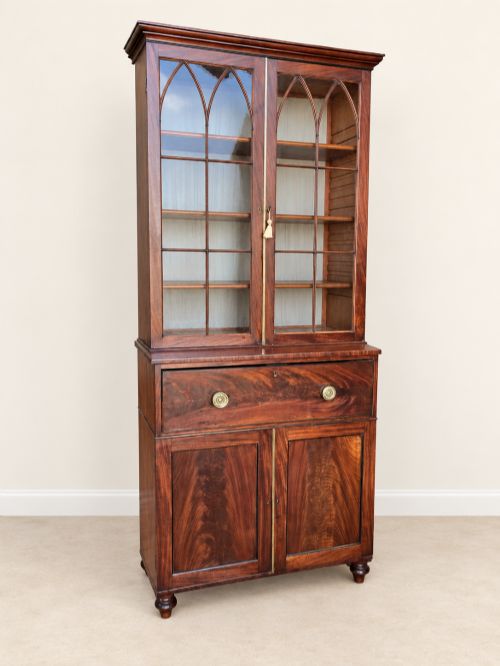
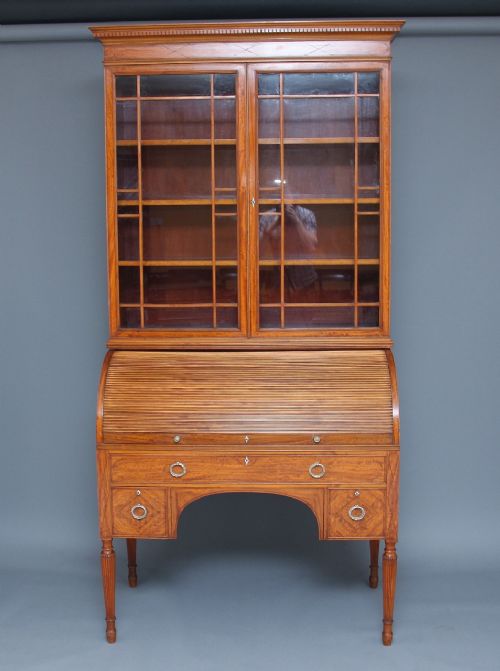
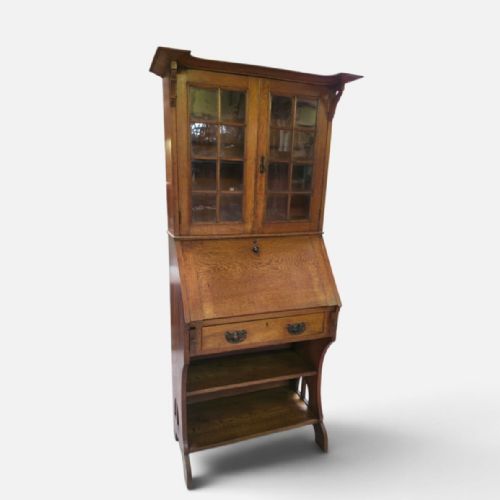
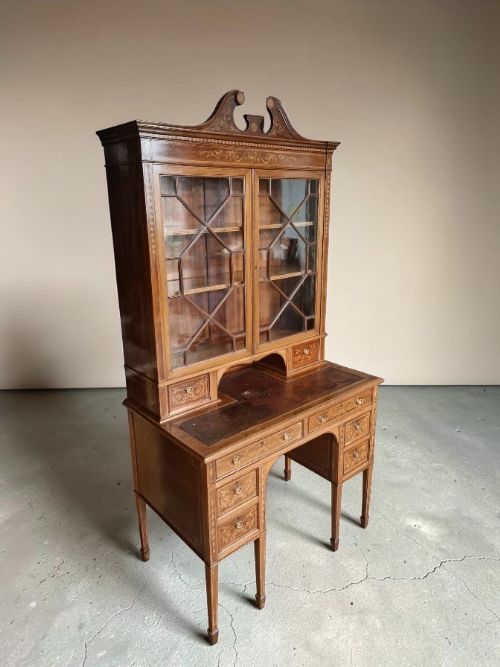
When you search for an antique glazed desk, you encounter pieces that combine enclosed shelving with a fitted writing compartment, most frequently seen as bureau bookcases and secretaire bookcases. These hybrid forms serve both storage and writing purposes, with upper sections featuring glass doors to display books or objects.
The selections span numerous periods, including Georgian, Regency, Victorian, and Edwardian eras, alongside revival styles like Jacobean. Bureau bookcases and secretaire bookcases dominate the forms, supplemented by writing cabinets and specialised items with glazed components.
Origins range across English workshops of the eighteenth and nineteenth centuries, as well as Edwardian productions and continental pieces. This variety ensures that forms scale from compact writing desks with upper cabinets to monumental three-section library pieces.
Materials and construction methods
Makers utilised dense hardwoods such as mahogany, oak, walnut, and satinwood, often selecting figured veneers and flame mahogany for prominent exterior surfaces. Brass hardware, including drop handles and escutcheons, finishes the drawers and doors.
Glazing relies on fitted glass panes held within wooden frames or astragal bars, protecting the interior shelves while maintaining visibility. Secondary woods support the internal pigeonholes and small drawers of the fitted writing sections.
Object forms span bureau bookcases, secretaire bookcases, writing desks, and specialised table lamps.
Distinctions in quality and execution
Quality reveals itself in the selection of timber veneers and the precision of the inlay work, such as stringing or marquetry panels. Finer examples display carefully chosen grain patterns that match symmetrically across drawer fronts and fall-front desks.
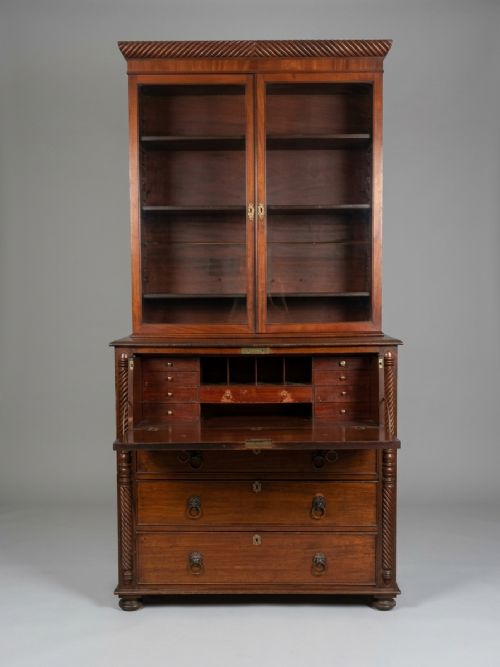
Internal joinery and the complexity of the fitted writing interior separate standard productions from superior commissions. The intricacy of pigeonholes, secret compartments, and the smooth movement of writing slides demonstrate the skill invested by the maker.
George Oakley·Mercier Frères·Tudor & Burrey·Royal Worcester
The Antique Glazed Desk Glossary
- Bureau bookcase
- A combination furniture form featuring a sloping writing flap above drawers, topped by a glazed cabinet. This dual-purpose piece houses both a working desk and a bookcase.
- Secretaire bookcase
- A cabinet incorporating a pull-down drawer front that conceals a fitted writing interior, positioned beneath glazed upper doors. It provides the appearance of a standard chest or cabinet while housing a full desk.
- Astragal
- Moulding strips that divide glass panes within a doorframe. These wooden bars form geometric patterns across the glazed sections.
- Fitted interior
- An arrangement of small drawers, pigeonholes, and central compartments revealed when opening a desk flap. These internal layouts organise writing materials and documents.
- Flame mahogany
- Timber cut from the fork of a mahogany tree to produce a distinctive flickering flame pattern. Cabinet makers used this veneer on primary display surfaces.
Antique Glazed Desk: Frequently Asked Questions
What is an antique glazed desk?
An antique glazed desk is a piece of furniture that combines a writing surface with enclosed shelving behind glass doors. These items frequently take the form of bureau bookcases or secretaire bookcases.
They provide a dedicated space for writing alongside visible storage for books and papers. The glass doors protect the contents while allowing them to remain on display.
How do I identify the period?
Dating relies on observing the timber selections, handle styles, and construction techniques characteristic of different eras. Georgian and Regency pieces often feature figured mahogany and fine brasswork, while Edwardian examples utilise varied woods and lighter inlays.
Examining the secondary timbers inside drawers and the profile of the mouldings offers further clues to the manufacturing decade.
Where were they used?
These pieces traditionally served in libraries, studies, and formal reception rooms of large houses and urban residences. They acted as private administrative hubs for correspondence and record keeping.
The upper glazed sections held reference volumes and collections, while the lower desks contained active paperwork and writing implements.
How do I maintain the wood?
Preserving the timber involves keeping the surface clean with a soft cloth and applying appropriate wax polish sparingly. Avoiding direct sunlight and stable humidity levels prevents the wood and veneers from drying out.
Gentle care ensures the polished finishes and delicate inlays remain secure over time.