



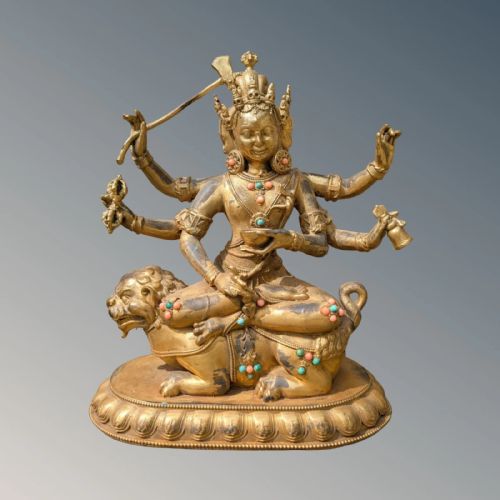


Buddhist Lion Statue
These buddhist lion statue pieces are powerful ritual guardians and decorative figures that bring striking Asian artistry into any room.
Buddhist Lion Statue
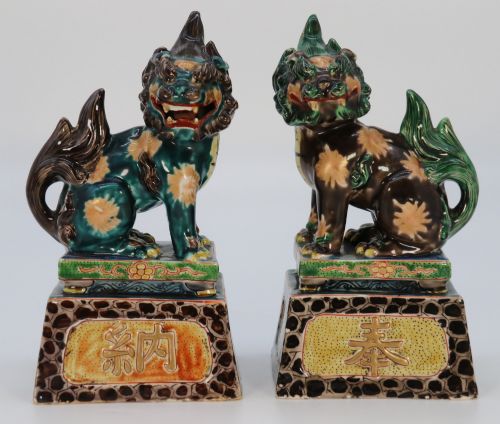
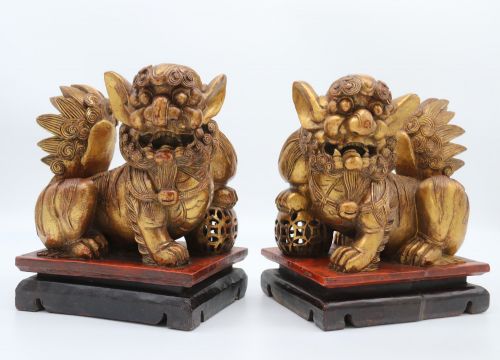
A buddhist lion statue takes the form of a mythical guardian creature, often referred to in various traditions as a shishi, foo dog, or temple lion. These figures frequently appear in pairs to guard sacred spaces, entrances, or domestic interiors.
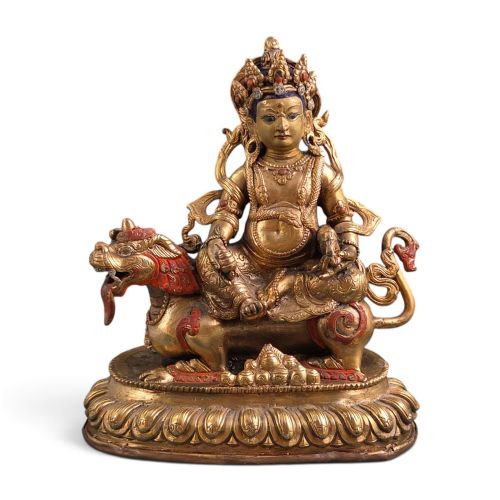
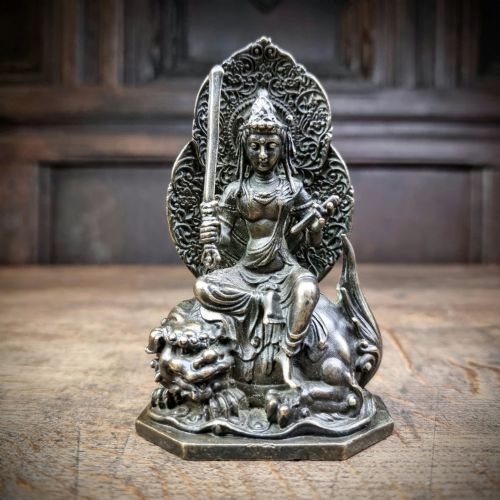
The selections available here span the nineteenth century and early twentieth century, encompassing Chinese pottery pairs, Sino-Tibetan works, Japanese ceramic models, and substantial Tibetan bronze temple lions. Forms range from standalone decorative sculptures to supportive mounts for deities.
Origins stretch across China, Tibet, and Japan, reflecting diverse regional interpretations of Buddhist iconography. Buyers will encounter both modest ceramic pairs and monumental heavy bronze figures designed for prominent display.
How they were made
Metal sculptures utilise traditional casting methods in bronze, brass, and iron, often enriched with gilding and applied pigment. Artisans frequently employed fire gilding techniques to achieve a brilliant metallic sheen on copper alloy surfaces.
Ceramic and pottery figures rely on moulded earthenware or stoneware bodies finished with coloured glazes or painted details. Wood variants combine intricate hand carving with layers of lacquer and gilt highlights to create texture and depth.
Buddhist Lion Statue Retail Price Guide 2026
Typical asking prices for buddhist lion statue among the pieces listed under this phrase on Sellingantiques today, from the lower quarter to the upper quarter. They describe what is for sale here now, not the wider market.
Listings feature four distinct materials for a buddhist lion statue: bronze, brass, pottery, and wood, spanning the nineteenth and early twentieth centuries.
What varies in quality
The preservation of original surface treatments, such as genuine fire gilding, old lacquer, and original polychrome pigments, elevates an object. Losses to these delicate finishes or heavy modern repainting reduce the historical integrity of the piece.
Unno Shomin
The Buddhist Lion Statue Glossary
- Shishi
- A Japanese term for a stone lion or temple guardian dog. These figures derive from Chinese Buddhist art and traditionally protect sacred thresholds.
- Gilt bronze
- Metal cast from a copper alloy and coated with a thin layer of gold. This finish provides a lustrous and durable surface highly valued in ritual art.
- Okimono
- A Japanese decorative statue designed for display on a shelf or in a tokonoma alcove. These pieces represent a high standard of Meiji period craftsmanship.
- Kutani
- A style of Japanese coloured porcelain known for vibrant overglaze enamel decoration. Pieces often feature intricate patterns alongside figurative subjects.
Buddhist Lion Statue: Frequently Asked Questions
What is a buddhist lion statue?
A buddhist lion statue represents a mythical guardian beast rooted in Buddhist tradition, traditionally placed as a protector of sacred spaces and homes.
These sculptures draw upon Chinese, Tibetan, and Japanese artistic conventions, taking forms in metal, ceramic, and wood.
How were temple lions displayed?
Temple lions were typically positioned as pairs flanking doorways, altars, or important rooms to ward off malevolent spirits.
Smaller ceramic and bronze versions served as decorative table figures or scholarly desk ornaments within elite interiors.
How do I care for bronze figures?
Bronze statues require minimal maintenance beyond gentle dusting with a soft, dry cloth to prevent abrasive particle buildup.
Avoid using liquid cleaners, polishes, or harsh chemicals that can strip away original patinas and historical gilding.
How are different periods identified?
Periods are recognised through specific stylistic markers, casting techniques, and material compositions typical of nineteenth and early twentieth century workshops.
Examining the wear patterns, tool marks, and surface finishes helps differentiate traditional Asian art styles across regions.