






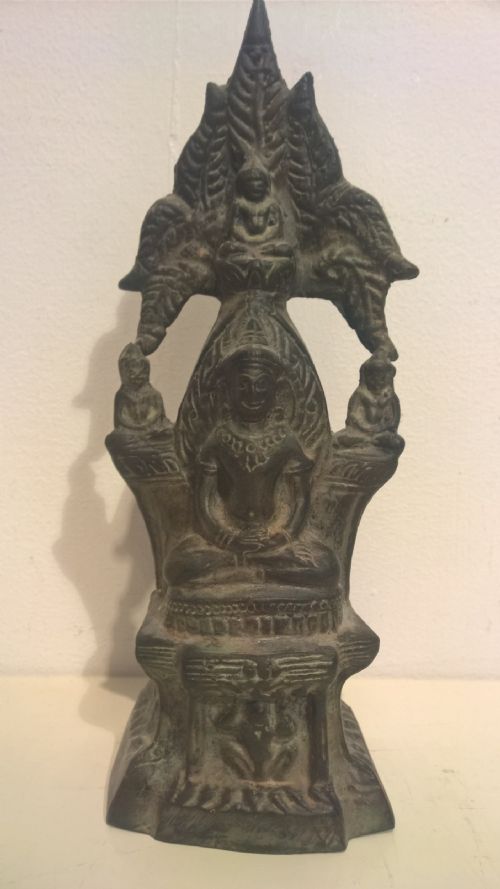


Buddhist Altar Statue
A buddhist altar statue brings serene focus to a room, offering finely cast bronze and carved wood figures rooted in centuries of devotional practice.
Buddhist Altar Statue
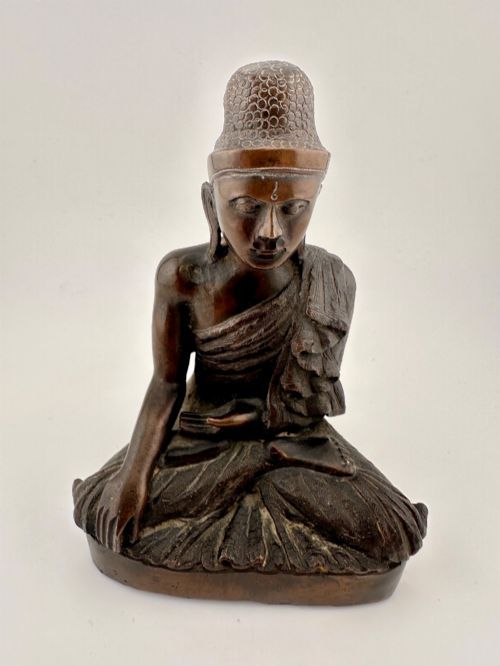
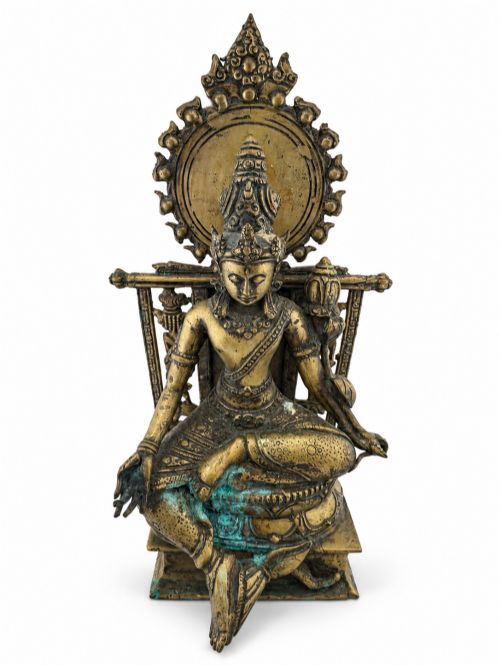
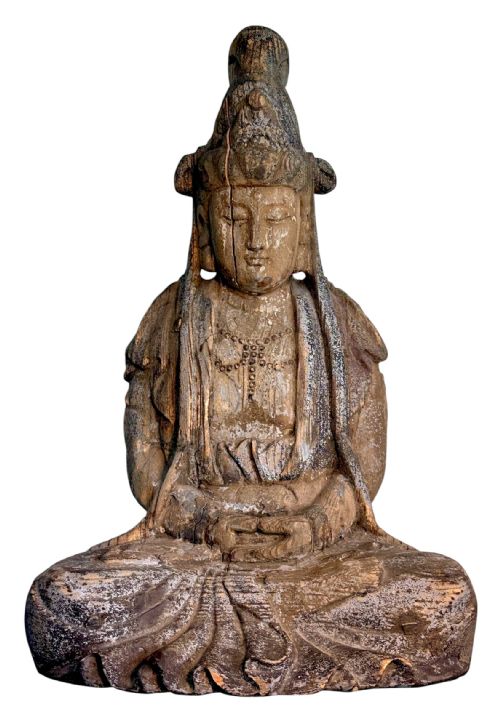
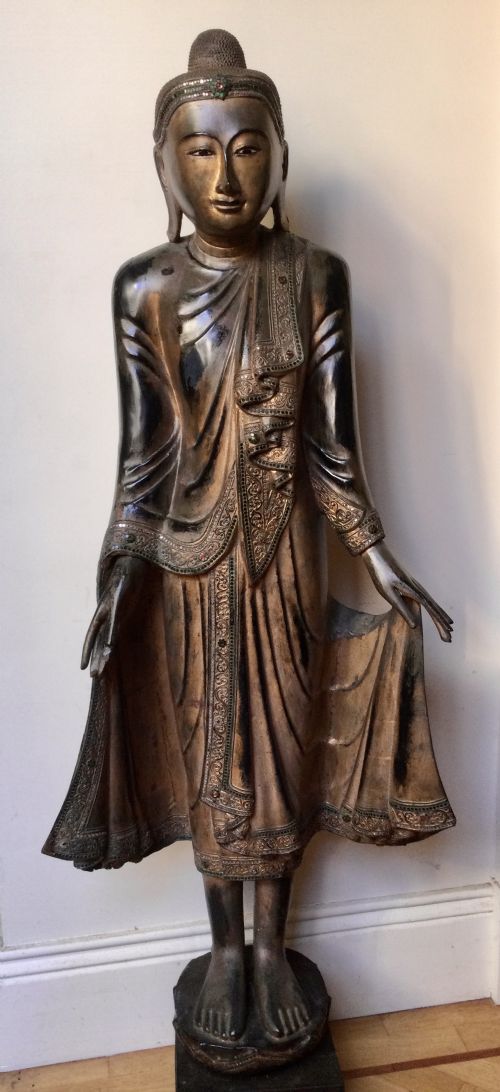
A buddhist altar statue spans centuries of craftsmanship, taking the form of cast metal deities and carved wooden figures intended for personal shrines. Buyers searching this phrase encounter representations of figures such as Tara, Avalokiteshvara, Garuda, and the Buddha himself, originating from traditions across Asia.
The versions most commonly met on this page range from solid bronze pieces dated to the nineteenth century to carved wooden and gilt wood examples. These items vary from small domestic icons to larger devotional sculptures created for quiet contemplation.
The stylistic influences visible in these items draw from Tibetan, Southeast Asian, Sino-Tibetan, and Qing Dynasty aesthetics. Each piece reflects the specific regional iconography of its period, whether produced in stone, copper alloy, or timber.
Materials and Methods
Makers shaped these statues using bronze and copper alloy through traditional casting methods, often finishing surfaces with gold leaf or gilding. Solid bronze figures demonstrate the durability of metalwork from periods such as the nineteenth century.
Wooden examples rely on hand carving, utilising timber that frequently carries traces of gilt wood or lacquer finishes. Artisans applied glass inlay details to enhance specific focal points on the deities and shrines.
Buddhist Altar Statue Retail Price Guide 2026
Typical asking prices for buddhist altar statue among the pieces listed under this phrase on Sellingantiques today, from the lower quarter to the upper quarter. They describe what is for sale here now, not the wider market.
Several figures in these listings are cast in solid bronze, meaning they are remarkably heavy for their size.
Judging Quality
The survival of original surface treatments, including gold leaf, gilding, and lacquer, alters the visual impact of a piece. Finer works retain harmonious patination that highlights the underlying material rather than masking it.
The Buddhist Altar Statue Glossary
- Bronze
- An alloy of copper and tin widely utilised for casting durable statues with detailed surface characteristics.
- Gilt Wood
- Timber coated with a thin layer of gold leaf or gold paint to provide a luminous decorative surface.
- Icon
- A religious image or statue serving as an object of veneration in spiritual practice.
- Tara
- A female meditative deity appearing frequently in Tibetan and Himalayan Buddhist traditions.
- Patina
- The surface texture and coloration developed on metal or wood through age and handling.
Buddhist Altar Statue: Frequently Asked Questions
Where were these statues made?
The pieces originate from various regions across Asia, including Tibet, Nepal, Thailand, and China, reflecting distinct local artistic traditions.
Craftsmen adapted regional styles of casting and carving to produce icons that served specific spiritual communities.
How do I care for bronze statues?
Bronze statues require minimal maintenance beyond gentle dusting with a soft, dry cloth to prevent the accumulation of dirt in intricate crevices.
Keep metal pieces away from excessive moisture and direct sunlight to preserve the original surface patination.
How do I care for wooden statues?
Wooden and gilt wood statues should be kept in stable indoor environments with consistent humidity to prevent the timber from splitting or warping.
Avoid using liquid cleaners or polishes on antique wood surfaces, especially those retaining traces of gold leaf or lacquer.