

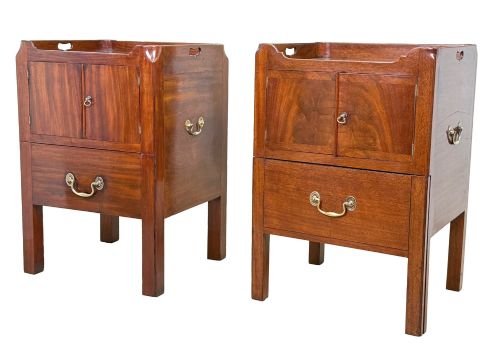
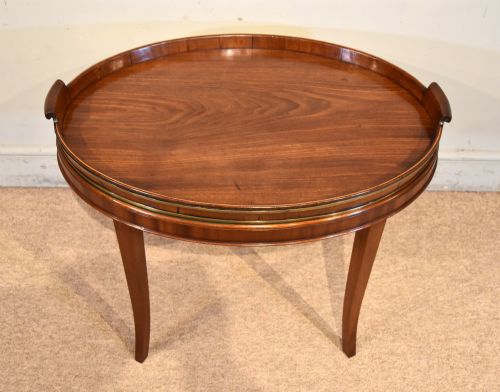

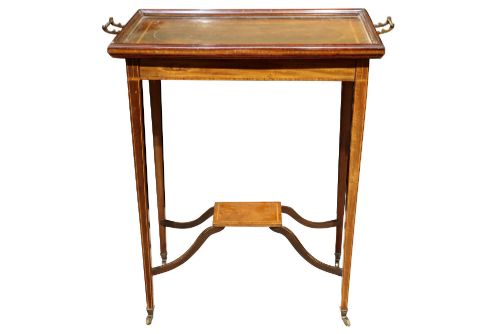
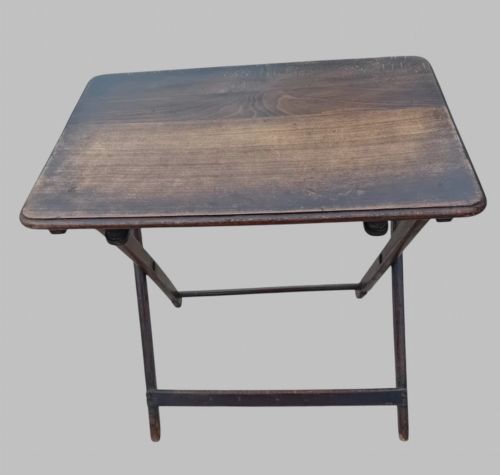
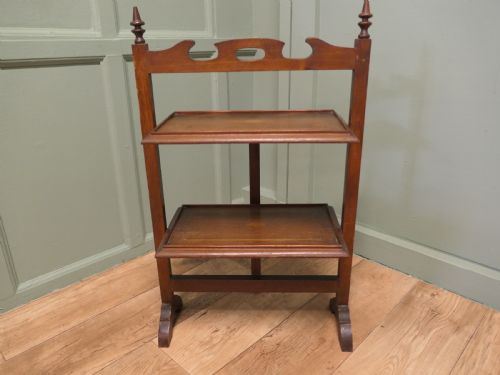
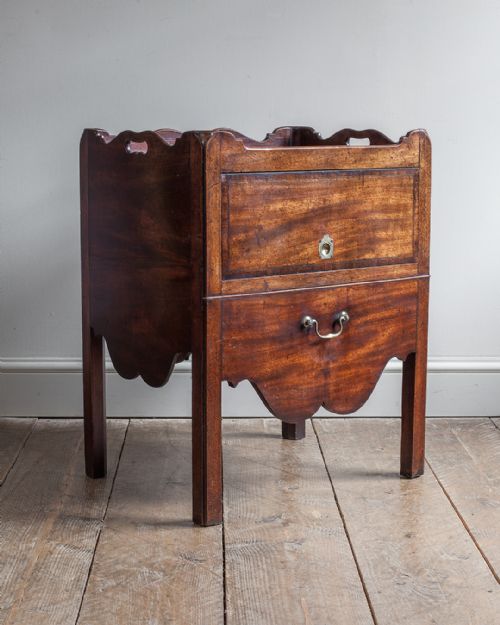
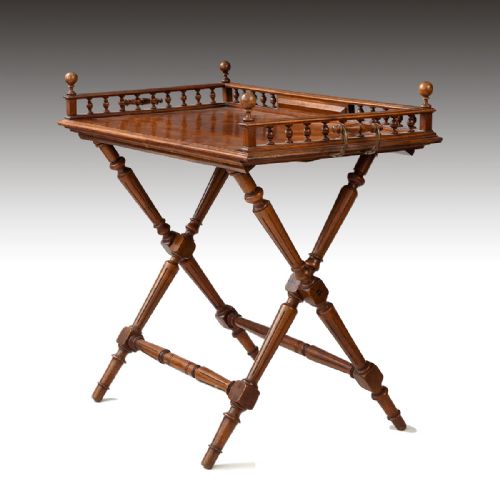
Brown Wooden Tray Table
A brown wooden tray table brings practical English heritage into daily rooms through folding stands and removable serving tops.
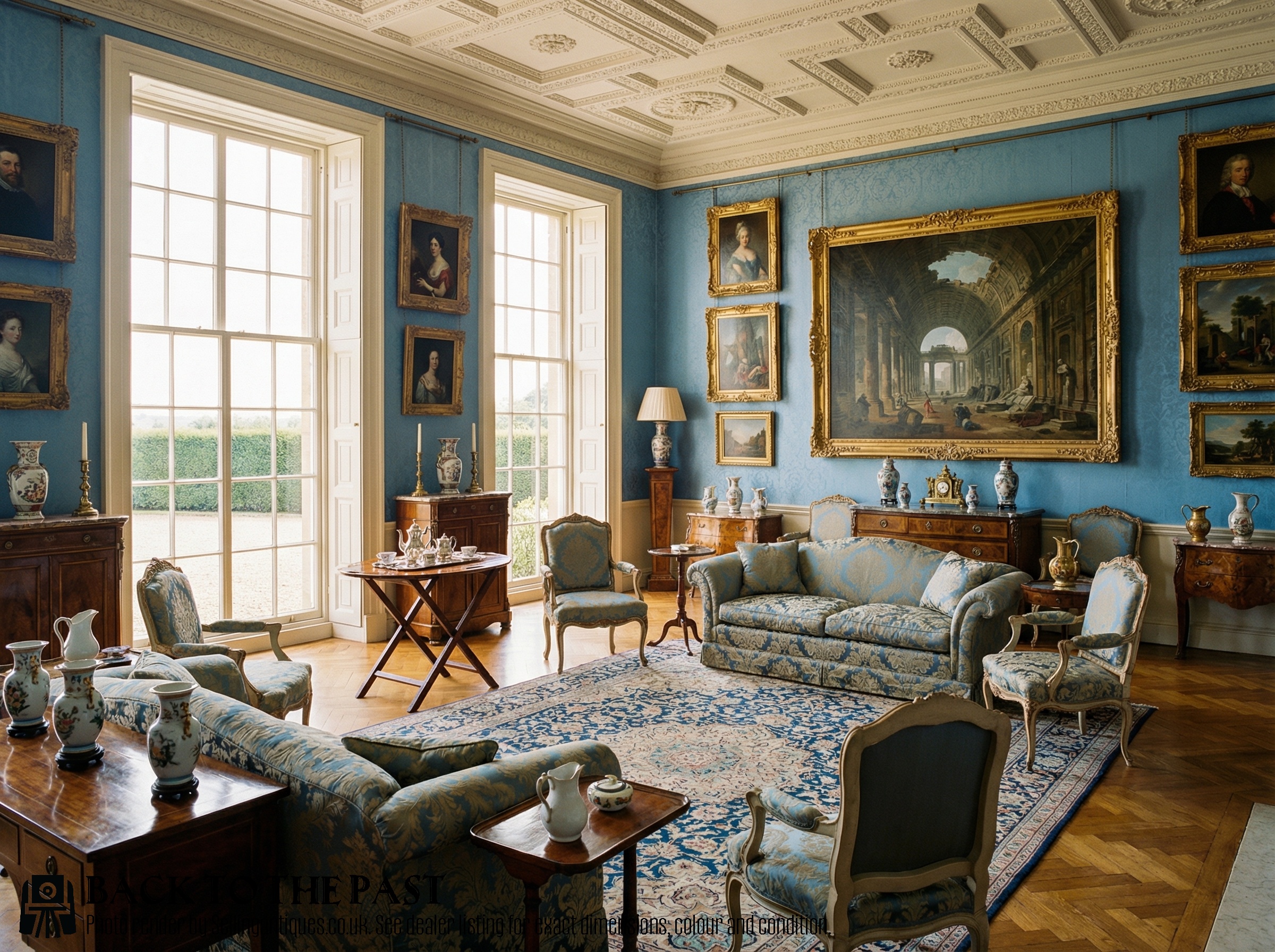
Brown Wooden Tray Table
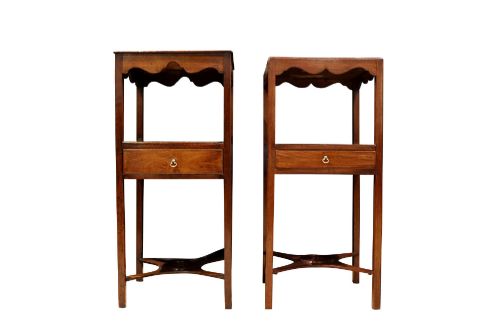
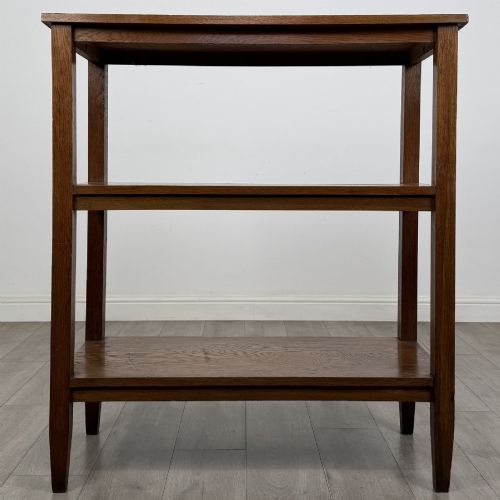
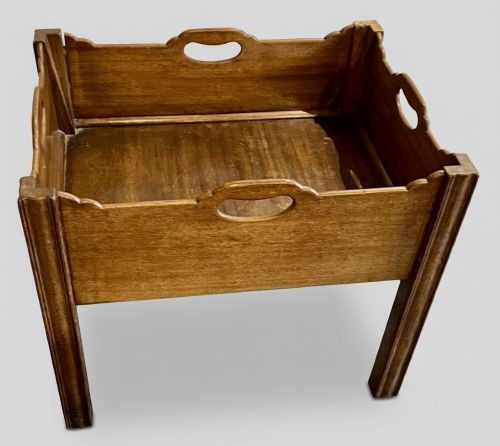
A brown wooden tray table combines a detachable serving tray with a folding or fixed supporting stand, creating versatile furniture for hosting and daily use. These pieces appear across Georgian, Victorian, and nineteenth-century periods, alongside a regency revival interpretation from nineteen thirty.
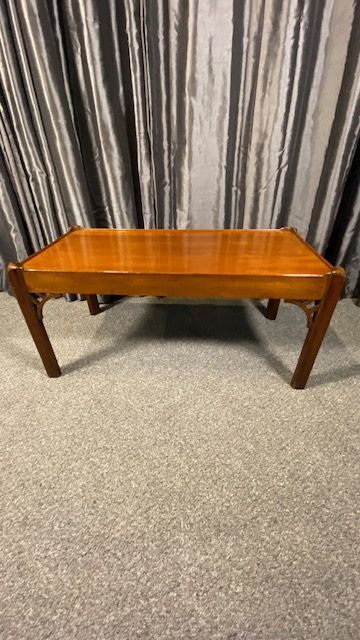
The primary form centres on the butler's tray, featuring oval or rectangular surfaces designed for carrying provisions before resting upon a timber base. Surviving examples demonstrate how these items transitioned from functional service pieces in domestic quarters to occasional and coffee tables in modern settings.
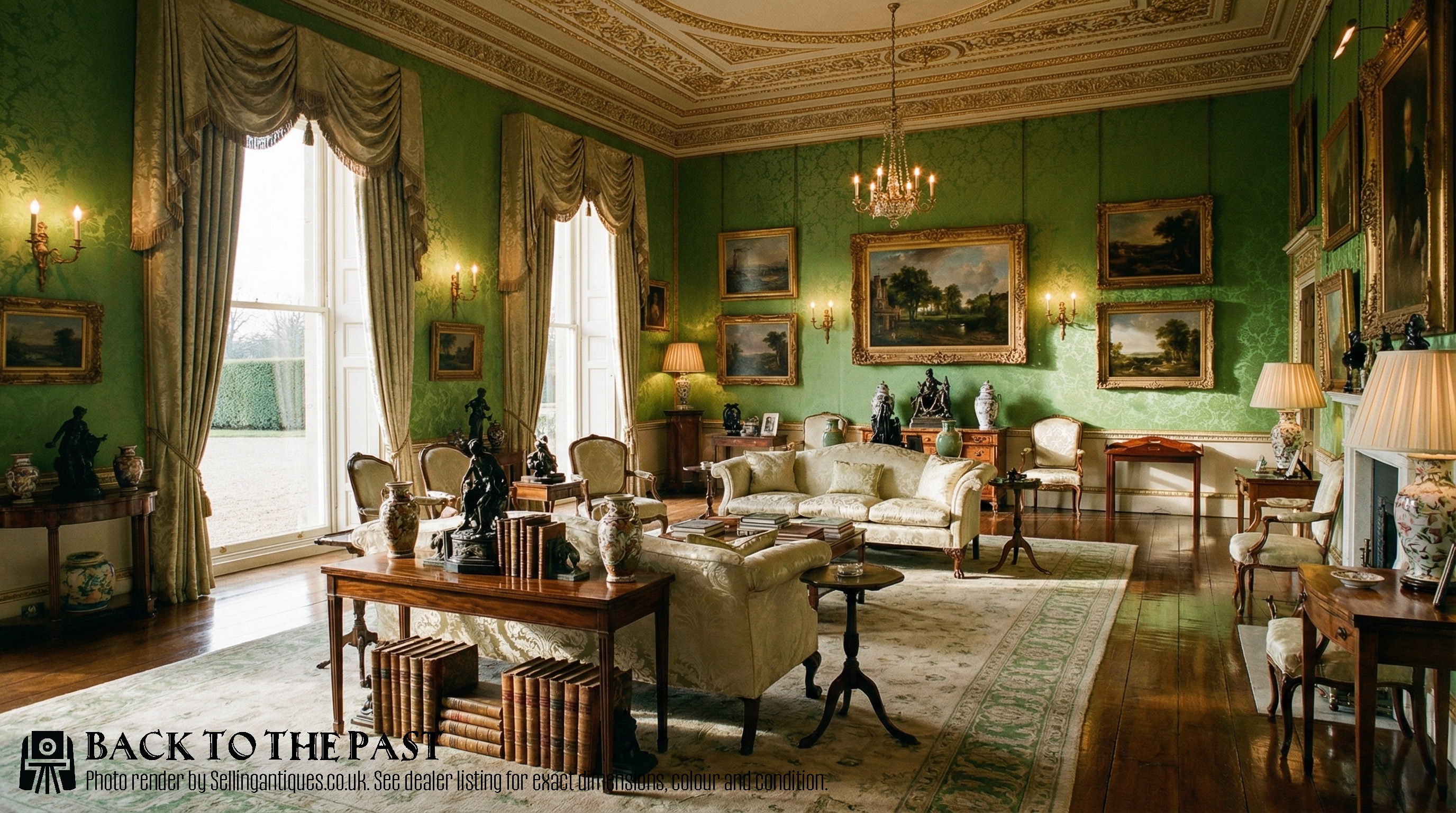
Materials and construction
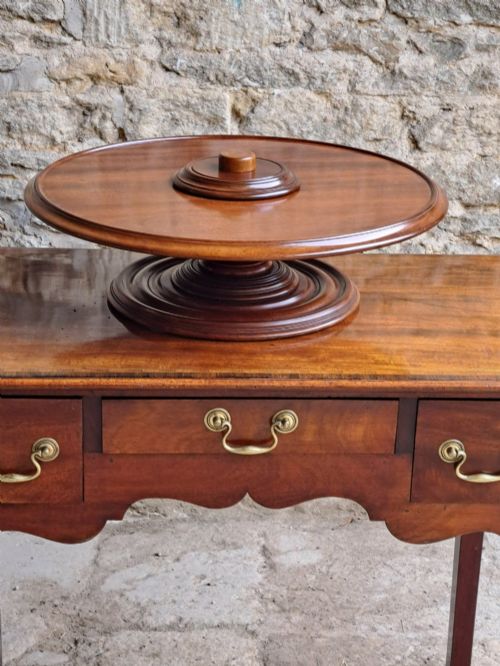
Makers utilised mahogany as the primary timber for both trays and stands, selected for its rich grain and sturdy structural qualities. Brass hardware often reinforces the hinges and joints on folding examples, adding durability to the moving sections.
Support mechanisms frequently incorporate canvas webbing to stabilise the folding wooden frames upon which the trays rest. Carpenters shaped these elements by hand to ensure the removable tray sits securely within the frame during service.
Brown Wooden Tray Table Retail Price Guide 2026
Typical asking prices for brown wooden tray table among the pieces listed under this phrase on Sellingantiques today, from the lower quarter to the upper quarter. They describe what is for sale here now, not the wider market.
Materials recorded in current inventory include mahogany, brass, and canvas webbing.
Judging the range
Superior examples display finely figured mahogany grain across the tray surface and precise joinery on the folding stands. The integration of solid brass fittings rather than plated base metals separates finer production from simpler utility items.
Proportion and the crispness of edge moulding distinguish pieces made for principal reception rooms from more utilitarian kitchen iterations. The balance of the stand when fully assembled indicates the care taken by the original maker.
The Brown Wooden Tray Table Glossary
- Butler's tray
- A removable wooden tray with raised edges, originally designed for carrying silver and glassware.
- Stand
- The supporting frame, often folding, that elevates the tray to table height for serving or display.
- Webbing
- Strong woven fabric strips, such as canvas, used within folding stands to provide flexible support.
- Regency revival
- A stylistic period drawing inspiration from early nineteenth-century English design principles.
Brown Wooden Tray Table: Frequently Asked Questions
What is a butler's tray table?
A butler's tray table consists of a removable wooden tray resting on a separate folding or fixed base. This dual construction allowed servants to carry provisions easily before placing the tray atop the stand for service.
Today, these pieces function as versatile occasional tables or coffee tables in living spaces. The design remains popular for its portability and traditional English craftsmanship.
How do I date these tables?
Dating relies on examining timber selection, construction methods, and hardware styles across periods like the Georgian and Victorian eras. Earlier pieces often display hand-cut joinery and aged mahogany patination.
Later interpretations, such as those from the nineteen thirties, incorporate regency revival styling. Comparing the brass hinges and canvas webbing against known period examples helps clarify the manufacturing era.
Are the trays removable?
Yes, the defining feature of these tables is the detachable tray resting freely on the supporting stand. This allowed domestic staff to lift the tray away while leaving the folding frame in place.
Owners can lift the tray for serving drinks or reposition the entire unit as needed. The absence of fixed fixings means the top simply lifts off the stand.
How do I care for mahogany wood?
Mahogany requires dusting with a soft, dry cloth to protect the polished surface from abrasive particles. Avoiding direct sunlight prevents the rich brown timber tones from fading over time.
Applying occasional appropriate wax preserves the natural lustre of the wood. Keeping the table away from extreme heat sources prevents the timber joints from drying out.