

Brown Wooden Tier Table
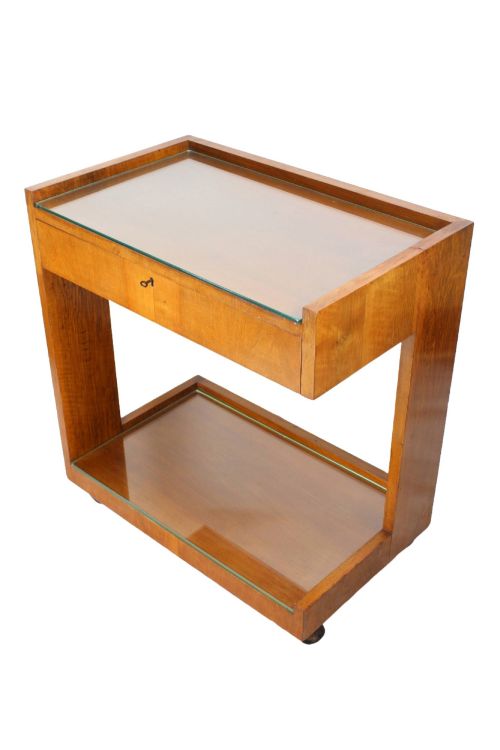
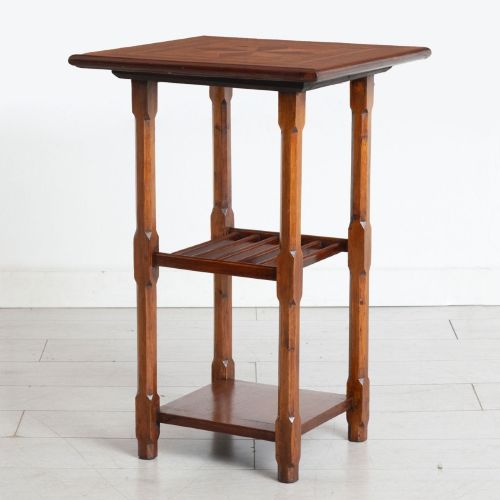
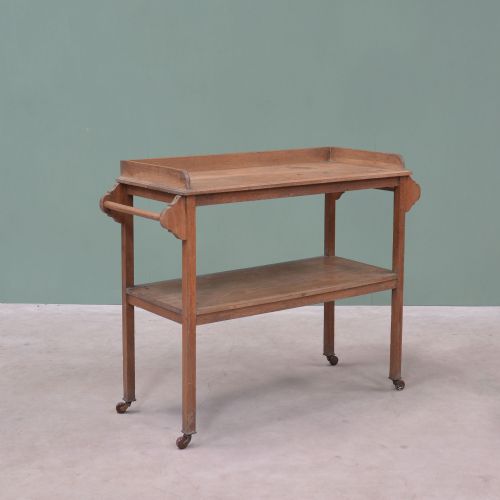
A brown wooden tier table brings tiered surface space and warm timber tones to a room, appearing in forms from Edwardian occasional tables to Art Deco trolleys.
Brown Wooden Tier Table
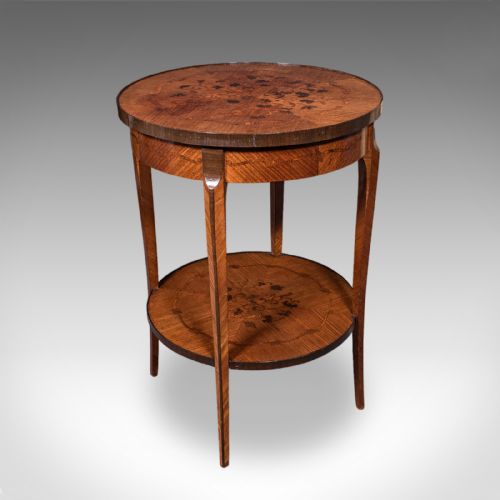
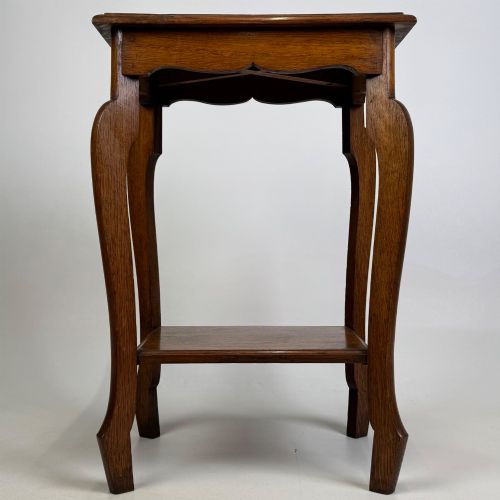
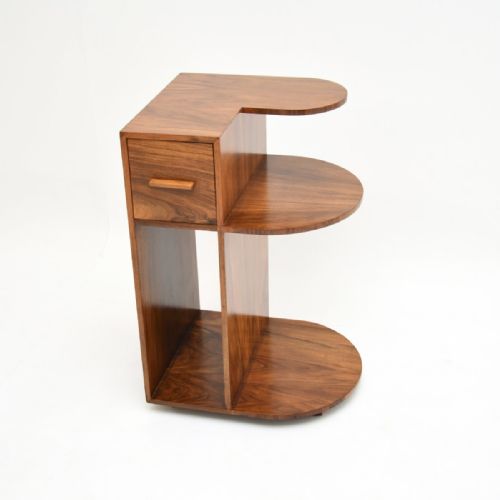
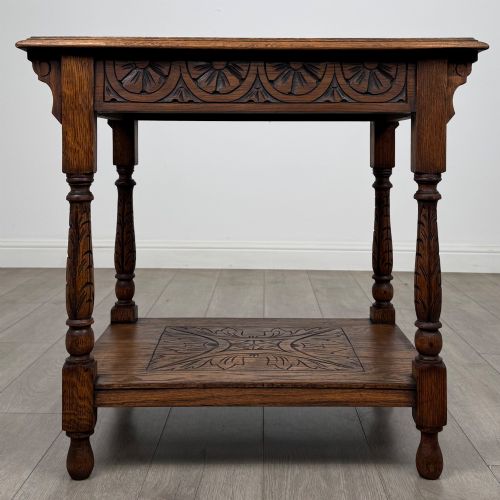
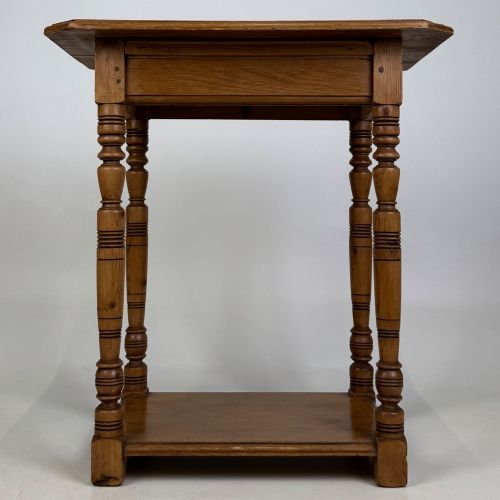
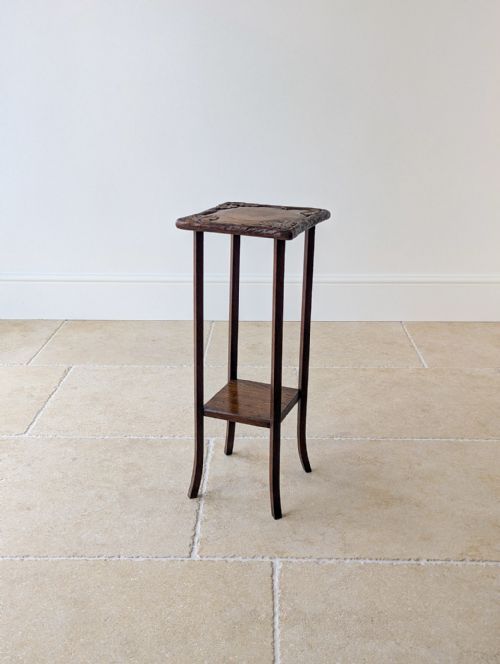
A brown wooden tier table provides multiple levels of display or utility surface, utilising woods such as mahogany, walnut, and oak across periods from the nineteenth century into the twentieth century. These pieces function variously as side tables, occasional tables, plant stands, and serving trolleys.
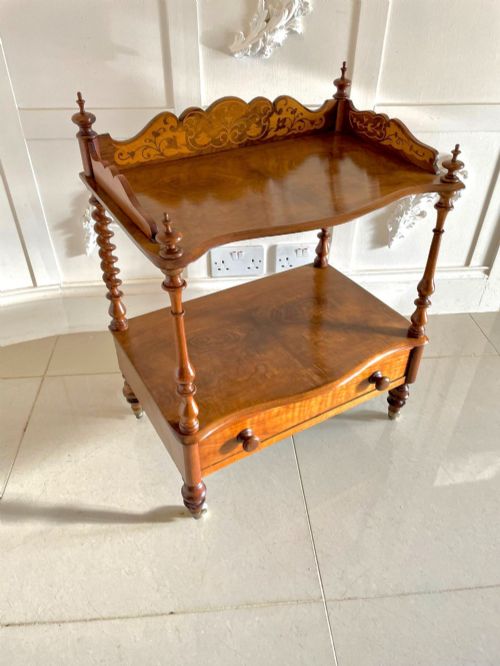
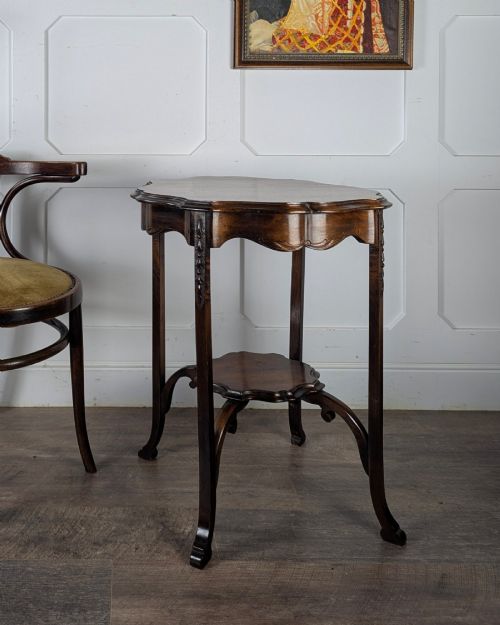
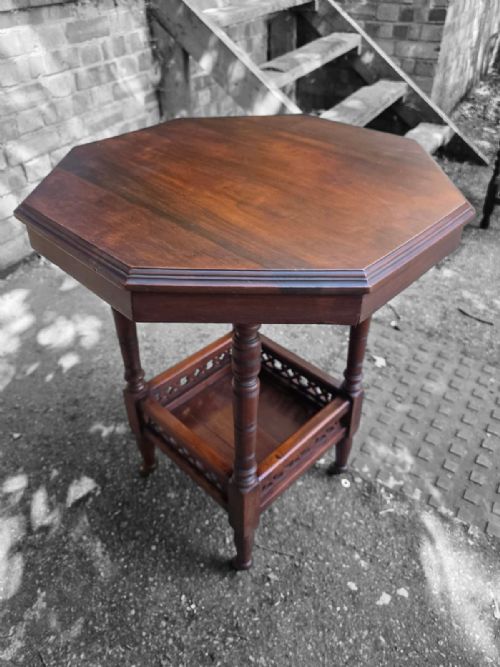
The most frequent examples on this page date from the Edwardian era and Victorian period, often featuring two distinct tiers linked by turned supports or slender legs. Buyers encounter circular, oval, and rectangular tops designed for lamps, books, or afternoon tea.
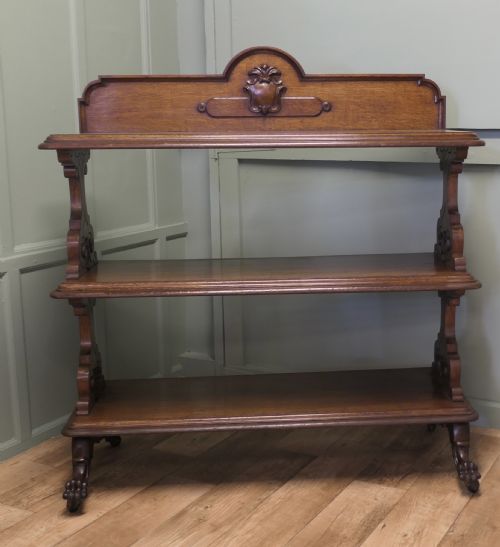
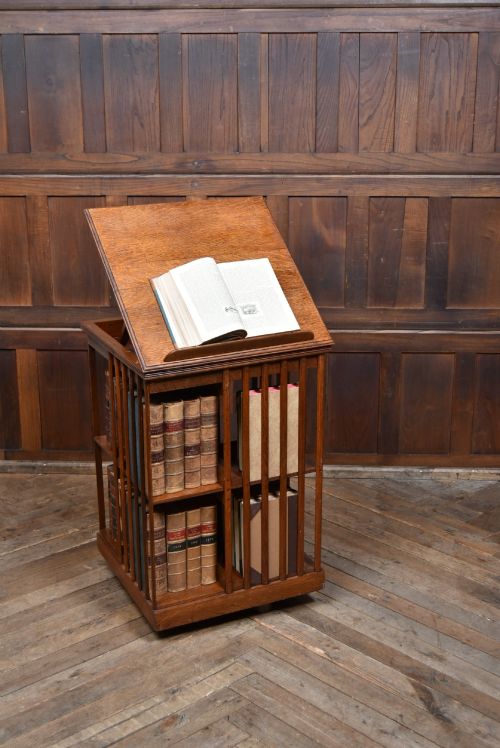
Alternative forms include etageres, rolling drink trolleys, and revolving bookcases that share the characteristic tiered arrangement in timber. French and English workshops both contributed to this tradition, utilising marquetry, veneer, and carved details.
Materials and construction
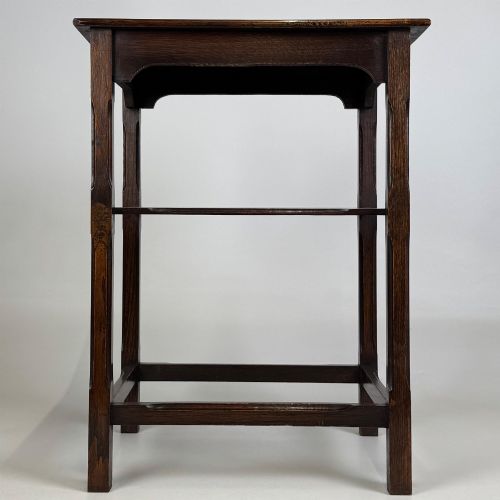
Cabinetmakers constructed these tables using solid hardwoods alongside decorative veneers applied to secondary timbers. Mahogany and walnut provide deep, rich colour and stability, while oak and beech serve in sturdier Arts and Crafts or vernacular pieces.
Joinery methods include traditional mortise and tenon frames, turned legs, and bobbin-turned supports. Metal mounts in brass or ormolu appear on French examples, adding structural accents to corners and tiers.
Judging quality in tiered timber furniture
Quality rests in the selection of figured timber veneers, such as burr walnut or detailed mahogany, matched neatly across the tiers. Superior pieces display crisp carving, hand-turned components, and secure joints rather than mechanical staples or heavy modern adhesives.
The integration of secondary materials like brass ormolu mounts and inlaid marquetry separates standard production items from fine workshop output. Structural rigidity across multiple tiers indicates careful assembly by skilled makers.
Gregory & Co·François Linke
The Brown Wooden Tier Table Glossary
- Etagere
- A set of open shelves or tiers for displaying small objects. This French form places multiple surfaces above one another on slender supports.
- Marquetry
- Decorative patterns formed by fitting together thin veneers of wood and other materials. Artisans use this technique to create pictorial or geometric designs on table tops.
- Ormolu
- Gilded bronze mounts applied to furniture. This decorative metalwork is typical of finer French tables.
- Whatnot
- A piece of furniture with shelves for books or ornaments. It shares the tiered utility of the side table.
- Bobbin legs
- Turned wooden legs resembling a string of bobbins or spools. This style appears frequently on Edwardian occasional tables.
Brown Wooden Tier Table: Frequently Asked Questions
What is a tier table used for?
Tier tables provide extra surface space across multiple levels without occupying a larger floor footprint. They suit living rooms and bedrooms for holding lamps, books, or decorative objects.
In earlier decades, similar formats served specialised domestic roles including afternoon tea service, holding plants, or organising writing materials.
How do I date a wooden tier table?
Dating relies on observing the timber species, leg turning styles, and construction methods. Edwardian and Victorian pieces often show specific hand-tool marks and characteristic edge mouldings.
Stylistic cues such as Aesthetic Movement inlay or Art Deco geometric veneering help narrow the decade of manufacture.
Are these tables sturdy enough for daily use?
Period timber tables are generally robust, provided the joints between the tiers and uprights remain tight. Solid hardwoods like oak and mahogany withstand regular placement of lamps and cups.
Tables with rolling castors or multiple slender tiers benefit from careful placement to avoid lateral strain on the supporting legs.
How do I care for antique wood surfaces?
Maintain timber surfaces by dusting with a soft, dry cloth and avoiding excessive moisture or direct sunlight. Periodic applications of appropriate wax nourish the wood and preserve the finish.
Keep tables away from direct heat sources to prevent timber shrinkage and veneer lifting.