





Brown Wooden Taxidermy
Brown wooden taxidermy brings the natural world indoors through preserved specimens mounted on oak, hardwood, and carved shields.
Brown Wooden Taxidermy
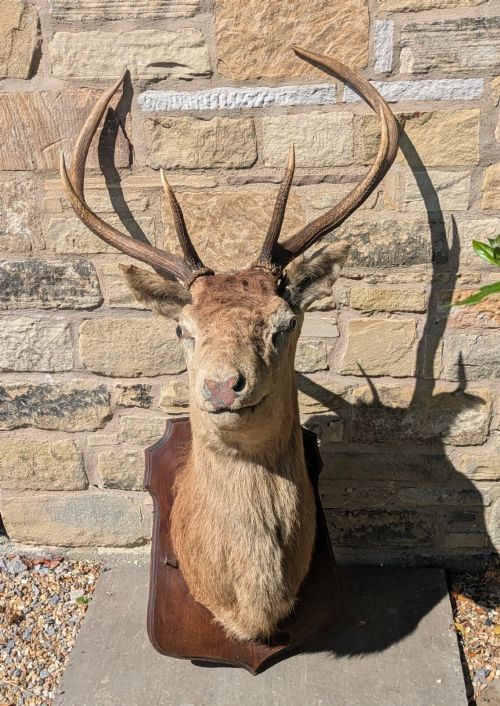
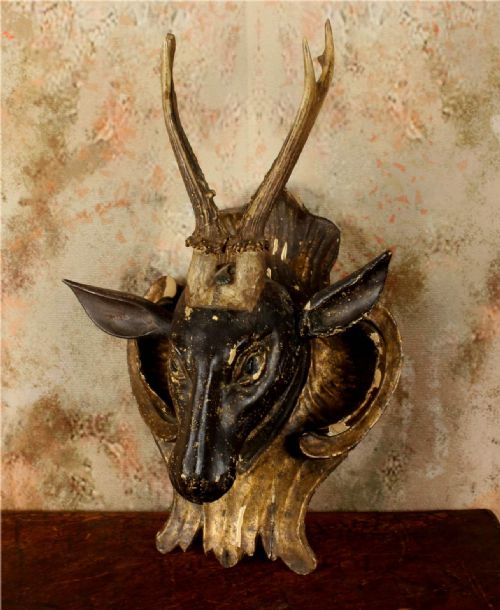
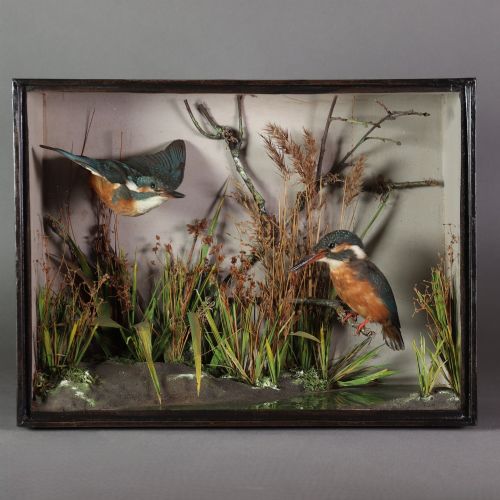
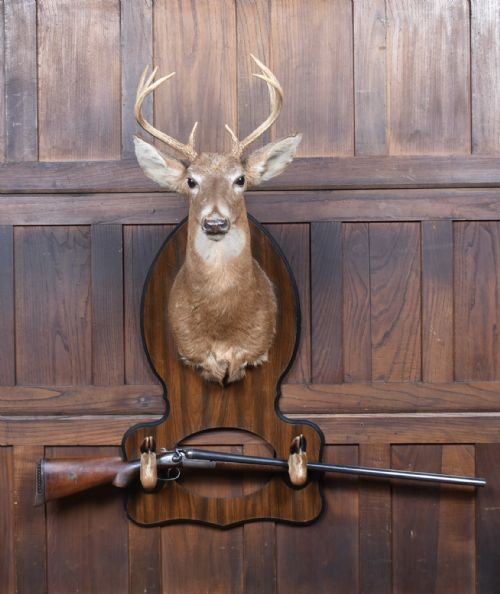
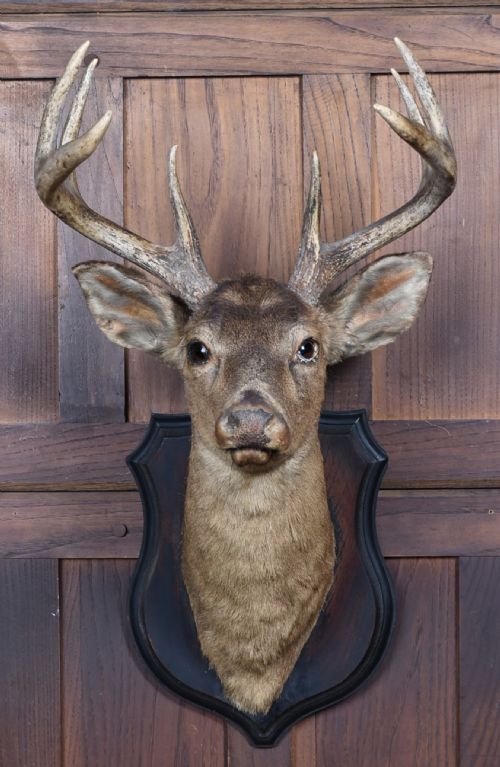
Brown wooden taxidermy encompasses preserved animals, birds, and antlers mounted on timber supports, ranging from wall-hanging stags' heads to cased displays. When exploring brown wooden taxidermy, buyers encounter pieces primarily originating from the Victorian, Edwardian, and early twentieth-century periods.
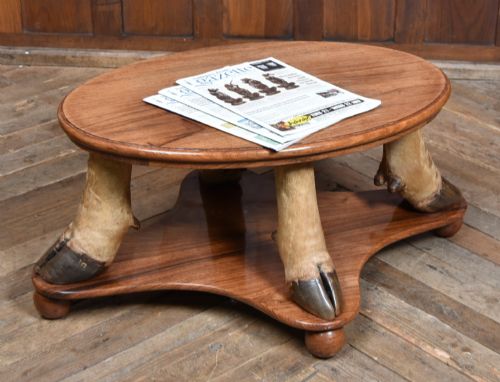
The selections frequently feature oak, hardwood, and carved wooden shields that complement the natural tones of fur, hide, and antler. Common forms include wall sculptures, display domes, coffee tables, and hall racks.
Originating largely from the nineteenth century through to the 1930s, these items reflect historical natural history interests and the Highland Lodge interior aesthetic. Buyers typically find mounted deer heads, birds under glass, and folk art interpretations.
Materials and Construction
The construction of brown wooden taxidermy relies on combining organic specimens with durable timber mounts, utilising glass for protective display domes and cases. Artisans shaped oak and various hardwoods into carved shields, wall racks, and furniture bases to support the weight of antlers, hides, and taxidermy mounts.
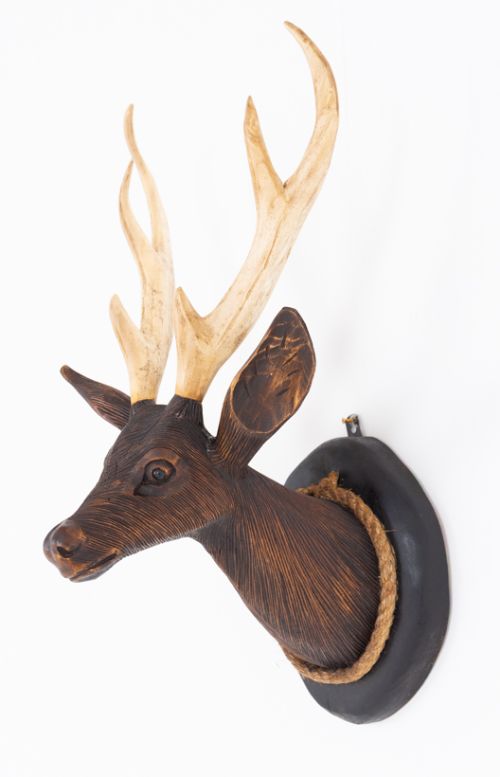
Master practitioners preserved animal hides, birds, and fish using historical taxidermy techniques before securing them to wooden backings with bone, horn, and metal fastenings. Carving techniques are evident in Black Forest style mounts and folk art pieces, where timber is hand-shaped to frame the trophy.
Some creatures come with deeply respectable provenance, having stared down Victorian drawing rooms for over a century.
Assessing Quality
Quality in brown wooden taxidermy depends on the skill of the taxidermist in preserving the anatomical realism and lifelike posture of the subject. Pieces attributed to noted practitioners exhibit superior form retention and natural expression compared to simpler provincial work.
The craftsmanship of the wooden element also dictates standard, with hand-carved oak shields and detailed Black Forest foliage showing greater artistic investment than plain backing boards. The integration between the specimen and the timber mount must appear secure and balanced.
J Griffiths of Burford·T E Gunn·S King·Edward Gerrard and Sons·P Spicer and Sons·Rowland Ward of London·J Dobson
The Brown Wooden Taxidermy Glossary
- Taxidermy
- The art of preserving and mounting animal specimens for display. It combines anatomical preparation with carpentry to create realistic mounts.
- Display Dome
- A glass cover placed over a wooden base to protect delicate bird or mammal specimens from dust. These often feature oak or hardwood circular platforms.
- Black Forest Style
- A regional wood-carving tradition originating in central Europe, characterised by realistic depictions of animals, foliage, and naturalistic motifs.
- Folk Art
- Decorative items created by traditional craftspeople rather than professional fine artists, often showing regional stylistic variations in painted or carved wood.
- Antler Trophy
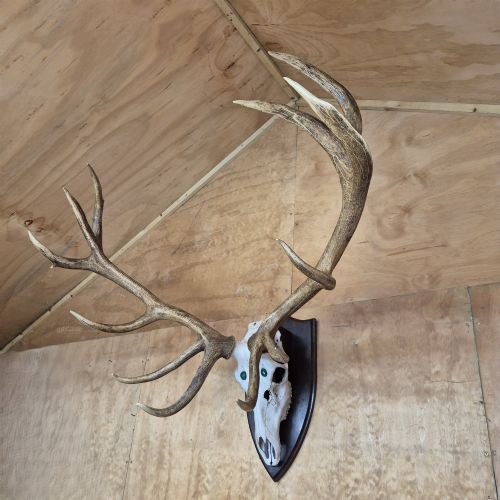
- Horn or antler sets mounted on wooden shields to commemorate a hunt or celebrate natural history. They frequently utilise red deer, roe deer, or exotic horns.
Brown Wooden Taxidermy: Frequently Asked Questions
How do I care for my taxidermy?
Keep mounted specimens away from direct sunlight and damp environments to protect the hair, feathers, and hide from degradation.
Dust the timber mounts and glass domes gently with a dry, soft cloth without applying liquid cleaners directly to the preserved material.
Where were these pieces made?
The pieces originate from British and European workshops, spanning local taxidermists to major commercial establishments in London and provincial towns.
Many reflect the Victorian and Edwardian fascination with natural history and Highland Lodge interior decoration.
How do I date a piece?
Dating relies on stylistic clues, framing techniques, and the historical records of known taxidermists working between the nineteenth and mid-twentieth centuries.
Materials such as oak backs, hand-blown glass domes, and traditional taxidermy methods help establish whether a piece is Victorian, Edwardian, or later.
Can wall mounts be hung safely?
Most wall sculptures and antler trophies are secured to sturdy wooden shields equipped with hanging fixings designed for substantial weight.
Ensure you fix the piece directly into a wall stud or use appropriate wall anchors given the heavy oak and hardwood construction.