
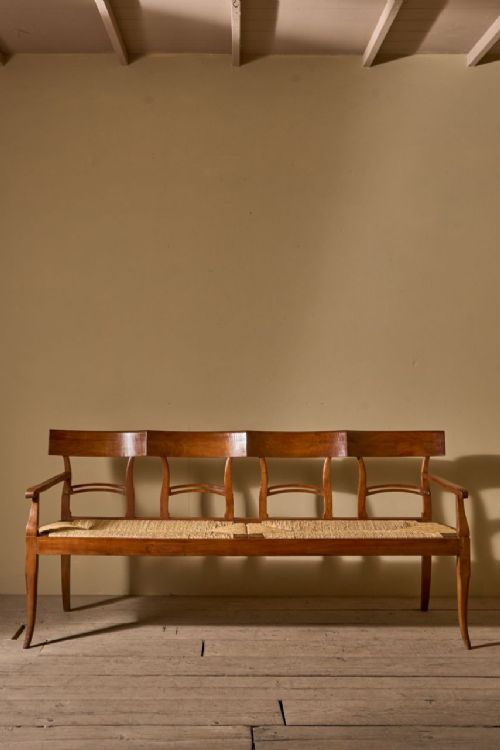
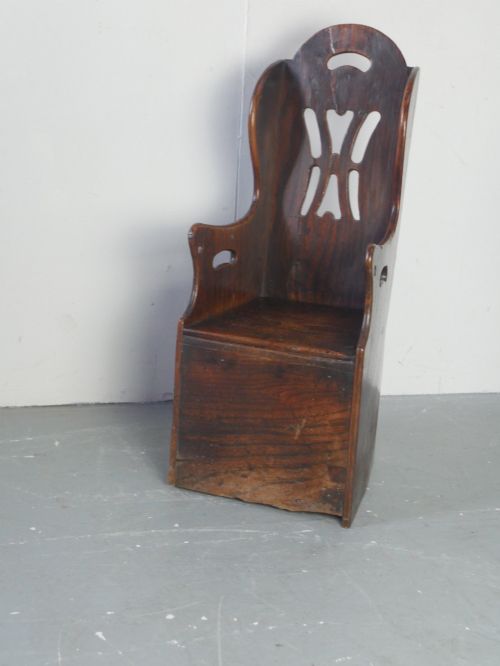
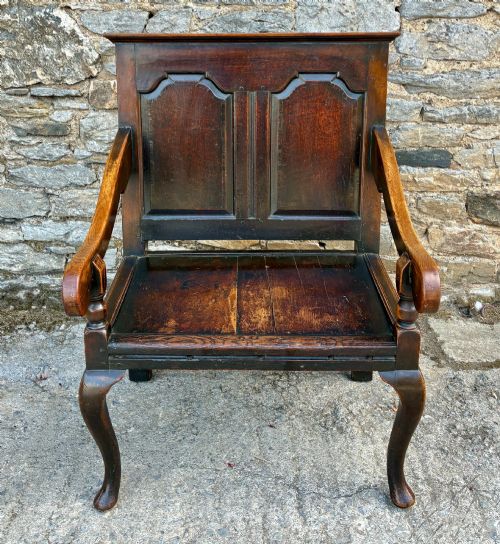
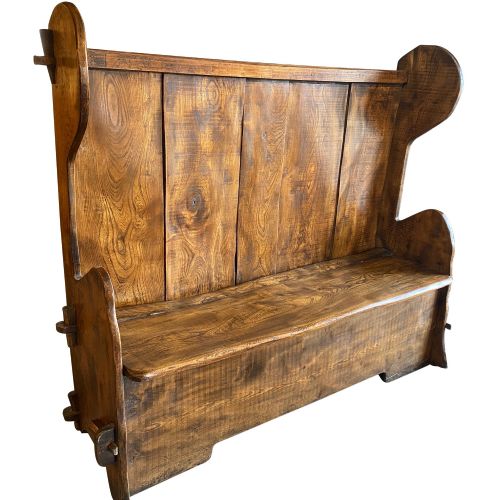
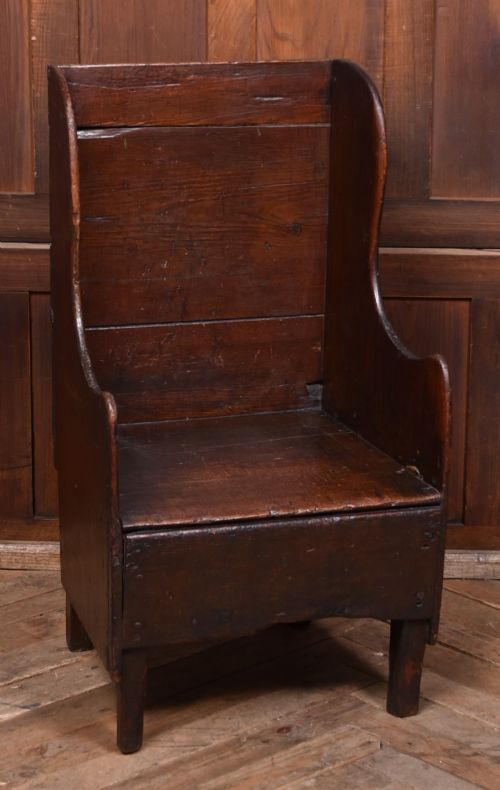
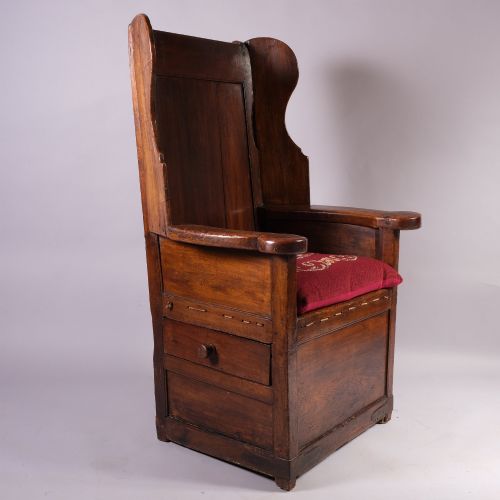
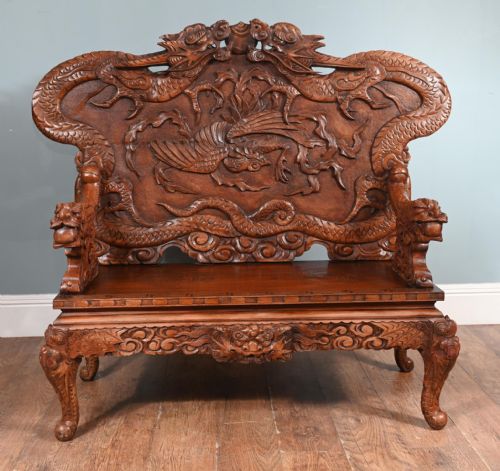


Brown Wooden Settle Chair
A brown wooden settle chair is a sturdy historic seat designed to block drafts in old hallways and kitchens, offering high backs and often built-in storage.
Brown Wooden Settle Chair
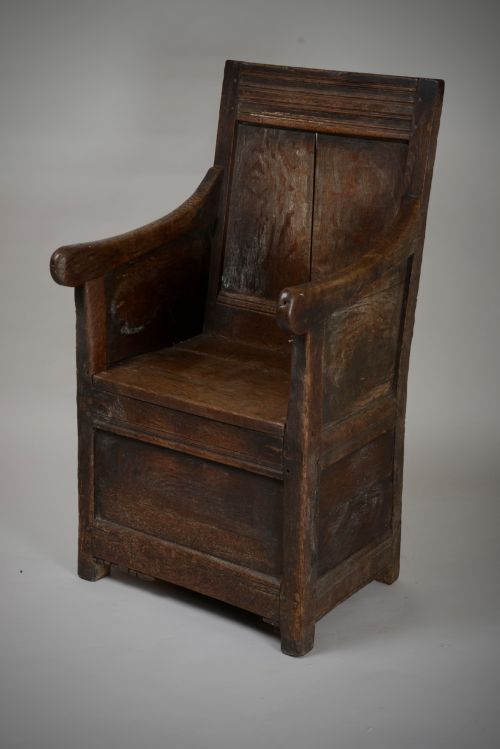
A brown wooden settle chair is a substantial piece of historic seating designed to protect occupants from cold drafts in domestic spaces. These seats range from simple high-backed benches to box settles equipped with hinged seats for storage.
Buyers searching for a brown wooden settle chair will encounter examples dating from the 16th century through to the 20th century. The selection includes regional variants such as English country pieces, French provincial forms, and Georgian designs.
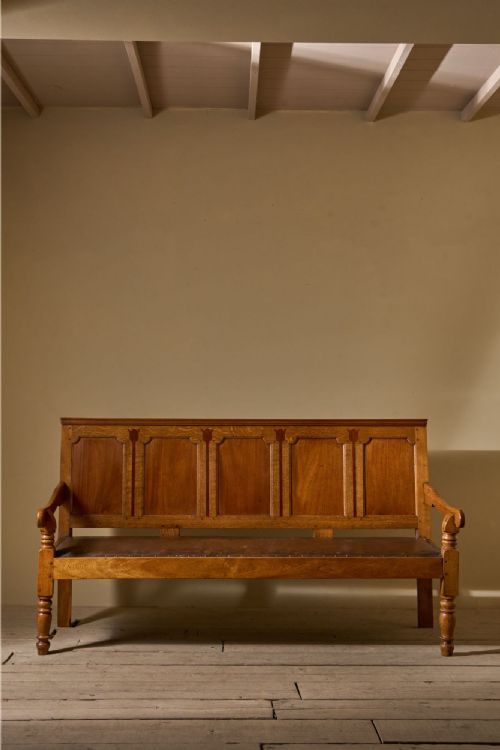
Common forms span solid elm box settles, oak hall benches with carved details, and smaller lambing chairs. These items function practically as hallway furniture or seating sets while retaining their historic character.
Materials and construction
These items are constructed predominantly from native hardwoods like oak, elm, cherrywood, and fruitwood, occasionally incorporating pitch pine or mahogany. Traditional joinery methods rely on pegged mortise and tenon joints to secure the heavy timbers.
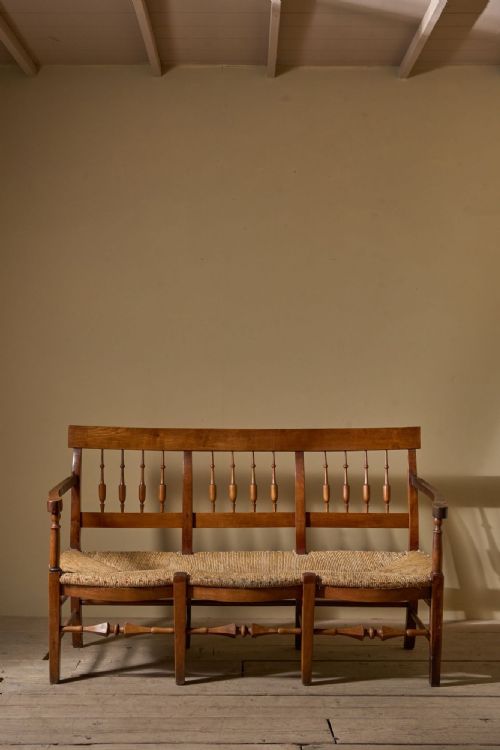
Seating surfaces often utilise woven rush or solid wood panels, while specific variants include carved decorations and storage compartments. The natural grain of the wood provides the primary visual texture across the different periods.
The listings feature oak, elm, cherrywood, and pine across pieces spanning the 16th to the 20th century.
Assessing quality and proportion
Quality in these items is determined by the integrity of the timber and the restraint or skill of the carving. Original patination on woods like oak and cherrywood distinguishes honest surface age from later interventions.
Proportion and scale dictate the desirability of a piece, with smaller settles and child-sized variants commanding particular attention. The survival of original structural elements, such as box storage lids and rush seats, underpins the overall integrity.
The Brown Wooden Settle Chair Glossary
- Settle
- A wooden bench with a high back, solid arms, and often a storage box beneath the seat. It was historically placed near firesides to deflect cold air.
- Lambing chair
- A specific type of high-backed wooden armchair, frequently featuring wings to shield the head and shoulders from draughts. They often incorporate enclosed lower sections.
- Box settle
- A form of settle featuring a hinged seat lid that opens to reveal a storage compartment underneath. This dual-purpose design maximised utility in early domestic spaces.
- Rush seating
- Seats woven from marsh rushes, commonly found on country chairs and benches. This traditional method creates a durable and flexible seating surface.
Brown Wooden Settle Chair: Frequently Asked Questions
How do I date a wooden settle?
Dating relies on examining the tool marks, timber species, and construction methods used in the frame. Joinery details such as hand-pegged joints often point towards earlier centuries.
Stylistic cues like panel carving and proportions also help distinguish 18th-century country pieces from later revival items.
Where should I place a settle in my home?
These pieces suit entrance hallways, large kitchens, or living spaces where their high backs can anchor a room. Their solid construction makes them practical for everyday seating.
Many examples also provide hidden storage beneath the seat, making them useful for concealing clutter in high-traffic areas.
Are rush seats durable?
Rush seating is surprisingly resilient when kept in dry indoor environments. Regular use polishes the natural material over time.
Avoid placing these seats in damp locations to preserve the integrity of the woven fibres.
What is the difference between a settle and a pew?
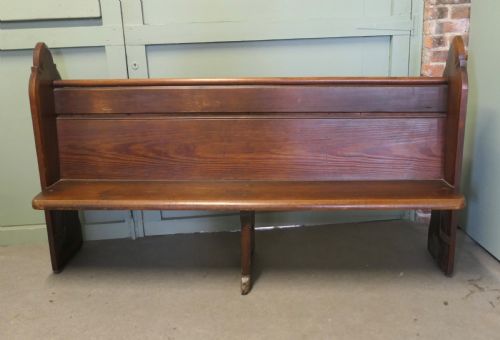
Settles were traditionally domestic furniture featuring enclosed backs and sides designed to keep out household draughts. Pews are typically associated with institutional or ecclesiastical settings.
Church pews often lack the storage boxes and enclosed wing designs common to domestic settles.