
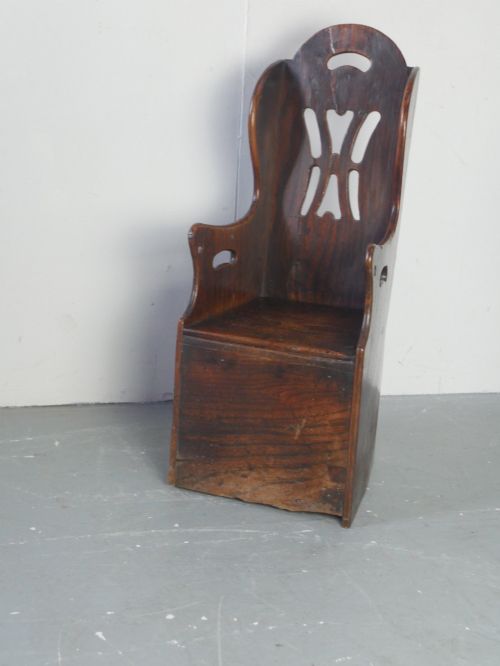
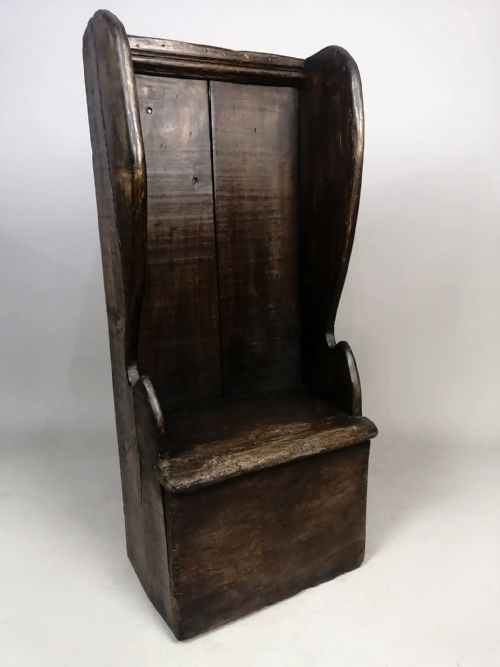
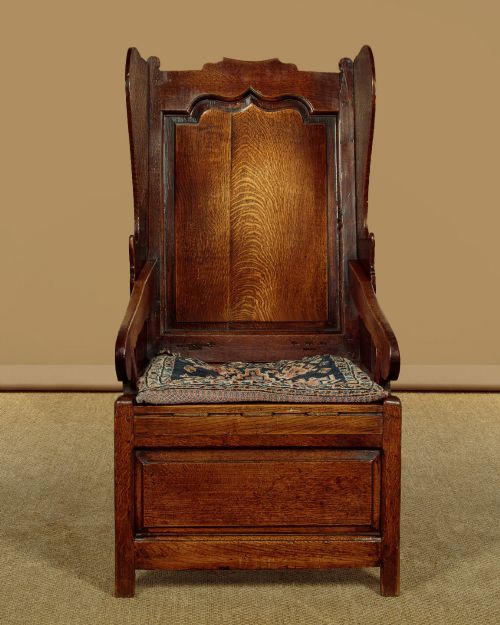
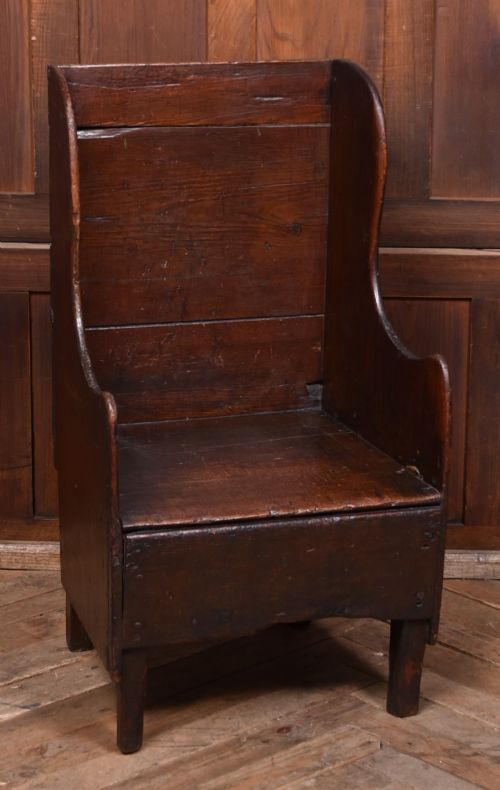



Country Oak Lambing Chair
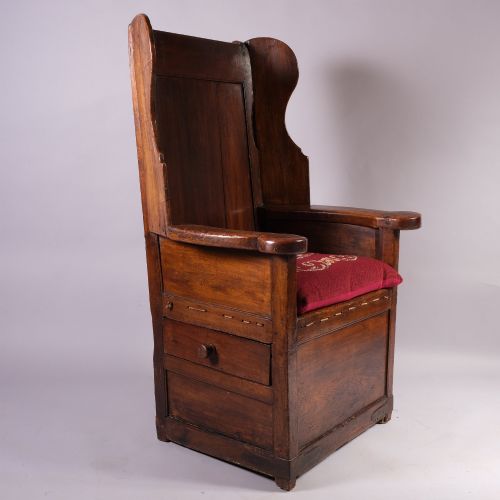
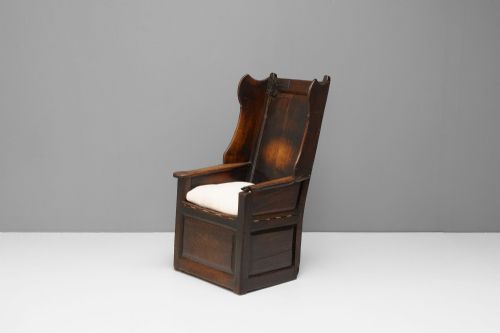
A country oak lambing chair brings rugged vernacular comfort to any room, offering high sides and solid timber built to keep out cold drafts.
Country Oak Lambing Chair
When you search for country oak lambing chair, you find robust vernacular armchairs designed for warmth and shelter with high wooden wings and enclosed bases. These pieces emerge primarily from the seventeenth, eighteenth, and nineteenth centuries, spanning English, Welsh, Scottish, and Dutch origins.
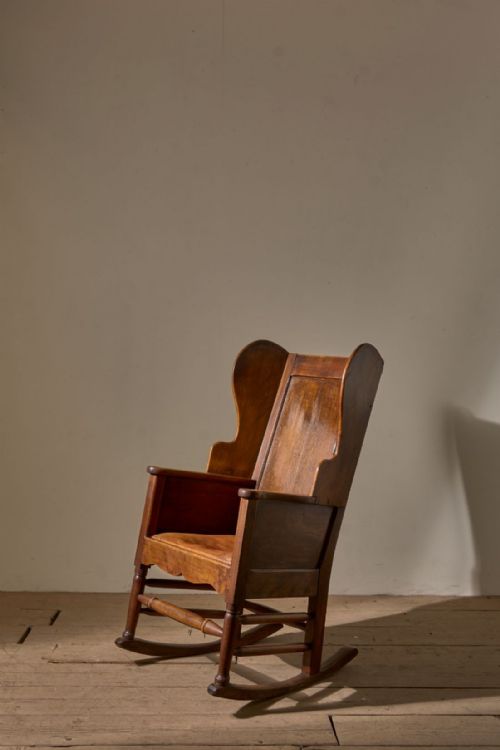
The versions most commonly met on this page range from full-sized adult seating to smaller children's variants and rocking chair adaptations. They draw on regional traditions from places like Lakeland and Wales, manifesting in styles from Georgian vernacular to seventeenth-century vernacular.
How they were made
Joiners and country carpenters built these chairs predominantly from solid oak, sometimes combining it with fruitwood or elm for structural elements or panels. The construction relies on traditional pegged joints, heavy panel work, and occasionally added rockers.
Some examples incorporate fabric or textile elements for the seat, though the primary structure remains timber-focused. Makers utilised locally sourced woods characteristic of English, Welsh, and Scottish country workshops.
The site's listings span the seventeenth, eighteenth, and nineteenth centuries, featuring oak, fruitwood, and elm across English, Welsh, Scottish, and Dutch regional styles.
What varies in quality
The distinction between standard examples and finer pieces lies in the crispness of the timber panels, the elegance of the wing proportions, and the integrity of the original construction. Regional variations, such as specific Welsh or Lakeland vernacular details, influence desirability among collectors.
Age and untouched surfaces elevate a piece, with seventeenth-century origins and well-preserved fruitwood elements commanding greater interest. Alterations to the base or replaced panels alter the historical standing of the chair.
The Country Oak Lambing Chair Glossary
- Vernacular
- Everyday furniture made by regional craftsmen rather than urban cabinetmakers. These pieces reflect local materials and traditional building methods.
- Wing back
- An upholstered or solid timber high back with projecting sides designed to deflect drafts. This feature defines the primary comfort of the seat.
- Fruitwood
- Dense timber gathered from fruit-bearing trees such as pear or apple. Makers utilised it for contrasting colour and fine grain.
- Wainscot
- Oak panelling used traditionally on walls and incorporated into early chair construction. It provides solid structural integrity to the base and back.
Country Oak Lambing Chair: Frequently Asked Questions
What is a country oak lambing chair?
A country oak lambing chair is a traditional vernacular armchair featuring high wooden wings designed to shield the occupant from cold draughts near a hearth.
These pieces typically date from the seventeenth to the nineteenth centuries and originate from various British and European rural regions.
How were lambing chairs used originally?
They served as fireside seating in farmhouses and cottages, where the enclosed sides and solid wooden base trapped heat around the person seated.
Some variants included under-seat compartments or rockers, combining practical domestic utility with heavy timber construction.
How do I date a country oak lambing chair?
Dating relies on examining the construction methods, such as pegged joints, panel thickness, and timber types like oak and fruitwood.
Stylistic cues, including seventeenth-century vernacular traits or later Georgian country influences, help narrow down the period.
Are there smaller versions of these chairs?
Yes, the listings include children's oak lambing chairs and small rocking chair variants produced in regional workshops.
These smaller pieces mirror the high-winged design and solid timber construction of the full-sized adult versions.