


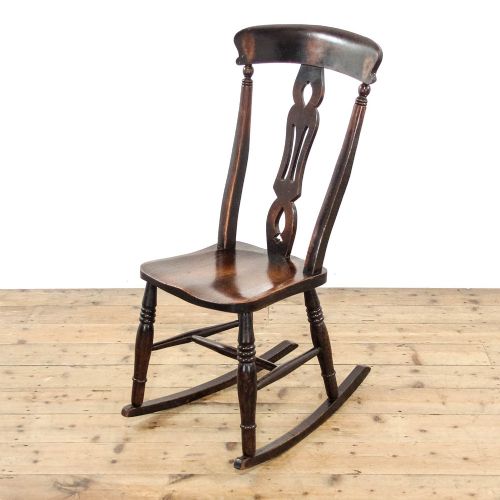
Brown Wooden Rocking Chair
A brown wooden rocking chair offers steady comfort and traditional craftsmanship, bringing historic seating into a modern home.
Brown Wooden Rocking Chair
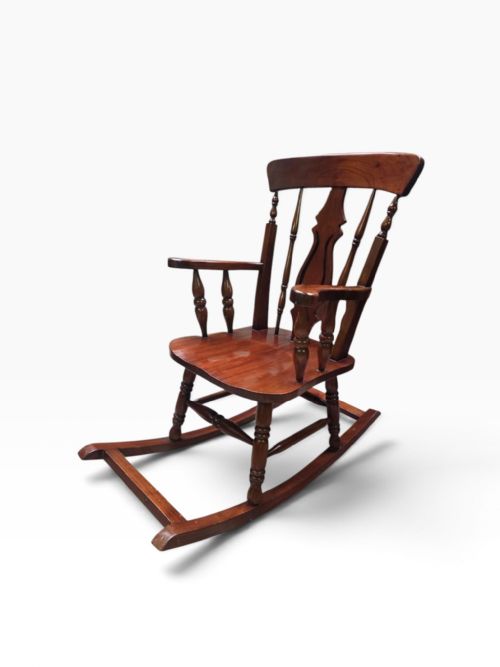
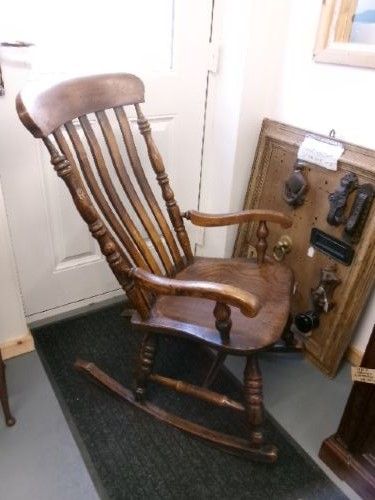
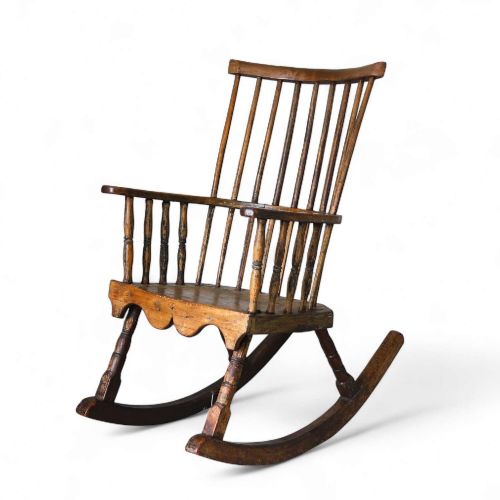
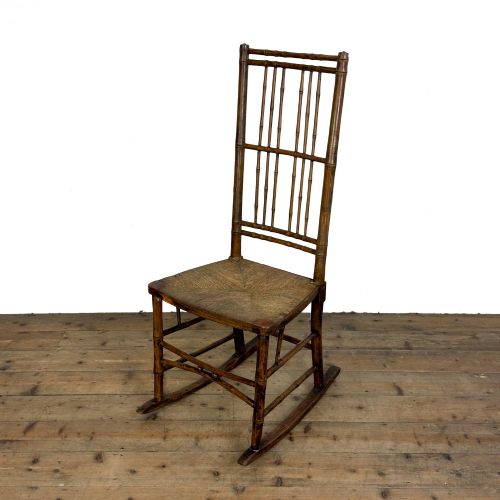
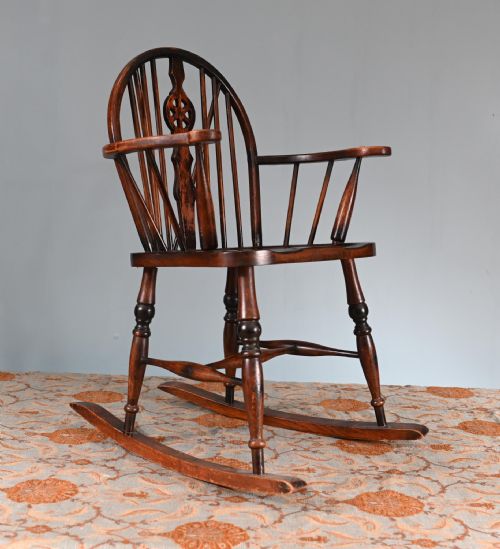
A brown wooden rocking chair spans several centuries of domestic seating, ranging from rustic country examples to formal parlour armchairs. When searching this phrase, a buyer encounters everything from robust farmhouse Windsors to delicate occasional chairs.
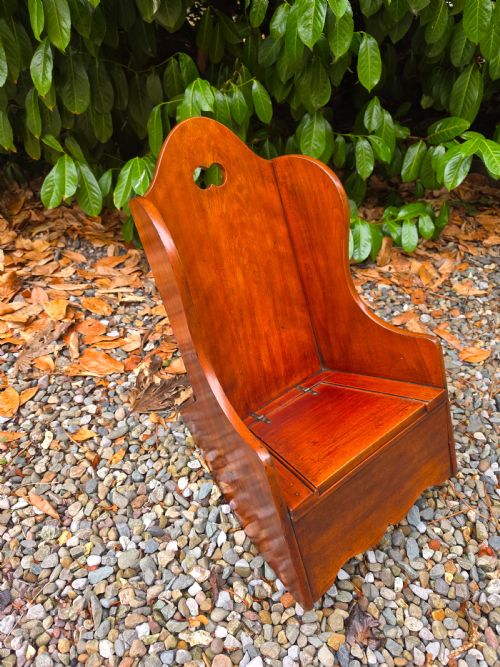
The most common examples on this page date from the Victorian and Edwardian eras, utilising traditional timbers like elm, beech, and mahogany. These pieces vary widely in scale, including child's versions, nursing chairs, and full-sized fireside seats.
Regional British traditions strongly influence these designs, particularly through English country forms and vernacular styles. Makers utilised local hardwoods to construct durable frames intended for daily household use.
Materials and Construction Techniques
Makers built these frames using a combination of native hardwoods such as elm, ash, beech, and oak, often pairing flexible woods for spindles with sturdy timbers for seats. Mahogany and fruitwood appear in more refined iterations.
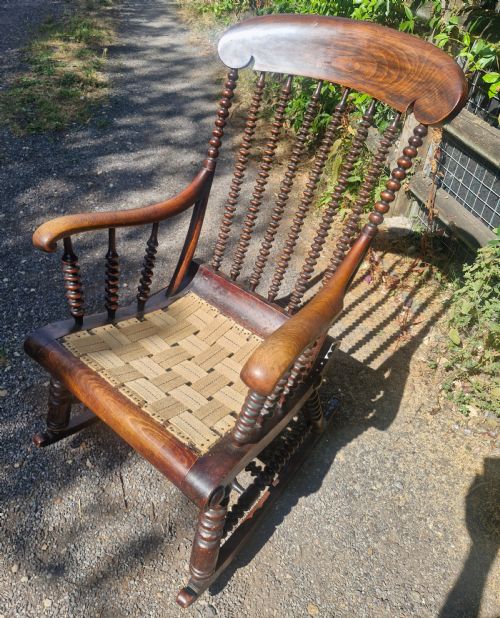
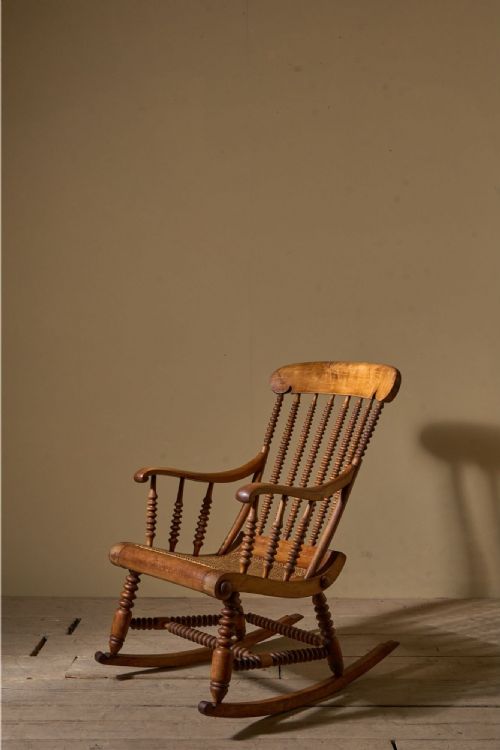
Joinery relied on traditional methods including turned bobbin framing, spindle backs, and comb-back constructions fitted into solid wooden seats. Caned panels and leather upholstery also provided flexible seating surfaces within the wooden frameworks.
Brown Wooden Rocking Chair Retail Price Guide 2026
Typical asking prices for brown wooden rocking chair among the pieces listed under this phrase on Sellingantiques today, from the lower quarter to the upper quarter. They describe what is for sale here now, not the wider market.
Assessing Quality and Character
Quality rests in the integrity of the timber selection and the precision of the turned components, such as balanced spindle work and sturdy arm supports. Superior examples retain their original rich patination and structural soundness across the rocker rails.
Refined pieces display careful details like mahogany inlay or bentwood framing, whereas vernacular chairs show robust utilitarian construction. The harmony between the original wooden seat and the curved rockers dictates the overall proportion and seating balance.
Thonet
The Brown Wooden Rocking Chair Glossary
- Windsor
- A chair built with a solid wooden seat into which the legs and back spindles are directly inserted. This construction provides robust strength and enduring stability.
- Bobbin turned
- Furniture legs and stretchers shaped on a lathe to resemble a series of rounded wooden beads or bobbins. This decorative turning technique is common on nineteenth-century vernacular pieces.
- Comb-back
- A Windsor chair variation where the vertical spindles extend upward to support a top rail resembling the teeth of a comb. This style offers pronounced back support.
- Spindle back
- A chair back filled with numerous thin, turned wooden rods rather than a solid wooden splat. These slender members distribute weight evenly.
- Vernacular
- Objects designed by local craftspeople using regional traditions and materials rather than following high-style academic architectural patterns. These pieces reflect practical domestic needs.
Brown Wooden Rocking Chair: Frequently Asked Questions
How do I date a wooden rocking chair?
Dating relies on observing construction marks, timber types, and stylistic indicators such as turned bobbin framing or inlaid mahogany. Earlier pieces often display vernacular hand-tooling, while late nineteenth-century examples incorporate factory-turned components.
Examining the wear patterns on the rocker rails and the method of joining the seat to the base also helps establish the period of manufacture.
Were rocking chairs used in bedrooms?
Many smaller rocking chairs, particularly nursing chairs, were specifically designed for bedrooms and nurseries. Their low seats and compact arms allowed mothers to feed and tend to infants with ease.
Larger armchairs typically stayed by the fireside in living spaces, serving as comfortable seats for general household relaxation.
How do I care for antique wooden rockers?
Maintaining these pieces involves keeping them away from direct heat sources and drastic humidity changes to prevent the wood from drying or splitting. Regular dusting with a soft cloth preserves the historic surface finish.
Applying a traditional beeswax polish occasionally helps nourish the hardwood without building up heavy chemical layers.