
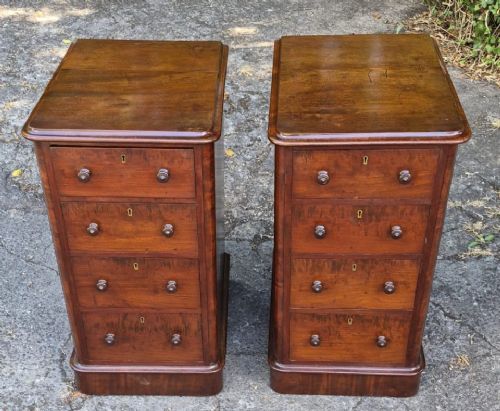
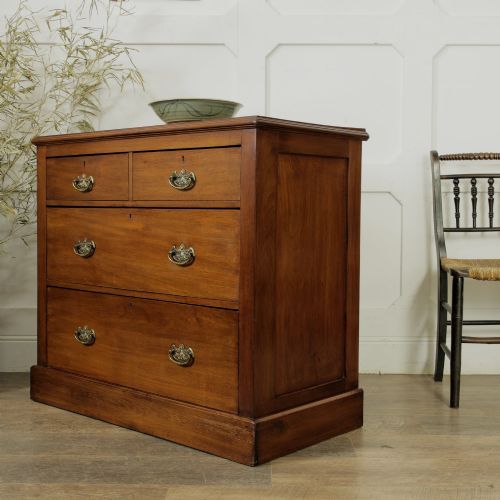
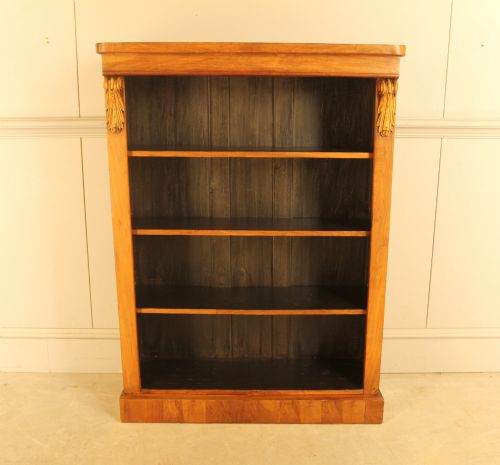
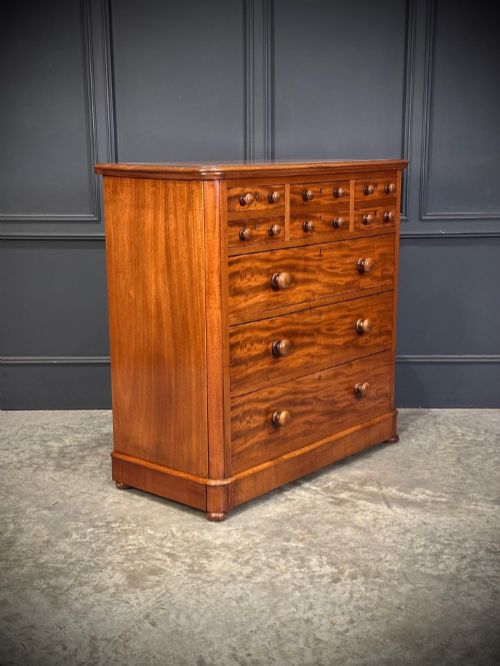
Brown Wooden Plinth
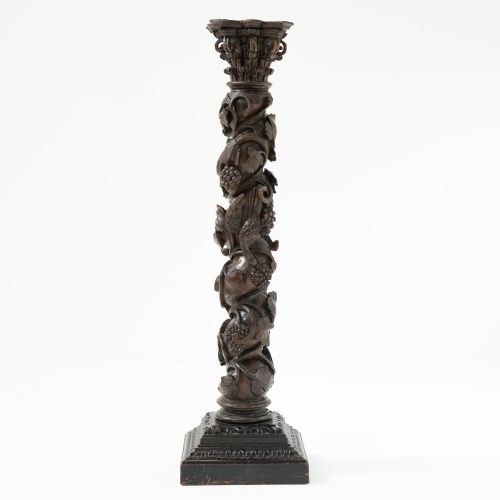
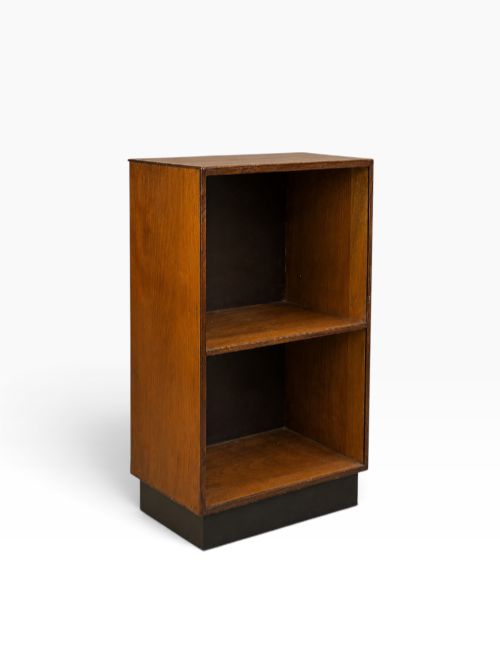
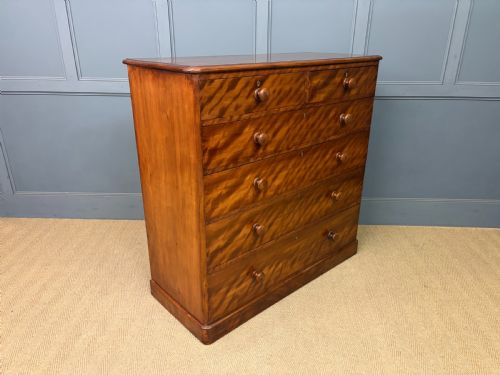
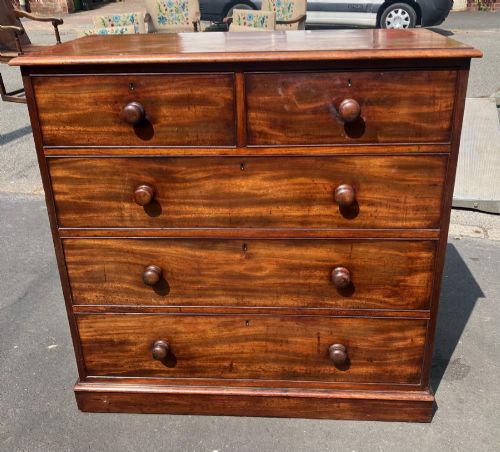
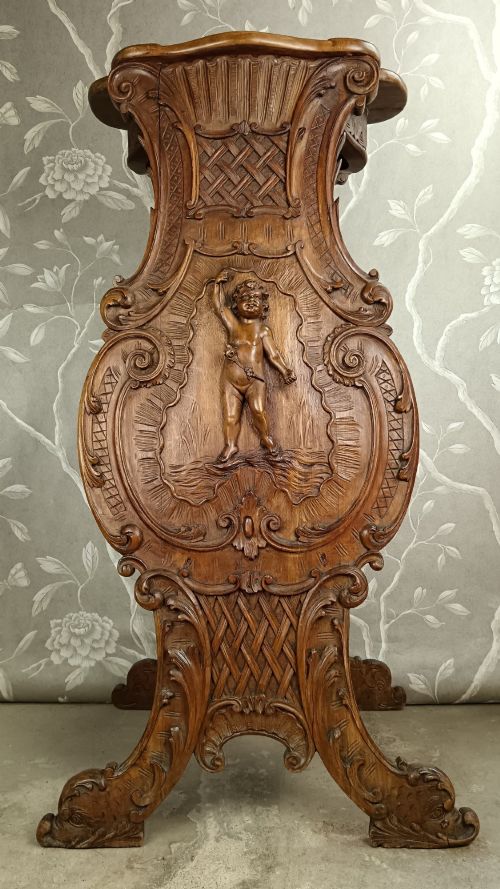
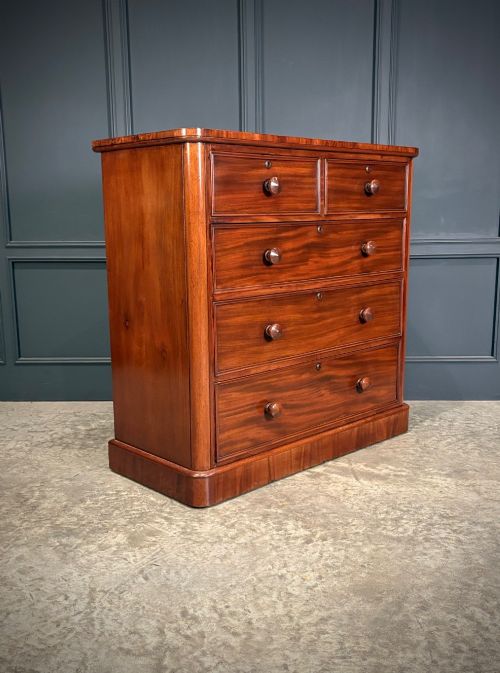
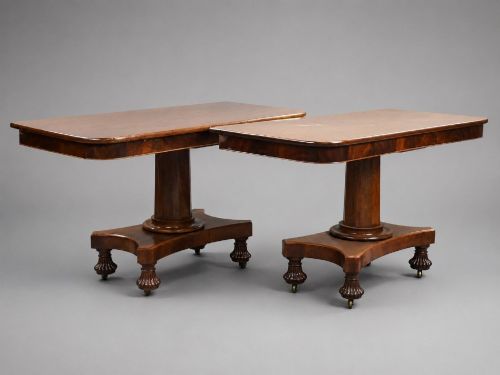
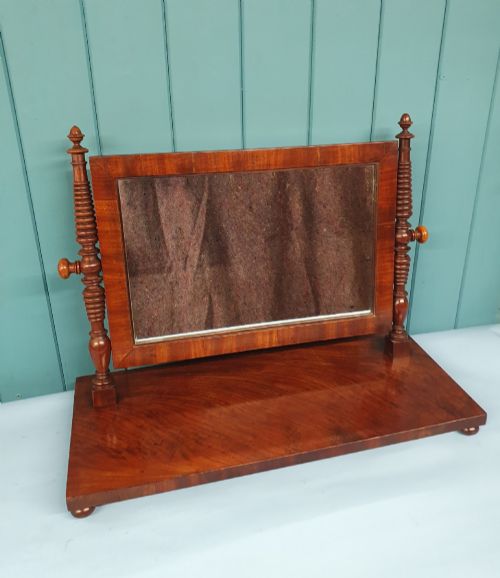
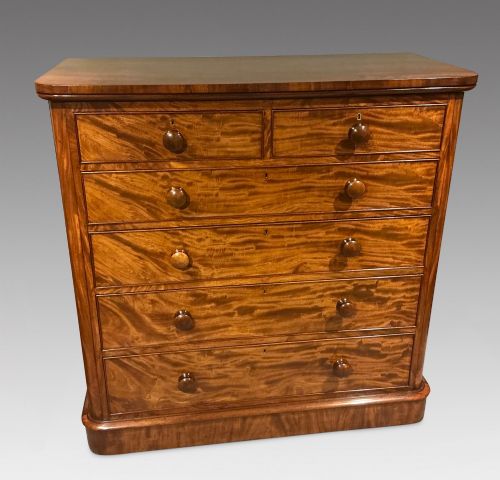
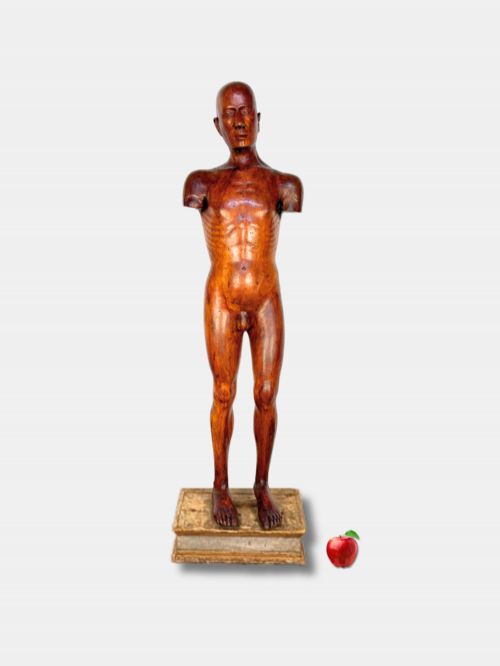
These brown wooden plinth pieces range from carved oak columns to figured walnut display stands, serving to elevate sculpture and display objects with classical poise.
Brown Wooden Plinth
When you search for a brown wooden plinth, you encounter architectural columns, display stands, and column pedestals dating from the eighteenth century through the Victorian era. These timber supports raise sculptures, models, and ornaments to eye level, functioning as sculptural furniture in their own right.
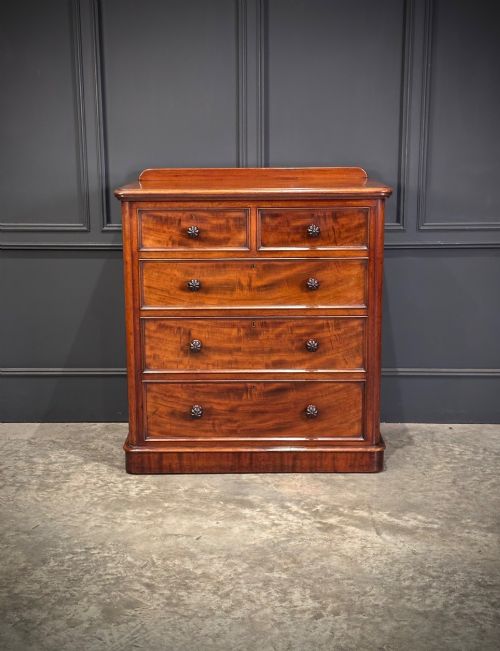
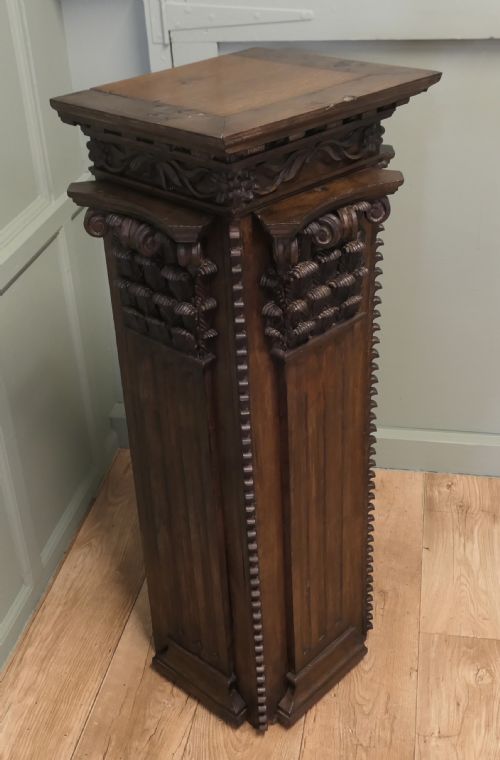
The versions most commonly met on this page are nineteenth century mahogany and oak pedestals, often shaped with square or hexagonal tops and robust column shafts. They emerge alongside related pedestal forms such as cabinets, desks, and carved display columns.
How they were made
Cabinet makers constructed these supports primarily in mahogany, oak, walnut, and pine, frequently selecting flame mahogany veneer or figured walnut to accentuate the grain. These timbers were joined using traditional methods suited to weight-bearing columns and display cabinets.
Carving and turning define the technique, with craftsmen producing spiral pillars, Solomonic twist columns, and detailed capitals by hand. Surfaces were polished to bring out the natural warmth and depth of the wood.
Some examples incorporate secondary materials like brass mounts or glass elements, while others utilise grain painting or faux marble finishes to emulate rarer stones and exotic timbers.
One nineteenth century example arrives complete with a taxidermy heron perched nearby.
What varies in quality
The distinction between ordinary utility supports and finer examples rests upon the selection of timber and the depth of the carving. Figured walnut and flame mahogany veneer demand superior stock selection and meticulous application by the maker.
Structural integrity and proportion determine architectural success, as true display plinths must distribute weight evenly while maintaining slender elegance. Hand-carved details such as capitals, fluting, and figural reliefs separate mass-produced carpentry from accomplished workshop production.
Heal And Son·Deighton And Dunthorne
The Brown Wooden Plinth Glossary
- Solomonic pedestal column
- A spiralling shaft that turns in a helical twist, seen on seventeenth and eighteenth century furniture inspired by classical architecture.
- Flame mahogany veneer
- A decorative wood slicing displaying a distinctive flickering flame pattern, prized by cabinet makers for cabinet fronts and display surfaces.
- Gothic Revival
- A nineteenth century style drawing on medieval ecclesiastical architecture, characterised by pointed arches, heavy moulding, and carved tracery.
- Pedestal
- An architectural support or base for a column, statue, or urn, elevated to display sculptural works.
- Satinwood
- A hard, yellowish timber native to India and Sri Lanka, utilised in fine nineteenth century marquetry and veneer work.
Brown Wooden Plinth: Frequently Asked Questions
What were brown wooden plinths originally used for?
These supports served primarily to elevate decorative sculptures, bronze figures, and botanical specimens within nineteenth century drawing rooms and halls.
By raising the object, makers ensured the display caught optimal light and commanded attention within the interior scheme.
How do I date a wooden pedestal column?
Dating relies upon timber selection, turning style, and structural joinery observed in the column shaft and base. Earlier eighteenth century examples often display heavy carved oak, whilst Victorian iterations favour mahogany and walnut with revival motifs.
Examining the underside and interior construction reveals the hand-tool marks and assembly methods characteristic of specific decades.
Can these plinths support heavy sculptures?
Most column pedestals and architectural plinths were engineered specifically to bear substantial weight from marble, bronze, or wood figures. Their solid timber bases and internal bracing provide the necessary stability for heavy display pieces.
Checking the flat top surface and base footprint ensures the weight distributes evenly across the floor.
How do I care for antique mahogany and walnut?
Maintenance requires avoiding direct sunlight and maintaining stable room humidity to prevent veneer lifting or timber splitting. Gentle dusting with a dry cloth preserves the polished surface without stripping the historic finish.
Occasional application of appropriate wax feeds the timber and protects the grain from drying out.