



Brown Wooden Organiser
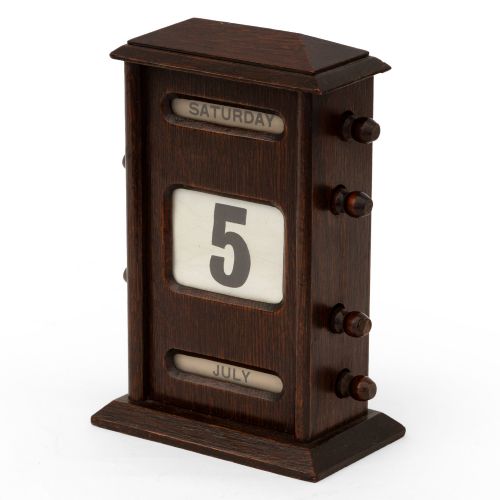
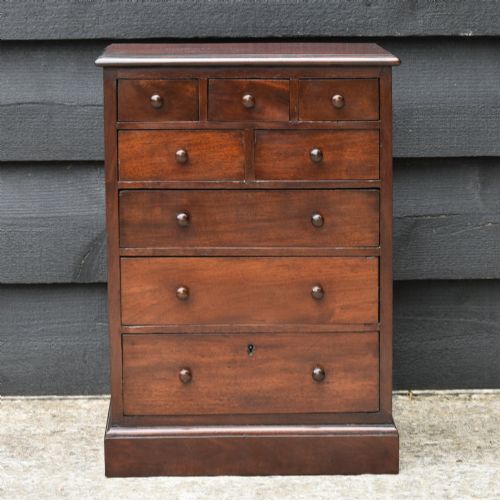
A brown wooden organiser gathers loose papers, correspondence and small daily objects into tidy wooden compartments for the desk or hallway.
Brown Wooden Organiser
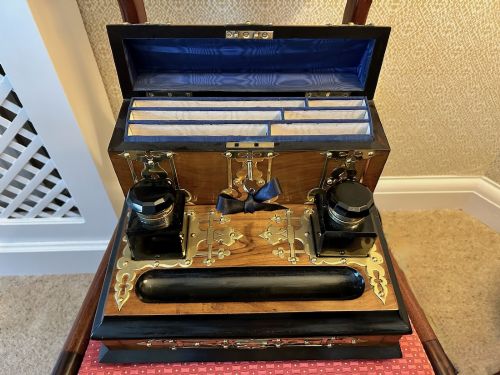
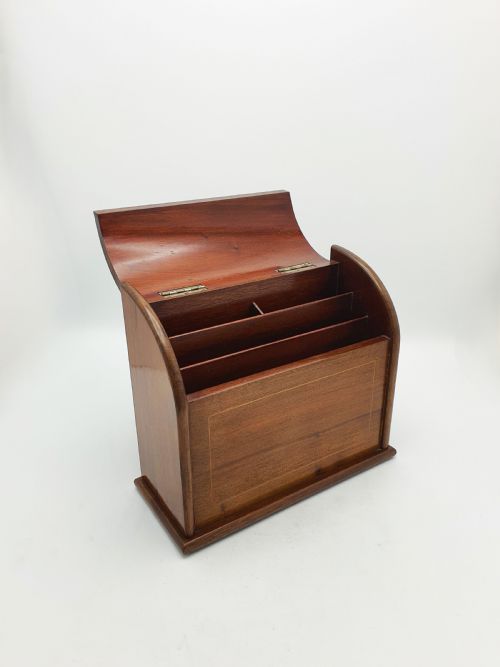
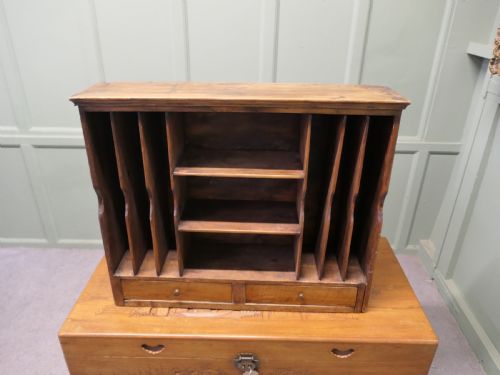
A brown wooden organiser serves as a catch-all term for desktop accessories, stationery cabinets, writing boxes, and filing pieces designed to sort correspondence and small objects. Pieces range from compact Victorian oak desk boxes and walnut inkstands to larger Edwardian stationery cabinets and Georgian sloped writing chests.
The selection here encompasses items from the eighteenth, nineteenth, and early twentieth centuries, spanning periods such as the Georgian, Victorian, Edwardian, and Regency eras. Buyers encounter everything from simple pine and oak document boxes to elaborately carved Black Forest inkstands and French Art Nouveau music cabinets.
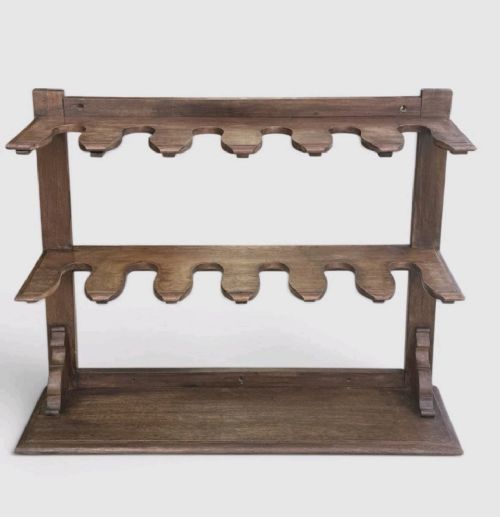
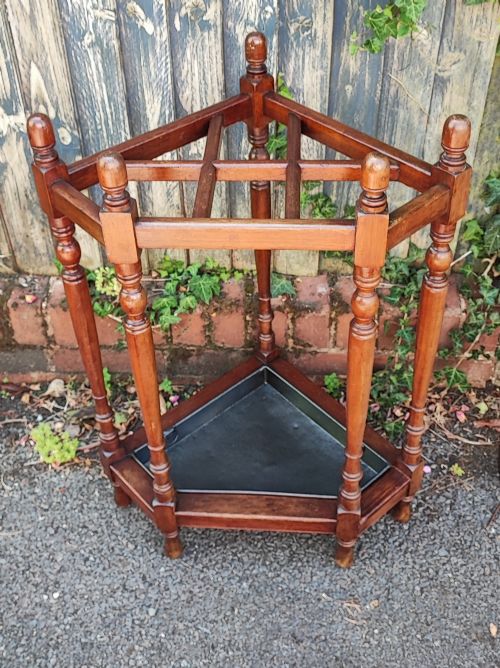
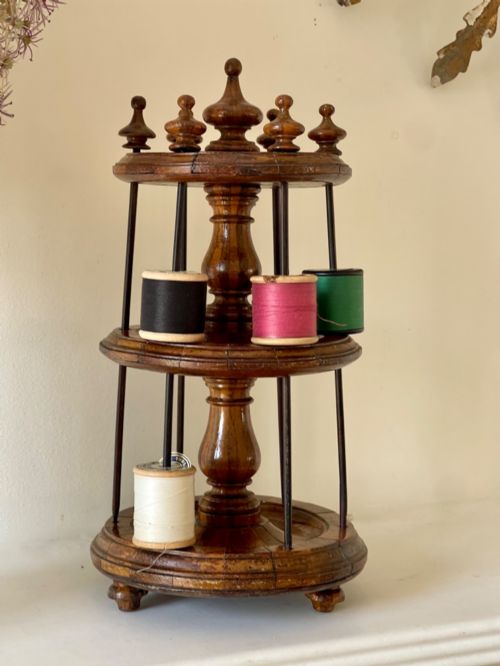
Functional items dominate the range, including book slides, boot racks, umbrella stands, coin trays, and cotton reel stands. Many pieces originate from English country houses, naval settings, or continental workshops, utilising domestic wood types alongside imported hardwoods.
Materials and Construction
Cabinet makers utilised a palette of timbers including mahogany, oak, walnut, rosewood, fruitwood, maple, and pine to build these organisers. Selected woods offered both structural stability for daily desk use and attractive grain patterns suited to visible domestic settings.
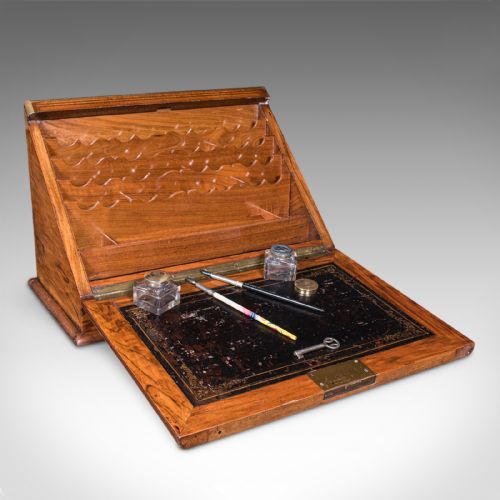
Metal mounts in brass alongside glass elements frequently reinforce corners, hinges, handles, and inkwells on boxes and cabinets. Carving, tambour fronts, inlaid details, and marquetry appear on finer stationery cases and Black Forest animal carvings.
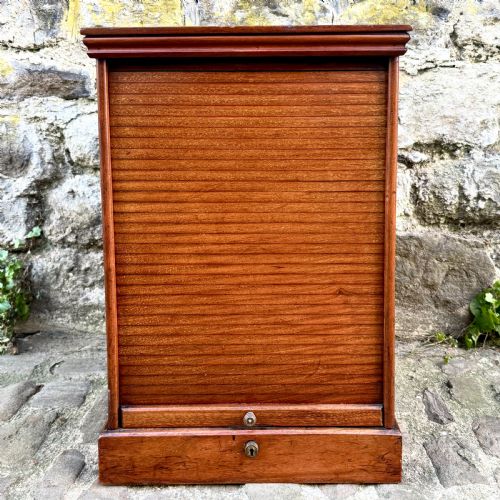
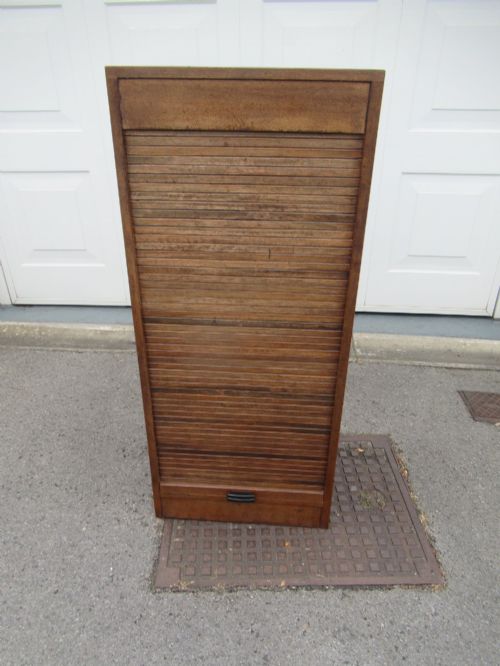
Joinery methods vary from dovetailed writing boxes and pinned oak frames to tambour slat assemblies on filing cabinets. Hinged lids, secret drawers, and drop-front stationery compartments incorporate practical mechanical elements designed for frequent opening.
A carved Black Forest wooden inkwell takes the literal form of a curious domestic cat watching over the ink.
Craftsmanship and Proportion
The standard of a brown wooden organiser depends on the precision of its joinery and the selection of timber figures, such as matched mahogany veneers or solid quarter-sawn oak. Superior pieces display crisp hand-carved details or fine marquetry and inlay work rather than plain machine cuts.
Hardware integration distinguishes finer examples, where brass hinges, locks, and handles sit flush into the wood with matching original screws. Fitted interiors with dedicated slots for pens, stamps, and letters retain their original partitions and operating mechanisms.
The Brown Wooden Organiser Glossary
- Stationery cabinet
- A desktop box featuring doors, drop fronts, or sloping lids designed to hold writing paper and envelopes.
- Book slide
- An extending wooden rack with sliding ends intended to keep a small selection of books upright on a desk or table.
- Inkstand
- A tray or stand holding one or more inkwells, often accompanied by pen troughs and sanders for writing materials.
- Tambour front
- A flexible shutter formed of narrow vertical wooden strips glued to a canvas backing, allowing doors to slide around a curved track.
- Tunbridge Ware
- Small wooden items decorated with precise mosaic patterns formed from thousands of tiny dyed wood prisms.
- Apprentice piece
- A miniature furniture item created by a trainee craftsman to demonstrate mastery of complex woodworking joints and proportions.
Brown Wooden Organiser: Frequently Asked Questions
What is a desk tidy used for?
A desk tidy holds small daily items like pens, stamps, coins, and paper clips in shallow compartments.
They sat upon nineteenth-century writing tables to keep surfaces clear of clutter during correspondence.
How do I date an oak stationery box?
Dating relies on construction methods, brass hardware styles, and decorative motifs like Edwardian marquetry or Victorian carving.
Earlier Georgian pieces utilise simple dovetails and solid timber boards, whereas later Victorian examples often feature applied mouldings.
What is the difference between a writing box and a stationery case?
A writing box opens to form a sloped writing surface with internal storage for ink and paper.
A stationery case remains upright on the desk to store letters, envelopes, and cards in fixed vertical partitions.
Can these organisers be used on modern desks?
These pieces fit contemporary workspaces by holding modern mail, notebooks, and small electronics.
Their compact footprints suit modern surfaces while offering enclosed storage for loose clutter.