



Brown Wooden Magazine Stand
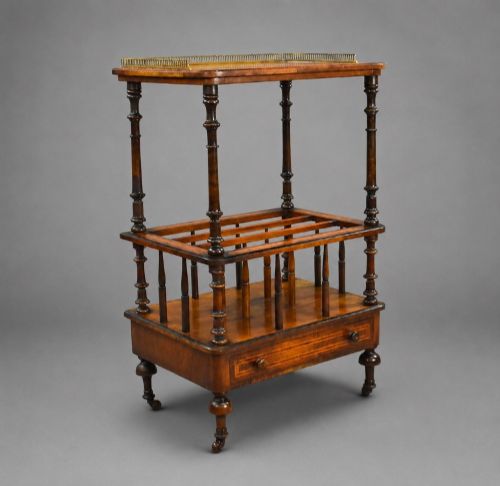
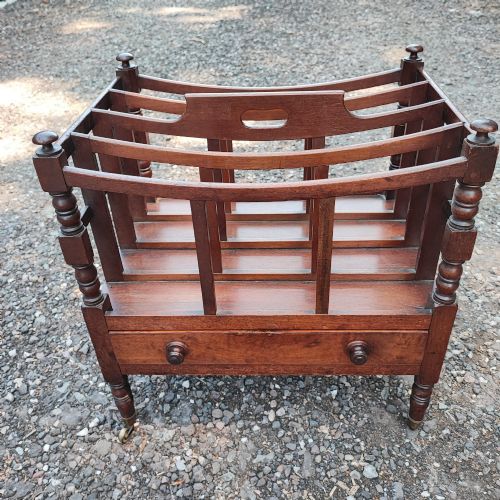
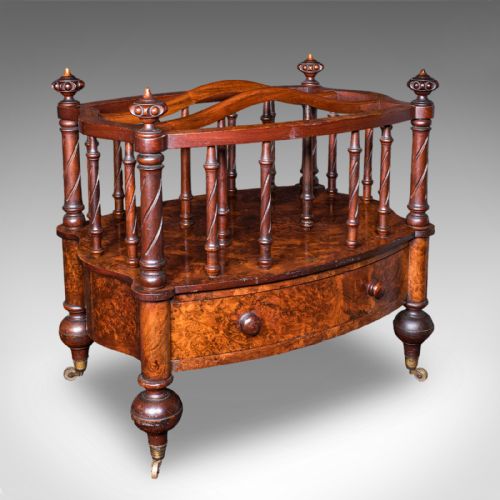
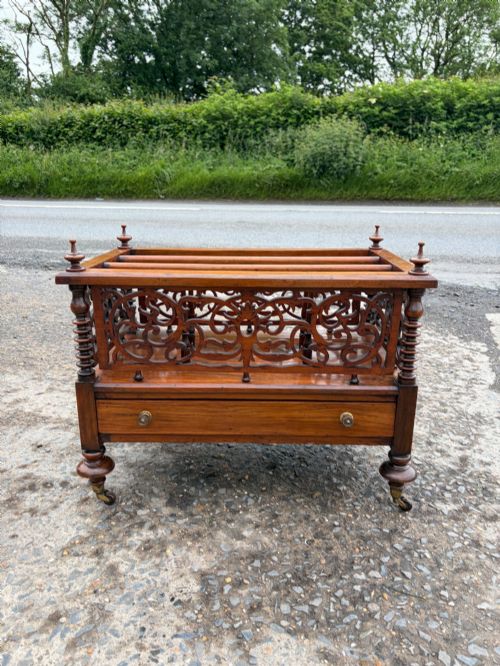
A brown wooden magazine stand gathers periodicals and folios in timber ranging from deep mahogany to figured walnut.
Brown Wooden Magazine Stand
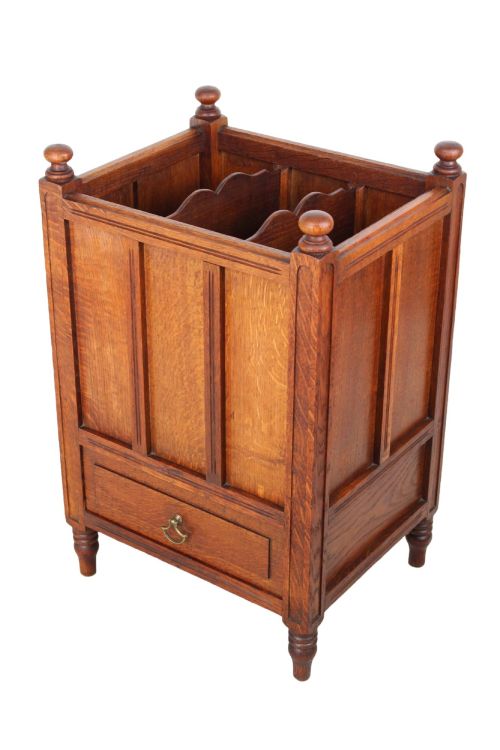
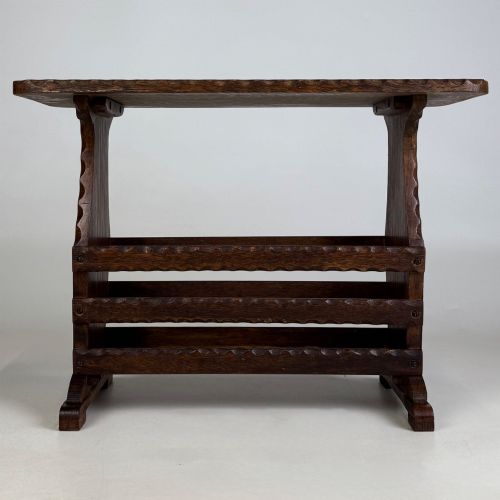
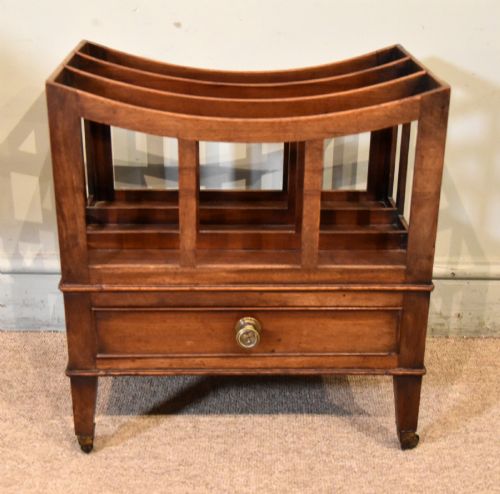
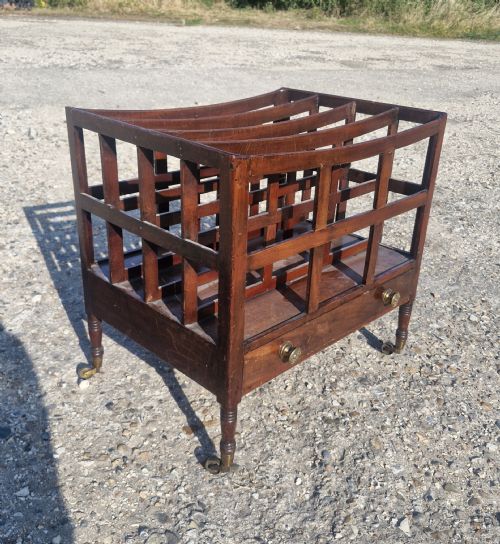
A brown wooden magazine stand covers a variety of traditional storage pieces designed for newspapers, sheets of music, and journals. When searching for a brown wooden magazine stand, buyers frequently encounter the classic Canterbury, alongside open book troughs, folio stands, and music cabinets from the Georgian, Regency, Victorian, and Edwardian eras.
The assortment spans formal drawing-room pieces in rosewood and burr walnut with fine inlay, as well as sturdy country house items in oak and fruitwood. Many examples serve multiple functions, combining compartments for periodicals with lower drawers or shelves for books.
Materials and construction
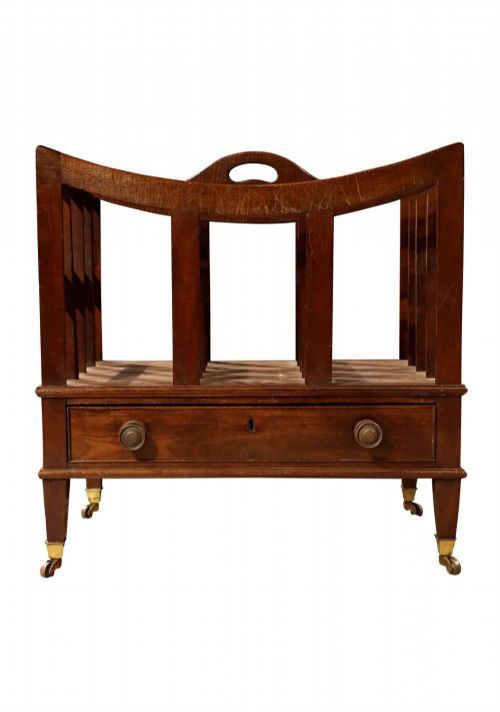
Cabinetmakers utilised rich cabinet timbers such as mahogany, walnut, burr walnut, rosewood, teak, satinwood, and oak, often highlighting the natural grain with polished finishes. Brass details appear on castors, carrying handles, and delicate fretwork dividers.
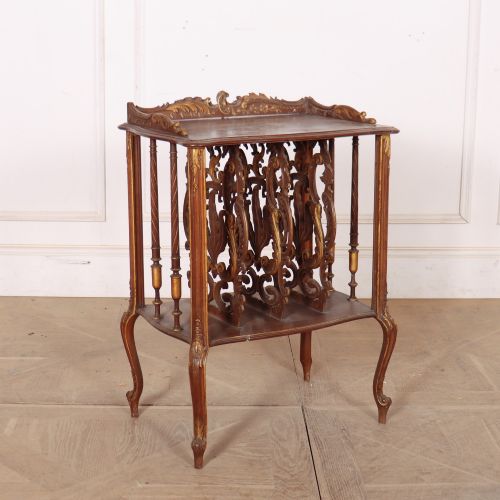
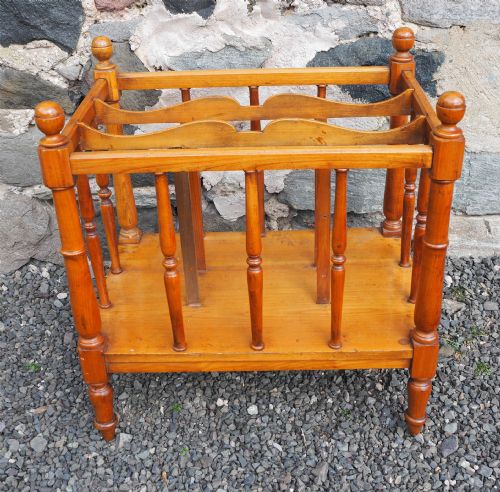
Joinery techniques include pegged joints, dovetailing on drawers, and turned spindle supports. Finer pieces feature decorative inlay, ebony banding, and carved details such as French Rococo Revival motifs.
Some stands travelled from colonial clubs in Burma to English country houses before finding their way here.
Judging quality
Quality rests in the selection of timber, where highly figured burr walnut, dense mahogany, and rich rosewood elevate a piece above standard utility items. The crispness of carved details, finely turned spindles, and disciplined inlay work distinguish superior workshop production.
Structural integrity also dictates worth, seen in robust slatted dividers that bear the weight of heavy folios without strain. Original brass castors and fittings rather than later replacements preserve the historical integrity of the stand.
Howard and Sons of London
The Brown Wooden Magazine Stand Glossary
- Canterbury
- A low, freestanding stand with slatted or partitioned sections designed for holding music sheets, newspapers, and magazines. It often incorporates a single drawer at the base.
- Folio stand
- A piece designed to hold large books, maps, or unbound sheets flat or upright. They appear in robust timber forms suitable for libraries and studies.
- Whatnot
- A set of open shelves supported by pillars, sometimes combined with a Canterbury base to store reading material below display space.
- Book trough
- An open-topped sloping shelf unit designed to hold books within arm's reach by a fireside or desk.
- Inlay
- A decorative technique where contrasting woods or materials are set into the surface of the primary timber to form patterns.
Brown Wooden Magazine Stand: Frequently Asked Questions
What is a Canterbury?
A Canterbury is a traditional stand featuring upright partitions designed specifically to hold sheets of music, newspapers, and periodicals.
Originally developed in the eighteenth century, these pieces evolved into essential items for nineteenth-century drawing rooms and libraries.
How were magazine stands used?
These stands kept current newspapers, journals, and music scores organised and accessible beside seating areas in parlours and studies.
Larger folio stands accommodated oversized books and maps, while models with drawers provided storage for smaller writing accessories.
Which woods are most common?
Mahogany and walnut dominate the selection, appearing across Georgian, Regency, and Victorian examples in both plain and highly figured forms.
Other pieces utilise oak, rosewood, satinwood, fruitwood, and teak to suit the prevailing interior styles of their respective periods.
How do I date a stand?
Stylistic indicators such as Regency boat shapes, Georgian proportions, or Edwardian inlaid satinwood motifs help establish the period.
Construction methods, timber choices, and hardware details like brass castors further assist in narrowing the decade of manufacture.