

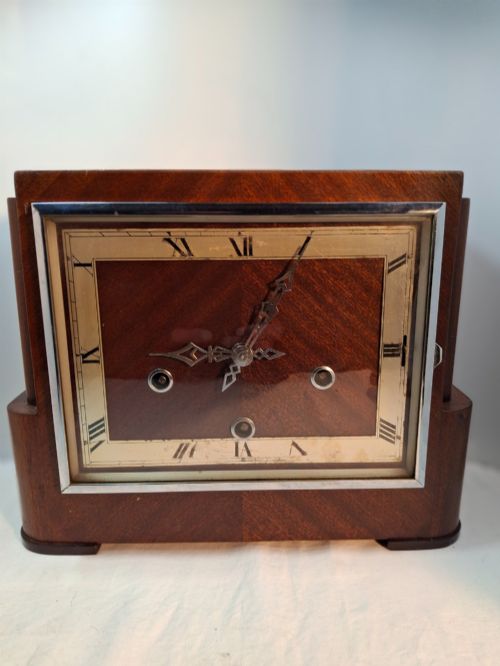
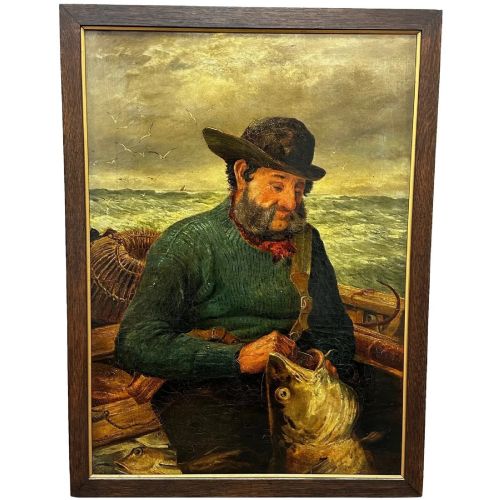
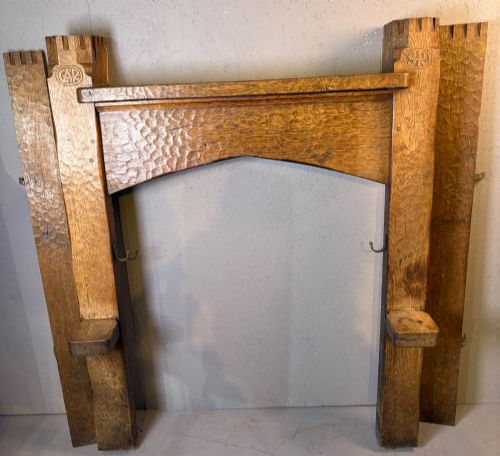
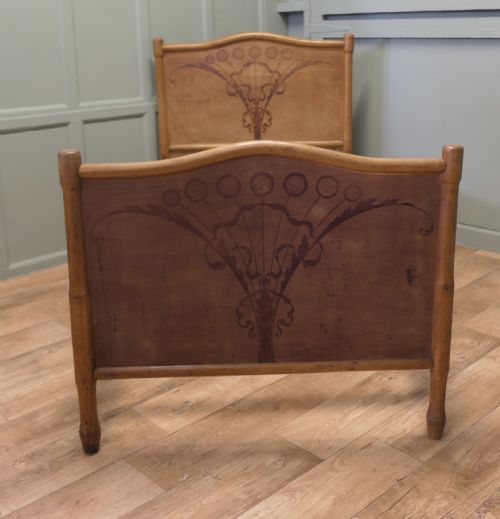



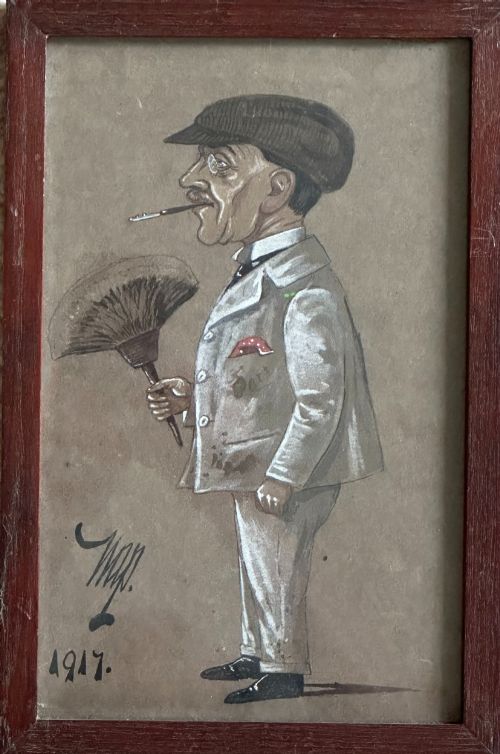
Brown Wooden Frame Art
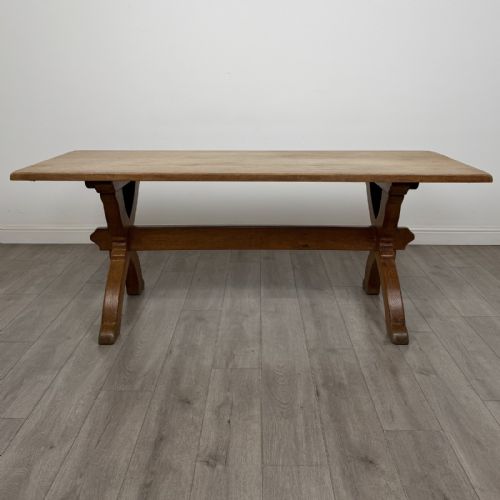
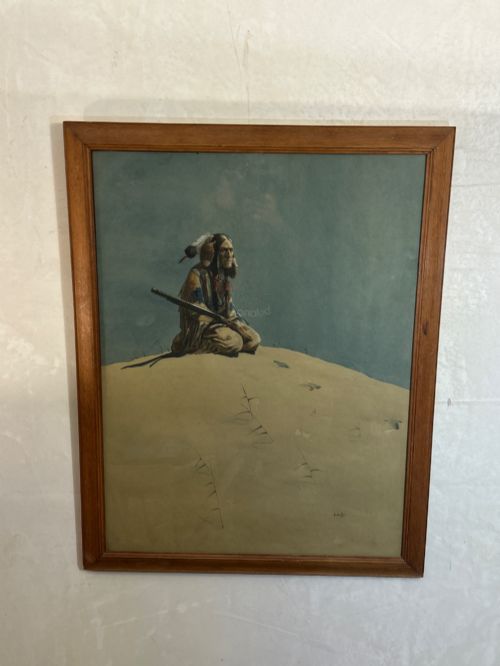
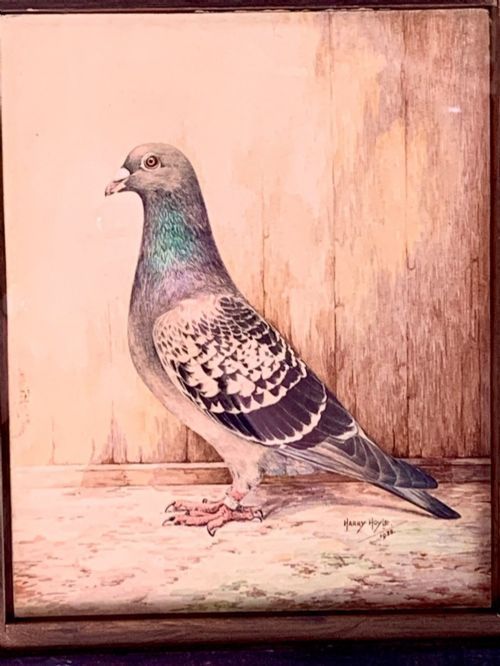
Brown wooden frame art brings together framed paintings, mirrors and panels held within timber surrounds across multiple centuries.
Brown Wooden Frame Art
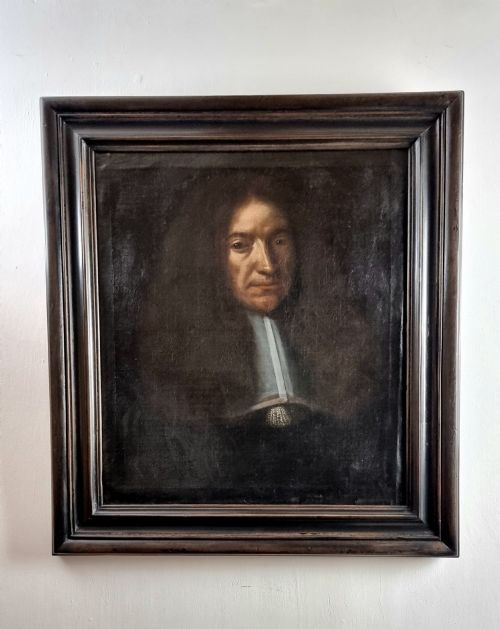
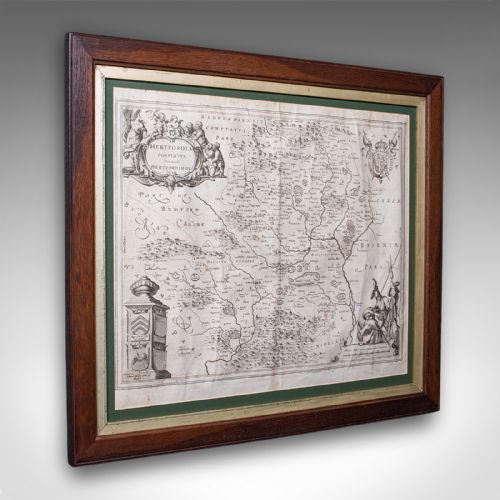
Brown wooden frame art encompasses framed paintings, watercolours, maps, panels and mirrors produced across various historical periods, including the seventeenth, eighteenth, nineteenth and twentieth centuries. When searching for brown wooden frame art, buyers encounter diverse forms ranging from oil paintings on canvas and pine panels to framed watercolours, gouache works and decorative mirrors.
The selection reflects multiple aesthetic movements such as Victorian, Edwardian, Art Deco, Arts and Crafts, Gothic Revival, Georgian, Mughal and Vienna Secession. Pieces utilise traditional materials including oak, fruitwood, walnut, sweet chestnut and glass, often paired with paper, canvas or board.
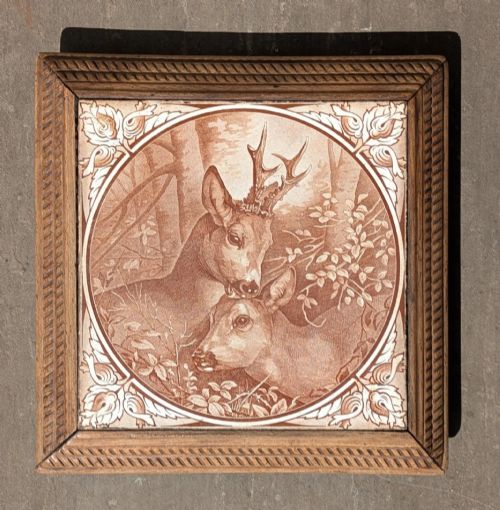
Originating from British, French, Dutch and global workshops, these works showcase subjects from portraits and landscapes to architectural maps and wildlife. The timber surrounds serve both structural and decorative roles, framing works executed in oil paint, watercolour, ink and print.
Materials and construction methods
Makers constructed these frames and mounted artworks using solid timbers such as oak, walnut, fruitwood and sweet chestnut, shaped and joined to protect and display the pieces within. Glazing often protects works on paper, watercolours and gouache, whilst oil paintings are executed directly on canvas, pine panels or vinyl canvas.
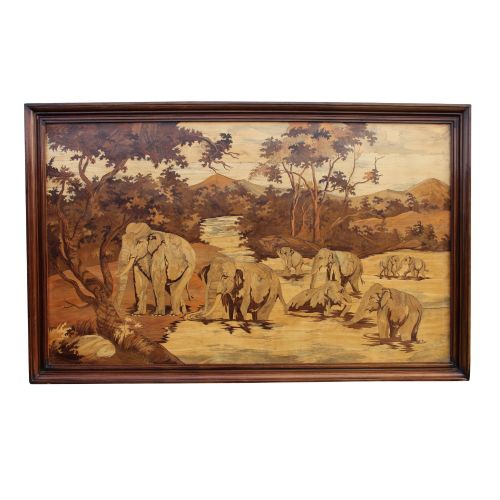
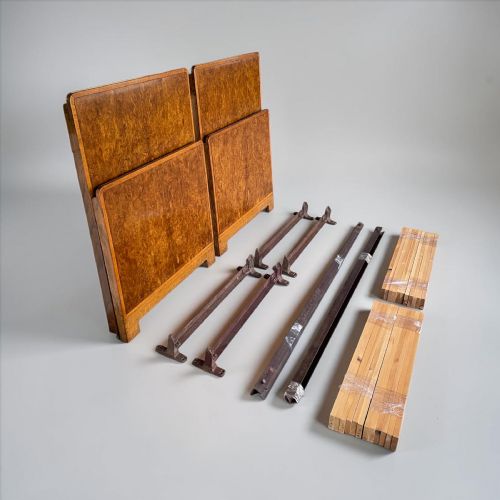
Carpenters and artisans employed traditional woodworking techniques, incorporating carved details, marquetry panels, fretwork and panelled structures for both the frames and the supporting furniture or surrounds. Pigments including oil paint, watercolours and gouache were applied to paper, canvas, board and pine panels by artists across different periods.
Brown Wooden Frame Art Retail Price Guide 2026
Typical asking prices for brown wooden frame art among the pieces listed under this phrase on Sellingantiques today, from the lower quarter to the upper quarter. They describe what is for sale here now, not the wider market.
Listings feature works spanning the 17th century through the mid-20th century, utilising oak, walnut, fruitwood, glass and canvas.
Assessing quality in framing and artwork
Quality separates pieces through the skill of the execution in both the artwork and the surrounding timber frame, distinguishing workshop production from standard output. The integrity of the wood joinery, the depth of carving and the preservation of the original surface finish dictate the standing of the timber frame.
Artistic execution shows in the handling of oil paint, watercolour or ink washes, where proportion, detail and composition elevate specific portraits, landscapes and maps above simpler decorative items. Original glass, authentic period mounts and untouched backing materials contribute further to the standing of the piece.
Jacob and Joseph Kohn·Stanley Webb Davies·Oliver Morel·John Hassall·Horatio Henry Couldrey·David Roberts·Louis Haghe·Gustave De Bréanski·John Rattenbury Skeaping
The Brown Wooden Frame Art Glossary
- Chromolithograph
- A multicoloured print produced through a specific lithographic process using stone plates. This technique allowed for vibrant reproductions of artwork during the nineteenth century.
- Gouache
- An opaque water-based paint medium consisting of pigment, water and a binding agent such as gum. It produces a flat, matte colour finish often used in detailed portrait drawings and studies.
- Marquetry
- The art and craft of applying decorative pieces of veneer to a structure to form intricate designs. This technique appears on decorative wooden panels using various coloured timbers.
- Fretwork
- An ornamental design created with a fretsaw, producing openwork patterns in wood. This method appears on architectural clock cases and decorative wooden frames.
- Convex mirror
- A curved mirror reflecting a wider, distorted field of view, frequently called a witch's mirror. These mirrors are typically set into circular wooden or gilt frames.
Brown Wooden Frame Art: Frequently Asked Questions
How do I clean a wooden frame?
Dust the timber gently with a dry, soft cloth to remove surface particles without disturbing the finish.
Avoid applying liquid cleaners, waxes or silicone polishes directly to the wood or the artwork surface.
Are these artworks original pieces?
The selection includes original oil paintings, watercolours, drawings and period prints created across the seventeenth, eighteenth, nineteenth and twentieth centuries.
Each listing specifies the medium, whether painted on canvas, pine panel, paper or board.
Where should I hang these framed pieces?
Position framed artworks and mirrors on interior walls away from direct sunlight and excessive moisture to protect the timber and pigments.
Ensure wall fixings match the weight of the specific wooden frame and backing structure.
How can I tell the period of a frame?
Examine the timber species, joinery methods, tool marks on the reverse and the style of the carving or moulding.
Period pieces often display construction details and material ageing consistent with historical manufacturing practices.