
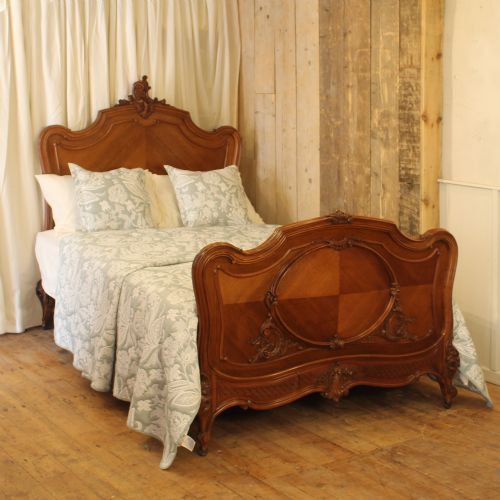
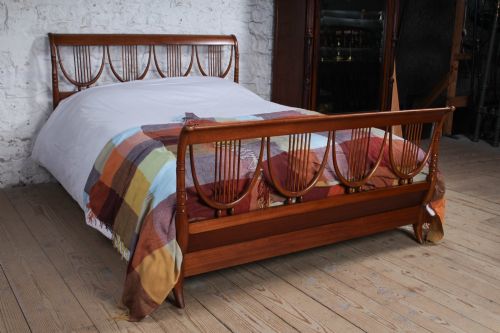
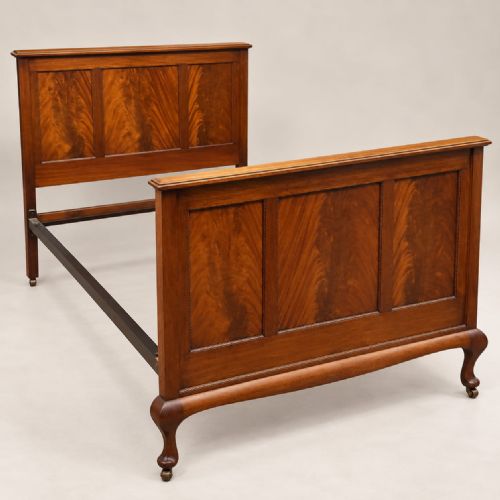


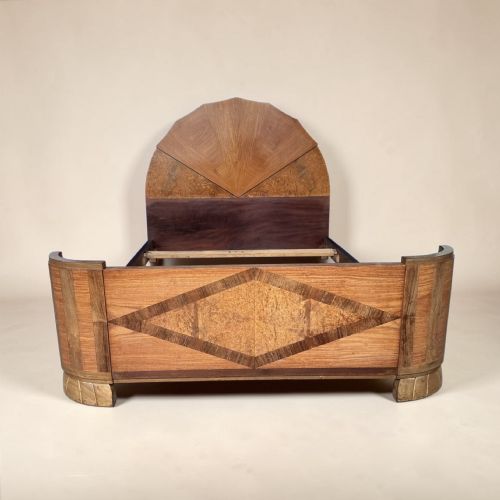
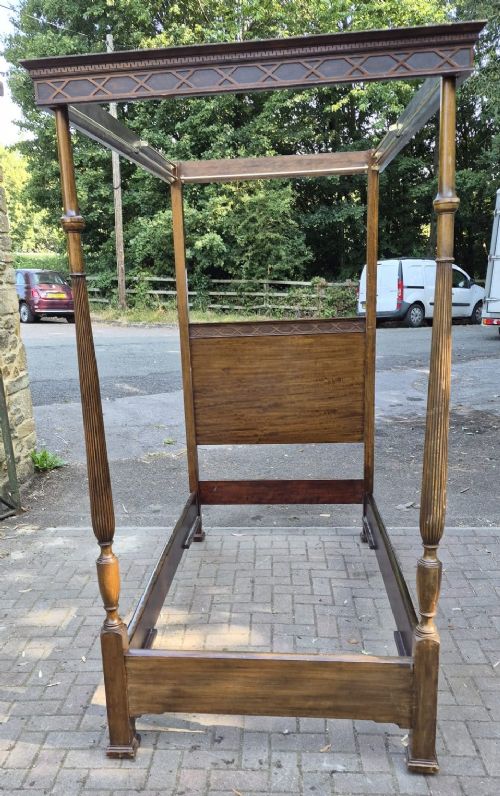
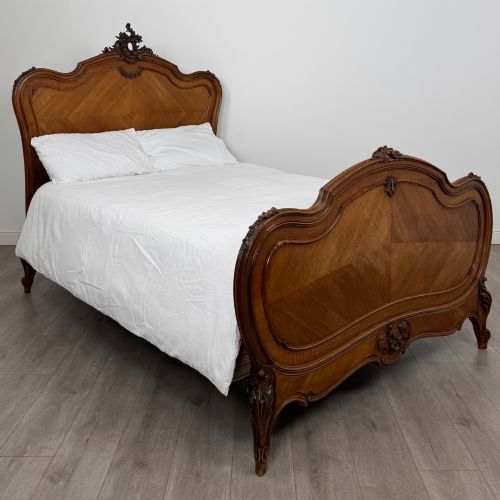
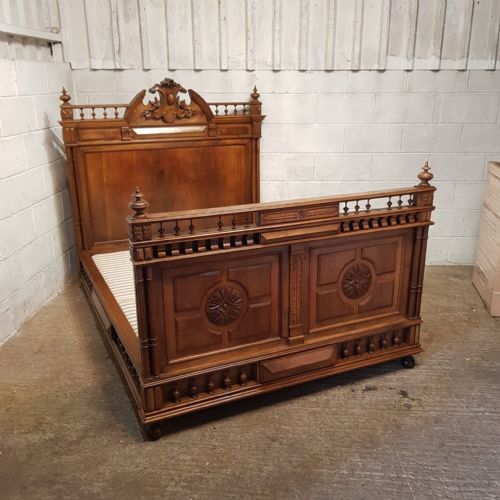


Brown Wooden Double Bed
A brown wooden double bed grounds a bedroom with genuine period character, offering solid timber construction and classic proportions.
Brown Wooden Double Bed
A brown wooden double bed encompasses sturdy frames built to accommodate two sleepers using traditional timbers. These pieces span centuries of craftsmanship, ranging from simple domestic frames to ornate continental designs.
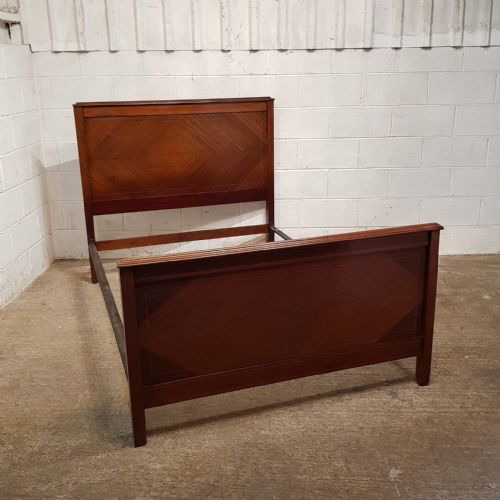
The selections available here lean heavily toward walnut and mahogany, appearing alongside oak and burr walnut. Buyers frequently encounter Edwardian and Art Deco iterations alongside nineteenth-century French and Victorian examples.
Makers utilised various formats including standard bedsteads, four-poster designs, and panelled headboards. Each piece reflects the aesthetic preferences of its decade, from clean geometric lines to elaborate carved ornamentation.
Materials and construction
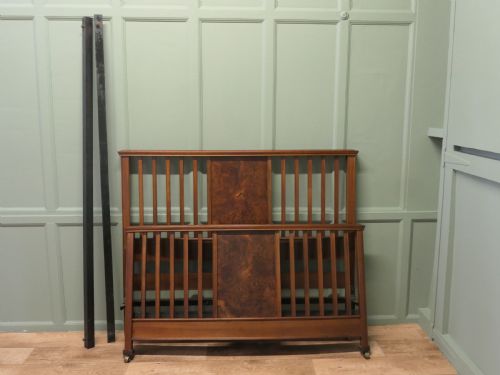
Cabinetmakers constructed these frames primarily using solid hardwoods such as mahogany, walnut, and oak. Many examples incorporate rich veneers like burr walnut or figured mahogany to display dramatic natural grain patterns across the headboards.
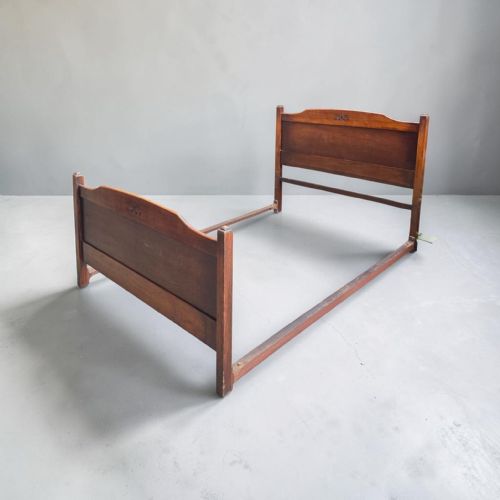
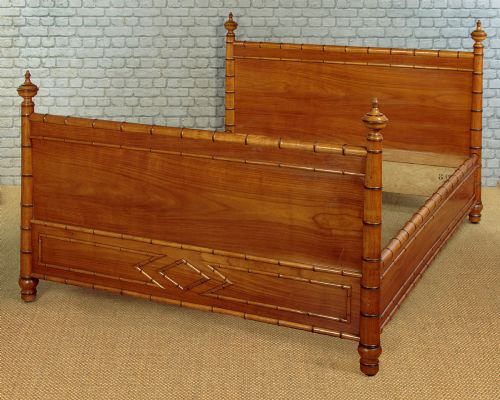
Structural integrity relied on traditional joinery methods combined with iron or brass fixings to secure the side rails to the head and foot boards. Details such as parcel gilding, marquetry, and turned columns added decorative depth to the timber surfaces.
Among the timbers recorded, plum pudding mahogany offers a delightfully speckled surface pattern.
What separates the grades
Quality rests in the selection of the timber and the depth of the carving. Highly figured walnut veneers and crisp, hand-carved mouldings elevate a piece far above standard utilitarian joinery.
The integrity of the original construction and the preservation of the surface finish dictate a bed's standing. Examples retaining their untouched polish and original structural hardware command greater appreciation among collectors.
Stanley Webb Davies·Harrods
The Brown Wooden Double Bed Glossary
- Bedstead
- A framework of wood or metal supporting a mattress and bedclothes. This term frequently appears in older listings to describe the complete wooden structure.
- Burr walnut
- A veneer taken from the warted growths on walnut trees, yielding intricate swirling grain patterns. It adds distinct visual movement to headboards and footboards.
- Marquetry
- The art of applying pieces of veneer to a structure to form decorative patterns and pictures. Craftsmen often utilised contrasting timbers to create floral or geometric designs.
- Four poster
- A bed with four vertical columns supporting a tester or canopy overhead. These grand timber structures date back centuries and provide a commanding focal point in large rooms.
- Ormolu
- Gilded bronze applications mounted onto furniture for decorative effect. French makers frequently employed this metalwork to accent rich walnut and mahogany frames.
Brown Wooden Double Bed: Frequently Asked Questions
How do I choose the right size?
Historic sizing differs from modern standard mattress dimensions, so verifying the internal rail measurements before purchase is essential.
Take note of whether the frame accommodates a standard double or requires a custom mattress width.
Are these beds easy to assemble?
Most period wooden beds use metal bed bolts or slot-in brackets to connect the side rails to the head and foot boards.
Having two people makes assembly straightforward, as the timber components are heavy and require careful handling.
How do I care for the wood?
Maintain the finish by applying quality beeswax periodically and avoiding placement near direct heat sources or strong sunlight.
Dust regularly with a soft, dry cloth to preserve the natural lustre of the walnut or mahogany.
Can modern mattresses fit these frames?
Many older frames accommodate contemporary mattresses, though slatted bases sometimes require minor adaptation for modern support.
Check the internal length and width specifications carefully to ensure your preferred mattress drops securely into place.