

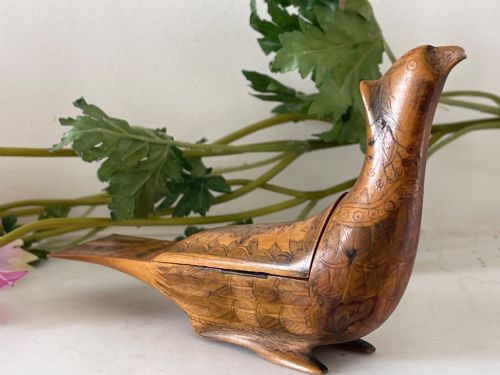
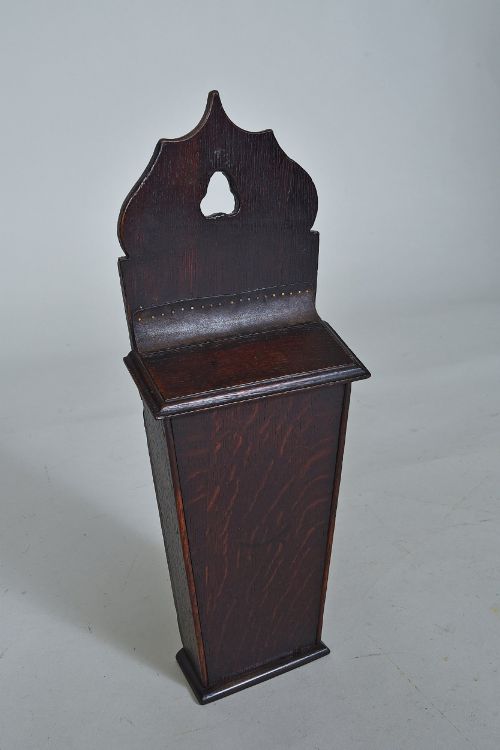
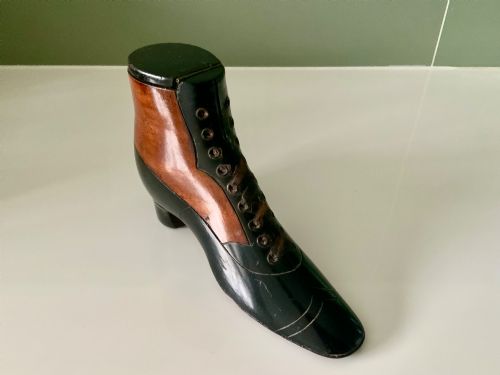
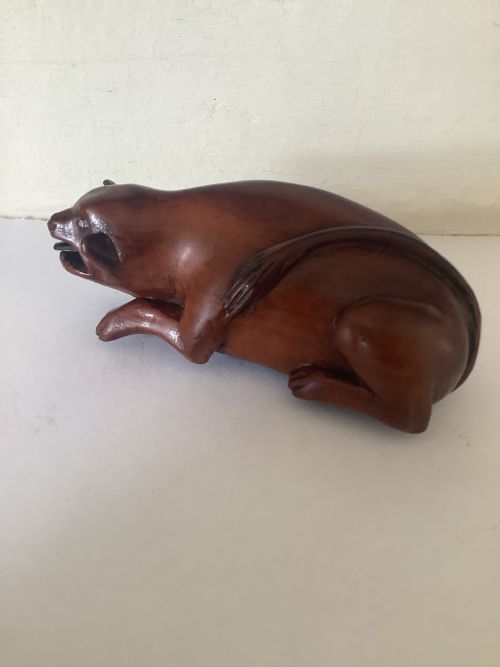
Brown Wooden Container
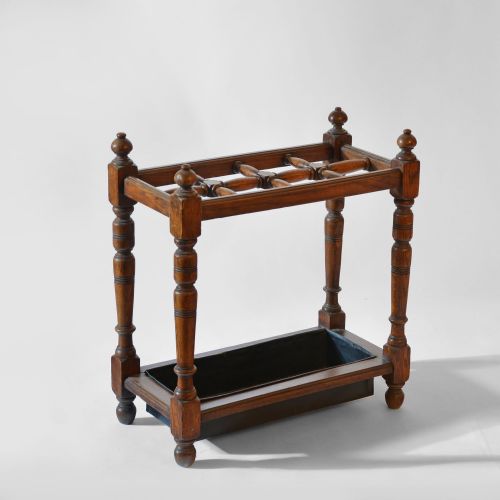
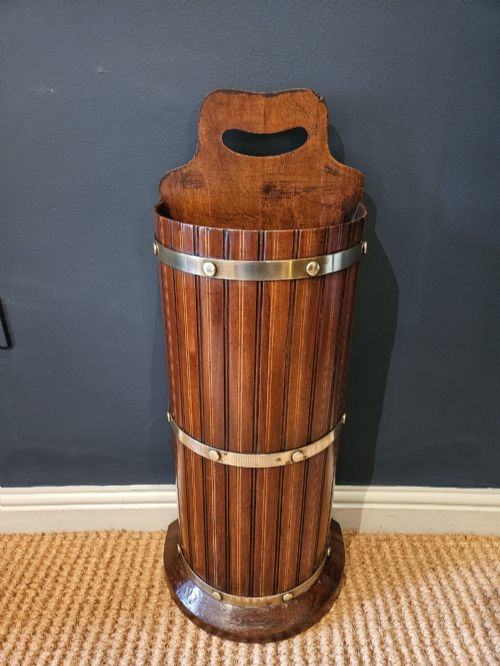
These brown wooden container examples range from Georgian tea caddies to Victorian umbrella stands, offering practical storage shaped by centuries of everyday use.
Brown Wooden Container
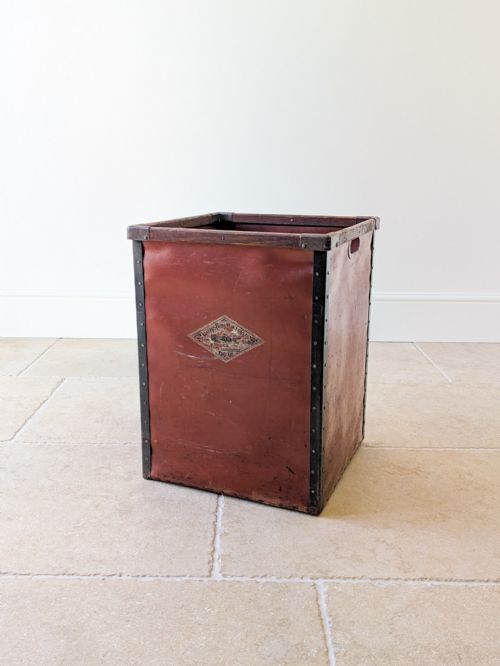
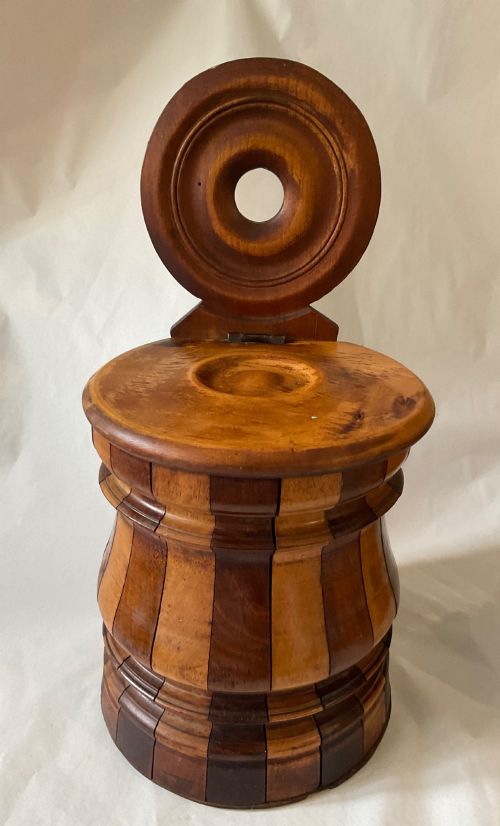
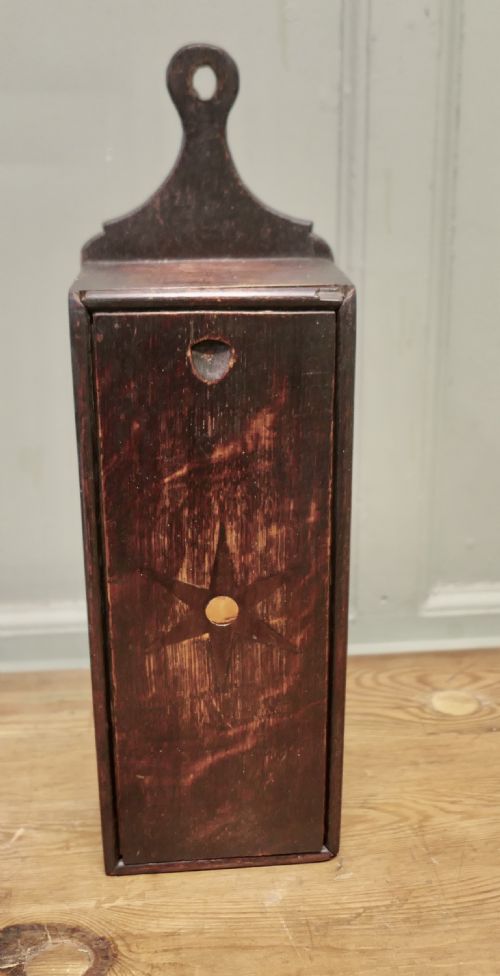
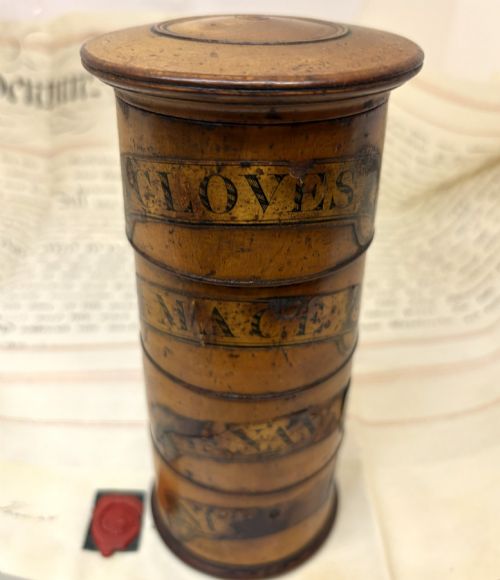
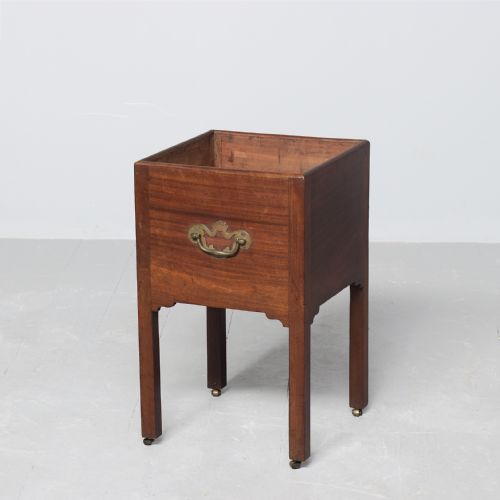
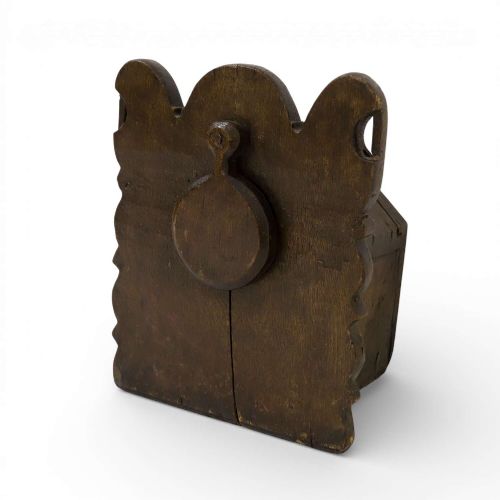
A brown wooden container on this page typically takes the form of a tea caddy, snuff box, spice tower, salt box, or umbrella stand. These functional vessels span the eighteenth, nineteenth, and early twentieth centuries, reflecting domestic habits from Georgian parlours to industrial mills.
The materials used across these items are primarily timber varieties such as oak, mahogany, walnut, boxwood, and elm, often combined with brass or iron hardware. Makers shaped these woods into everything from miniature table boxes to large floor-standing bins and buckets.
Materials and Technique
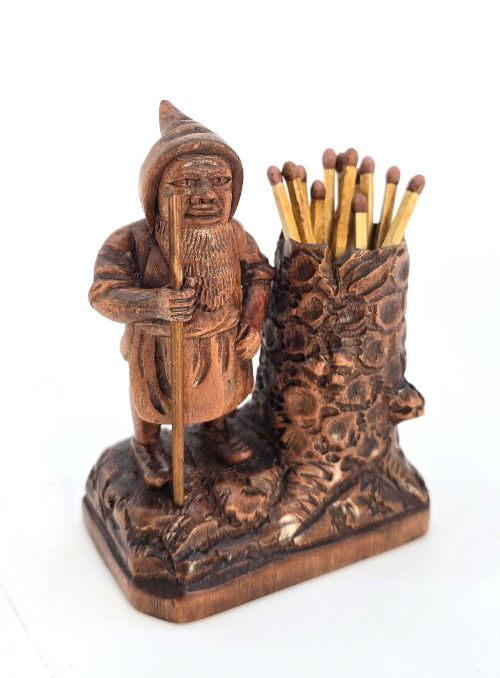
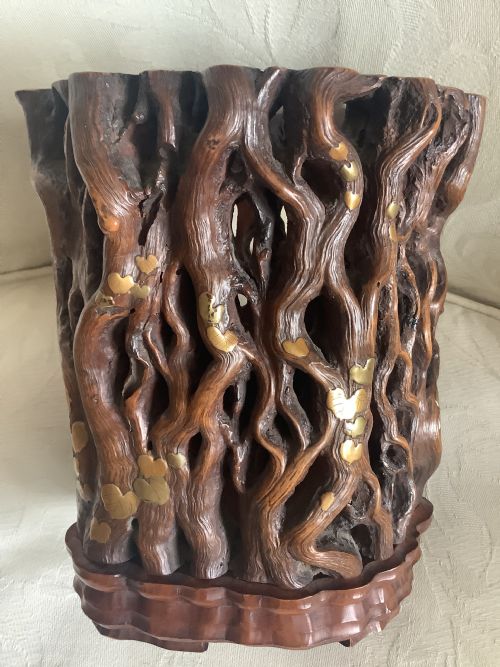
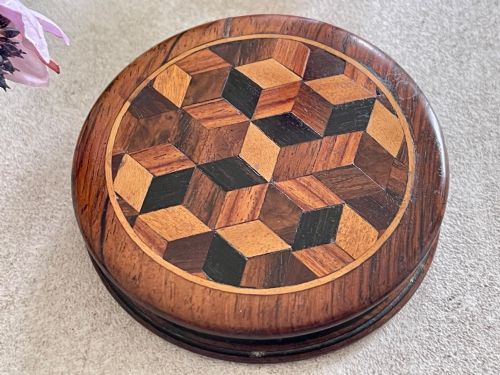
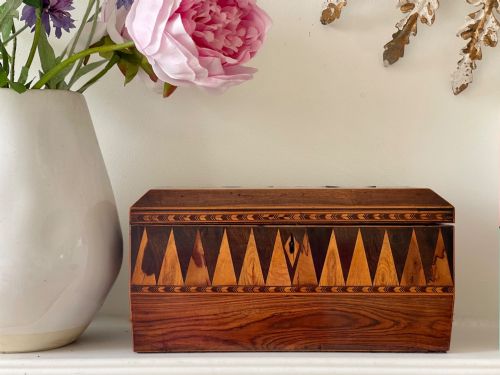
Construction relies on traditional carpentry methods, joining solid woods like oak and mahogany with dovetails, turned sections, or coopered staves for barrels and buckets. Finer pieces incorporate decorative techniques such as inlaid specimen woods, Tunbridge ware, and intricate hand-carving in limewood or bamboo.
Hardware details such as brass banding, iron hinges, and fitted interiors demonstrate the practical requirements of daily storage. Surfaces often retain original finishes, wax polishes, or traces of early paint.
Brown Wooden Container Retail Price Guide 2026
Typical asking prices for brown wooden container among the pieces listed under this phrase on Sellingantiques today, from the lower quarter to the upper quarter. They describe what is for sale here now, not the wider market.
Listings span from the 17th century to the 1930s, featuring woods like oak, mahogany, boxwood, and limewood alongside brass and iron.
Judging Quality
Quality rests upon the crispness of the carving, the selection of figured timber, and the integrity of the original construction. Pieces that retain their fitted interiors, original brass or iron mounts, and working locks stand apart from heavily altered examples.
The nuance lies in the balance between utility and decorative refinement, whether in the precision of a Tunbridge ware pattern or the rustic charm of a naive folk art carving.
The Brown Wooden Container Glossary
- Tea caddy
- A small box designed to store tea leaves safely under lock and key. These containers often feature fitted wooden lids or internal compartments.
- Treen
- Small handmade wooden domestic objects produced before the rise of mass manufacturing. Items range from spice towers to small vessels.
- Tunbridge ware
- A form of woodwork originating from Kent, characterised by intricate mosaics made from tiny pieces of naturally coloured woods. This technique creates geometric or pictorial surface designs.
- Salt box
- A wall-hanging or table-standing wooden container used to keep salt dry in domestic kitchens. They frequently feature hinged sloping lids and original iron hardware.
- Spice tower
- A multi-tiered turned wooden vessel designed to hold various culinary spices in stacked sections. These are typically turned from boxwood or other dense timbers.
Brown Wooden Container: Frequently Asked Questions
What is a brown wooden container used for?
These pieces served specific domestic and industrial storage needs, holding dry foods, tea, tobacco, spices, matches, or walking sticks.
Today, they function as decorative desktop accessories or storage objects that retain their historic utility.
How do I date a wooden container?
Dating relies on examining construction methods, timber choices, and hardware styles such as hand-cut dovetails or forged iron hinges.
Stylistic cues like Georgian mahogany or Victorian brass banding also help place an object within its specific period.
Are these containers made of solid wood?
Most pieces utilise solid native or exotic hardwoods such as oak, mahogany, walnut, and elm, selected for durability.
Some decorative boxes incorporate veneered surfaces or specialised mosaic work like Tunbridge ware over a wooden core.
How should I care for antique wood?
Maintain these objects by keeping them away from direct sunlight and sudden humidity changes to prevent timber splitting.
Apply occasional traditional wax polish to nourish the surface and preserve the historic finish.